Source pre-assembled plug-and-play mobile crematorium for burial, memorial, and disaster response
Compare 30 pre-assembled plug-and-play mobile crematorium units from verified Chinese manufacturers. These systems feature stainless steel construction, automated operation, and eco-friendly designs suitable for various cremation needs.
Key considerations
Products List
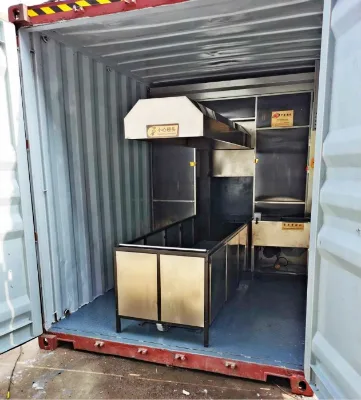
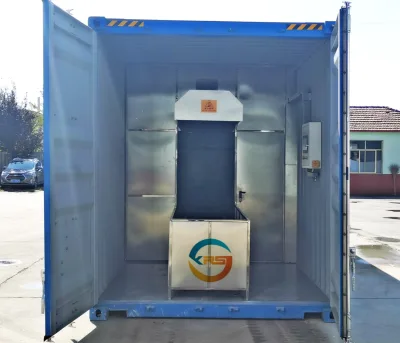
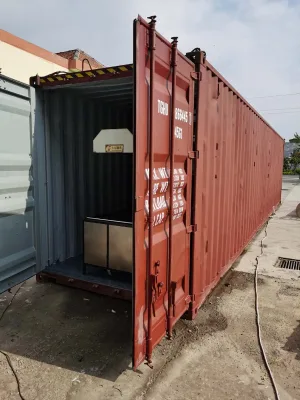
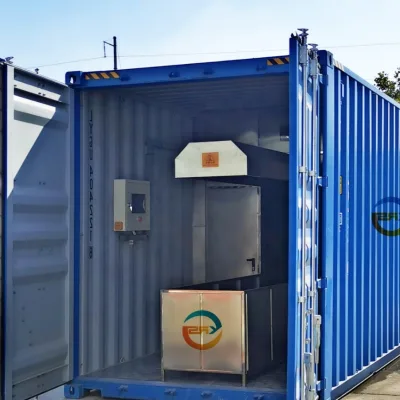
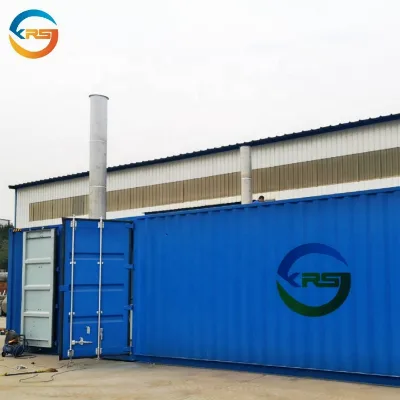
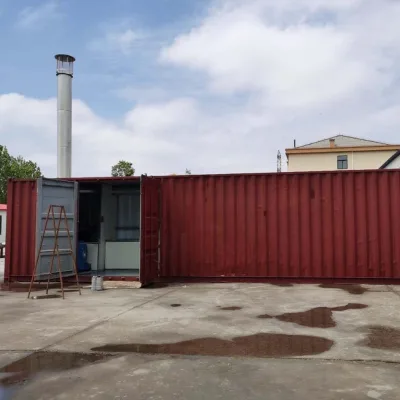


High Efficiency Human Body Cremator Funeral Equipment for Crematorium
$45000.00 - $200000.00
MOQ: 1 Pieces

Human Body Incinerator Cremation Machine for Crematorium Cremator Equipment Funeral Homes
$45000.00 - $200000.00
MOQ: 1 Pieces


New Crematorium Construction Equipment Funeral Cremation Equipment Supplier
$45000.00 - $200000.00
MOQ: 1 Pieces


Human Body Incinerator Crematorium Human Incinerator
$39990.00 - $45000.00
MOQ: 1 sets
Zhucheng Hongli Shengde Environmental Science and Technology Co., Ltd.




Comprehensive Sourcing Guide
Strategic Sourcing Guide for Pre-Assembled Plug-and-Play Mobile Crematoriums
The procurement of pre-assembled, plug-and-play mobile crematoriums represents a specialized segment within the funeral services and waste management industries. These units are engineered to provide immediate operational capability without the need for on-site construction or complex civil works. For buyers entering this market, the primary objective is to identify equipment that balances mobility, regulatory compliance, and operational efficiency. The following guide outlines the critical technical, compliance, and commercial factors that must be evaluated during the sourcing process, based on current market observations and product specifications.
Technical Architecture and Operational Specifications
The core of a mobile crematorium lies in its integrated system design, which typically combines a combustion chamber with a containment structure designed for transport. In the current market, these units are frequently housed within standard shipping containers, such as 40-foot high-cube (HC) variants, to ensure structural integrity during transit and ease of deployment. The internal architecture often utilizes a dual-material approach to manage extreme thermal conditions. The interior lining is commonly constructed from refractory bricks, which provide the necessary thermal insulation and resistance to high temperatures required for the cremation process. The exterior and critical internal components are often fabricated from stainless steel or a combination of carbon steel and stainless steel to ensure durability and corrosion resistance.
Operational efficiency is dictated by the automation level and fuel flexibility. Modern units are available in both fully automatic and semi-automatic configurations, with some models featuring multi-screw mechanisms for precise material handling. The fuel systems are designed for versatility, supporting a range of inputs including light diesel (0-10#), city gas, natural gas, and liquefied petroleum gas (LPG). This flexibility allows operators to adapt to local fuel availability and regulatory constraints. The combustion process is engineered to achieve high degrees of efficiency, with typical cycle times ranging from 30 to 45 minutes for the burning phase, followed by a cooling period of 5 to 15 minutes. This rapid turnover is essential for maintaining throughput in high-demand scenarios.
| Feature Category | Typical Specification Observed | Procurement Verification Point |
|---|---|---|
| Container Type | 40 FT HC | Verify structural modifications for internal load-bearing |
| Dimensions | L×W×H ≈ 6640×2100×2450mm | Confirm clearance requirements for transport |
| Interior Material | Refractory Bricks | Check thickness and thermal rating for specific fuel |
| Surface Material | Stainless Steel | Verify grade and thickness for corrosion resistance |
| Automation | Automatic / Semi-Automatic | Test control interface and remote capabilities |
| Fuel Options | Diesel, Gas, LPG | Confirm adapter availability and safety shut-offs |
Regulatory Compliance and Certification Verification
Navigating the regulatory landscape is perhaps the most critical aspect of sourcing a cremation unit. These devices are subject to stringent environmental and safety standards, particularly regarding emissions and operational safety. Buyers must verify that the equipment holds recognized international certifications. Common certifications observed in the market include ISO standards, which indicate adherence to quality management systems, as well as CE marking for European compliance. Additional quality assurance may be provided through SGS qualification reports, which validate the manufacturing processes and material integrity.
Specific technical standards regarding electrical safety are also paramount. Insulation resistance is a key metric, with typical requirements specifying a test voltage of 500V for 5 seconds, resulting in a resistance value of at least 30MΩ. This ensures that the electrical systems within the mobile unit are safe to operate in potentially humid or variable environments. Furthermore, the equipment must comply with local environmental regulations regarding exhaust emissions. While specific emission limits vary by jurisdiction, the design should include features such as high-degree burning systems and potentially secondary combustion chambers to minimize particulate matter and harmful gases. Buyers should not assume compliance based on general marketing claims; instead, they must request the specific test reports and certification documents relevant to the target market of operation.
Cost Drivers and Commercial Parameters
The total cost of ownership for a mobile crematorium is influenced by several variables beyond the initial purchase price. The observed price range in the market is extensive, spanning from approximately $50 to $200,000 USD. This variance is primarily driven by the complexity of the automation system, the quality of materials used, the capacity of the unit, and the inclusion of specialized features such as remote control capabilities or advanced cooling systems. Units with higher automation levels and more robust insulation materials generally command a premium price.
Minimum Order Quantity (MOQ) is another significant commercial factor. While some suppliers may offer single-item purchases, others may require bulk orders ranging up to 500 units, though this is less common for large, custom-engineered machinery. The MOQ can impact the unit economics, particularly for smaller funeral homes or mobile service providers. Additionally, the packaging method, whether in a standard container or a specialized wooden crate, affects shipping costs and insurance premiums. Buyers should also consider the warranty terms, which typically range from one to two years, and the availability of aftersale service. The inclusion of a complete system, including necessary tools and documentation, can reduce the need for additional capital expenditure on ancillary equipment.
Typical Applications and Deployment Scenarios
The versatility of pre-assembled mobile crematoriums allows them to serve a wide array of applications. The primary use case is the cremation of human remains, offering a dignified and efficient solution for burial services. These units are particularly valuable in remote locations where permanent infrastructure is unavailable or where rapid deployment is required due to emergency situations. The "plug-and-play" nature of these systems means they can be transported to a site, connected to fuel and power sources, and operational within a short timeframe.
Beyond standard human cremation, the technology is sometimes adapted for other applications requiring high-temperature incineration, such as the disposal of medical waste or animal remains, depending on local regulations. The mounting type is typically floor-based, ensuring stability during the combustion cycle. The units are designed to be self-contained, often featuring built-in drainage systems and temperature control devices that include both hot and cold water adjustments. This self-sufficiency makes them ideal for temporary setups, disaster relief operations, or mobile funeral services that travel between different locations. The capacity of these units, often measured in cubic inches, must be matched to the expected volume of work to ensure operational efficiency.
Supplier Evaluation and Quality Assurance
Selecting a reliable supplier is essential for ensuring the longevity and safety of the equipment. Buyers should prioritize suppliers who provide transparent documentation regarding the origin of the product, with many units originating from manufacturing hubs in China, specifically regions like Shandong. The supplier's ability to provide aftersale service is a critical differentiator. This includes the availability of spare parts, technical support for troubleshooting, and training for operators.
Quality control should be a continuous process, not just a final inspection. Buyers should verify the condition of the equipment, ensuring it is new and free from defects. The manufacturing process should adhere to strict standards, with evidence of quality checks such as SGS qualification. When evaluating potential suppliers, request detailed specifications for the insulation resistance, load capacity (often limited to ≤150kgs for specific components), and the specific model numbers of the units being offered. Comparing different models, such as those designated with codes like KRSC3000 or SHC series, can help buyers understand the range of features available. It is also important to verify the customization options, as many buyers require specific color schemes or modifications to meet local aesthetic or functional requirements.
Long-Term Procurement and Lifecycle Management
The procurement of a mobile crematorium is a long-term investment that requires careful planning for maintenance and lifecycle management. The warranty period, typically two years, provides a baseline for manufacturer support, but buyers should plan for ongoing maintenance costs beyond this period. The high-temperature environment inside the combustion chamber necessitates regular inspection of the refractory bricks and stainless steel surfaces for signs of wear or degradation.
Spare parts availability is a crucial consideration for minimizing downtime. Buyers should negotiate clear terms regarding the supply of critical components such as burners, control panels, and sealing materials. The automation systems, while reducing manual labor, introduce electronic components that may require specialized repair. Therefore, the supplier's technical support network must be robust. Additionally, buyers should consider the environmental impact of the unit over its lifecycle. Eco-friendly features, such as efficient fuel consumption and emission control systems, not only reduce operational costs but also ensure compliance with evolving environmental regulations. Regular maintenance schedules should be established to inspect the cooling systems, fuel lines, and electrical connections, ensuring the unit remains safe and efficient throughout its operational life.
In conclusion, sourcing a pre-assembled plug-and-play mobile crematorium requires a meticulous approach that balances technical specifications, regulatory compliance, and commercial viability. By carefully evaluating the material construction, automation features, and supplier support capabilities, buyers can secure equipment that meets their operational needs while adhering to safety and environmental standards. The extensive range of available models and configurations offers flexibility, but the decision must be grounded in verified data and a clear understanding of the long-term requirements of the equipment.
FAQs
What is the typical cremation time for these units?
The typical cremation time ranges from 30 to 45 minutes. This duration is followed by a cooling period of 5 to 15 minutes to ensure safe handling of the remains and equipment components.
Which certifications do these mobile crematoriums usually hold?
These units commonly hold ISO, CE, QS, and SGS certifications. These credentials verify adherence to quality management systems, European safety standards, and manufacturing process integrity for reliable operation.
Can the equipment be customized for specific needs?
Yes, customization is available for these mobile systems. Buyers can request specific color schemes or modifications to meet local aesthetic or functional requirements while maintaining the core operational capabilities.
What fuel types are compatible with the burning system?
The burning system supports 0-10# Light Diesel, City Gas, Natural Gas, and LPG. This fuel flexibility allows operators to adapt to local fuel availability and specific regulatory constraints in different regions.
How is the interior of the crematorium constructed?
The interior is lined with refractory bricks to withstand high temperatures. The exterior and critical components often use stainless steel or a combination of carbon steel and stainless steel for durability.
What is the warranty period for this equipment?
The standard warranty period is typically 2 years. This coverage provides a baseline for manufacturer support, though buyers should plan for ongoing maintenance costs beyond this period for long-term reliability.
Which container type is used for transport?
The units are frequently housed within 40 FT HC (High Cube) containers. This design ensures structural integrity during transit and facilitates easy deployment at various locations without complex civil works.