Source Prefab Villa Structures for Villas, Dormitories, and Workshops
Explore 30 Prefab Villa options featuring steel structures and modern designs. Compare models like KHCD and LL-PH-V2 for dormitories, temporary offices, and villas. Options include customized sizes, CE and ISO certifications, and various packing methods for global shipping; compare the available evidence and request quotations based on your requirements.
Key considerations
Products List


Fashionable Prefab House Light Steel Villa House Building Prefab Light Villa
$220.00 - $240.00
MOQ: 200 Square Meters


Prefab House Light Steel Structure House Light Steel Villa 3-7
$190.00 - $240.00
MOQ: 110 Square Meters
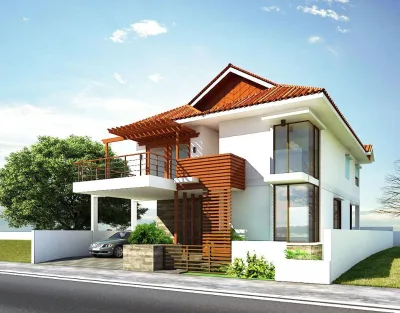


Luxurious Prefab Steel Villa with Best Design and Fast Installation
$233.00 - $299.00
MOQ: 300 Square Meters

Modern Low Cost Steel Frame Prefab Steel Villa with High Quality
$233.00 - $299.00
MOQ: 300 Square Meters


Container House Container Home Luxury Villa Prefab House
$15000.00 - $69999.00
MOQ: 1 Pieces
Guangdong Jingzhongjing Industrial Painting Equipments Co., Ltd.
Comprehensive Sourcing Guide
Prefab Villa Sourcing Guide
Buyers entering the Prefab Villa market must first distinguish between structural steel frameworks and composite panel systems, as the supplied data reveals distinct product categories ranging from modular steel structures to fiber cement board assemblies. The observed listings indicate a wide spectrum of customization options, with some suppliers offering fully tailored designs while others provide standardized models like the KHCD or LL series, each serving different project scales from temporary offices to permanent residential villas.
Procurement decisions should prioritize the specific usage intent, as the available inventory supports applications in dormitories, workshops, hotels, and private residences. The presence of both "Modern Style" and "Little Korean Style" interior options suggests that aesthetic customization is a primary differentiator, yet buyers must verify if the structural core, whether steel or cement-based, aligns with the intended load-bearing requirements and environmental conditions of the final installation site.
Product Scope and Observed Listing Signals
The market data indicates a significant variance in product definitions, ranging from complete steel structure units to individual wall panels with specific density and fire resistance ratings. Buyers should note that some listings describe the entire building system with dimensions like 6000x3000x2800mm, while others focus on component-level specifications such as 10mm thickness fiber cement boards with a thermal conductivity of 0.1478w.m2/k, requiring careful scope definition to avoid purchasing mismatched components.
Listing signals also reveal diverse packaging and shipping protocols, including sea container loading, standard packages, and bulk delivery methods, which directly impact logistics planning and on-site assembly efficiency. The observed origin points span Henan, Tianjin, and Hubei provinces, suggesting that regional manufacturing hubs may offer different cost structures or lead times, and buyers must confirm whether the quoted price includes the full assembly kit or merely the raw materials and structural frames.
Technical Specifications to Verify
Technical due diligence must focus on the structural integrity of the chosen system, specifically verifying whether the design utilizes a lattice truss or portal frame configuration, as these determine the building's span capabilities and seismic resistance. Buyers should cross-reference the stated floor height standards, which range from 2.7 to 3.0 meters per floor, against local building codes to ensure compliance with occupancy regulations and spatial requirements for the intended villa or dormitory application.
Material properties require rigorous validation, particularly for composite systems where raw materials like cement, EPS, sand, and water are combined to achieve a density of 650kgs/m3 and a bend strength of 5MPa. It is critical to confirm the fire resistance rating, as some listed products claim 4 hours of resistance under 1000℃, a specification that must be independently verified through third-party testing reports to ensure the safety of the finished structure in high-risk environments.
Compliance and Safety Documentation
Certification verification is a non-negotiable step, as the observed listings display a mix of ISO, CE, BV, and CNAS credentials, but the presence of these marks does not guarantee universal compliance for every specific model or batch. Buyers must request the specific certificate type, such as the Type_Customized ISO9001 mentioned in some records, and ensure that the documentation covers the exact model number, such as LL-PH-V2 or DQ-FPB-01, being procured for the project.
Safety standards for structural welding and assembly must be explicitly confirmed, with some suppliers citing AWS D1.1 and EN1090 as their governing standards for steel fabrication. Procurement teams should demand proof that the surface treatment processes, including painting and galvanizing, meet these specific standards to prevent corrosion, especially for units intended for outdoor or coastal environments where long-term durability is essential for the safety of occupants.
Cost Drivers and Commercial Terms
Pricing volatility is evident in the observed range of 45 to 69,999 USD, driven by factors such as the level of customization, the complexity of the architectural style, and the inclusion of interior decoration services. Buyers must clarify whether the quoted unit price covers the complete "Load Into Sea Container" package or if additional costs for on-site installation, technical support, and training are excluded, as these services are frequently listed as separate line items in the commercial terms.
Minimum Order Quantities (MOQ) vary significantly from single items to 500 units, influencing the unit economics and the feasibility of small-scale residential projects versus large dormitory developments. The commercial terms should explicitly address the "Free Design" service availability and the specific after-sale support structure, including onsite inspection and training, to ensure that the total cost of ownership accounts for the necessary technical assistance required for successful deployment.
Supplier Qualification and Quality Control
Supplier qualification should extend beyond basic certification checks to include an assessment of their production capacity and quality control protocols for both steel structures and composite panel manufacturing. Buyers must verify the consistency of the "Standard Package" or "Bulk" delivery methods to ensure that the products arrive without damage, particularly for fragile components like fiber cement boards that require specific handling to maintain their structural integrity and fire resistance properties.
Quality control processes must be validated through the supplier's ability to provide detailed inspection reports for critical attributes such as thermal conductivity and density. Since the data indicates a mix of origins from Henan, Tianjin, and Hubei, buyers should establish clear communication channels for real-time quality monitoring, ensuring that the final product matches the specified model numbers and that the "Little Korean Style" or "Modern Style" finishes meet the agreed-upon aesthetic and functional standards.
Long-Term Procurement Checks
Long-term procurement success relies on establishing a robust framework for after-sales support, specifically leveraging the listed services of online technical support, onsite installation, and onsite training to mitigate operational risks. Buyers should negotiate service level agreements that define response times for onsite inspections and ensure that the supplier remains accountable for the performance of the structure over its intended lifespan, particularly regarding the durability of the surface treatments and the stability of the frame.
Continuous monitoring of supply chain stability is essential, given the diverse range of raw materials and the potential for regional disruptions in China. Procurement teams should maintain a relationship with the supplier to track updates on standard revisions, such as changes to the 6000x3000x2800mm dimensions or the 2270/2440/2700/3000mm length options, ensuring that future orders remain compatible with existing inventory and project requirements without necessitating costly redesigns.
FAQs
What certifications do Prefab Villa suppliers typically provide?
Suppliers typically provide CE and ISO certifications to ensure compliance with international standards. Some manufacturers also offer BV, Codemark, CTI, and CNAS certificates for specific projects. These documents verify that the steel structure and production processes meet required safety and quality benchmarks for global export and local installation.
Can prefab villas be customized for specific architectural styles?
Yes, customization is available for various architectural preferences, including modern styles and little Korean styles. Buyers can request specific dimensions, interior decorations, and structural modifications. Manufacturers often provide free design services to align the final product with the client's unique requirements and site conditions.
What are the standard dimensions for Prefab Villa structures?
Standard sizes often include lengths of 2270, 2440, 2700, or 3000mm with a width of 610mm. Floor heights typically range from 2.7 to 3.0 meters per level. Specific models like KHCD or LL-PH-V2 may have unique specifications tailored to customer needs or container loading requirements.
How are prefab villas packed for sea container shipping?
Products are usually packed in standard packages or bulk configurations designed for efficient sea container loading. This ensures safe transport and minimizes damage during transit. The packing method is optimized to maximize space utilization while protecting the steel structure and component integrity throughout the logistics chain.
What after-sale services are included with Prefab Villa purchases?
Services typically include online technical support, onsite installation guidance, onsite training, and onsite inspection. These provisions help ensure proper assembly and functionality at the destination. Buyers receive comprehensive support to manage the construction process smoothly, addressing technical queries and verifying structural alignment during the build phase.
Which materials are used in Prefab Villa wall panels?
Wall panels often utilize raw materials such as cement, EPS, sand, water, and additives. These components create fiber cement boards that are non-asbestos and offer high fire resistance. The resulting panels provide thermal insulation and structural durability suitable for exterior and interior applications in various building types.