Source Pretend Play Tea Set for Kids, Events, and Gifts
Compare 30 Pretend Play Tea Set options from verified Chinese manufacturers. Buyers can evaluate folding designs, wooden materials, and custom logo printing for promotional gifts, kitchen play, and souvenir purposes; compare the available evidence and request quotations based on your requirements.
Key considerations
Products List


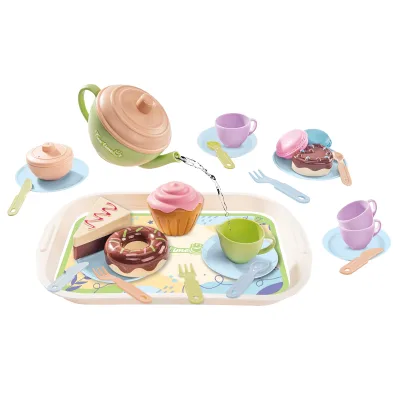

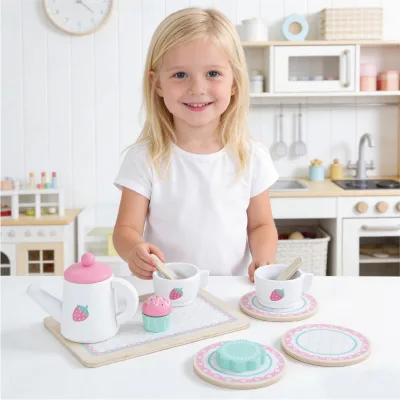
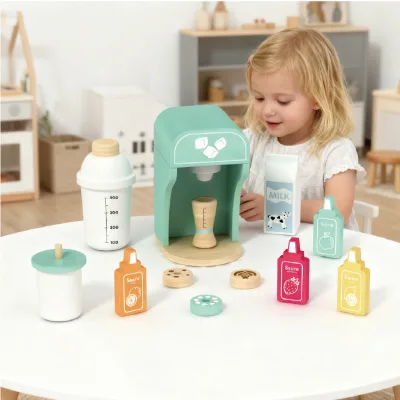


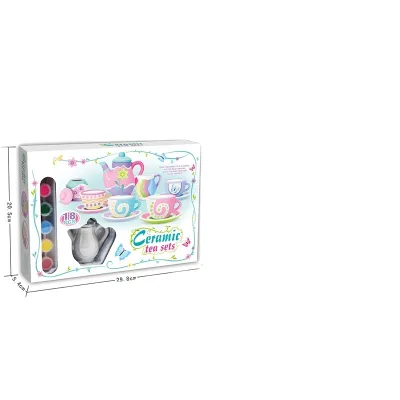

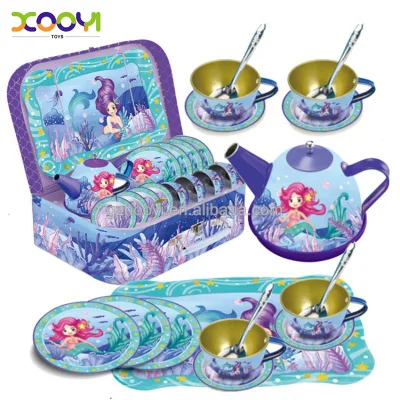
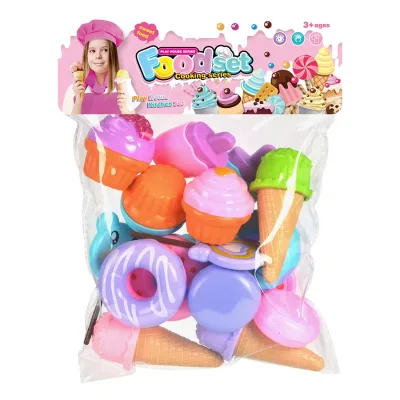
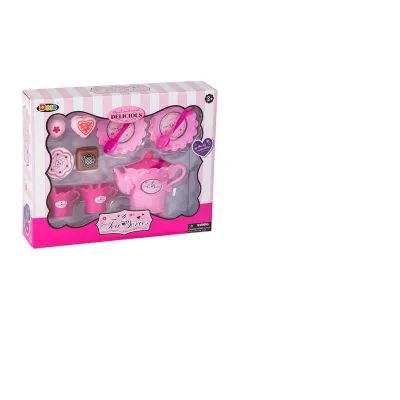
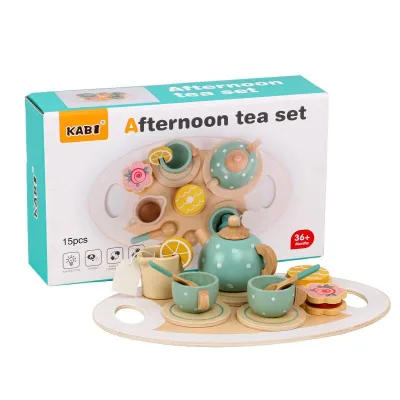

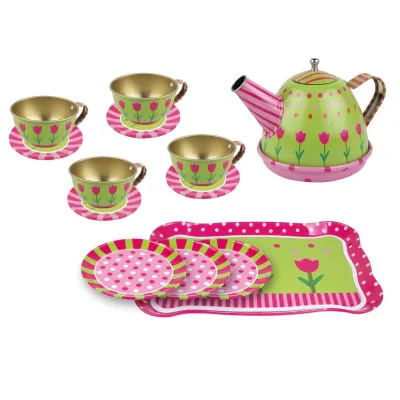
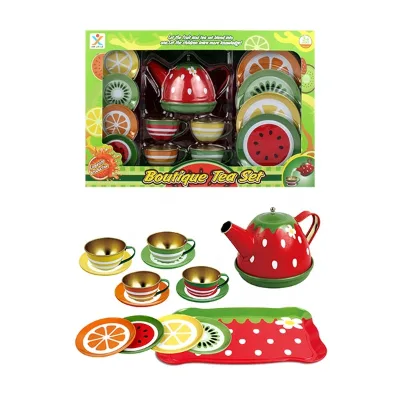
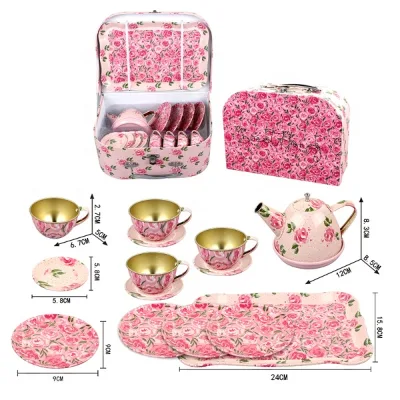
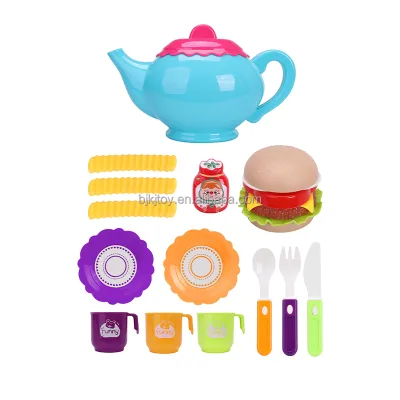
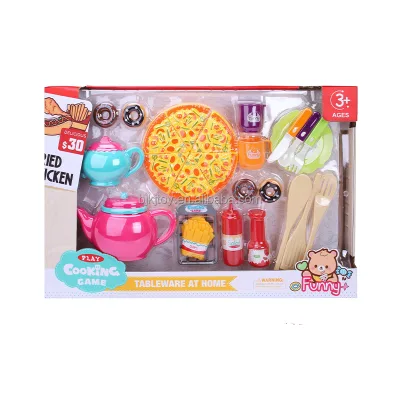
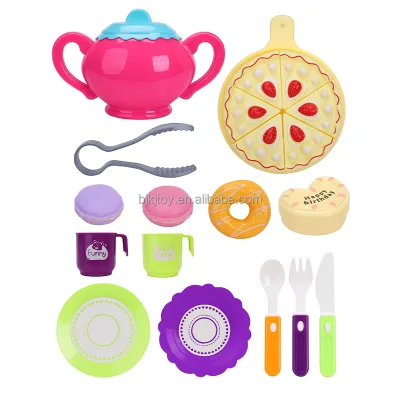


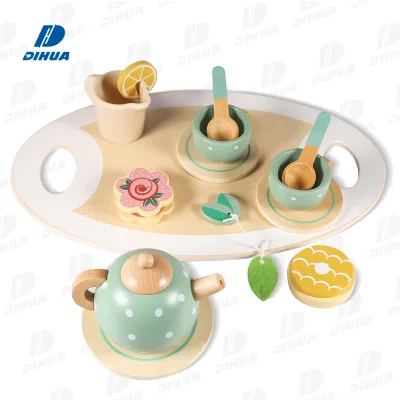

Comprehensive Sourcing Guide
Pretend Play Tea Set Sourcing Guide
Buyers evaluating pretend play tea sets must first distinguish between general promotional items and specialized kitchen role-play collections. The market offers distinct variations, ranging from compact folding units designed for travel to elaborate multi-piece sets featuring specific characters or scenes. Understanding these product scope differences is critical, as the intended usage—whether for souvenirs, promotions, or serious educational play—directly dictates the required material durability and packaging complexity.
Current listings indicate a diverse range of configurations, including sets with full-color logo printing and silk-printed details for branding purposes. Some products are explicitly categorized for specific age groups, such as toddlers under three years or children aged eight to thirteen, while others target a broader unisex demographic. Procurement teams should verify if the observed "Teapot set of 30 pieces" aligns with their specific volume needs or if a smaller, more portable configuration better suits their distribution strategy.
Product Scope and Observed Listing Signals
When analyzing product listings, buyers should note the significant variance in physical dimensions and packaging standards across different suppliers. Observed specifications include compact units measuring approximately 22x15x10cm alongside larger cartons reaching 81.5x50.5x85cm, which suggests a wide spectrum of shipping efficiencies and storage requirements. These dimensional differences often correlate with the number of pieces included, such as sets sold in multiples of 24 versus single unit sales, directly impacting the total landed cost per item.
The observed material composition varies from standard plastics to more premium options like plywood, solid wood, and MDF, which influences both the perceived value and the target market segment. Listings frequently highlight customization availability, allowing buyers to request specific color schemes or branding elements like full-color imprints on the packaging. However, the presence of "other" as a material category in some entries necessitates a deeper inquiry into the specific polymer or composite used to ensure the product meets safety and durability expectations.
Technical Specifications to Verify
Technical verification must begin with the precise model numbers and standard dimensions provided in the supplier's catalog to avoid receiving mismatched inventory. Buyers should cross-reference model identifiers like EPT1531277 or SM490697 against the stated product sizes, such as 39x12.4x26cm or 25.5x18.5x10.3cm, to ensure the physical footprint matches the intended retail display or storage constraints. Discrepancies between the listed model number and the actual physical dimensions can lead to significant logistical errors and increased shipping costs.
Beyond dimensions, the internal packing configuration requires strict validation to prevent damage during transit and to optimize container utilization. Specific data points, such as a gross weight of 24.6kg per batch or a carton capacity of 24 pieces, must be confirmed against the supplier's actual packing list. The distinction between window box packaging and standard color boxes also affects the unboxing experience and the potential for retail-ready presentation, making it a critical technical parameter for buyers targeting high-end retail channels.
Compliance and Safety Documentation
Safety compliance is paramount for toys intended for young children, requiring verification of specific international standards before finalizing any purchase order. While some listings explicitly mention certifications like EN71, ASTM F963, and CE, buyers must treat these as claims that require independent validation rather than guaranteed attributes of every listed item. The presence of these standards is particularly crucial for products targeting the "under 3 years" age group, where regulatory scrutiny regarding small parts and material toxicity is most stringent.
Procurement teams should request current test reports that correspond to the specific model numbers and material compositions observed in the catalog. It is essential to confirm that the "other" material category or the use of wood and MDF does not introduce hidden hazards such as lead paint or formaldehyde emissions. Relying solely on the supplier's stated compliance without reviewing the actual third-party laboratory certificates can expose the buyer to significant liability and potential product recalls in the target market.
Cost Drivers and Commercial Terms
The final cost of a Pretend Play Tea Set is heavily influenced by the chosen material, the complexity of the customization, and the volume of the order. Listings show a price range from 0.48 to 7.75 USD, a spread that reflects differences in material quality, such as the transition from basic plastic to solid wood or MDF construction. Buyers must understand that lower price points often correlate with simpler designs or less durable materials, whereas higher prices may include premium packaging like window boxes or extensive branding services.
Commercial terms also play a vital role in the total cost of ownership, with observed payment terms typically requiring TT transfers and minimum order quantities starting at a single carton. The flexibility of partial shipments and the specific loading port of Shantou can impact logistics planning and inventory turnover rates. Additionally, the note to "contact us for better price" suggests that the listed figures are starting points, and buyers should negotiate based on their projected annual volume to secure more favorable unit economics.
Supplier Qualification and Quality Control
Supplier qualification should focus on verifying the origin of goods and the consistency of their manufacturing processes across different product lines. The observed data indicates origins in Guangdong and Zhejiang, China, regions known for toy manufacturing, but buyers must confirm that the specific factory holds the necessary quality management systems to maintain consistency. The variation in product models and materials suggests that a supplier may operate multiple production lines, each requiring distinct quality control protocols to ensure uniform safety and finish.
Quality control checks must extend beyond the final product to include the integrity of the packaging and the accuracy of the imprinting. Since customization is available, buyers should establish clear acceptance criteria for logo placement, color fidelity, and the structural strength of the color boxes or window boxes. Inspecting a pre-shipment sample is essential to verify that the "Tea Sets" or "Folding" types meet the expected functional standards, ensuring that the moving parts and assembly mechanisms operate smoothly without sharp edges or loose components.
Long-Term Procurement Checks
Establishing a long-term procurement strategy requires regular audits of the supplier's ability to maintain consistent quality and adhere to changing safety regulations. As product standards evolve, particularly for toys targeting younger age groups, buyers must ensure their suppliers can adapt their manufacturing processes to meet new compliance requirements without disrupting the supply chain. This proactive approach helps mitigate the risk of sudden product obsolescence or regulatory non-compliance that could halt sales in key markets.
Buyers should also monitor the stability of the supply chain regarding raw materials and packaging components, as fluctuations in the cost of wood, MDF, or plastic can impact pricing and availability. Maintaining open communication channels for better pricing and addressing any discrepancies in the gross weight or package size per batch is essential for operational efficiency. By treating product attributes as observations rather than absolute guarantees, buyers can build a resilient sourcing relationship that adapts to market dynamics while maintaining high standards for their Pretend Play Tea Set offerings.
FAQs
What certifications are available for pretend play tea sets?
Certifications such as EN71, ASTM F963, and CE are available for pretend play tea sets. These standards ensure safety for children aged 2 to 13 years. Buyers should verify specific documentation with suppliers to confirm compliance with regional regulations before placing bulk orders for promotional or retail distribution.
Can I customize the logo on pretend play tea sets?
Yes, customization is available for pretend play tea sets. Suppliers offer full color logo printing and silk print imprint options. This allows businesses to brand products for promotions or souvenirs. Buyers should contact suppliers directly to discuss specific design requirements and obtain accurate pricing for customized orders.
What is the typical MOQ for pretend play tea sets?
The minimum order quantity for pretend play tea sets ranges from 1 to 10,000 units. Some suppliers require a minimum of one carton, which may contain 24 pieces. Buyers should check specific product listings for exact MOQ requirements, as these vary by manufacturer and packaging configuration.
Where are pretend play tea sets typically manufactured?
Pretend play tea sets are typically manufactured in China, with origins in Guangdong and Zhejiang provinces. The loading port is often Shantou. Buyers can expect partial shipments and TT payment terms. These locations are known for producing various toy categories, including kitchen-themed play sets.
What materials are used in pretend play tea sets?
Materials used in pretend play tea sets include plywood, solid wood, MDF, and other unspecified materials. Some sets are designed for girls, while others are unisex. Buyers should review product descriptions to identify the specific material composition, as this affects durability and safety compliance for different age groups.
How are pretend play tea sets packaged for shipping?
Pretend play tea sets are packaged in color boxes, window boxes, or standard cartons. Each carton may contain 24 pieces, with specific dimensions like 81.5x50.5x85 cm. Buyers should request packing details to calculate shipping costs and storage requirements, as packaging varies by model and supplier.