Source Primary Gasket Kit for Cars, Trucks, and Engines
Find 30 verified listings for the Primary Gasket Kit suitable for automotive and industrial applications. Buyers can compare specifications, materials, and pricing from multiple suppliers to ensure quality and fit for their specific needs; compare the available evidence and request quotations based on your requirements.
Key considerations
Products List


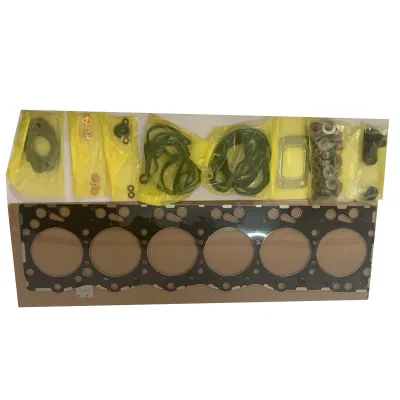


Comprehensive Sourcing Guide
Primary Gasket Kit Sourcing Guide
Procuring a Primary Gasket Kit requires a disciplined approach to aligning component specifications with operational demands. Buyers must first define the precise mechanical environment, including pressure ratings and temperature extremes, to ensure the selected materials can withstand the intended service life. The observed market data indicates a wide range of materials, from metal and rubber composites to aluminum and steel variants, each offering distinct advantages for specific industrial or household applications. Understanding these material properties is the foundational step in preventing premature failure and ensuring system integrity.
Beyond material selection, the geometric precision and standardization of the gasket components play a critical role in successful installation. Listings frequently reference standard and non-standard sizes, ranging from small O-rings to larger sealing components, often adhering to state or OEM standards. Buyers should verify that the kit includes all necessary washers, such as lock or spring washers, and confirm that the packaging protects these delicate sealing surfaces during transit. This attention to detail ensures that every component fits correctly, reducing assembly errors and minimizing downtime during maintenance or initial installation phases.
Product Scope and Observed Listing Signals
The current market landscape for primary gasket kits reveals a diverse array of product types, including oil seals, lock washers, and comprehensive gasket sets. Observed listings highlight specific applications ranging from automotive engines, such as the 403c-15, to heavy machinery like excavators and tractors. This variety suggests that buyers must carefully cross-reference their equipment models, such as Nissan FE6TA or Daewoo DL06, with supplier inventories to ensure compatibility. The presence of high-pressure performance indicators and elongation rates exceeding 300% signals that many available kits are engineered for demanding industrial environments rather than light-duty use.
Packaging and origin details provide additional context for supply chain planning. Most products originate from major manufacturing hubs in China, particularly Ningbo and Shanghai, and are shipped in wooden cases, cartons, or customized neutral packaging. The observed minimum order quantities vary significantly, ranging from single units to thousands, which allows for flexibility in procurement strategies. Buyers should note that some suppliers offer customization options, including OEM branding and specific packing standards, which can be crucial for maintaining brand consistency or meeting specific logistical requirements in large-scale industrial projects.
Technical Specifications to Verify
Verifying technical specifications is paramount to ensuring that the Primary Gasket Kit meets the rigorous demands of the intended application. Buyers must confirm the tensile strength, which should ideally exceed 10MPa for robust sealing performance, and check the temperature resistance capabilities to prevent degradation under thermal stress. The material composition, whether it be stainless steel, aluminum, or specialized rubber compounds, must be explicitly stated and matched against the chemical and physical properties of the fluids or gases being sealed. Misalignment in material selection can lead to rapid failure, making it essential to request detailed material data sheets before finalizing any purchase.
Dimensional accuracy and standard compliance are equally critical factors that require thorough verification. Listings often mention adherence to state standards or OEM specifications, but buyers should insist on precise dimensional tolerances for each component in the kit. This includes verifying the thickness, inner and outer diameters, and the specific type of washer included, such as standard lock washers or combination washers. Additionally, confirming the production techniques, such as casting for metal components, helps assess the structural integrity of the parts. Ensuring that all components fit within the specified size ranges, from 1/2 inch to 24 inches where applicable, prevents costly rework and assembly delays.
Compliance and Safety Documentation
Compliance with international standards and certifications is a non-negotiable aspect of sourcing primary gasket kits, particularly for industries with strict regulatory requirements. Buyers should prioritize suppliers who hold recognized certifications such as ISO9001, RoHS, Reach, and UL, which indicate a commitment to quality management and environmental safety. These certifications provide assurance that the manufacturing processes adhere to globally accepted benchmarks, reducing the risk of non-compliant materials entering the supply chain. Verifying these credentials early in the sourcing process helps mitigate legal and operational risks associated with using uncertified components in critical systems.
In addition to certifications, buyers must ensure that the products meet specific safety and performance standards relevant to their industry. For instance, components used in automotive or heavy machinery applications may require additional testing to validate their durability under high-pressure conditions. Documentation should clearly state whether the gaskets meet state or non-state standards, and any deviations from standard specifications must be explicitly communicated and approved. Requesting test reports or performance data for high-pressure and temperature resistance can further validate the supplier’s claims, ensuring that the Primary Gasket Kit will perform reliably in real-world operating conditions.
Cost Drivers and Commercial Terms
Understanding the cost drivers associated with primary gasket kits allows buyers to negotiate more effectively and budget accurately for procurement projects. The price range observed in the market, from $0.05 to $150, reflects variations in material quality, complexity of design, and order volume. Buyers should consider how factors such as customization, packaging requirements, and certification levels influence the final cost. While lower prices may be attractive, they often correlate with reduced material quality or limited warranty coverage, which can lead to higher long-term costs due to frequent replacements and maintenance.
Commercial terms, including minimum order quantities and warranty periods, also play a significant role in the total cost of ownership. Many suppliers offer warranties ranging from 12 to 24 months, providing a safety net against premature failures. Buyers should evaluate these terms alongside the unit price to determine the true value of the offer. Additionally, negotiating flexible payment terms and clear shipping arrangements can help manage cash flow and reduce logistical risks. It is advisable to request detailed quotes that break down costs for materials, labor, and packaging, enabling a transparent comparison between different suppliers and ensuring that all hidden fees are accounted for in the final agreement.
Supplier Qualification and Quality Control
Supplier qualification is a critical step in ensuring the reliability and consistency of Primary Gasket Kit supplies. Buyers should conduct thorough due diligence to verify the supplier’s manufacturing capabilities, quality control processes, and track record in the industry. This includes assessing their ability to produce components that meet specific technical specifications, such as tensile strength and temperature resistance, and their capacity to handle customization requests. Suppliers with established quality management systems, indicated by certifications like ISO9001, are more likely to deliver consistent product quality and adhere to agreed-upon standards.
Quality control measures should be explicitly defined in the procurement agreement to ensure that every batch of gaskets meets the required performance criteria. Buyers should request samples for initial testing and establish clear acceptance criteria for dimensions, material composition, and packaging integrity. Regular audits or third-party inspections can provide additional assurance of quality, particularly for large orders or critical applications. Furthermore, maintaining open communication with the supplier regarding any quality issues or changes in specifications helps foster a collaborative relationship and ensures that any potential problems are addressed promptly, minimizing the impact on production schedules.
Long-Term Procurement Checks
Establishing long-term procurement checks ensures that the Primary Gasket Kit supply remains reliable and cost-effective over time. Buyers should implement a periodic review process to assess supplier performance, including delivery times, product quality, and responsiveness to issues. This ongoing evaluation helps identify any trends in defects or delays, allowing for proactive measures to be taken before they impact operations. Additionally, staying informed about market trends and technological advancements in gasket materials and designs can provide opportunities for cost savings or performance improvements, ensuring that the procurement strategy remains competitive and aligned with industry best practices.
Regularly updating the supplier database and maintaining a diverse pool of qualified vendors can mitigate risks associated with single-source dependencies. Buyers should periodically re-evaluate their supplier base to ensure that they have access to alternative sources in case of supply chain disruptions. This includes verifying that alternative suppliers meet the same quality and compliance standards as the primary supplier. By maintaining a robust and flexible supply chain, buyers can ensure continuity of operations and protect against potential shortages or price fluctuations, ultimately supporting the long-term success and efficiency of their procurement activities.
FAQs
What certifications do primary gasket kits have?
Primary gasket kits carry ISO9001, RoHS, Reach, UL, and CE certifications. These standards ensure compliance with international safety and environmental regulations for industrial and household applications.
Which materials are used for primary gasket kits?
Manufacturers use metal, rubber, aluminum, and steel to produce these kits. The material selection depends on specific performance needs like high pressure resistance or temperature tolerance for various engines.
Can I get customized packaging for primary gasket kits?
Yes, customization is available for packaging options including wooden cases, cartons, or neutral branded packing. Buyers can request specific packing standards to meet their logistical or branding requirements.
What is the warranty period for primary gasket kits?
Warranty periods typically range from 12 to 24 months depending on the specific product model. This coverage ensures quality assurance for applications in cars, trucks, and heavy machinery like excavators.
How are primary gasket kits shipped from China?
Products originate from Ningbo and Shanghai with export carton packing or wooden cases. Shipping methods accommodate various order sizes while maintaining the integrity of the gasket components during transit.
What specifications are available for primary gasket kits?
Available specifications include standard and non-standard sizes ranging from 1/2 inch to 24 inches. Models cover specific engine types like 403c-15 and various industrial machinery requirements.
Are primary gasket kits available in stock?
Many primary gasket kits are kept in stock for immediate delivery. This availability supports urgent industrial needs for car, truck, and tractor applications without long lead times.