Source Educational Cooking Play Doll House for Kids, Schools, and Homes
Compare 30 Educational Cooking Play Doll House options from verified suppliers. These pretend play sets feature kitchen styles, PP plastic materials, and safety certifications like EN71 for preschool educational toys and recreation; compare the available evidence and request quotations based on your requirements.
Key considerations
Products List


Colorful Kitchen Role Play Toy for Children Simulation Pretend Doll House
$4.43 - $5.06
MOQ: 90 Pieces


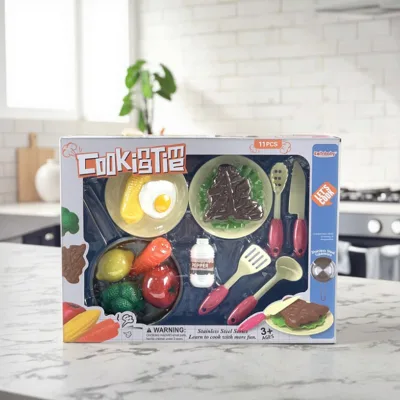

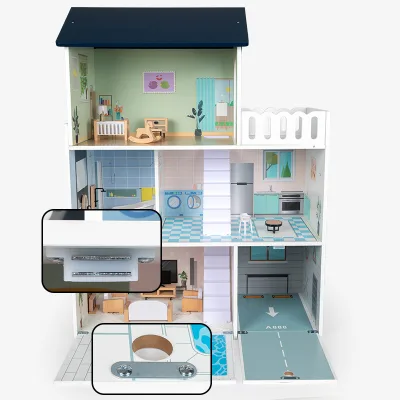
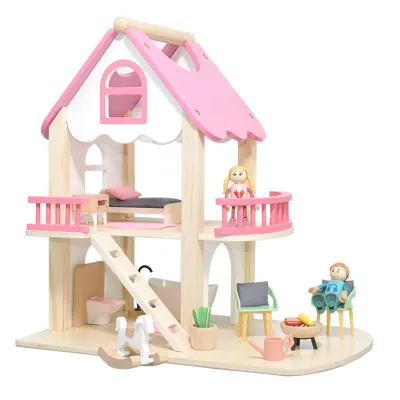


New Design Play Toys Wooden Play 2-in-1 Kitchen Baby Doll House for Kids with Furnitures
$57.75 - $60.64
MOQ: 1000 Pieces


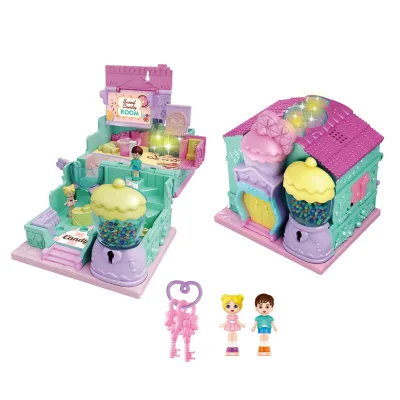


Comprehensive Sourcing Guide
Educational Cooking Play Doll House Sourcing Guide
Procurement teams must first distinguish between traditional building blocks and dedicated pretend play sets when sourcing educational cooking play doll houses. The market data indicates a clear split between modular plastic construction toys and larger, functional kitchen role-play units. Buyers should verify whether the product is classified as a "Traditional Building Block" or a "Pretend Play Set" to ensure the item matches the intended educational curriculum for preschoolers.
Understanding the specific style and function is critical for aligning inventory with customer expectations. Listings frequently describe these items as "Kitchen" or "Convenience Store" themed sets designed for "Role Play" and "Earlier Education." Sourcing decisions should prioritize products explicitly labeled as "Educational Toy" or "Preschool Educational Toys" to guarantee the item supports developmental goals rather than serving merely as a generic recreational object.
Product Scope and Observed Listing Signals
Buyers should analyze the observed price range of 1.8 to 90 USD to segment suppliers by product complexity and material quality. Lower-priced items often correspond to smaller, single-item units or basic building block sets, while higher-priced listings typically reflect larger, multi-component kitchen play sets with detailed accessories. This variance suggests that procurement strategies must account for different price tiers based on the desired scale of the play environment.
Minimum Order Quantity (MOQ) requirements vary significantly, ranging from single units to 1000 pieces, which impacts inventory planning and cash flow. Some suppliers offer flexible terms for samples, with lead times of 3 to 7 days, while full production cycles usually require 7 to 15 days. Procurement teams must align their order volumes with these specific MOQ constraints, noting that some vendors require orders in cartons rather than individual units.
Technical Specifications to Verify
Dimensional accuracy is a primary verification step, as product sizes range from compact 17.512.315.5 cm units to large 79.53390.5 cm play kitchens. Buyers must confirm the specific model number, such as SP25073703 or DK00912975, to ensure the physical footprint matches the available retail or play space. Packaging dimensions, such as 55.514.571.5 cm, are equally vital for calculating shipping costs and warehouse storage requirements.
Material composition and customization options define the product's durability and market fit. Most observed listings specify "Plastic" or "PP" material, which offers safety and longevity for children aged 3 to 8 years. While some models are non-customized, others explicitly offer OEM services for kitchen toys, allowing buyers to tailor branding or specific features to their target demographic's preferences.
Compliance and Safety Documentation
Safety certification is non-negotiable for educational toys targeting young children, with EN71 and EN62115 appearing as standard compliance markers in the supply chain. Buyers must verify that the supplier provides valid test reports confirming adherence to these specific European and international safety standards before finalizing any purchase order. The absence of these certifications poses a significant liability risk for retailers in regulated markets.
Additional regional compliance, such as CE marking and ASTM standards, further validates the product's safety profile for global distribution. Documentation should explicitly state the product's origin, often listed as Shantou or Guangdong, China, to trace the manufacturing source. Procurement teams should request certificates that cover the specific model number to ensure the entire batch meets the required safety thresholds for plastic toys.
Cost Drivers and Commercial Terms
Shipping logistics represent a major cost driver, with options including sea, air, and express freight affecting the final landed cost. Larger play sets with substantial packing sizes will incur higher freight charges compared to smaller building block units. Buyers must calculate the total cost of ownership by factoring in these shipping variables alongside the base unit price to maintain healthy profit margins.
Payment terms and sample availability influence the initial investment and risk assessment for new product lines. Suppliers often provide samples of kids' play kitchen toys within a week, allowing for quality verification before bulk commitment. However, production times of 7 to 15 days require careful scheduling to meet seasonal demand peaks, and buyers should negotiate clear terms regarding delays or expedited shipping fees.
Supplier Qualification and Quality Control
Supplier qualification should focus on their ability to provide consistent quality across different product styles, from kitchen themes to educational play sets. Buyers must assess whether the manufacturer can maintain the "Eco-friendly Material" claims observed in some listings while adhering to strict production timelines. A reliable partner will demonstrate transparency regarding their production capacity and quality control processes for plastic molding.
Quality control checks must extend beyond the final product to include packaging integrity and labeling accuracy. Since products are shipped in color boxes or cartons, the packaging must protect the contents during transit and present the item attractively on the shelf. Inspections should verify that the "Window box" or standard packaging matches the product description and that all safety warnings are correctly printed for the target age group.
Long-Term Procurement Checks
Sustainable sourcing requires ongoing verification of supplier adherence to safety standards and material specifications over time. Buyers should establish a protocol for periodic re-testing of products to ensure that manufacturing changes do not compromise compliance with EN71 or other critical safety regulations. This proactive approach protects the brand reputation and ensures continued market access for educational toys.
Market trends indicate a growing demand for role-play sets that support early education, necessitating a review of product relevance every quarter. Procurement teams should monitor the availability of new models and customization options to keep the product line competitive. Regular communication with suppliers regarding production updates and potential material changes will help maintain a stable and responsive supply chain for educational cooking play doll houses.
FAQs
What certifications do these educational cooking play doll houses have?
These toys hold EN71, EN62115, and CE certifications to ensure safety. Some listings also reference ENASTM standards. These certifications confirm the products meet international safety requirements for children's toys, making them suitable for global distribution and retail.
Can I order samples of the educational cooking play doll houses?
Yes, samples of kids play kitchen toys are available for evaluation. The sample time typically ranges from three to seven days. This allows buyers to verify product quality and design before committing to larger orders or bulk production runs.
What is the typical production time for these educational cooking play doll houses?
Production usually takes between seven and fifteen days after order confirmation. This timeline applies to standard manufacturing runs for these plastic-based pretend play sets. Buyers should plan their inventory accordingly to ensure timely delivery for their specific market needs.
Which customization options are available for these educational cooking play doll houses?
Customization is available for specific product lines, including OEM services for kitchen toys. However, some items are listed as non-customized. Buyers should verify the specific model requirements to determine if personalized branding or design changes can be accommodated for their order.
What are the minimum order quantities for these educational cooking play doll houses?
Minimum order quantities vary by supplier, ranging from one unit up to one thousand units. Some specific listings require a minimum of five cartons. Buyers must check the specific product details to confirm the exact MOQ applicable to their desired purchase volume.
Where are these educational cooking play doll houses manufactured?
Products originate from locations such as Shantou, Guangdong, and general China regions. These areas are known for toy manufacturing capabilities. The specific origin depends on the manufacturer and the particular model number associated with the Educational Cooking Play Doll House being sourced.
What materials are used to make these educational cooking play doll houses?
The toys are primarily constructed from plastic, specifically PP plastic types. This material choice ensures durability and safety for children aged three and above. The use of eco-friendly materials is also highlighted in some product descriptions to meet modern safety standards.