Source Printed Medical Tinplate for packaging, containers, and storage
Find 30 Printed Medical Tinplate options from suppliers in China. Compare specifications including thickness, coating, and customization for medical packaging needs.
Key considerations
Products List




Easy to Open Lid Manufacturers Directly Supply Tinplate Easy to Open Lids
$0.02 - $0.03
MOQ: 100000 Pieces
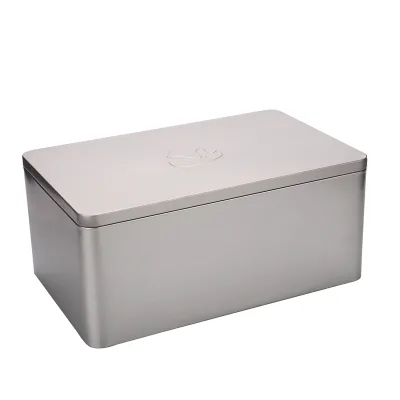
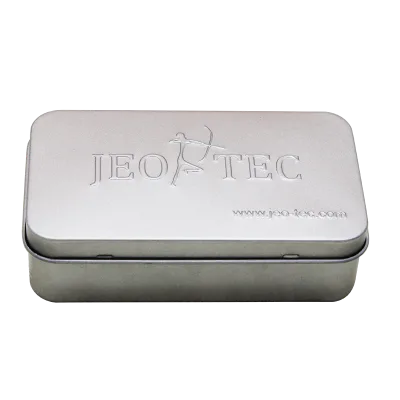
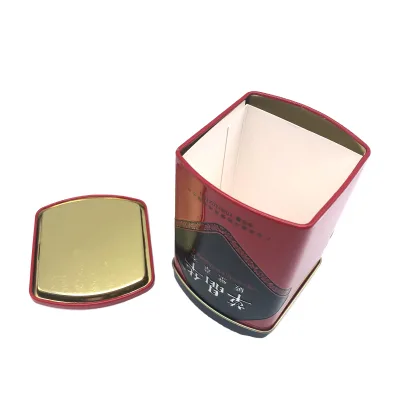
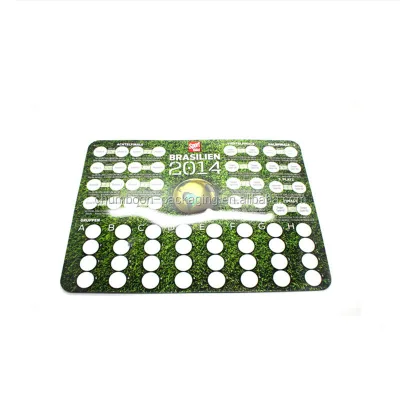
High Quality Metal Tinplate Printing for Metal Can Printed Tinplate Offset Printing
$0.10 - $0.80
MOQ: 5000 Minimum
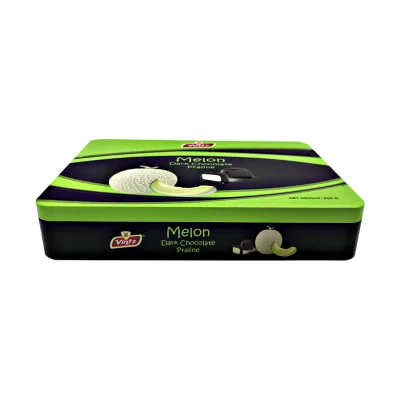
High Quality Tinplate Metal Box Custom Logo Printing Custom Size Tin Packaging
$0.26 - $0.82
MOQ: 5000 Minimum


Comprehensive Sourcing Guide
Strategic Sourcing Guide for Printed Medical Tinplate
The procurement of Printed Medical Tinplate requires a rigorous understanding of material science, regulatory compliance, and supply chain logistics. This guide synthesizes observed market data and technical specifications to assist buyers in navigating the complex landscape of medical-grade metal packaging. The focus remains on evidence-based attributes, ensuring that procurement decisions are grounded in verified product characteristics rather than unverified marketing claims.
Technical Specifications and Material Composition
The foundation of any successful procurement strategy for medical tinplate lies in the precise definition of technical specifications. Based on available market data, the core material is consistently identified as tinplate, often specified with a thickness of 0.23mm. This specific gauge is critical for balancing structural integrity with the need for lightweight packaging in medical contexts. The material composition involves a tin coating applied to a steel base, providing the necessary corrosion resistance required for sterile environments.
Surface finishing is a primary differentiator in this category. The observed market data indicates a preference for glossy surface finishes, which not only enhance aesthetic appeal but also facilitate easier cleaning and sterilization processes. The coating process is highly specific, with observed variations including 5.6/5.6, 2.8/2.8, and 2.8/5.6. These numerical designations likely refer to the coating weight or thickness on specific sides of the tinplate, a critical parameter for buyers to verify against their specific containment requirements.
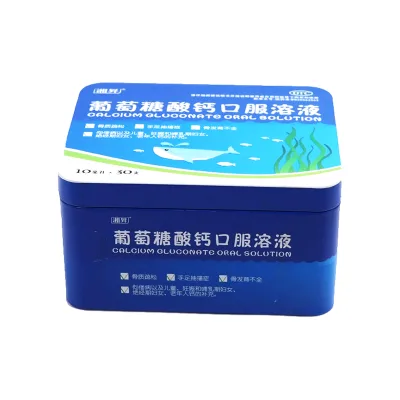
Printing capabilities are equally vital for medical applications where labeling and traceability are mandatory. The standard printing method observed is offset lithography, utilizing CMYK 4-color offset printing. This technique allows for high-resolution graphics and precise color matching, essential for medical branding and safety instructions. The printing process is often customized, with options for custom logos and colors. Buyers must ensure that the printing ink used is compatible with the intended medical environment, although specific ink formulations are not universally standardized in the provided data.
Compliance, Certification, and Regulatory Standards
Navigating the regulatory landscape is perhaps the most critical aspect of sourcing medical tinplate. The industry demands adherence to strict standards to ensure patient safety and product integrity. The supplied data highlights a convergence of international and regional standards, including BS (British Standards), DIN (German Institute for Standardization), GB (Chinese National Standards), and JIS (Japanese Industrial Standards). These standards dictate the mechanical properties, chemical composition, and dimensional tolerances of the tinplate.
Certification plays a pivotal role in supplier validation. ISO 9001 is a frequently cited certification, indicating that the manufacturer maintains a quality management system capable of consistently providing products that meet customer and regulatory requirements. Additionally, the presence of SGS certification suggests third-party verification of product quality and safety. However, buyers must exercise caution; while these certifications are listed as observed facts, they do not automatically guarantee that every specific SKU or batch meets the rigorous demands of medical device regulations without further verification.
The "Medical" application attribute explicitly categorizes these products for healthcare use. This classification implies that the tinplate must meet higher hygiene and safety thresholds compared to general industrial packaging. Buyers should verify that the specific tinplate variants they select are tested for biocompatibility and chemical migration, ensuring that the metal and the printing inks do not leach harmful substances into the medical contents. The data also mentions "Recycled Materials" as a feature for some variants, which introduces a complexity regarding purity and contamination control that must be addressed in the supplier's quality assurance protocol.
Cost Drivers and Economic Parameters
Understanding the cost structure of Printed Medical Tinplate is essential for budgeting and negotiation. The observed price range in the market is extensive, spanning from $0.01 to $3,500 USD. This wide variance is not indicative of a single product type but rather reflects the diversity of order volumes, customization levels, and packaging formats. The lower end of the spectrum likely corresponds to small-scale, standard configurations, while the upper end may involve large industrial orders or highly specialized, custom-engineered solutions.
Minimum Order Quantity (MOQ) is a significant cost driver. The observed MOQ ranges from 1 to 100,000 units, with a specific data point highlighting an MOQ of 5,000 pieces for certain models. This suggests that economies of scale are heavily leveraged in this industry. Buyers purchasing smaller quantities may face higher unit costs or may need to pay a premium for setup fees associated with custom printing and tooling. Conversely, large-volume orders can significantly reduce the per-unit cost, making the 5,000-piece threshold a strategic benchmark for cost optimization.
Other economic factors include the coil weight and dimensions. Observed coil weights range from 2 to 8 tons, with coil IDs of 508mm or 610mm. These large-scale inputs indicate that the manufacturing process is optimized for high-volume production runs. The "Export Standard Packing" requirement adds to the logistical cost, ensuring that the tinplate arrives in pristine condition, free from damage during transit. Buyers should also consider the "Single gross weight" of individual packages, which ranges from 0.050 kg to 0.05 kg for smaller items, influencing shipping costs and handling requirements.
Typical Applications and Functional Design
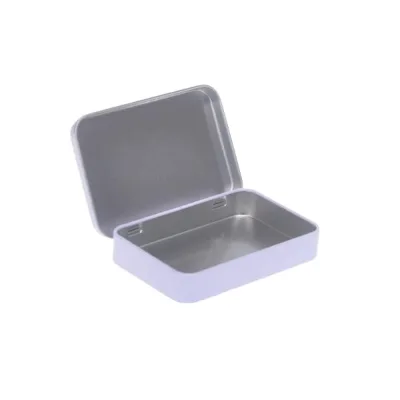
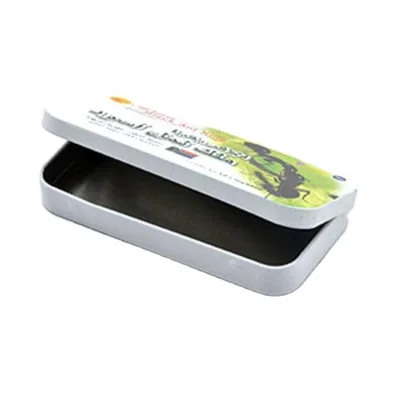
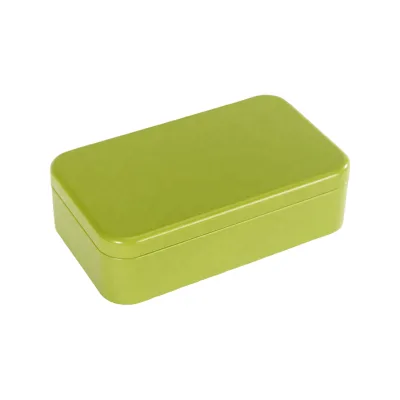
The versatility of Printed Medical Tinplate allows for a wide array of applications within the healthcare sector. The primary industrial use identified is "tin packaging," which encompasses a broad spectrum of medical storage needs. Specific product models, such as the JY-HT-53 and JY-HT-54, illustrate the diversity in design. These models feature rectangular shapes and hinged structures, suitable for holding small medical instruments, diagnostic kits, or pharmaceutical samples.
Volume capacity is another key functional parameter. Observed volumes range from 50 mL to 150 mL, catering to different storage requirements. The 50 mL variant is ideal for small, single-use items or samples, while the 150 mL option provides more substantial storage for larger kits or bulk supplies. The dimensions of these packages, such as 1156013mm or 10X6.5X1.8 cm, are designed to maximize space efficiency in medical storage cabinets and transport containers.
The customization options extend to the physical structure and branding. Buyers can request custom logos, colors, and shapes, allowing medical facilities to maintain a cohesive brand identity. The "Hinged Tin Box" structure is particularly notable for its durability and ease of access, making it suitable for repeated use in clinical settings. The "Rectangle" shape is standard, but the ability to customize the logo and color ensures that the packaging can be tailored to specific medical protocols or hospital branding guidelines.
Supplier Evaluation and Geographic Considerations
Evaluating suppliers requires a multi-faceted approach that considers geographic origin, production capabilities, and quality assurance. The observed data points to three primary regions of origin: Shandong, Anhui, and Guangdong in China. Each of these regions has its own industrial strengths and supply chain characteristics. Shandong is known for its heavy industrial base, while Guangdong is often associated with high-tech manufacturing and export-oriented production. Anhui represents a growing hub for packaging materials.
When selecting a supplier, buyers should verify the "Place of Origin" against their specific logistical needs. The proximity of the supplier to major ports can influence lead times and shipping costs. Furthermore, the "Customization" availability is a critical factor. Suppliers must demonstrate the ability to handle custom orders, including specific printing requirements and structural modifications. The "Sample" attribute indicates that suppliers should be willing to provide existing samples for evaluation, allowing buyers to assess the quality of the tinplate, the finish of the printing, and the durability of the packaging before committing to a large order.
The "Brand Name" JYZG is observed in the data, but buyers should not rely on a single brand. Instead, they should focus on the supplier's overall capability to meet the technical and compliance requirements. The ability to provide "Existing Sample" and "Customized Logo" options suggests a flexible manufacturing process, but buyers must ensure that the customization does not compromise the structural integrity or the medical-grade safety of the product.
Quality Control and Long-Term Procurement Strategy
Implementing a robust quality control (QC) protocol is non-negotiable for medical tinplate procurement. The "ISO SGS" and "ISO9001" certifications provide a baseline for quality management, but buyers must go further. Regular audits of the manufacturing process, including checks on the coating thickness (5.6/5.6, 2.8/2.8, etc.) and the adhesion of the printing ink, are essential. The "Surface Handling" and "Printing Handling" processes must be monitored to ensure consistency and to prevent defects that could compromise the sterility of the medical contents.
Long-term procurement considerations involve building a sustainable relationship with suppliers who can scale with the buyer's needs. The "Custom Order" acceptance indicates that suppliers are capable of adapting to changing requirements, but buyers should establish clear communication channels for future orders. The "Export Standard Packing" ensures that the product remains protected during transit, but buyers should also consider the environmental impact of the packaging, especially given the "Recycled Materials" feature observed in some products.
In conclusion, sourcing Printed Medical Tinplate is a complex endeavor that requires a deep understanding of technical specifications, regulatory compliance, and supply chain dynamics. By focusing on verified attributes such as material thickness, coating standards, and certification status, buyers can make informed decisions that ensure the safety and efficacy of their medical products. The wide range of customization options and the diverse geographic origins of suppliers offer flexibility, but the key to success lies in rigorous evaluation and continuous quality assurance.
FAQs
What standards apply to Printed Medical Tinplate?
Printed Medical Tinplate adheres to BS, DIN, GB, and JIS standards. These standards define mechanical properties and chemical composition. Buyers must verify that specific batches meet these regional requirements for medical device compliance.
Can I customize the logo and color on tinplate?
Custom logos and colors are available for Printed Medical Tinplate. Suppliers offer CMYK 4-color offset printing to match brand identity. This customization allows medical facilities to maintain cohesive branding on their packaging.
What is the minimum order quantity for tinplate?
The minimum order quantity is typically 5000 pieces for specific models. However, general market ranges extend from 1 to 100000 units. Buyers should confirm the exact MOQ with the supplier before placing an order.
How is the surface of medical tinplate finished?
The surface finish is typically glossy to facilitate cleaning and sterilization. The coating process uses specific weights like 5.6/5.6 or 2.8/5.6. This finish ensures the material remains durable in sterile medical environments.
Which certifications do medical tinplate suppliers hold?
Suppliers often hold ISO 9001 and SGS certifications. These indicate a quality management system capable of consistent product delivery. Buyers should verify that these certifications apply to the specific medical-grade batches they intend to purchase.
What are the typical dimensions of tinplate packaging?
Typical dimensions include sizes like 115 by 60 by 13 mm or 10 by 6.5 by 1.8 cm. The material thickness is commonly 0.23 mm. These dimensions support volumes ranging from 50 mL to 150 mL for medical storage.
Where are Printed Medical Tinplate products manufactured?
Products originate from regions like Shandong, Anhui, and Guangdong in China. Each region offers different industrial capabilities and supply chain advantages. Buyers should consider the place of origin when planning logistics and lead times.