Source Printed Hollow Filament Coral Fleece for Travel, Home, Hotel
Explore 30 listings for Printed Hollow Filament Coral Fleece suitable for travel, home, and hotel applications. Buyers can compare specifications such as GSM, width, and packing options to find the right material for blankets, interlining, or upholstery.
Key considerations
Products List


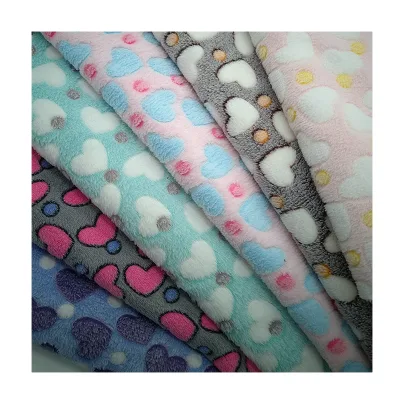


Extra Soft Polyester Printed Coral Fleece Ideal for Robe, Pajama, Blanket, etc.
$2.30 - $2.80
MOQ: 2000 Meters


Breathable 100% Polyester Laminated Soft Coral Fleece Fabric for Bedding
$1.50 - $2.50
MOQ: 2000 Meter


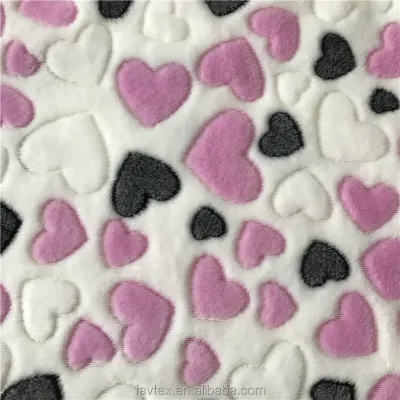


Comprehensive Sourcing Guide
Strategic Sourcing Guide for Printed Hollow Filament Coral Fleece
Technical Specifications and Material Composition
When sourcing Printed Hollow Filament Coral Fleece, the primary objective is to identify materials that balance thermal retention with lightweight comfort. The core material composition for this category is consistently 100% Polyester, often specified as Chemical Fibre Blanket material in supplier listings. The hollow filament technology is critical for this application, as it traps air within the fiber structure to enhance insulation without adding excessive weight. Buyers should verify the yarn count, which typically ranges around 150d/288f in high-quality variants, ensuring the filament structure is robust enough to maintain the "hollow" integrity during the knitting process.
The production technique for these fabrics is predominantly knitted, specifically utilizing stitch knitting or warp knitting methods. This construction method is essential for achieving the characteristic soft hand feel and the specific pile structure associated with coral fleece. The fabric weight is a significant variable in this category, with observed standards ranging from 180gsm to 350gsm, and specific listings noting ranges between 200-400gsm. The width of the fabric is another critical specification, commonly available in standard widths of 50/52 inches, though custom widths such as 150cm, 200cm, or 220cm are frequently offered to accommodate different manufacturing needs.
The surface finish and pattern application are equally vital. The material supports various printing techniques, including digital and rotary printing, allowing for complex designs ranging from plain styles to customized patterns. The fabric is often described as having an anti-pilling property, which is a key performance indicator for longevity. When evaluating technical data sheets, procurement teams must look for confirmation of the "hollow" aspect, which distinguishes this product from standard fleece. The thickness is generally classified as lightweight, making it suitable for applications where bulk is undesirable. Buyers should also note that the fabric is often supplied in a rolled format, sometimes with a plastic bag outside or within a woven bag, to protect the pile during transit.
Compliance, Certification, and Safety Standards
In the global textile market, compliance with safety and environmental standards is non-negotiable, particularly for products intended for home use, bedding, or direct skin contact. For Printed Hollow Filament Coral Fleece, the most relevant certifications to verify are the Oeko-Tex Standard 100 and the Global Organic Textile Standard (GOTS). These certifications ensure that the fabric is free from harmful substances and meets strict ecological criteria. While some suppliers may list these certifications, buyers must treat them as observations requiring verification rather than automatic guarantees, as certification status can vary by production batch and specific factory line.
The origin of the product is a significant factor in compliance. The majority of these fabrics originate from China, with specific manufacturing hubs noted in Zhejiang and Qingdao. Sourcing from these regions requires a thorough understanding of local export standards and the specific regulatory environment. Buyers should request valid, up-to-date certificates of analysis for every batch, ensuring that the chemical treatments used in the printing and dyeing processes (noted as "Dying" in some listings) meet international safety limits. The term "Dying" suggests specific chemical applications that must be scrutinized for compliance with REACH or similar regulations depending on the destination market.
Furthermore, the supply type is often "Make-To-Order," which implies a customized production run. This model requires a higher level of due diligence regarding the supplier's ability to maintain consistent quality control across different batches. The presence of OEM (Original Equipment Manufacturer) orders indicates that the supplier is capable of customizing the product to meet specific buyer requirements, but this also necessitates clear communication regarding material safety. Buyers should verify that the "Anti-pilling" attribute is backed by standardized testing results, as this claim often relies on specific mechanical tests that vary by region. Without concrete test data provided in the listing, the buyer must request independent lab reports to confirm that the fabric meets the necessary safety thresholds for the intended application, whether it be for home textiles, hotel linens, or garment interlining.
Cost Drivers and Pricing Dynamics
Understanding the cost structure of Printed Hollow Filament Coral Fleece is essential for effective budgeting and negotiation. The price range observed in the market is broad, spanning from $1 to $3,100, which reflects the variability in order volume, customization level, and fabric weight. The Minimum Order Quantity (MOQ) is a primary driver of unit cost, with observed ranges from 1 unit up to 2,000 units. However, for bulk industrial orders, the MOQ is often specified in weight, such as 500KG, which can significantly impact the per-unit price calculation. Buyers seeking lower unit costs must be prepared to meet higher volume thresholds, while those requiring small batches should anticipate higher per-unit prices.
The supply ability of the manufacturer is another critical cost factor. Listings indicate a massive supply capacity, such as 2,500,000,000 kilograms per year, suggesting that large-scale production is feasible. However, the actual lead time and production scheduling depend on the specific "Make-To-Order" nature of the request. Customization of patterns, colors, and sizes adds complexity to the production process, which inevitably increases costs. The "Small Orders Accepted" attribute suggests flexibility, but this flexibility often comes with a premium.
Packaging details also influence the final landed cost. Options include roll packing with plastic bags, polybags with woven bags, or cartons. The choice of packaging affects shipping efficiency and protection costs. For instance, "Import and export volume standard packing" may be more expensive than basic roll packing but offers better protection against moisture and damage during long-haul transit. Payment terms, typically T/T (Telegraphic Transfer), are standard, but the specific terms negotiated can affect cash flow and overall financial planning. Buyers should analyze the total cost of ownership, including the potential for waste due to customization errors or the cost of rework if the "Anti-pilling" claim is not met, rather than focusing solely on the base price per meter or kilogram.
Typical Applications and Usage Scenarios
Printed Hollow Filament Coral Fleece is a versatile material with a wide array of applications across multiple industries. The primary usage categories include travel, home, and hotel environments. In the home sector, the fabric is extensively used for blankets, throws, and home decor items. Its lightweight and warm properties make it ideal for winter bedding, where the hollow filament structure provides insulation without the heaviness of traditional wool or cotton blends. The "Printing Pattern" and "Customized Patterns" capabilities allow for creative designs that appeal to consumer markets, making it a popular choice for decorative throws and seasonal bedding collections.
Beyond residential use, the material is highly valued in the hospitality industry for hotel linens. The durability and softness of the fabric, combined with its anti-pilling characteristics, ensure that hotel blankets maintain their aesthetic appeal even after repeated washing and use. The fabric is also suitable for industrial applications, including use as interlining in garments, upholstery for sofas, and even in hospital settings where comfort and hygiene are paramount. The "Use" attribute lists a comprehensive range of applications, including mattress covers, curtains, and accessories, highlighting its adaptability.
For garment manufacturers, the fabric serves as a high-quality lining or outer material for winter clothing. The "Knitted Type: Warp" and "Stitch knitting" methods provide the necessary drape and flexibility for garment construction. The "Age Group: Adults" specification suggests a primary focus on adult apparel and home goods, though the material's properties can be adapted for other demographics. The "Plain" and "Printing" styles offer versatility for different design aesthetics, from minimalist corporate uniforms to vibrant fashion statements. Buyers should consider the specific end-use when selecting the GSM and width, as a 270gsm fabric might be ideal for a heavy winter blanket but too bulky for a lightweight garment lining.
Supplier Evaluation and Sourcing Strategy
Evaluating suppliers for Printed Hollow Filament Coral Fleece requires a multi-faceted approach that goes beyond price comparison. The first step is to verify the supplier's location and origin. With major production hubs in Zhejiang and Qingdao, China, buyers should confirm the specific factory location to assess logistics and potential tariff implications. The "Small Orders Accepted" attribute is a positive indicator of supplier flexibility, but it should be balanced against the supplier's ability to handle larger "Make-To-Order" projects efficiently.
Buyers must scrutinize the supplier's production capabilities, specifically their knitting methods and printing technologies. The presence of "Stitch knitting" and "Warp" knitting capabilities is essential for producing high-quality coral fleece. Additionally, the ability to offer "Customized Patterns" and "OEM Order" services indicates a mature supply chain capable of meeting specific design requirements. The "Supply Type: Make-To-Order" suggests that the supplier is not a stockist but a manufacturer, which can be beneficial for customization but requires careful management of lead times and quality control.
Certification status is a critical differentiator. While some listings mention Oeko-Tex Standard 100 and GOTS, buyers should treat these as claims that require validation. Requesting current certificates and checking their validity with the issuing bodies is a necessary step. The "Anti-pilling" attribute should also be verified through independent testing, as this is a common performance claim that can vary significantly between batches. Finally, the payment terms and packaging details should be clearly defined in the contract to avoid disputes. A reliable supplier will provide transparent information regarding their "Single package size" and "Packing Details," ensuring that the product arrives in optimal condition.
Quality Control and Long-Term Procurement Considerations
Maintaining consistent quality in Printed Hollow Filament Coral Fleece requires a robust quality control (QC) framework. The "Anti-pilling" attribute is a key quality metric that must be monitored throughout the production process. Buyers should establish clear acceptance criteria for pilling resistance, potentially referencing standardized test methods to ensure consistency. The "Weight" range of 180-350gsm must be strictly controlled, as deviations can affect the thermal properties and drape of the final product. Regular inspections of the fabric width, thickness, and print alignment are essential to prevent defects that could lead to customer returns.
Long-term procurement considerations involve building a sustainable relationship with suppliers who can deliver consistent quality over time. The "Supply Ability" of 2.5 billion kilograms per year indicates that large-scale suppliers have the capacity to support long-term contracts, but buyers must ensure that quality does not degrade as volume increases. The "Customization" aspect requires a collaborative approach, where the buyer and supplier work closely to refine designs and materials. The "Sample" availability, such as A4 size samples, is a valuable tool for initial quality assessment before committing to large orders.
Furthermore, the "Product name" and "Model Number" variations (e.g., KA-001-#7155, 1-1, l-1) highlight the need for precise specification management. Buyers should maintain a detailed database of approved samples and specifications to ensure that future orders match the initial quality standards. The "Payment" terms, typically T/T, should be structured to protect both parties, perhaps using milestone payments linked to QC checkpoints. By focusing on these long-term strategies, buyers can mitigate risks associated with quality fluctuations and ensure a steady supply of high-performance Printed Hollow Filament Coral Fleece for their specific needs.
FAQs
What material is used for Printed Hollow Filament Coral Fleece?
The material is 100% Polyester, often classified as Chemical Fibre Blanket material. This composition ensures the hollow filament structure traps air for insulation while maintaining a lightweight feel suitable for winter use.
Which certifications verify safety for this fabric?
Some listings include Oeko-Tex Standard 100 and GOTS certifications to ensure safety. Buyers must verify these claims with current certificates as status can vary by production batch and specific factory lines.
How is the fabric weight and width specified?
Weight standards range from 180gsm to 350gsm, with some listings noting 200-400gsm. Widths are commonly 50/52 inches, though custom options like 150cm, 200cm, or 220cm are frequently offered for specific needs.
Can I order small quantities of this fabric?
Yes, small orders are accepted by some suppliers despite bulk MOQs like 500KG. This flexibility often comes with a premium price, so buyers should confirm specific terms before placing an order.
What are the primary applications for this material?
It is widely used for travel, home, and hotel blankets, as well as interlining and upholstery. The anti-pilling property makes it durable for repeated washing in hospitality and residential settings.
How is the fabric typically packed for shipment?
Packaging options include roll packing with plastic bags, polybags with woven bags, or cartons. Import and export volume standard packing is also available to ensure protection during long-haul transit.
What knitting methods are used for this product?
The fabric is produced using stitch knitting or warp knitting techniques. These methods create the characteristic soft hand feel and specific pile structure required for high-quality coral fleece.