Source Printed Hoody for Racing, Basketball, and Tennis
Find 30 Printed Hoody options from Nanchang and Hebei suppliers featuring cotton or polyester blends. Buyers can compare OEM services, digital printing methods, and sizes ranging from S to L for winter and autumn sports use.
Key considerations
Products List





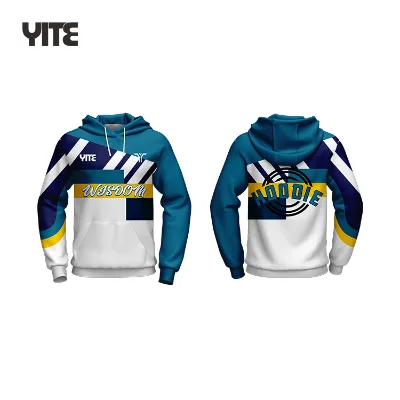


Oversized Fashion Printed Hoodies OEM Custom Size 80% Cotton 20% Polyester Hoodies
$6.90 - $10.90
MOQ: 1000 Pieces


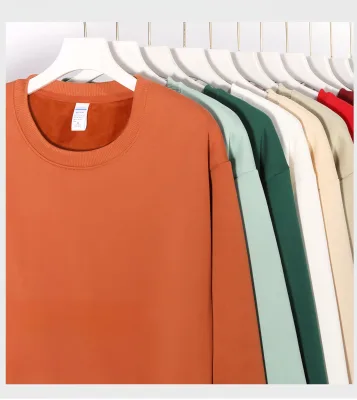


Comprehensive Sourcing Guide
Strategic Sourcing Guide for Printed Hoody Procurement
Navigating the global market for printed hoodies requires a disciplined approach that balances aesthetic customization with rigorous supply chain verification. For buyers seeking to source Printed Hoody products, the primary challenge lies in distinguishing between generic inventory and tailored manufacturing capabilities. The available data indicates a diverse landscape where products range from casual streetwear to specialized athletic gear. This guide provides a structured framework for evaluating suppliers, understanding technical specifications, and ensuring compliance without relying on unverified claims.
Technical Specifications and Material Composition
The foundation of a successful procurement strategy begins with a precise understanding of the product's physical attributes. In the current market, Printed Hoody offerings are not monolithic; they vary significantly in material composition, which directly impacts performance, durability, and end-use suitability. Analysis of available product data reveals that Cotton is a primary material, often cited as a standalone component. However, a significant segment of the market utilizes a blend of Polyester Or Cotton. This hybrid approach is common for balancing the breathability and comfort of natural fibers with the durability and moisture-wicking properties of synthetic blends.
When evaluating technical specifications, buyers must scrutinize the Fabric Weight. One observed specification indicates a weight of 200 Grams, which suggests a mid-weight garment suitable for transitional seasons or layered winter wear. This metric is critical for determining the thermal properties of the final product. Furthermore, the Fabric Type is identified as Woven, which distinguishes these items from knitted alternatives and implies a specific drape and structural integrity.
The Fit Type is another vital technical parameter. Data points to a Regular Fit as a standard offering, catering to a broad demographic. However, customization is explicitly Available, allowing buyers to specify Length variations, such as Regular or potentially extended cuts, depending on the target market's preference. The Sleeve Style is generally noted as Regular, but the Closure Type is predominantly Zipper, facilitating ease of wear and ventilation control. The Collar design is consistently Hooded, aligning with the core product definition.
Customization Capabilities and Design Attributes
The "printed" aspect of the Printed Hoody is a key differentiator in this category. The market supports a wide array of design methodologies. Digital Printing and Puff Printing are the primary Printing Methods observed. These techniques allow for high-fidelity reproduction of complex graphics, which is essential for brands focusing on Graphic patterns or specific Print designs. The Pattern Type is frequently listed as Print, indicating that the visual design is applied to the surface rather than woven into the fabric.
For buyers seeking unique branding, the Logo position is a customizable element, with Front placement being a common default. However, the flexibility of the supply chain suggests that other positions may be negotiated. The Style of these garments often leans towards Causal (Casual) and Streetwear, making them versatile for urban fashion markets. The Season suitability is broad, with specific listings targeting Winter and Autumn, suggesting that the material weight and design are optimized for cooler temperatures.
Crucially, the supply chain supports OEM&ODM services, meaning suppliers are willing to accommodate original equipment manufacturing and original design manufacturing requests. This is reinforced by the Supply Type being listed as Oem Service. The Customization attribute is marked as Available, confirming that buyers can request changes to colors, sizes, and design elements. The Gender classification is often Unisex, expanding the potential customer base and simplifying inventory management for retailers.
Compliance, Standards, and Certification Verification
In the realm of B2B procurement, verifying compliance is as important as the product itself. While the market offers products with various standards, buyers must exercise caution regarding certification claims. The provided data mentions SGS as a product standard, which is a reputable third-party inspection and testing organization. This suggests that some suppliers in this category may have undergone specific quality checks. However, it is essential to note that GOTS (Global Organic Textile Standard) is listed only as low-confidence background information and should not be assumed as a verified attribute for any specific product without direct confirmation.
Buyers should not rely on general market assertions for certification status. Instead, the procurement process must include a direct request for valid, current certificates. If a supplier claims compliance with SGS, the buyer should ask for the specific test report number and verify the scope of that certification. Similarly, any claims regarding material safety, chemical restrictions, or organic content must be backed by documentation from the specific batch being supplied. The prod_standard field in some listings contains numerical data like 35455, which appears to be a dimensional specification rather than a regulatory standard, highlighting the need for buyers to distinguish between physical dimensions and compliance metrics.
Cost Drivers and Pricing Dynamics
Understanding the cost structure of Printed Hoody procurement is essential for budgeting and margin analysis. The observed listed price range in the market spans from 1.1 to 45 USD. This wide variance is driven by several factors, including material quality, printing complexity, order volume, and customization level. A product priced at the lower end of the spectrum likely utilizes standard materials and minimal customization, while those at the higher end may feature premium blends, advanced printing techniques like puff print, or complex design work.
The MOQ (Minimum Order Quantity) is another significant cost driver. The observed range is 1 to 1000, indicating a highly flexible market. Suppliers with an MOQ of 1 are likely catering to sample orders or small-batch startups, whereas those requiring 1000 units are geared towards large-scale manufacturing. Buyers must align their order volume with the supplier's capacity to negotiate favorable unit prices. Additionally, the Single gross weight of 1.100 kg and Single package size of 27X20X3 cm are critical for calculating shipping costs, which can significantly impact the landed cost of the goods.
Supplier Evaluation and Operational Capabilities
Selecting the right supplier requires a deep dive into their operational capabilities and logistical support. The data indicates that Free Sample availability is Acceptable&Negotiable, which is a positive indicator for quality assurance before committing to a large order. Buyers should leverage this to verify the actual Fabric Weight, Print Quality, and Fit Type firsthand. The 7 days sample order lead time is a specific metric provided, suggesting that some suppliers can deliver prototypes quickly, which is advantageous for time-sensitive product launches.
Geographic origin is another factor in supplier evaluation. The prod_origin is listed as Nanchang, Jiangxi Province and Hebei, China, with a general Place of Origin of China. These regions are known for textile manufacturing, but buyers should verify the specific factory location to assess logistics and potential tariffs. The Package details, such as Polybag or One Piece/Set Per OPP, are standard but must be confirmed to ensure they meet the buyer's retail requirements.
Quality Control and Inspection Protocols
Quality control (QC) is paramount when sourcing Printed Hoody products, especially given the variability in Printing Methods. Buyers should establish clear acceptance criteria for Digital Printing and Puff Printing quality. This includes checking for color fastness, adhesion of the print, and the absence of cracking or peeling after washing. The Design attribute of being Unlined is a specific feature that must be verified during the inspection phase to ensure it matches the product description.
Inspection should also cover the Closure Type (Zipper) functionality, ensuring smooth operation and durability. The Fit Type and Length must be measured against the provided size specifications, such as L and S, to ensure consistency across the batch. Given the Usage categories which include Ball Sports, Racing, Basketball, and Tennis, the garments must withstand physical activity. This implies that the Woven fabric and stitching quality must be robust enough to handle movement without tearing or excessive stretching.
Long-Term Procurement and Supply Chain Resilience
For buyers looking to establish a long-term relationship, the Supply Type and OEM&ODM capabilities are key indicators of a supplier's flexibility. A supplier that welcomes OEM&ODM is better positioned to adapt to changing market trends, such as shifts in Season demand or evolving Style preferences like Streetwear. The Customization availability allows for brand differentiation, which is crucial for building a loyal customer base.
Buyers should also consider the Lead Time for production beyond the sample phase. While the sample lead time is noted as 7 days, the full production lead time will depend on the MOQ and the complexity of the Print. Establishing a clear communication channel regarding production schedules is essential to avoid delays. Finally, the Brand Name being listed as OEM suggests that the supplier is accustomed to producing private label goods, which is ideal for buyers who do not wish to be associated with the manufacturer's brand.
Comparative Analysis of Product Attributes
To facilitate decision-making, the following table summarizes key attributes observed in the market for Printed Hoody products. This comparison highlights the variability in specifications that buyers must navigate.
| Attribute Category | Observed Options | Procurement Consideration |
|---|---|---|
| Material | Cotton, Polyester Or Cotton | Verify blend ratios for performance needs. |
| Printing Method | Digital Printing, Puff Printing | Assess durability and visual impact. |
| Season | Winter, Autumn | Ensure thermal properties match target climate. |
| Fit Type | Regular Fit | Confirm sizing charts for target demographic. |
| MOQ | 1 - 1000 | Align order volume with budget and storage. |
| Origin | Nanchang, Jiangxi; Hebei, China | Factor in logistics and potential tariffs. |
| Sample Lead Time | 7 Days | Plan sampling schedule for product launches. |
| Packaging | Polybag, One Piece/Set Per OPP | Check if packaging meets retail requirements. |
By adhering to these structured evaluation criteria, buyers can mitigate risks and secure high-quality Printed Hoody products that meet their specific business objectives. The market offers significant flexibility, but success depends on rigorous verification of every claim and specification.
FAQs
What materials are used for printed hoodies?
Printed hoodies are primarily made from Cotton or a blend of Polyester and Cotton. This combination balances comfort with durability, suitable for various seasonal needs like winter or autumn wear.
Which printing methods are available for customization?
The available printing methods include Digital Printing and Puff Printing. These techniques support graphic patterns and allow for detailed customization on the front of the garment.
Can I order samples before placing a bulk order?
Yes, free samples are acceptable and negotiable for buyers. Suppliers can often provide these samples within a 7-day lead time to verify quality before committing to larger quantities.
What is the minimum order quantity for these products?
The minimum order quantity ranges from 1 to 1000 units depending on the supplier. This flexibility allows buyers to start with small batches or scale up for mass production.
Where are the manufacturers located?
Manufacturers are located in regions such as Nanchang, Jiangxi Province, and Hebei, China. These origins indicate established textile hubs capable of supporting OEM and ODM services.
What is the typical fabric weight for these hoodies?
The typical fabric weight observed is 200 grams. This mid-weight specification makes the woven fabric suitable for regular fit styles designed for cooler seasons like autumn and winter.