Source Printed Knit Christmas Stocking for home decor, parties, and gifts
Compare 30 Printed Knit Christmas Stocking options from verified suppliers. Buyers can evaluate materials like polyester and fleece, customization services, and pricing ranges from $0.12 to $8.95 for bulk orders.
Key considerations
Products List


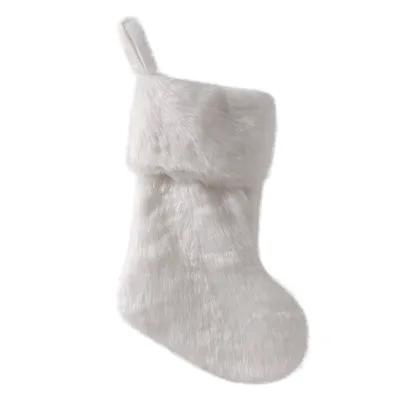


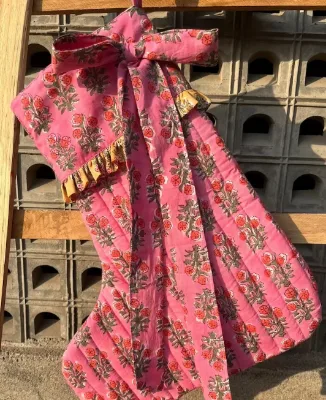
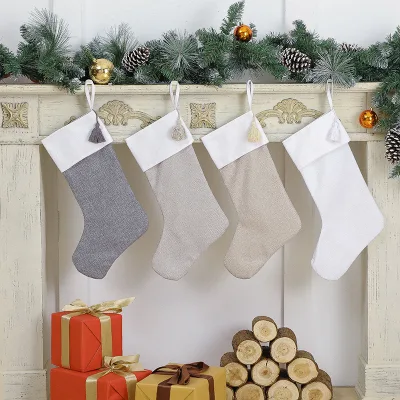
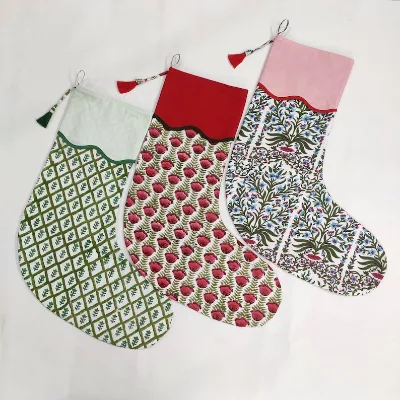

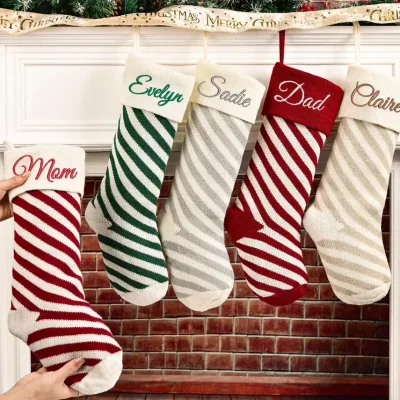
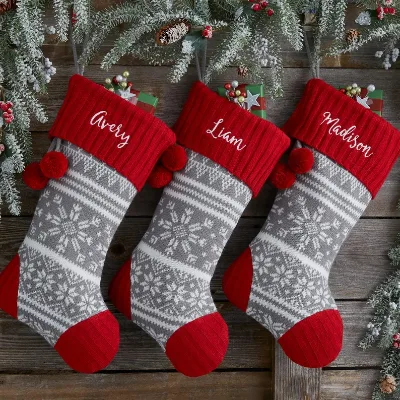


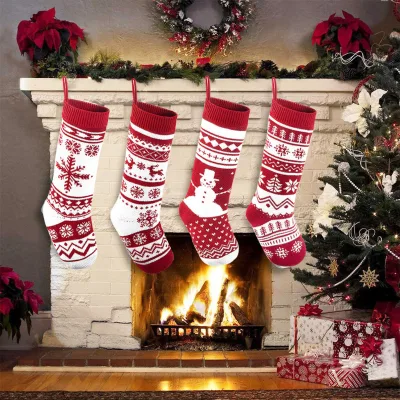

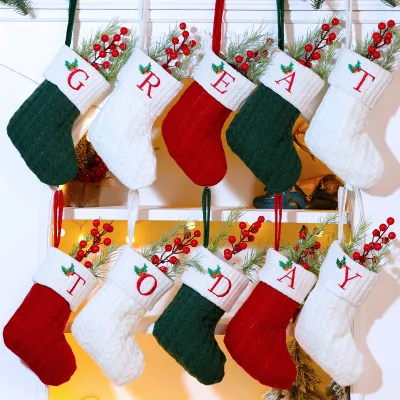


Comprehensive Sourcing Guide
Strategic Sourcing Guide for Printed Knit Christmas Stockings
Navigating the global market for printed knit Christmas stockings requires a disciplined approach that balances aesthetic customization with rigorous supply chain verification. For procurement professionals, the core keyword "Printed Knit Christmas Stocking" represents a category defined by seasonal volatility, diverse material compositions, and complex customization requirements. The following guide synthesizes observed market data and technical specifications to provide a framework for sourcing these decorative items effectively. Buyers must distinguish between generic stock items and OEM/ODM solutions, ensuring that every procurement decision is grounded in verified supplier capabilities rather than marketing assertions.
Material Composition and Technical Specifications
The foundation of a high-quality Christmas stocking lies in its material composition and physical specifications. Market observations indicate that the primary materials for this category include fabric, polyester, and fleece. Polyester is frequently cited as a dominant component, offering durability and color retention essential for festive decorations. The "knit" aspect of the core keyword suggests a specific manufacturing process that allows for flexibility and stretch, which is critical for the stocking's ability to hold gifts. However, buyers must verify if the "knit" refers to a true knitted structure or a woven fabric designed to mimic one, as this impacts the final texture and durability.
Technical specifications vary significantly across listings. The standard thickness is often described as "Standard," but this is a relative term that requires physical verification. Dimensions are equally critical; one observed specification lists a standard size of 17 inches, while another notes a single package size of 20x20x4 cm. These discrepancies highlight the necessity for buyers to define precise dimensional requirements in their purchase orders. The model numbers observed, such as X114288, gs02, gcs01, pst11, and s, serve as unique identifiers for specific product lines. When sourcing, procurement teams should request the specific model number associated with the desired material and size to avoid receiving a product that deviates from the intended aesthetic or functional profile.
Customization Capabilities and Production Standards
Customization is a primary driver for sourcing printed knit Christmas stockings in the B2B sector. The market supports both OEM (Original Equipment Manufacturer) and ODM (Original Design Manufacturer) supply types, allowing brands to either produce based on their own designs or leverage the supplier's existing templates. The "Customized" attribute is frequently listed, indicating that logos, patterns, and colors can be tailored. Specifically, the "Logo" attribute often points to printing methods such as silk screen printing. This method is suitable for durable, high-volume applications but requires precise color separation and setup, which can influence the minimum order quantity (MOQ) and lead time.
The production standards for these items are often described as "customized," meaning there is no single universal standard that applies to every unit. Instead, the standard is defined by the buyer's specific requirements, such as the 17-inch length mentioned in one specification. Buyers must explicitly state their quality benchmarks regarding stitching, print alignment, and colorfastness. The "Pattern" attribute often includes "Embroidered" designs, which can be combined with printed elements. When evaluating a supplier, it is essential to confirm whether the embroidery and printing are applied sequentially or simultaneously, as this affects the structural integrity of the knit fabric. The "Standard" attribute being "customized" implies that the supplier must be willing to adapt their production line to meet specific client needs, rather than offering a rigid, one-size-fits-all product.
Cost Drivers and Pricing Dynamics
Understanding the cost structure of printed knit Christmas stockings is vital for budgeting and margin analysis. The observed price range in the market spans from USD 0.12 to USD 8.95. This wide variance is driven by several factors, including material quality, customization complexity, and order volume. The lower end of the spectrum likely corresponds to basic polyester stock items with minimal customization, while the higher end reflects premium fleece materials, intricate embroidery, and complex silk screen printing setups.
The Minimum Order Quantity (MOQ) is another significant cost driver. The observed MOQ range is 20 to 5000 pieces. Suppliers with an MOQ of 2000 pieces, as noted in specific listings, typically offer lower unit costs due to economies of scale but require a larger capital outlay. Conversely, suppliers accepting small orders may charge a premium per unit to cover setup costs. The "Small Orders: Accepted" attribute suggests flexibility, but buyers should be aware that the unit price will likely be higher for orders below the standard MOQ threshold. Additionally, sample costs, observed at USD 50 and USD 60, represent a non-negotiable upfront expense that must be factored into the total procurement budget. These costs cover the development of prototypes and the verification of print quality before mass production begins.
Supplier Evaluation and Verification Protocols
Evaluating suppliers for Christmas stockings requires a multi-faceted approach that goes beyond price comparison. The "Brand Name" attribute lists entities such as Huijun and Hothome, but buyers should not rely on brand recognition alone. Instead, verification should focus on the supplier's ability to meet specific technical and logistical requirements. Key verification points include the "Place of Origin," which is consistently listed as China, specifically Zhejiang in some cases. This geographic concentration can offer logistical advantages but also requires due diligence regarding regional labor standards and environmental compliance.
The "Supply Type" of OEM and ODM indicates that the supplier has the capacity for custom production. Buyers should request evidence of past projects similar to their requirements, specifically looking for examples of silk screen printing on knit fabrics. The "Application" attribute lists both "Indoor" and "Outdoor" uses, which necessitates a verification of material durability. If the stocking is intended for outdoor use, the buyer must confirm that the polyester or fleece material is treated to resist moisture and UV degradation. Furthermore, the "Power Source" is listed as "Non Power," confirming that these are passive decorative items, but this also means the buyer must ensure the structural integrity of the hanging mechanism, which is often a point of failure in low-quality stockings.
Quality Control and Compliance Considerations
Quality control (QC) is paramount when sourcing printed knit Christmas stockings, particularly given the seasonal nature of the product. The "Sample Time" ranges from 3 to 10 days, depending on the supplier. This timeline is critical for the overall production schedule, as the lead time for mass production is observed to be 25 days. The total timeline from sample approval to delivery must account for the sample time, production lead time, and shipping duration. The "Loading Port" is frequently listed as Shanghai, which is a major hub for international trade, but buyers should verify if this is the primary port or if other ports like Ningbo are available for better logistics.
Compliance checks should focus on the materials used. While specific certifications are not explicitly detailed in the provided data, buyers must ensure that the polyester and fleece materials comply with relevant safety standards for children's products, as the "Suitable for" attribute often includes "Children." This implies a need for non-toxic dyes and secure stitching to prevent choking hazards. The "Standard" attribute being "customized" means that the buyer must define the acceptance criteria for the printed logo and embroidered patterns. Visual inspection for print smudging, color bleeding, and fabric defects should be conducted on pre-production samples. The "Product Packing" specifications, such as "1PC Stocking/Polybag" or "200PCS/CTN," also impact the quality of the product upon arrival, as improper packing can lead to crushing or soiling of the stockings during transit.
Logistics and Long-Term Procurement Strategy
Logistics planning for Christmas stockings is time-sensitive due to the fixed nature of the holiday season. The "Shipment" options are listed as "by Sea or by Air," offering flexibility based on urgency and budget. Sea freight is generally more cost-effective for large volumes but requires earlier planning to ensure arrival before the holiday peak. Air freight is faster but significantly more expensive. The "Lead Time" of 25 days is a baseline that must be added to the sample approval time and shipping duration to determine the final delivery date.
For long-term procurement, buyers should consider the "Customization" availability as a strategic asset. Suppliers that offer both OEM and ODM services can adapt to changing market trends, such as shifts in color palettes or design patterns. The "Model Number" variations (e.g., gs02, gcs01) suggest a modular approach to production, which can facilitate future reorders with slight modifications. However, buyers must maintain strict control over the "Single package size" and "prod_packing" specifications to ensure consistency in their retail packaging. The "Small Orders: Accepted" attribute allows for agile reordering, which is beneficial for testing new designs without committing to large MOQs. Ultimately, a successful sourcing strategy for printed knit Christmas stockings relies on a clear definition of specifications, rigorous supplier verification, and a robust logistics plan that accounts for the seasonal constraints of the market.
FAQs
What materials are used for printed knit Christmas stockings?
The primary materials include fabric, polyester, and fleece. These components offer durability and color retention essential for festive decorations, with polyester being a dominant choice for its ability to maintain shape and print quality during the holiday season.
Can suppliers accept small orders for these stockings?
Yes, small orders are accepted by many suppliers in this category. While standard minimum order quantities can reach 5000 pieces, some vendors allow orders as low as 20 units, though unit prices may be higher for these smaller quantities.
How long does it take to produce a custom order?
The production lead time is typically 25 days after sample approval. Buyers must also account for a sample time of 3 to 10 days and shipping duration, which varies between sea and air freight options from ports like Shanghai.
Which customization options are available for the logo?
Customization is available with options like silk screen printing for logos. Suppliers offer OEM and ODM services, allowing for tailored patterns, colors, and embroidery, with specific model numbers like gs02 or gcs01 serving as unique identifiers for these custom lines.
What is the price range for these Christmas decorations?
The observed price range spans from USD 0.12 to USD 8.95 per unit. This variance depends on material quality, such as fleece versus basic polyester, and the complexity of customization like embroidery or specific printing methods required for the order.
Where are these stockings manufactured and shipped from?
These items originate from China, specifically from regions like Zhejiang. The loading port is frequently listed as Shanghai, with shipment options available via sea or air to accommodate different delivery timelines and budget constraints for international buyers.