Source Printed Insulated Cooler Bag with Shoulder Strap for Picnics, Hiking, and Beach Trips
Find 30 Printed Insulated Cooler Bag with Shoulder Strap options featuring materials like polyester and aluminum foil. Buyers can compare specs such as cold retention time, capacity, and waterproof features from suppliers in China.
Key considerations
Products List


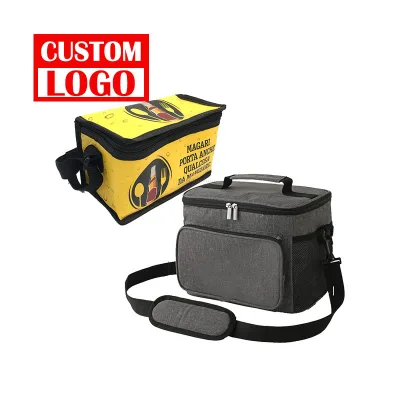


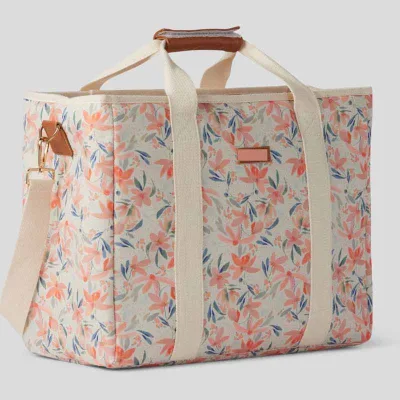

$35.00 - $55.00
MOQ: 500 Pieces


Comprehensive Sourcing Guide
Strategic Sourcing Guide for Printed Insulated Cooler Bags with Shoulder Straps
The global demand for portable thermal storage solutions has surged, driven by the need for efficient food transport, outdoor recreation, and medical logistics. Among these solutions, the printed insulated cooler bag with a shoulder strap represents a versatile category that balances functionality with brand visibility. For B2B procurement professionals, sourcing this specific item requires a disciplined approach that distinguishes between generic thermal containers and high-performance insulated carriers. The following guide outlines the critical technical, compliance, and operational factors necessary to secure a reliable supply chain for these products, based on observed market data and industry standards.
Technical Specifications and Material Composition
The core functionality of an insulated cooler bag relies heavily on its material composition and structural design. In the current market, materials vary significantly, influencing both the thermal retention capability and the durability of the final product. Common outer fabrics include polyester and non-woven materials, which offer a balance of cost and printability for custom branding. However, for applications requiring higher durability or specific environmental resistance, options incorporating 600d polyester with PVC coating are frequently observed.
The insulation layer is the most critical technical component. High-performance bags often utilize aluminum foil as a reflective barrier to block radiant heat, combined with foam layers such as 5mm EPE (Expanded Polyethylene) or neoprene. The thickness of the foam directly correlates with the "cold time," or the duration the bag can maintain low temperatures. Market observations indicate a performance range where some units sustain cold for 4 to 6 hours, while others with enhanced insulation profiles can maintain temperatures for over 6 hours. Buyers must verify the specific foam thickness and layering structure, as a bag with a thin foam layer may fail in long-duration logistics despite having a functional shoulder strap.
The closure mechanism is another vital specification. While zippers are the standard for creating an airtight seal, some designs incorporate a combination of laces and zippers to provide an additional layer of security and insulation. The shoulder strap itself must be evaluated for its load-bearing capacity. Data suggests that typical models in this category are engineered to carry between 3 and 10 kilograms. This range is sufficient for standard grocery runs or picnic loads but requires careful verification if the intended use involves transporting heavy medical supplies or bulk beverage cans.
Compliance, Certification, and Safety Standards
When sourcing printed cooler bags, particularly those intended for food or medical use, compliance with safety standards is non-negotiable. The printing process and the materials used must not introduce harmful substances into the environment or the contents of the bag. Buyers should verify that the products adhere to international safety benchmarks, such as AZO-free requirements, which ensure the absence of harmful azo dyes in the fabric printing.
For products destined for the European and North American markets, compliance with EN71 (safety of toys) and EU/US standards is often a prerequisite, even for non-toy items, as these standards cover heavy metal content like low cadmium levels. If the cooler bag is intended for medical applications, such as transporting vaccines or pharmaceuticals, the absence of ethylene oxide sterilization residues must be confirmed, as some manufacturing processes may involve chemical treatments that leave residues.
Furthermore, the origin of the product plays a significant role in compliance. A significant portion of the market originates from manufacturing hubs in China, specifically regions like Quanzhou. While this location offers competitive pricing and high production capacity, it necessitates rigorous third-party testing to ensure that the specific batch meets the buyer's local regulatory requirements. Buyers should not assume that a supplier's general reputation guarantees compliance for every model; specific test reports for the exact model number, such as those designated by codes like SY-LB0011H or JH8501, should be requested to validate material safety.
Cost Drivers and Pricing Dynamics
The price of a printed insulated cooler bag is influenced by a complex interplay of factors, including material quality, customization complexity, and order volume. The observed price range in the market spans from approximately $0.30 to $55.00 per unit. This wide variance is primarily driven by the choice of materials and the level of thermal performance. A basic non-woven bag with minimal insulation will sit at the lower end of the spectrum, while a heavy-duty neoprene or multi-layered EPE foam bag with a reinforced shoulder strap and high-quality printing will command a premium price.
Order volume is the second major cost driver. Minimum Order Quantities (MOQ) typically range from 50 to 1,000 units. Suppliers often offer tiered pricing structures where the unit cost decreases as the order volume increases. For small businesses or promotional campaigns, suppliers may accept small orders, but the per-unit cost will be higher. Conversely, large-scale procurement can leverage economies of scale to reduce costs significantly.
Customization is a significant cost factor. The ability to print custom logos, designs, or branding on the bag adds to the production cost. The complexity of the print (e.g., full-color vs. single-color) and the method used (screen printing, heat transfer, or digital printing) will impact the final price. Additionally, the gross weight of the product, which can range from less than 0.5 kg to over 1.5 kg depending on the insulation thickness, affects shipping costs. Buyers must factor in the total landed cost, including freight, which is heavily influenced by the weight and volume of the packaging.
Typical Applications and Usage Scenarios
The versatility of the printed insulated cooler bag with a shoulder strap makes it suitable for a diverse array of applications. The primary use cases include food and beverage transport, where the bag keeps items cool during grocery shopping, road trips, or picnics. The shoulder strap design specifically caters to active users who need hands-free transport, making these bags ideal for hiking, beach trips, and outdoor events.
Beyond consumer use, these bags serve critical roles in commercial and medical sectors. They are frequently utilized for transporting cans, wine, and ice cream, ensuring that temperature-sensitive products remain stable during transit. In the medical field, insulated bags are essential for the safe transport of vaccines, blood samples, and other temperature-sensitive medical supplies. The "Cold Time" specification is particularly important here; a bag that only maintains cold for 4 hours may be insufficient for long-distance medical logistics, whereas a model with a cold time exceeding 6 hours is more appropriate for extended transport.
The market also sees these bags used for promotional purposes. Companies often order custom-printed bags to distribute at trade shows or as corporate gifts. The ability to brand the bag effectively while providing a functional utility ensures high retention rates among recipients. Whether for a grocery run or a medical delivery, the bag must be durable enough to withstand repeated use without compromising its thermal integrity.
Supplier Evaluation and Quality Control
Selecting the right supplier requires a thorough evaluation of their capabilities and quality control processes. Buyers should look for suppliers who offer customization options and have a track record of meeting specific model requirements. The presence of specific model numbers, such as SU-CLB-002 or CB121001, indicates a structured production line capable of consistent output.
Quality control should focus on the integrity of the insulation and the durability of the stitching. A common failure point in cooler bags is the separation of the insulation layer from the outer fabric or the failure of the zipper seal. Buyers should request samples to test the "Cold Time" claim under controlled conditions. Additionally, the packing method is a key indicator of quality; products packed individually in polybags and then consolidated into cartons (e.g., 30 pieces per carton) suggest a higher level of care in logistics preparation.
When evaluating suppliers, it is crucial to verify their ability to handle small orders if the buyer's volume is low. Some suppliers explicitly state that small orders are accepted, which can be beneficial for startups or testing phases. However, buyers must ensure that the quality of small orders matches that of large bulk orders. The origin of the product, such as Quanzhou, China, should be verified to ensure that the supplier is a direct manufacturer or a verified trading company with direct access to the factory floor.
Long-Term Procurement Considerations
Sourcing printed insulated cooler bags is not a one-time transaction but a strategic relationship that requires long-term planning. Buyers should consider the scalability of the supplier to meet future demand spikes. A supplier with a robust production capacity can ensure consistent lead times, which is critical for maintaining inventory levels for seasonal promotions or recurring business needs.
Sustainability is an emerging consideration in procurement. While the provided data does not explicitly detail eco-friendly materials, buyers should inquire about the recyclability of the polyester or non-woven fabrics and the environmental impact of the printing inks. As regulations tighten regarding plastic and chemical usage, suppliers who proactively adopt sustainable practices will be better positioned to meet future compliance requirements.
Finally, the total cost of ownership extends beyond the purchase price. Buyers should consider the replacement cycle of the bags. A bag with a higher initial cost but superior durability and thermal performance may offer a lower cost per use over time compared to a cheaper, less durable alternative. By focusing on specifications like bearing capacity, cold time, and material quality, buyers can make informed decisions that align with their long-term operational goals and brand reputation.
FAQs
What materials are used for printed insulated cooler bags?
Common materials include polyester, non-woven fabric, aluminum foil, and neoprene. Some heavy-duty models use 600d polyester with PVC coating and 5mm EPE foam for enhanced thermal retention.
How long can these bags maintain cold temperatures?
Cold retention times vary by model, typically ranging from 4 to 6 hours for standard units. High-performance bags with thicker insulation can maintain temperatures for over 6 hours.
Which closure mechanisms are available for these bags?
Most bags utilize zippers for an airtight seal. Some designs combine laces with zippers to provide an additional layer of security and improved insulation retention.
Can suppliers accept small orders for these products?
Yes, many suppliers accept small orders with Minimum Order Quantities as low as 50 units. However, per-unit costs may be higher compared to bulk purchases of 1000 units.
What is the typical bearing capacity of these shoulder bags?
Typical models are engineered to carry between 3 and 10 kilograms. This capacity is suitable for standard grocery runs, picnics, and transporting beverage cans or food items.
Are these bags suitable for medical or food transport?
Yes, they are designed for food, medical coolers, and beverage transport. Ensure the specific model meets safety standards like AZO-free and low cadmium requirements for such uses.