Source Printing Glitter EVA Foam Sheets for Packaging and Crafts
Find 29 options for Printing Glitter EVA Foam Sheets with customizable sizes and densities. Compare specifications like thickness, hardness, and certifications to select the right material for packaging, mats, or electronic isolation needs; compare the available evidence and request quotations based on your requirements.
Key considerations
Products List


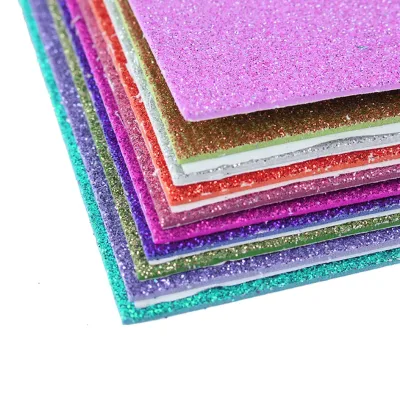
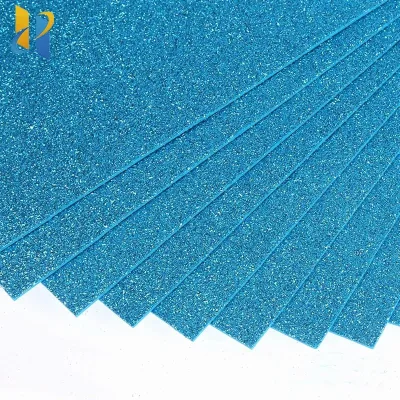
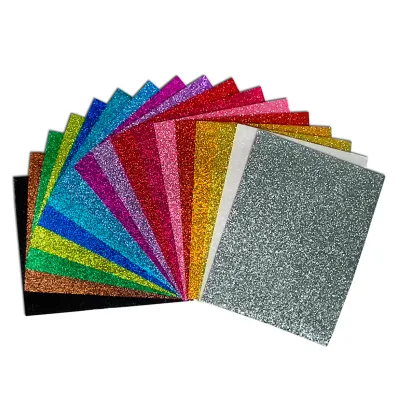
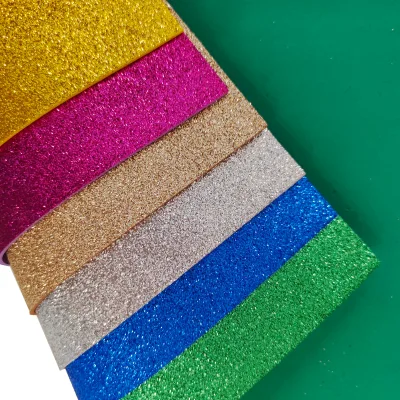
Color Glitter EVA Foam Sheets for DIY/Artcraft/Festival Decoration
$0.45 - $0.55
MOQ: 3000 Square Meters


Comprehensive Sourcing Guide
Printing Glitter EVA Foam Sheets Sourcing Guide
Procuring Printing Glitter EVA Foam Sheets requires distinguishing between generic foam products and specialized decorative variants. The market data indicates a diverse range of offerings, from standard color plastic sheets to specific glitter models like the ANTRIUMPH-GLITTER. Buyers must verify that the supplier explicitly lists glitter finishes, as many listings focus on plain or solid color options. This distinction is critical because the printing process for glitter substrates often demands specific surface treatments to ensure ink adhesion and visual clarity.
Commercial availability varies significantly based on the desired finish and customization level. While some suppliers offer standard sizes like A4 or A5, others provide custom dimensions up to 100mm rolls or specific sheet formats. The presence of customization options suggests flexibility in production, yet buyers should confirm that the glitter effect is integrated into the material rather than applied as a superficial coating that might wear off during printing. Understanding these product nuances prevents mismatches between the ordered aesthetic and the delivered material performance.
Product Scope and Observed Listing Signals
The observed product listings reveal a wide spectrum of physical forms, including sheets, rolls, and molded soles, all categorized under EVA foam. Specific models such as EVS1016 and EVB0408 demonstrate that manufacturers produce distinct variants for different applications, ranging from packaging to electronic isolation. Buyers should scrutinize the "Kind" attribute, which often specifies "Color Plastic Sheet," to ensure the product matches the intended use case for printing. The variety in packing methods, from OPP bags to shrink wrapping, also signals different handling requirements for the finished glitter sheets.
Listing signals regarding size and thickness provide essential clues for production feasibility. Data shows thickness ranges from 1mm to 100mm, with specific models offering widths between 600mm and 1000mm. However, the "Any Size" standard found in some listings requires careful negotiation to ensure the supplier can maintain quality control over non-standard dimensions. Buyers must verify if the glitter finish is consistent across all thicknesses, as thicker foams may require different processing techniques to achieve the desired sparkle without compromising structural integrity.
Technical Specifications to Verify
Technical verification must begin with density and hardness, which directly impact the printability and durability of the foam. The supplied data indicates a density range of 20 to 200kg/M3 and hardness between 20 and 80 degrees, parameters that dictate how the material reacts to cutting and molding. For glitter sheets, a specific hardness level is often necessary to prevent the glitter particles from dislodging during the printing process. Buyers should request test results for tensile strength, which can range from 51 to 80MPa, to ensure the material can withstand the tension of printing machinery without tearing.
Surface texture and processing capabilities are equally critical for achieving high-quality printed results. The surface is described as smooth and elastic, which is ideal for ink transfer, but the specific processing services like cutting and molding must be confirmed for the glitter variant. Some listings mention a "Surfance" that is smooth, yet the presence of glitter may alter the texture. Buyers need to confirm that the supplier can handle the specific surface requirements of glitter EVA, ensuring that the printing process does not damage the decorative layer or cause uneven ink distribution across the sheet.
Compliance and Safety Documentation
Safety compliance is a non-negotiable aspect of sourcing EVA foam, particularly for products intended for consumer use or packaging. The available data lists certifications such as RoHS, Reach, EN71, and ISO/Ts16949, which are essential for verifying that the materials meet international safety standards. Buyers must explicitly request certificates for the specific glitter product line, as additives used to create the glitter effect might introduce different chemical profiles than standard plain EVA. Ensuring these documents are current and specific to the batch prevents regulatory issues in target markets.
Environmental and health standards are particularly relevant given the "Eco-Friendly" feature noted in several listings. While some products claim eco-friendly status, buyers should verify the specific environmental certifications to confirm the absence of harmful substances. The EN71 standard, for instance, is crucial for toys and children's products, while RoHS compliance ensures the material is free from restricted hazardous substances. Without these specific documents, the "Eco-Friendly" claim remains unverified, potentially exposing the buyer to liability if the product fails to meet local environmental regulations.
Cost Drivers and Commercial Terms
Cost structures for Printing Glitter EVA Foam Sheets are heavily influenced by customization and minimum order quantities. The data shows a wide MOQ range, with some suppliers requiring 5000 pieces per color or 5000 square meters, while others list lower thresholds. The price range observed spans from $0.01 to $3.6, reflecting the impact of order volume and specific finish requirements. Buyers must understand that the glitter finish and custom printing often incur higher costs than standard plain sheets, and these premiums should be factored into the total landed cost calculation.
Commercial terms regarding packaging and shipping also play a significant role in the final cost. Listings indicate various packing methods, including PP bags, cartons, and woven bales, which affect handling and protection during transit. The origin location, primarily Qingdao or Mainland China, influences lead times and freight expenses. Buyers should negotiate packaging specifications that minimize damage to the glitter surface while optimizing container space. Clear agreements on who bears the cost of specialized packaging for fragile glitter finishes are essential to avoid unexpected expenses upon delivery.
Supplier Qualification and Quality Control
Supplier qualification requires a deep dive into their production capabilities and quality assurance protocols. The presence of specific product models like KT179 and ANTRIUMPH-GLITTER suggests a manufacturer with a diverse portfolio, but buyers must verify their capacity to handle glitter-specific production lines. Quality control should focus on the consistency of the glitter distribution and the adhesion of the print layer. Suppliers with ISO/Ts16949 certification are better positioned to maintain these standards, but buyers should still conduct on-site audits or request detailed quality reports for the specific glitter batch.
Quality control processes must also address the variability inherent in foam manufacturing. The density and hardness ranges provided indicate that slight variations are possible, which can affect the final print quality. Buyers should establish clear acceptance criteria for surface defects, such as uneven glitter distribution or ink smudging. Implementing a rigorous inspection protocol before shipment is vital, as the visual nature of glitter products makes defects immediately apparent. Collaborating with the supplier to define these quality benchmarks ensures that the final product meets the buyer's aesthetic and functional expectations.
Long-Term Procurement Checks
Long-term procurement success depends on maintaining consistent quality and supply chain stability over time. Buyers should establish regular review cycles to assess the supplier's ability to maintain the specific glitter finish and print quality across multiple orders. The market data shows a variety of models, but consistency in the "Any Color" and "Any Size" options is crucial for scaling operations. Regular communication regarding material updates or changes in the glitter formulation helps prevent disruptions in production and ensures that the product remains aligned with market trends.
Supply chain resilience is another critical factor for long-term partnerships. Given the diverse origins and packing methods observed, buyers should develop contingency plans for potential logistics disruptions. The lead times and production capacities of suppliers like those in Qingdao should be monitored to ensure they can meet fluctuating demand. Building a relationship based on transparent communication and shared quality standards will facilitate smoother negotiations and better support during peak seasons. This proactive approach secures a reliable supply of high-quality Printing Glitter EVA Foam Sheets for future business needs.
FAQs
What customization options are available for Printing Glitter EVA Foam Sheets?
Customization is available for Printing Glitter EVA Foam Sheets, allowing buyers to specify unique requirements. Suppliers offer processing services such as cutting and moulding to meet specific needs. The material can be produced in various colors, including red, orange, yellow, green, blue, violet, and white. This flexibility ensures that the final product aligns precisely with the buyer's design and functional specifications.
What are the standard sizes for Printing Glitter EVA Foam Sheets?
Standard sizes for Printing Glitter EVA Foam Sheets include A4, A5, 1mx2m, and rolls of 100m. Specific models may follow standards like A4 20X30CM or 40X60CM. Other common dimensions are 43cm*28cm and 60cm*90cm. Buyers can also request any size they want, as customization is available. This variety supports diverse applications, from packaging to electronic isolation, ensuring the right fit for every project.
What certifications do Printing Glitter EVA Foam Sheets typically hold?
Printing Glitter EVA Foam Sheets typically hold certifications such as RoHS, Reach, En71, and ISO/Ts16949. These certifications ensure the material meets international safety and quality standards. The EVA foam is also described as eco-friendly and waterproof. Buyers can rely on these documented credentials to verify compliance with regulatory requirements in various global markets, ensuring product safety and environmental responsibility.
What is the minimum order quantity for Printing Glitter EVA Foam Sheets?
The minimum order quantity for Printing Glitter EVA Foam Sheets is often 5000 pieces per color or 5000 square units. Some suppliers may accept lower MOQs starting from 1 piece, while others require up to 6000 units. Buyers should verify the specific MOQ with their chosen supplier, as it varies by model and customization level. This range accommodates both small trial orders and large-scale industrial procurement needs.
What thickness range is available for Printing Glitter EVA Foam Sheets?
The available thickness range for Printing Glitter EVA Foam Sheets is typically 1-55mm or 1-100mm. This wide spectrum allows for versatile applications, from thin packaging liners to thick shock-absorbing mats. The material density ranges from 20 to 200kg/M3, and hardness can be adjusted between 20 and 80 degrees. Buyers can select the exact thickness to match their specific functional and structural requirements.
How are Printing Glitter EVA Foam Sheets packaged for shipment?
Printing Glitter EVA Foam Sheets are packaged in OPP, printed, shrinking, or hang bags combined with cartons. Other methods include PP bags inside cartons, PE film, or rolls. Some suppliers use bags, cartons, or PP woven bales for bulk shipments. Packaging can also be customized to meet specific buyer requirements. This variety ensures the sheets are protected during transit, maintaining their quality and preventing damage before they reach the end user.