Source Printing Machine Sucker Assembly for Heidelberg Roland Komori
Find 30 available Printing Machine Sucker Assembly units for offset printing applications. Buyers can compare models like S381510B and MV.026.691 from suppliers in China and Germany with delivery times ranging from 2 to 15 days.
Key considerations
Products List


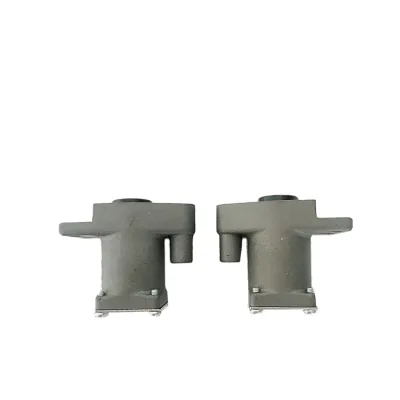
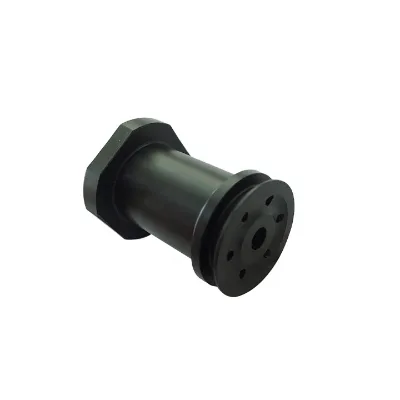
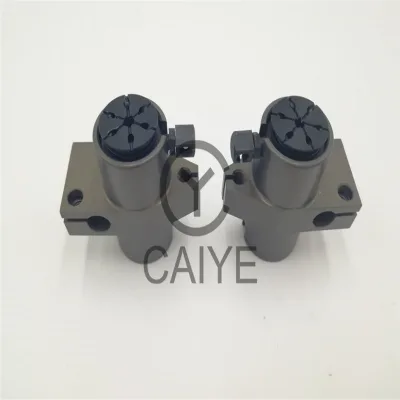
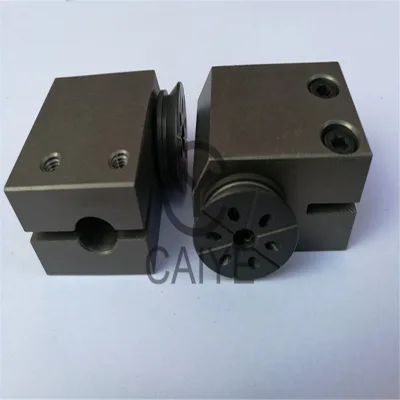
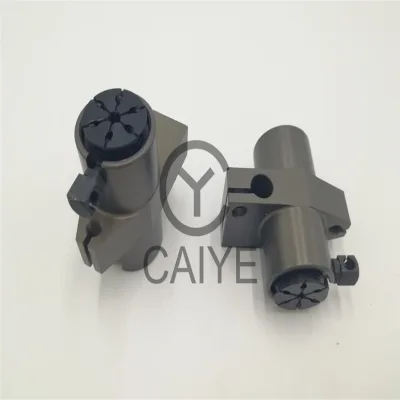
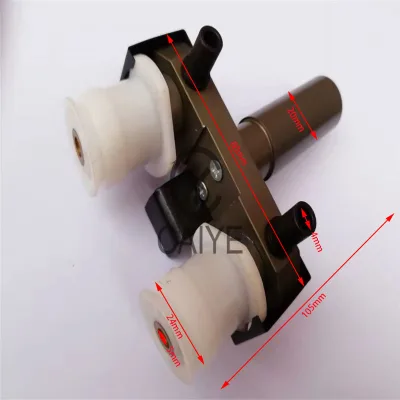
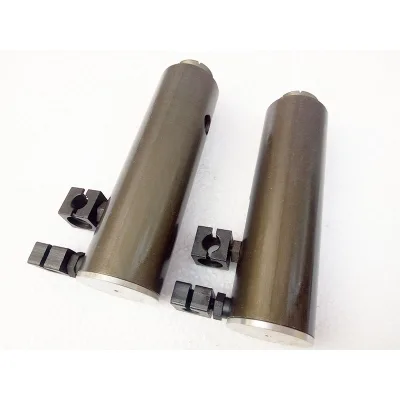
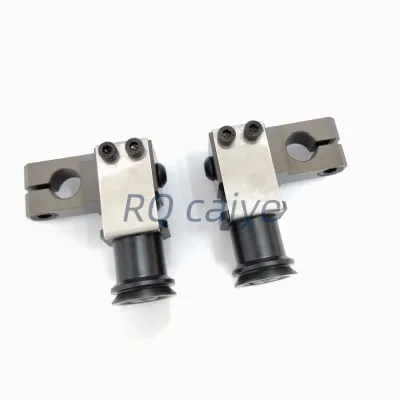


Comprehensive Sourcing Guide
Strategic Sourcing Guide for Printing Machine Sucker Assemblies
The procurement of critical components for offset printing machinery requires a disciplined approach, particularly when sourcing sucker assemblies. These components, often referred to as suction cups, rubber suckers, or feeder delivery suckers, are vital for the reliable transport of paper sheets through high-speed printing presses. For buyers operating in the global B2B market, understanding the nuances of product specifications, origin variations, and compatibility is essential to maintaining operational continuity. This guide provides a comprehensive framework for evaluating suppliers and products based on verified market data and technical requirements, ensuring that procurement decisions are grounded in factual evidence rather than speculative claims.
Technical Specifications and Model Compatibility
The primary challenge in sourcing sucker assemblies lies in the vast array of machine models and specific part numbers available in the market. Unlike generic fasteners, these components are engineered to fit precise mechanical tolerances within specific press brands. The observed product data indicates a diverse range of models, including specific identifiers such as S381510B, 05028047R01, M8437071A, F2.028.160, and MV. 026.691. These alphanumeric codes serve as the definitive reference for buyers to ensure compatibility. A mismatch in model numbers can lead to immediate operational failure, making it imperative to cross-reference the part number against the original equipment manufacturer (OEM) documentation.
Furthermore, the application scope is broad, covering major printing machine brands such as Heidelberg, Man Roland, and Komori. The data highlights specific fitment for models like the Sm102, CD102, Sm52, Sm74, and XL105. Buyers must verify that the sucker assembly is explicitly designated for the specific machine model in their facility. The functional description often varies, with terms like "Feeder Delivery Sucker," "Rubber Sucker Suction," and "Feeder Sucker" appearing in product listings. While these terms describe the same functional component, the physical dimensions and material composition may differ based on the specific machine generation.
The physical specifications also include standard packaging dimensions and weight constraints. Observed data notes a single package size of 50x30x20 cm and a product weight of approximately 1 kg. While these figures provide a baseline for logistics planning, buyers should verify the exact weight and dimensions for their specific order, as variations exist between "New" and "Replacement" units. The voltage requirements for associated power supply components are listed as 110V/220V, indicating that electrical integration must be considered if the assembly includes active sensors or motors, though the core suction mechanism is typically mechanical.
Compliance, Certification, and Origin Verification
In the global supply chain for printing components, the origin of the product significantly influences quality expectations and regulatory compliance. The market data reveals a split in product origins, with items listed as originating from both China and Germany. This duality suggests that buyers may encounter both locally manufactured replacements and genuine OEM parts from European manufacturers. The presence of "Made in China" and "Germany/China" labels requires careful scrutiny. While German-origin parts are often associated with higher precision and longevity, Chinese-origin parts frequently offer cost-effective alternatives for high-volume replacement needs.
Certification status is a critical factor in procurement, particularly for machinery operating in regulated environments. The available data explicitly mentions CE certification for certain products. The CE mark indicates conformity with health, safety, and environmental protection standards for products sold within the European Economic Area. Buyers should request proof of this certification for any lot intended for use in European markets or by clients requiring such compliance. However, it is important to note that not all listed products in the market may carry this certification. The absence of a specific certification claim in a product listing should not be interpreted as a failure of quality but rather as a lack of verified documentation in the provided context.
Buyers must also be aware of the distinction between "Original & New," "Original & Used," and "Replacement" categories. The term "Original" implies the part was manufactured by the press maker, whereas "Replacement" or "Made in China" suggests a third-party alternative. While third-party parts can perform identically to originals, the lack of a unified standard means that buyers must verify the material composition. The data lists "New" as the material condition for many items, but the "Used" category indicates the availability of refurbished components. For critical applications where downtime is costly, prioritizing "New" condition parts with verified material standards is the prudent strategy.
Cost Drivers and Pricing Dynamics
The pricing structure for sucker assemblies is influenced by several variables, including the model complexity, the origin of manufacture, and the condition of the part. The observed price range in the market spans from $0.12 to $1,000 USD. This wide disparity reflects the difference between a simple rubber suction cup and a complete feeder delivery assembly with integrated sensors or power supplies. The lower end of the spectrum typically corresponds to basic rubber components or single units, while the higher end may include complex assemblies, bulk wholesale orders, or genuine OEM parts for high-end presses.
Volume plays a significant role in cost determination. The minimum order quantity (MOQ) observed ranges from 1 to 100 units. This flexibility allows buyers to procure single replacement units for emergency repairs or place larger orders for inventory replenishment. The "Wholesale & Retail" sell mode indicates that suppliers cater to both individual maintenance needs and large-scale procurement contracts. Buyers should be aware that unit prices often decrease as the order quantity increases, but the specific discount tiers are not standardized across the market.
Additional cost drivers include shipping methods and delivery times. The market offers various shipping options such as DHL, FedEx, UPS, EMS, TNT, and China Post. The choice of courier impacts the final landed cost and the speed of delivery. The delivery time is listed as 2 to 15 days after receiving the order, which is a critical factor for production planning. Buyers must factor in these lead times when calculating safety stock levels. Furthermore, packaging standards, such as the use of air bubble film and carton boxes, add to the cost but are essential for preventing damage during transit. The standard packaging size of 45x35x25 cm or 50x30x20 cm should be considered when calculating freight charges.
Typical Applications and Operational Context
Sucker assemblies are integral to the feeding and delivery systems of offset printing machines. Their primary function is to create a vacuum seal that lifts, separates, and transports individual sheets of paper from the feed pile to the printing cylinders. The data confirms that these components are designed for offset printing machines, a technology that remains the industry standard for high-volume commercial printing. The specific mention of "Feeder Delivery Sucker" and "Rubber Sucker Suction" underscores their role in the initial stages of the printing process, where precise sheet separation is paramount.
The compatibility with major brands like Heidelberg, Man Roland, and Komori highlights the universality of the application. These machines operate at high speeds, often exceeding thousands of sheets per hour. Consequently, the sucker assemblies must withstand significant mechanical stress and friction. The "Good/Stable" quality attribute observed in the market suggests that these components are designed to maintain consistent suction performance over extended periods. However, the "Unavailable" warranty status for some items indicates that buyers should not rely on manufacturer guarantees for long-term performance and must instead focus on the quality of the materials and the reputation of the supplier.
The operational context also includes the need for rapid replacement. The "Replacement and New" feature classification implies that these parts are often purchased as direct substitutes for worn-out components. In a high-pressure printing environment, the ability to quickly source a compatible sucker assembly can mean the difference between a minor delay and a complete production halt. Therefore, the availability of specific model numbers like S381510B or MV. 026.691 is crucial for maintaining the uptime of these critical assets.
Supplier Evaluation and Quality Assurance
Evaluating suppliers for sucker assemblies requires a rigorous approach to quality assurance. The market data indicates a mix of "Good" and "Good/Stable" quality ratings, but these are observational attributes rather than guaranteed performance metrics. Buyers should verify the condition of the product, ensuring it matches the "New" or "Replacement" status claimed. The "Package in Paper Box with Good Situation" note suggests that proper packaging is a standard practice, but buyers must inspect the physical condition of the goods upon receipt to ensure they have not been damaged during transit.
When assessing suppliers, buyers should prioritize those who provide clear documentation regarding the product model, origin, and certification. The presence of specific model numbers and compatibility lists is a strong indicator of a supplier's technical competence. Suppliers who can confirm the fit for specific machine models like the Sm102 or CD102 demonstrate a deeper understanding of the product ecosystem. Additionally, the availability of multiple shipping methods (DHL, FedEx, etc.) suggests a mature logistics network, which is essential for timely delivery.
Quality control should also extend to the material composition. The data lists "New" as the material condition, but buyers should inquire about the specific rubber compound used. High-quality rubber suckers must resist degradation from ink solvents and maintain elasticity under repeated compression. While the market does not provide specific test results or material grades, buyers can request sample testing or certifications from independent laboratories to validate the durability of the components. The "CE" certification mentioned for some products serves as a baseline for safety, but it does not guarantee the mechanical longevity of the rubber component.
Long-Term Procurement Considerations
Sourcing sucker assemblies is not merely a transactional activity but a strategic decision that impacts long-term operational efficiency. The "Wholesale & Retail" nature of the market allows for flexible procurement strategies, but buyers must balance cost against reliability. Relying solely on the lowest price point can lead to increased downtime and higher long-term costs due to frequent replacements. Instead, buyers should establish relationships with suppliers who offer consistent quality and reliable delivery times.
The lead time of 2 to 15 days is a critical variable for inventory management. Buyers should maintain a safety stock of critical models, such as those for Heidelberg and Man Roland presses, to mitigate the risk of supply chain disruptions. The variability in origin (China vs. Germany) should be managed by diversifying the supplier base. While German-origin parts may offer superior longevity, Chinese-origin parts provide a cost-effective solution for non-critical applications or high-volume consumption.
Finally, buyers must remain vigilant regarding the "Unavailable" warranty status. In the absence of a formal warranty, the onus falls on the buyer to ensure the quality of the purchased components. Implementing a robust inspection protocol upon receipt and maintaining detailed records of part performance can help identify trends and select the most reliable suppliers over time. By focusing on verified specifications, clear compatibility, and consistent quality, buyers can secure a steady supply of sucker assemblies that support the continuous operation of their offset printing machinery.
| Feature Category | Observed Market Data | Buyer Verification Requirement |
|---|---|---|
| Product Models | S381510B, 05028047R01, M8437071A, F2.028.160 | Cross-reference with OEM manual for exact fit. |
| Machine Compatibility | Heidelberg, Man Roland, Komori (Sm102, CD102, etc.) | Confirm specific press model and generation. |
| Origin | China, Germany, or Mixed | Verify origin label and request country of manufacture proof. |
| Condition | New, Replacement, Used | Inspect physical condition and request photos if "Used". |
| Certification | CE (for some items) | Request valid CE certificate documentation. |
| Packaging | Air Bubble Film, Carton Box, Paper Box | Check for damage upon delivery; verify dimensions. |
| Lead Time | 2 to 15 Days | Plan inventory based on maximum lead time window. |
| Shipping | DHL, FedEx, UPS, EMS, TNT, China Post | Select method based on urgency and cost constraints. |
FAQs
What models do these sucker assemblies fit?
These assemblies fit Heidelberg, Man Roland, and Komori printers, including specific models like Sm102, CD102, and XL105. Buyers must verify the exact part number against their machine documentation to ensure proper mechanical compatibility and operational stability.
Can I find replacement parts made in China?
Yes, replacement parts made in China are available alongside original units. These options often provide cost-effective solutions for high-volume needs, though buyers should verify the condition and material quality before placing orders for critical applications.
What is the typical delivery time for orders?
The typical delivery time ranges from 2 to 15 days after receiving the order. This lead time allows for efficient production planning, but buyers should account for potential variations depending on the specific shipping method selected by the supplier.
Which certifications are available for these products?
Some products in the market carry CE certification for compliance with European safety standards. Buyers operating in regulated environments should request proof of this certification, as not all listed items may have verified documentation in the provided context.
How are these items packaged for shipping?
Items are typically packed in air bubble film and carton boxes to prevent damage during transit. Standard packaging dimensions vary, but buyers should expect secure packaging to maintain the integrity of the rubber suction components during global shipping.
What is the minimum order quantity for these parts?
The minimum order quantity ranges from 1 to 100 units, offering flexibility for both retail and wholesale needs. This allows buyers to procure single replacement units for emergency repairs or place larger orders for inventory replenishment without excessive commitment.