Source Professional Customized Pool Cue for Clubs, Tournaments, and Home Use
Find and compare 27 Professional Customized Pool Cue options from verified suppliers. Evaluate carbon fiber and wood shafts, tip sizes, and weight specifications to match your specific billiard equipment needs.
Key considerations
Products List


Pool Cuebilliard Cuebest Pool Cuesprofessional Pool Cuecarbon Fiber Pool Cue
$12.00 - $14.00
MOQ: 1 Pieces


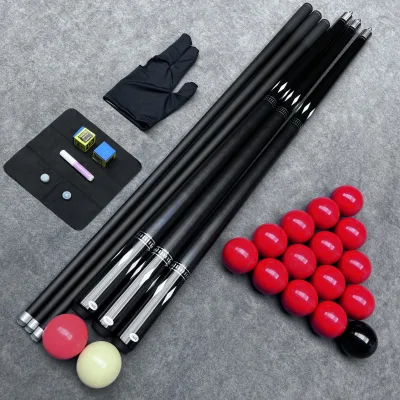
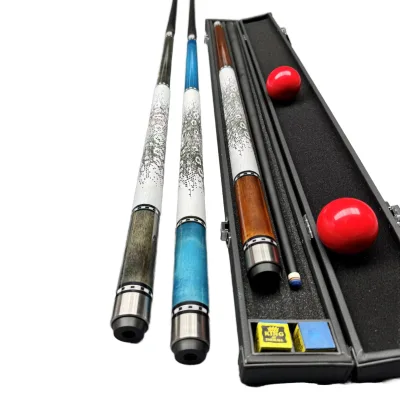
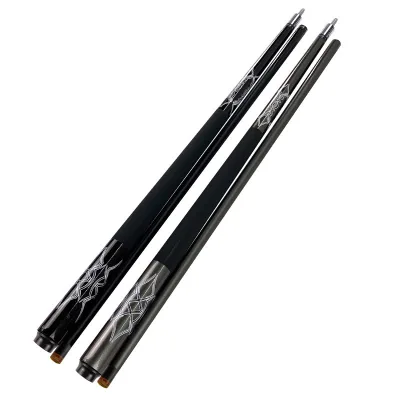
Professional Silver Ring Inlay Pool Cue with 3D Printed PU Leather Grip
$18.37 - $28.58
MOQ: 1 Minimum


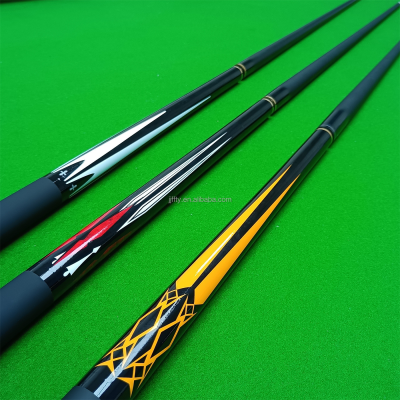
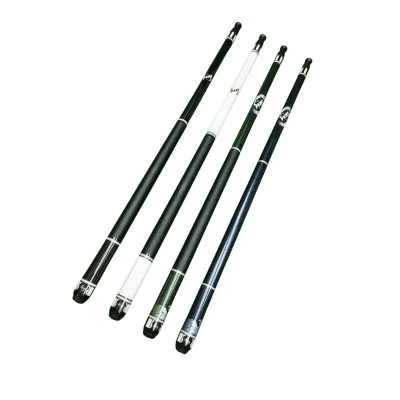
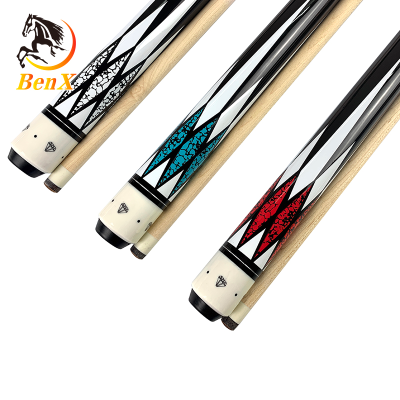

Comprehensive Sourcing Guide
Professional Customized Pool Cue Sourcing Guide
Sourcing professional customized pool cues requires a nuanced understanding of material science, manufacturing precision, and the specific performance characteristics that distinguish high-end billiard equipment from standard recreational gear. The market for these specialized items is characterized by a high degree of variability, where buyers must navigate between mass-produced generic shafts and bespoke, hand-finished instruments tailored to individual player preferences. This guide provides a structured approach to evaluating suppliers, verifying technical specifications, and ensuring that the final product meets the rigorous demands of competitive play. By focusing on evidence-based verification and clear commercial terms, procurement teams can mitigate risks associated with quality inconsistencies and supply chain disruptions.
The following sections outline the critical steps for sourcing professional customized pool cues, drawing on observed market data and trusted industry knowledge. We will examine the product scope, technical verification points, compliance requirements, cost structures, supplier qualifications, and long-term procurement strategies. Each section is designed to provide actionable guidance for buyers who need to balance customization needs with operational efficiency and quality assurance. The goal is to empower procurement professionals with the knowledge to make informed decisions that align with their brand’s reputation and customer expectations.
Product Scope and Observed Listing Signals
The current market landscape for professional customized pool cues reveals a diverse range of offerings, primarily centered around carbon fiber construction and traditional wood materials. Observed listings indicate a strong presence of carbon fiber products, including shafts and complete cues, with raw materials ranging from pitch-based to polyacrylonitrile-based carbon fiber. These materials are often marketed under specific performance descriptors such as "high-strength type" or "in die type high strength," suggesting a focus on durability and consistent performance. Additionally, there are listings for wood-based cues, indicating that the market still accommodates traditional preferences alongside modern composite technologies. Buyers should recognize that the product scope is not monolithic; it spans from single-piece shafts to complete cue sticks with various tip diameters and weight configurations.
Listing signals further highlight the extent of customization available, with many suppliers offering bespoke options for dimensions, branding, and packaging. For instance, diameter specifications can be customized within a broad range, and tip diameters are frequently adjustable between 10.50mm and 13.0mm. The presence of models labeled with specific identifiers like "Low Deflection Cue" or "Carbon Fiber Pool Cue05" suggests that suppliers categorize their products by performance characteristics rather than just material. Furthermore, packaging options vary from standard cartons to wooden cartons, reflecting the premium nature of the product. Buyers must carefully interpret these signals to ensure that the supplier’s capabilities align with their specific customization requirements, particularly regarding material composition and structural design.
Technical Specifications to Verify
When evaluating technical specifications, the first priority is to verify the material composition and structural integrity of the cue. For carbon fiber cues, it is essential to confirm whether the raw material is pitch-based or polyacrylonitrile-based, as this significantly impacts the cue’s stiffness, weight distribution, and deflection properties. The shaft material should be explicitly stated, and buyers should request detailed information on the manufacturing process, such as whether the carbon fiber is chopped or continuous, and how it is integrated with other components. For wood-based cues, the type of wood and the quality of the joinery between the shaft and the butt are critical factors that influence playability and durability. Verification of these material details is crucial to ensuring that the product meets the expected performance standards.
Dimensional accuracy and customization options are equally important technical considerations. Buyers should verify the available range for diameter customization, tip diameter options, and weight specifications. The observed data indicates that tip diameters can be customized, and weights are often standardized around specific values, but these can vary by model. It is also important to check the surface finish and decorative options, such as carving decorations, which may affect the cue’s balance and aesthetic appeal. Additionally, the cue stick structure, whether single-piece or multi-part, should be clearly defined, as this impacts transportability and maintenance. Buyers must ensure that all technical specifications are documented in the purchase agreement to avoid discrepancies in the final product.
Compliance and Safety Documentation
Compliance and safety documentation for pool cues primarily focus on material safety and manufacturing standards rather than complex regulatory frameworks. Since pool cues are generally considered recreational equipment, they do not typically require extensive certification for electrical or chemical hazards. However, buyers should still verify that the materials used, particularly adhesives and finishes, comply with relevant environmental and safety standards, especially if the cues are intended for export to markets with strict regulations on volatile organic compounds (VOCs) or heavy metals. For carbon fiber products, it is important to ensure that the manufacturing process does not involve hazardous substances that could pose risks during production or disposal.
Documentation should also include proof of origin and quality control records. The observed data indicates that many products originate from China, particularly from regions like Weihai, which is known for its manufacturing capabilities. Buyers should request certificates of origin and any relevant quality assurance documents from the supplier. While specific standards may vary by region, buyers should ensure that the supplier adheres to recognized quality management practices. Additionally, packaging requirements should be verified to ensure that the cues are protected during transit, preventing damage that could compromise their structural integrity. Clear documentation of these compliance aspects helps mitigate legal and reputational risks associated with the procurement process.
Cost Drivers and Commercial Terms
The cost of professional customized pool cues is influenced by several key factors, including material selection, customization complexity, and order volume. Carbon fiber cues, particularly those made from high-performance materials like pitch-based carbon fiber, tend to be more expensive due to the higher cost of raw materials and the precision required in their manufacturing. Customization options, such as specific tip diameters, weight adjustments, and decorative carvings, also add to the overall cost. Buyers should be aware that the observed price range for these products can vary significantly, reflecting the diversity in materials and customization levels. Understanding these cost drivers is essential for budgeting and negotiating favorable terms with suppliers.
Commercial terms, including minimum order quantities (MOQ) and payment conditions, are critical components of the procurement process. The observed MOQ range for pool cues is typically between 1 and 300 units, offering flexibility for both small-scale and large-scale buyers. Buyers should negotiate MOQs that align with their inventory needs and cash flow constraints. Payment terms should be clearly defined, with options such as advance payment, letter of credit, or open account depending on the supplier’s policies and the buyer’s creditworthiness. Additionally, lead times and shipping arrangements should be discussed to ensure timely delivery. Clear commercial terms help establish a transparent and mutually beneficial relationship with the supplier, reducing the risk of disputes and delays.
Supplier Qualification and Quality Control
Supplier qualification is a critical step in ensuring the reliability and consistency of professional customized pool cues. Buyers should conduct thorough due diligence on potential suppliers, verifying their manufacturing capabilities, quality control processes, and track record in the industry. This includes assessing their experience with carbon fiber and wood materials, as well as their ability to meet specific customization requirements. Suppliers with a history of producing high-performance cues and positive customer feedback are generally more reliable. Additionally, buyers should request samples to evaluate the quality of the product firsthand, checking for issues such as uneven weight distribution, poor finish, or structural weaknesses.
Quality control measures should be integrated into the procurement process to ensure that the final product meets the agreed-upon specifications. Buyers should establish clear quality standards and inspection criteria, which may include visual inspections, dimensional checks, and performance tests. Regular audits of the supplier’s production facilities can also help identify potential issues early in the manufacturing process. Communication with the supplier should be maintained throughout the production cycle to address any concerns or changes in requirements. By implementing robust quality control measures, buyers can minimize the risk of receiving substandard products and ensure that their customers receive high-quality pool cues.
Long-Term Procurement Checks
Long-term procurement checks are essential for maintaining a sustainable and efficient supply chain for professional customized pool cues. Buyers should regularly review their supplier performance, assessing factors such as delivery times, product quality, and responsiveness to issues. This ongoing evaluation helps identify any trends or recurring problems that may require corrective action. Additionally, buyers should stay informed about market trends and technological advancements in cue manufacturing, such as new materials or production techniques that could offer improved performance or cost savings. Staying ahead of these trends allows buyers to make informed decisions about their sourcing strategies and maintain a competitive edge.
Relationship management with suppliers is also crucial for long-term success. Building strong, collaborative relationships can lead to better pricing, priority treatment during high-demand periods, and access to exclusive customization options. Buyers should engage in regular communication with their suppliers, providing feedback on product performance and discussing potential improvements. This collaborative approach fosters trust and mutual benefit, ensuring that both parties are aligned in their goals. By implementing long-term procurement checks and maintaining strong supplier relationships, buyers can secure a reliable supply of high-quality professional customized pool cues, supporting their business growth and customer satisfaction.
FAQs
What raw materials are used for professional customized pool cues?
Professional customized pool cues utilize high-performance carbon fiber as the primary raw material. Options include pitch-based carbon fiber and polyacrylonitrile-based carbon fiber. These materials ensure high strength and low deflection characteristics. Some models may also incorporate wood or metal frame materials for specific structural needs. The shaft is typically constructed from carbon fiber to enhance durability and performance consistency.
Can I customize the diameter and tip size of a pool cue?
Yes, customization is available for both diameter and tip size. The shaft diameter can be customized within a range of 1 to 200 millimeters to suit specific playing styles. Tip diameters are also customizable, with options including 10mm, 11.5mm, and 13mm. This flexibility allows buyers to tailor the cue precisely to their mechanical preferences and performance requirements.
What is the typical weight and condition of these pool cues?
The pool cues are supplied in new condition with a standard weight of 120 grams. This weight provides a balanced feel for professional play. The cues are available in various configurations, including single cue stick structures. Buyers can select from different color options, such as black cues with bags or cases, ensuring the product meets specific aesthetic and functional expectations.
Which specifications are available for carbon fiber billiard cues?
Available specifications include models like Low Deflection Cue01 and Carbon Fiber Billiard Cue. Surface treatments feature carving decorations for aesthetic appeal. The cues are designed as high-performance and high-strength types. Some variants are classified as in-die type high strength. These specifications ensure the cues meet rigorous standards for professional billiard and pool applications.
How are professional customized pool cues packaged and shipped?
Packaging options include cartons and wooden cartons to ensure safe transit. The products originate from China, specifically Weihai. Custom packaging requirements are supported to meet specific buyer needs. The cues are designed for entertainment usage and are available in various sizes, including 7, 8, and 9-foot table compatibility. This ensures secure delivery and readiness for immediate professional use.