Source Professional Customized Logo Bow Tie for weddings, business, and events
Compare 30 listings for Professional Customized Logo Bow Tie options featuring polyester, cotton, and wooden materials. Buyers can review MOQs, sizes, and customization details for business, weddings, and formal events.
Key considerations
Products List
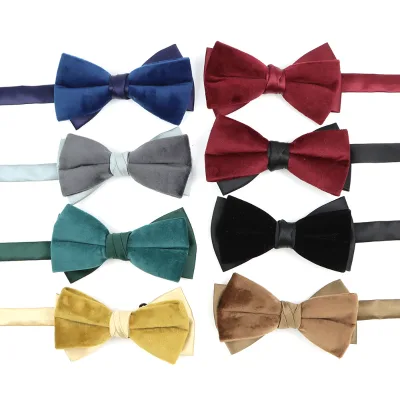
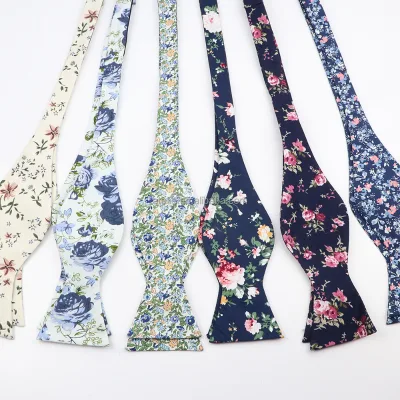
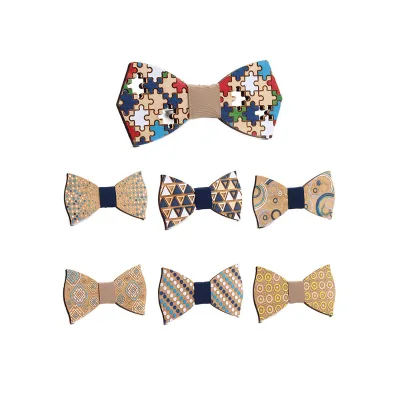


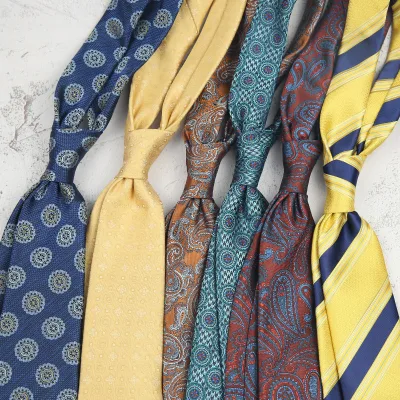
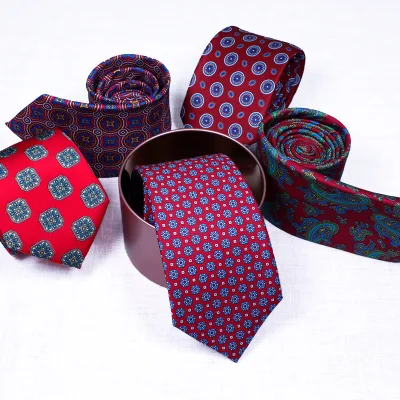


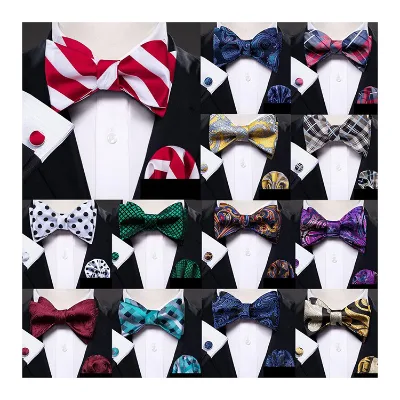


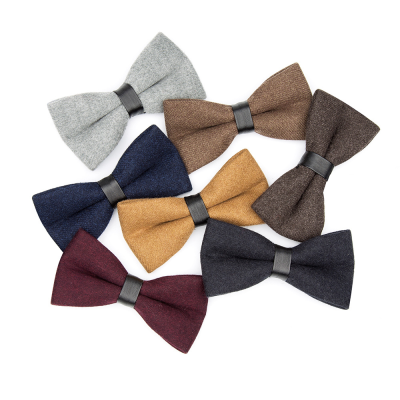

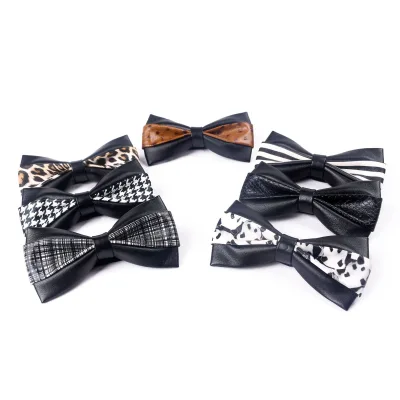
Comprehensive Sourcing Guide
Professional Customized Logo Bow Tie Sourcing Guide
Sourcing professional customized logo bow ties requires a nuanced understanding of both the aesthetic demands of formal wear and the logistical realities of branded merchandise procurement. Unlike standard neckties, bow ties present unique challenges in pattern alignment, knot structure consistency, and logo placement precision, making supplier selection critical for maintaining brand integrity. Buyers must navigate a market where customization ranges from simple embroidered logos on pre-made styles to fully bespoke designs involving specific weave types and interlining choices. The following guide outlines the essential verification steps, technical considerations, and commercial terms necessary to secure high-quality inventory that meets professional standards.
The procurement process begins with defining the specific use case, whether for corporate branding, wedding favors, or promotional gifts, as this dictates the required material durability and aesthetic finish. Observed market data indicates a wide variance in product attributes, from polyester and cotton blends to wooden variants, each serving different functional and stylistic purposes. Understanding these material distinctions is vital for ensuring the final product aligns with the intended occasion, be it a high-stakes business meeting or a casual promotional event. This guide provides a structured approach to evaluating suppliers and products based on verified attributes and industry best practices.
Product Scope and Observed Listing Signals
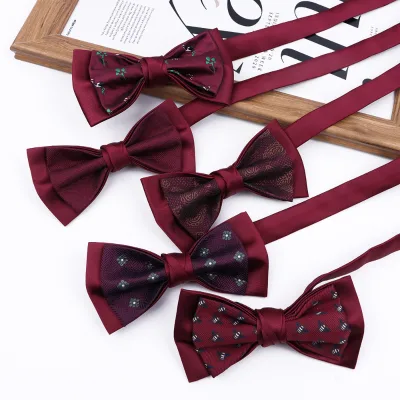
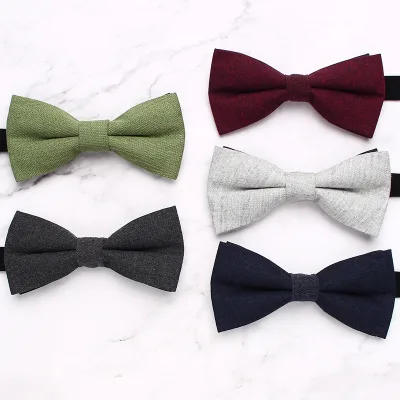
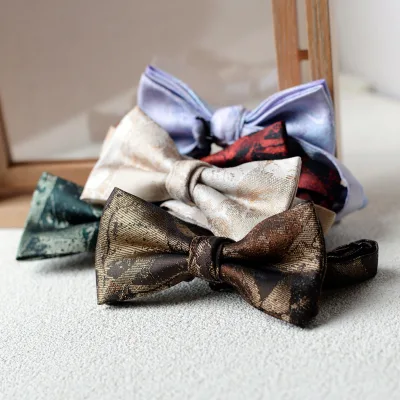
The current market for customized bow ties exhibits significant diversity in materials, patterns, and sizing options, reflecting the broad applicability of these accessories across various professional and social contexts. Listings frequently highlight materials such as polyester and cotton, which offer distinct advantages in terms of cost, durability, and texture. Polyester options often provide a sleek, wrinkle-resistant finish suitable for frequent travel, while cotton variants offer a more traditional, breathable feel preferred for formal events. Additionally, niche materials like wooden bow ties appear in the market, catering to specific aesthetic preferences or eco-conscious branding initiatives, though they require careful handling during shipping and storage.
Pattern and style customization are central to the value proposition of these products, with suppliers offering options ranging from classic solids to intricate jacquard weaves and printed designs. The observed data suggests that buyers can expect a variety of color tones, including classic neutrals, bright colors, and pastel shades, allowing for precise brand alignment. Furthermore, the availability of customized logos is a standard feature, with suppliers accepting various logo formats to ensure brand visibility. Buyers should note that size options often include both adult and kids' sizes, with specific dimensions such as 12cm x 6cm or 54cm/7cm lengths being common, necessitating clear communication of sizing requirements to avoid discrepancies in the final delivery.
Technical Specifications to Verify
Verifying technical specifications is paramount to ensuring the bow ties meet the desired quality and functional standards, particularly regarding size, weight, and packaging. Buyers should confirm the exact dimensions of the finished product, as variations in width and length can significantly impact the knot's appearance and proportionality. For instance, adult sizes may range from 12cm x 6cm to other specific measurements, and it is crucial to align these with the target demographic's expectations. Additionally, the single gross weight of the items, which can vary from 0.025 kg to 0.05 kg depending on the material and construction, should be accounted for in logistics planning to ensure accurate shipping cost estimates and inventory management.
Packaging and presentation details also play a critical role in the perceived value of the product, especially when used as gifts or promotional items. Suppliers often offer flexible packaging options, including poly bags, gift boxes, or custom carton boxes, which can be tailored to specific branding needs. The interlining choice, which affects the knot's structure and durability, should be specified as light, medium, or heavy depending on the desired aesthetic and functional requirements. Furthermore, edge finishes such as rolled, stitched, or flat edges contribute to the overall quality and longevity of the bow tie, and buyers should verify these details to ensure consistency across large orders.
Compliance and Safety Documentation
While specific certification requirements may vary based on the target market and end-use, buyers should prioritize suppliers who adhere to recognized quality and safety standards. Some listings indicate compliance with SGS standards, which can provide an additional layer of assurance regarding product safety and material quality. However, it is essential to verify the current status of any certifications and ensure they are relevant to the specific materials used, such as cotton or polyester, and the intended audience, whether adults or children. Buyers should request up-to-date documentation from suppliers to confirm that all products meet the regulatory requirements of their destination markets.
In addition to formal certifications, buyers should inquire about the supplier's internal quality control processes and their ability to accommodate custom standards requested by the buyer. Some suppliers offer products that meet specific customer requirements, indicating a flexible approach to compliance and quality assurance. This flexibility can be particularly valuable for brands with unique safety or material preferences, such as hypoallergenic fabrics or specific dye restrictions. By establishing clear compliance expectations early in the sourcing process, buyers can mitigate the risk of receiving non-conforming products and ensure a smoother procurement experience.
Cost Drivers and Commercial Terms
Understanding the cost drivers and commercial terms associated with customized bow ties is essential for effective budgeting and negotiation. The price range for these products can vary significantly, influenced by factors such as material quality, customization complexity, and order volume. Observed data suggests a wide price spectrum, reflecting the diversity of options available in the market. Buyers should consider the trade-offs between cost and quality, recognizing that higher-priced items may offer superior materials, more intricate designs, or better durability. Additionally, the minimum order quantity (MOQ) can impact the unit price, with larger orders often benefiting from economies of scale.
Commercial terms, including payment structures and lead times, are critical components of the procurement agreement. Suppliers may require a deposit, such as 30% upfront, with the balance due before shipping, which is a common practice in the industry. Turnaround times can vary, with some suppliers offering rapid production cycles of four working days, while others may require longer lead times for complex customizations. Buyers should negotiate clear terms regarding payment schedules, production timelines, and shipping responsibilities to avoid unexpected delays or costs. Establishing a transparent communication channel with the supplier can help manage expectations and ensure timely delivery of the ordered goods.
Supplier Qualification and Quality Control
Evaluating supplier qualifications and quality control measures is crucial for ensuring consistent product quality and reliable service. Buyers should assess the supplier's production capabilities, including their use of machinery and processing techniques, to determine their ability to meet specific design and quality requirements. Suppliers located in regions known for textile manufacturing, such as Zhejiang or Zhongshan in China, may offer advantages in terms of supply chain efficiency and expertise. However, buyers should verify the supplier's track record, customer reviews, and ability to handle customized orders to ensure they can deliver products that meet the desired standards.
Quality control processes should be clearly defined and agreed upon before placing an order, including inspection criteria for materials, stitching, and logo placement. Buyers should request samples to evaluate the quality of the finished product and identify any potential issues before committing to a large order. Additionally, suppliers should be willing to accommodate specific quality requirements, such as matching pocket squares or tie clips, to enhance the overall value of the product. By establishing robust quality control measures and maintaining open communication with the supplier, buyers can minimize the risk of defects and ensure a satisfactory procurement experience.
Long-Term Procurement Checks
Establishing long-term procurement checks is essential for maintaining consistent quality and building a reliable supply chain for customized bow ties. Buyers should conduct regular audits of supplier performance, including delivery times, product quality, and responsiveness to issues, to identify areas for improvement. Building a relationship with a trusted supplier can lead to better pricing, priority production, and improved service over time. Additionally, buyers should stay informed about industry trends and innovations in materials and design to ensure their products remain competitive and relevant in the market.
Continuous improvement in the procurement process involves refining specifications, negotiating better terms, and exploring new supplier options as needed. Buyers should document lessons learned from each order to inform future purchasing decisions and avoid repeating mistakes. By maintaining a proactive approach to supplier management and quality assurance, buyers can ensure a steady supply of high-quality customized bow ties that meet their brand's standards and customer expectations. This long-term perspective helps mitigate risks and supports sustainable growth in the procurement of professional accessories.
FAQs
Can I get a customized logo on the bow tie?
Yes, customized logos are acceptable for these bow ties. The product page explicitly states that logo customization is available, allowing buyers to add their branding to the polyester or cotton options for promotional or personal use.
What is the minimum order quantity for these items?
The minimum order quantity is one piece for many listed products. Some specific listings show an MOQ of 1 PCS, while others may have higher thresholds up to 2947, so buyers should verify the specific item requirements before purchasing.
Which materials are used to make these bow ties?
These bow ties are made from polyester, cotton, and wooden materials. The product attributes list polyester and cotton as primary materials, with one specific entry noting a wooden bowtie construction for different style preferences.
How long does it take to produce a custom order?
The turn around time is typically four working days for production. This timeframe applies to the manufacturing process, which utilizes machinery to create the customized items according to the buyer's specific design requirements.
What payment terms are required for bulk orders?
The standard payment term requires a 30% deposit with the balance paid before shipping. This 30% deposit and 70% balance structure is the documented payment method for securing the order and arranging shipment from the supplier.
Where are these bow ties manufactured?
The products originate from Zhejiang, China, and Zhongshan. The location facts confirm that the manufacturing places of origin are in these specific Chinese regions, ensuring the supply chain is grounded in these locations.
What sizes are available for adult buyers?
Adult sizes include 12cm x 6cm and 54cm x 7cm dimensions. The specifications list various adult sizes, including standard and kids sizes, with specific measurements provided for different product models like EH65-16.