Source Professional Cyclone Chain Link Fence for Construction, Parks, and Schools
Compare 30 Professional Cyclone Chain Link Fence options from verified Chinese manufacturers. Buyers can evaluate wire diameters, hole sizes, and customization features for construction sites, parks, and schools to find durable solutions; compare the available evidence and request quotations based on your requirements.
Key considerations
Products List


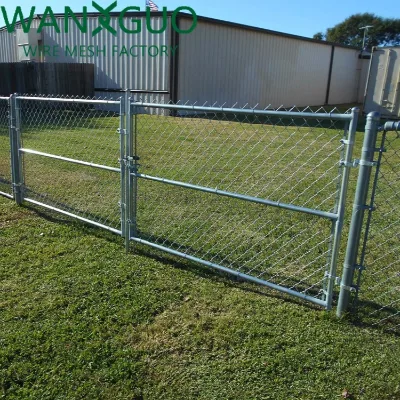


Galvanized Cyclone Chain Link Fence with Gate for Outdoor and Sport Area
$2.89 - $7.98
MOQ: 200 Meters


Durable Green Vinyl Coated Chain Link Fence for Cyclone Wire Mesh
$14.30 - $15.10
MOQ: 100 Square Meters
Comprehensive Sourcing Guide
Professional Cyclone Chain Link Fence Sourcing Guide
Procuring professional cyclone chain link fencing requires a disciplined approach to verifying technical specifications and commercial terms. Buyers must distinguish between standard decorative mesh and heavy-duty industrial fencing, as the structural integrity of the wire and the coating process directly impact longevity. The observed product landscape indicates a wide range of configurations, from temporary crowd control barriers to permanent perimeter security solutions. Understanding these distinctions prevents costly mismatches between the purchased material and the intended application, ensuring that the fence meets both aesthetic and functional requirements.
This guide outlines the critical verification steps for sourcing high-quality chain link fencing. It focuses on material composition, wire diameter, and surface treatment options that define the product's performance. By examining the specific attributes listed in supplier data, buyers can identify reliable manufacturers who provide consistent quality. The following sections detail how to interpret technical data, assess compliance documentation, and negotiate favorable commercial terms. This structured approach helps procurement teams mitigate risks associated with variable product quality and ensures that the final installation delivers the expected service life and security benefits.
Product Scope and Observed Listing Signals
The product scope for professional cyclone chain link fencing encompasses a variety of configurations designed for diverse applications. Observed listings indicate that these fences are primarily used for construction sites, schools, parks, and residential backyards. The material is typically low-carbon iron wire, which provides the necessary tensile strength for structural integrity. Buyers should note that the weave technique is generally plain weave, creating a diamond-shaped hole pattern. This standard construction ensures uniformity in the mesh, which is critical for maintaining the fence's ability to resist intrusion and withstand environmental stressors over time.
Listing signals reveal significant variability in dimensions and packaging options. Wire diameters range from 2.5mm to 5.0mm, with common specifications including 3.0mm and 3.5mm for standard security applications. Hole sizes are frequently observed at 50x50mm or 60x60mm, though custom sizes are available. The fencing is often supplied in rolls with lengths of 10m, 15m, or 20m, and widths typically range from 2.2m to 3.0m. Height options vary from 1.0m to 7.0m, allowing for customization based on site requirements. Understanding these standard ranges helps buyers request accurate quotes and ensures that the selected product fits the specific site constraints and security needs.
Technical Specifications to Verify
Verifying technical specifications is essential to ensure the fence meets the required performance standards. The wire diameter is a primary determinant of the fence's strength and durability. Buyers should confirm the exact gauge of the wire, as variations can significantly affect the fence's resistance to cutting and impact. For professional applications, a minimum wire diameter of 3.0mm is often recommended, though heavier gauges up to 5.0mm are available for high-security environments. Additionally, the hole size must be consistent with the intended use; smaller holes provide better security against climbing, while larger holes may be suitable for decorative or low-security applications.
Surface treatment and coating options are critical for corrosion resistance and service life. Observed treatments include galvanizing and PVC coating, with PVC-coated fences offering enhanced protection against weathering and chemical exposure. The color of the coating, often green or black, should be verified to match aesthetic requirements. Buyers should also check the post and rail sizes, which are typically specified as 40x1.5mm, 48x1.5mm, or 60x1.5mm for posts, and 32x1.5mm or 40x1.5mm for rails. Ensuring that these components are compatible with the mesh and that the finishing process is consistent across all parts is vital for long-term structural integrity.
Compliance and Safety Documentation
Compliance with industry standards and safety regulations is a non-negotiable aspect of sourcing professional fencing. Buyers should request documentation that verifies the product meets relevant international standards, such as ISO9001 for quality management systems. While specific standards like ASTM F668 or ASTM F567 are often referenced in the industry, buyers must confirm that the supplier can provide test reports or certificates proving compliance with these standards. This documentation ensures that the fence has been tested for tensile strength, impact resistance, and corrosion resistance, providing assurance that the product will perform as expected under various conditions.
Safety documentation should also include details on the manufacturing process and material composition. For example, if the fence is made from low-carbon iron wire, buyers should verify that the material meets the required specifications for carbon content and alloy composition. Additionally, if the fence is intended for use in sensitive environments, such as schools or hospitals, buyers should ensure that the product complies with local safety regulations regarding sharp edges and structural stability. Requesting a sample for independent testing can further validate the supplier's claims and ensure that the product meets the specific safety requirements of the project.
Cost Drivers and Commercial Terms
Understanding the cost drivers for professional cyclone chain link fencing is essential for accurate budgeting and negotiation. The primary cost factors include the wire diameter, surface treatment, and dimensions of the fence. Heavier gauges and more durable coatings, such as PVC, typically command a higher price due to the increased material and processing costs. Buyers should also consider the quantity of the order, as larger volumes often qualify for discounted pricing. Additionally, the complexity of the customization, such as non-standard hole sizes or colors, can affect the final cost.
Commercial terms, including price terms and delivery times, should be clearly defined in the contract. Observed price terms include CIF, FOB, and EXW, each with different implications for shipping and insurance costs. Buyers should negotiate the most favorable terms based on their location and logistics capabilities. Delivery times can range from 7 to 30 days, depending on the order size and customization requirements. It is important to clarify these terms upfront to avoid delays and additional costs. By understanding these factors, buyers can make informed decisions and ensure that the procurement process is efficient and cost-effective.
Supplier Qualification and Quality Control
Qualifying suppliers is a critical step in ensuring the reliability and quality of the purchased fencing. Buyers should evaluate suppliers based on their production capabilities, quality control processes, and track record of delivering on time. A reputable supplier will have a robust quality management system in place, with regular inspections and testing of raw materials and finished products. Buyers should request references from previous clients and visit the supplier's facility if possible to assess their production environment and quality control measures.
Quality control should extend to the entire supply chain, from raw material sourcing to final packaging. Buyers should verify that the supplier uses certified raw materials and that the manufacturing process adheres to strict quality standards. Additionally, the supplier should provide detailed documentation, including material certificates and test reports, for each batch of products. This transparency helps buyers verify the quality of the fencing and ensures that any issues can be traced back to specific production stages. By selecting a qualified supplier, buyers can reduce the risk of receiving substandard products and ensure a smooth procurement process.
Long-Term Procurement Checks
Long-term procurement checks are essential for maintaining a consistent supply of high-quality fencing over time. Buyers should establish a regular review process to monitor the supplier's performance, including delivery times, product quality, and responsiveness to issues. This ongoing evaluation helps identify any trends or problems that may affect the supply chain. Additionally, buyers should maintain open communication with the supplier to discuss any changes in specifications or requirements, ensuring that the product continues to meet the project's needs.
Sustainability and environmental considerations should also be part of the long-term procurement strategy. Buyers should verify that the supplier uses eco-friendly materials and processes, such as renewable sources and pressure-treated timbers where applicable. This not only aligns with corporate sustainability goals but also ensures that the product has a minimal environmental impact. By incorporating these checks into the procurement process, buyers can build a resilient supply chain that supports both the project's objectives and broader sustainability initiatives.
FAQs
What materials are used for Professional Cyclone Chain Link Fence?
The fence is constructed from low-carbon iron wire and metal frames. These materials provide the necessary structural integrity for outdoor applications. The wire is often galvanized or PVC coated to ensure anti-corrosion properties. This combination supports a service life of 10-15 years in various environments.
Can the Professional Cyclone Chain Link Fence be customized?
Yes, customization is available for multiple product attributes. Buyers can select specific hole sizes such as 50x50mm or 60x60mm. Wire diameters range from 2.5mm to 5.0mm, and heights can be adjusted between 1.0m and 7.0m. Colors like green or silver are also customizable to meet specific project requirements.
What certifications does the Professional Cyclone Chain Link Fence have?
The product holds ISO9001 certification for quality management. Additional certifications may include UL, NFPA, CE, and ASME standards depending on the specific configuration. These credentials verify compliance with international safety and manufacturing norms. Buyers should verify specific certification documents with the supplier for their target market.
How is the Professional Cyclone Chain Link Fence packaged?
The fence panels are packaged in rolls for efficient transport. Each single package typically measures 40x40x70 cm with a gross weight of 5.000 kg. The packing is customizable to suit different shipping requirements. This method protects the PVC coated or galvanized surface during transit to overseas destinations.
What is the lead time for Professional Cyclone Chain Link Fence orders?
The standard delivery time ranges from 7 to 30 days. This timeframe depends on the order quantity and customization complexity. Buyers should confirm exact lead times with the manufacturer based on their specific model number and quantity. Early planning helps ensure timely installation for construction sites or permanent fencing projects.
What are the typical applications for Professional Cyclone Chain Link Fence?
This fence is suitable for construction sites, schools, parks, and residential backyards. It serves as a protective mesh for industrial areas and crowd control barriers. The anti-climb design makes it ideal for border fences and electric fence perimeters. Its versatility supports both temporary and permanent security needs across various sectors.