Source Wooden Calf Stretcher for Home Decoration, Holiday, and Other Uses
Compare 30 Wooden Calf Stretcher options from Shandong suppliers with varying materials, sizes, and delivery times. Buyers can evaluate features like sustainability and customization for home decoration or holiday applications.
Key considerations
Products List
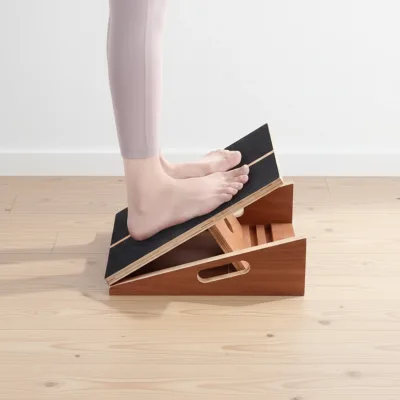
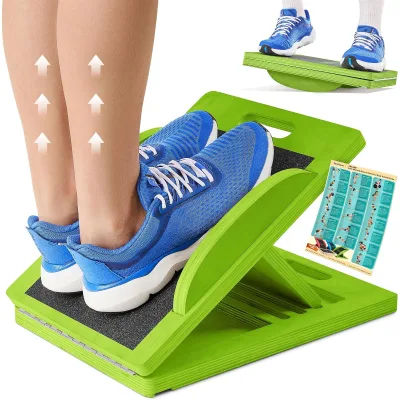
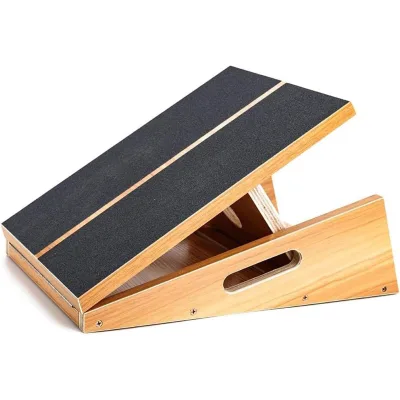
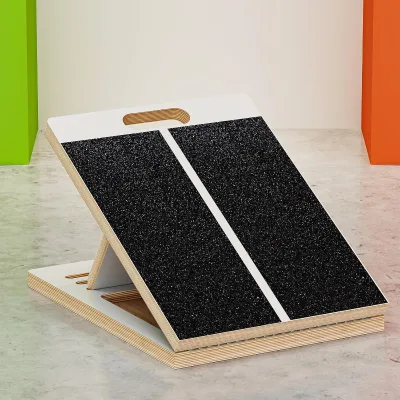
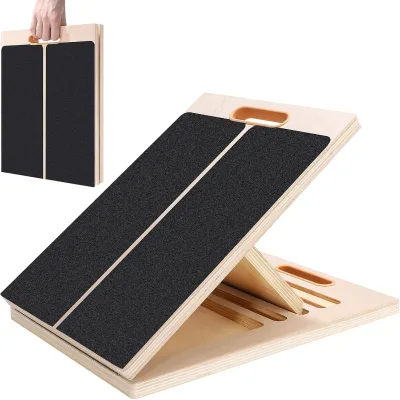
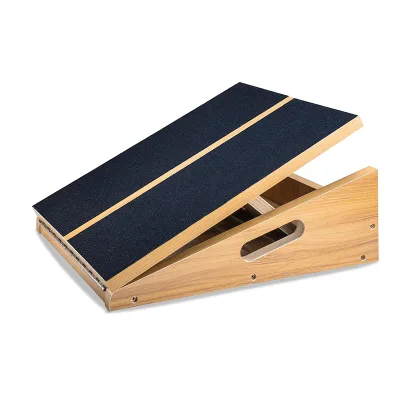
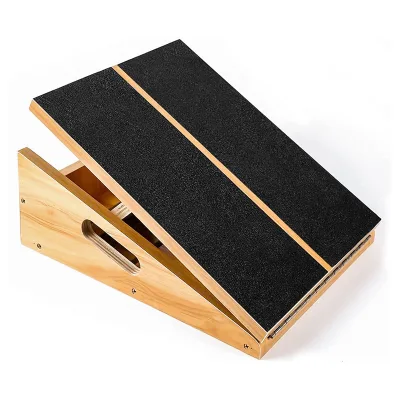


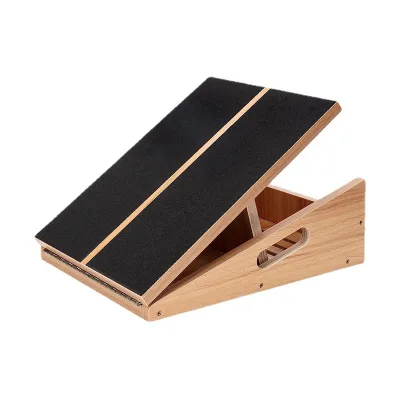
Medical Spine Board Stretcher, Plate Stretcher
$26.00 - $200.00
MOQ: 100 Pieces
Sainty International Group Jiangsu Yangzhou Sumex Imp. & Exp. Co., Ltd.




Comprehensive Sourcing Guide
Strategic Sourcing Guide for Wooden Calf Stretchers
Understanding Product Specifications and Technical Attributes
When sourcing a Wooden Calf Stretcher, buyers must first distinguish between the specific technical attributes that define the product's utility and physical characteristics. The core product identified in current market listings is a Wooden Calf Stretcher, categorized under the product type "HOLDER" with a specific model number HS-25L296. This item is distinct from other similar support structures, such as the "Tie plate" (Model JS-A0015), which serves a different application entirely. The primary material composition for the calf stretcher is explicitly listed as Wood, indicating a natural material base rather than metal or synthetic composites. This material choice influences the weight, durability, and aesthetic appeal of the final product.
The physical dimensions are critical for both shipping logistics and end-user functionality. The standard size for the HS-25L296 model is recorded as 40304.6cm, while the single package size expands to 42X32X7 cm. Another variant, potentially related or similar in function, is listed with dimensions of 4133.515cm (Model HS-25L292). The gross weight of the primary unit is 1.0 kg, with a lighter variant noted at 0.750 kg. These weight specifications are vital for calculating freight costs, particularly when shipping from the primary production hub, which is identified as Shandong, China. The shape is described as irregular, suggesting a design that may not be a simple geometric block but rather a contoured piece designed for ergonomic support. The surface technique applied to the wood is "Cutting," which implies a manufacturing process focused on shaping the raw timber into the desired form. The color options observed include Mint and Brown, offering buyers a choice in aesthetic alignment with their target market's preferences.
Compliance, Certification, and Material Verification
In the B2B procurement of wooden products, compliance and material verification are paramount, even when specific certification labels are not explicitly listed in the product data. The provided facts indicate that the product is "Sustainable," a claim that requires rigorous verification by the buyer. While the term suggests eco-friendly sourcing, it does not automatically equate to a specific third-party certification like FSC (Forest Stewardship Council) or PEFC (Programme for the Endorsement of Forest Certification). Buyers must explicitly request proof of sustainable sourcing from the supplier to validate this claim. Without documented evidence, the "Sustainable" attribute remains an observation rather than a verified compliance standard.
Furthermore, the material is listed simply as "Wood." In international trade, the specific species of wood (e.g., oak, pine, rubberwood) and the treatment methods used (e.g., kiln-drying, preservative treatment) are essential for compliance with phytosanitary regulations, particularly for export to regions like the European Union or North America. The absence of a specific wood species in the provided data necessitates a direct inquiry to the supplier regarding the timber origin and treatment. Additionally, the product is described as having a "Customized Package," which implies that the packaging materials must also meet international shipping standards to prevent damage during transit and to comply with ISPM 15 regulations if wooden packaging is used. Buyers should verify that the supplier adheres to these international standards to avoid customs delays or rejections at the destination port.
Cost Drivers and Pricing Dynamics
The pricing structure for wooden calf stretchers is influenced by several variable factors, including material costs, labor intensity, and customization requirements. The observed listed price range in the market spans from 0.1 to 5000 USD. This wide range indicates that the final unit price is highly dependent on the specific order parameters. The minimum order quantity (MOQ) is a significant cost driver, with observed ranges from 1 to 5000 units. Specific listings indicate an MOQ of 200 pieces for certain models, while others suggest 300 pieces. Ordering below these thresholds may result in significantly higher per-unit costs or may not be feasible at all.
Customization is a primary driver of cost variance. The product data confirms that "OEM/ODM" is "Highly Welcomed" and that the "Logo" can be "Accept Customized Logo." Custom branding, specific color requests (such as the Mint or Brown options), and tailored packaging solutions will invariably increase the production cost compared to standard, off-the-shelf inventory. The technique of "Cutting" suggests a level of manual or specialized machine work that adds to the labor cost. Additionally, the delivery time of 30-45 days impacts the cost structure; longer lead times may require more complex supply chain management or higher inventory holding costs for the buyer. Buyers should note that the payment terms listed are "T/T" (Telegraphic Transfer), which is a standard method but requires careful management of cash flow during the production window.
Typical Applications and Market Positioning
The application of the Wooden Calf Stretcher is broadly categorized as "Other," yet the product features and design suggest specific use cases. The product is described as a "HOLDER" with a "Freestanding" decoration style, indicating it is designed to stand independently without wall mounting. This makes it suitable for home decoration, yoga studios, physical therapy clinics, or wellness centers. The "Theme" is explicitly listed as "Home Decoration," positioning the product within the lifestyle and interior design market. The "Reusable" feature further enhances its value proposition for consumers looking for durable, long-term solutions rather than disposable items.
Unlike the "Tie plate" which is associated with "Any holiday" and "Wall Hanging" applications, the calf stretcher is a functional piece of equipment. Its irregular shape and wooden construction suggest it is intended for ergonomic support, likely for stretching exercises or physical rehabilitation. The "Mint" and "Brown" color options allow for integration into various interior design schemes, from modern minimalist to rustic or natural-themed environments. Buyers targeting the wellness industry should emphasize the "Sustainable" aspect of the product, as this aligns well with the values of eco-conscious consumers and businesses in the health and fitness sector. The product's ability to be customized with a logo also makes it an attractive option for corporate gifting or branded merchandise for fitness chains.
Supplier Evaluation and Operational Capabilities
Evaluating a supplier for wooden calf stretchers requires a focus on their operational capabilities and responsiveness. The primary place of origin for these products is Shandong, China, a region known for its manufacturing base. Buyers should verify the supplier's specific location within Shandong to assess logistics efficiency. The sample time is a critical metric for supplier reliability; observed ranges vary from 5-7 days to 7-10 days. A shorter sample time indicates a more agile production line, which is beneficial for rapid prototyping and design validation.
The delivery time is another key performance indicator, with a standard range of 30-45 days. Buyers must ensure that this timeline aligns with their inventory planning and sales cycles. The "Single gross weight" of 1.0 kg and the "Single package size" of 42X32X7 cm are essential for calculating freight costs and warehouse space requirements. Suppliers that offer "Customized Package" solutions demonstrate flexibility, but buyers must ensure that the customization does not compromise the structural integrity of the packaging during long-haul shipping. The acceptance of OEM/ODM services suggests that the supplier has the capacity for custom manufacturing, but buyers should request examples of previous work to verify the quality of their customization capabilities. Payment terms of "T/T" are standard, but buyers should negotiate clear milestones for payment to mitigate risk.
Quality Control and Long-Term Procurement Considerations
Implementing a robust quality control (QC) strategy is essential for sourcing wooden calf stretchers. Given the "Cutting" technique and the natural variability of wood, buyers must establish clear acceptance criteria for surface finish, structural integrity, and dimensional accuracy. The "Polished" technique mentioned in related product data suggests a smooth finish is desirable, even if the primary listing specifies "Cutting." Buyers should request pre-shipment inspections to verify that the wood is free from splinters, cracks, or warping, which could affect the user experience and safety.
Long-term procurement considerations involve building a sustainable supply chain. The "Sustainable" claim of the product should be backed by verifiable documentation to ensure compliance with evolving environmental regulations. Buyers should also consider the scalability of the supplier's production. With an MOQ of 200 to 300 pieces, the supplier appears capable of handling small to medium orders, but buyers should confirm their capacity for larger volume orders as demand grows. The "Reusable" feature of the product implies a focus on durability, which should be tested over time to ensure the product maintains its structural integrity through repeated use. Finally, maintaining open communication regarding design changes, material sourcing, and production schedules will help mitigate risks and ensure a consistent supply of high-quality wooden calf stretchers.
Comparative Analysis of Product Variants
To assist buyers in making informed decisions, the following table compares the key attributes of the primary Wooden Calf Stretcher model against related product data points found in the market. This comparison highlights the distinctions in specifications that may influence procurement choices.
| Attribute | Primary Model (HS-25L296) | Related Variant (HS-25L292) | Alternative Product (JS-A0015) |
|---|---|---|---|
| Product Name | Wooden Calf Stretcher | Wooden Calf Stretcher | Tie plate |
| Product Type | HOLDER | HOLDER | Support |
| Material | Wood | Wood | Ecological board/multilayer board |
| Dimensions | 40304.6cm | 4133.515cm | One Size |
| Package Size | 42X32X7 cm | 42X32X5.6 cm | 35X15X31.5 cm |
| Gross Weight | 1.0 kg | 0.750 kg | 3.98 kg |
| Color | Mint, Brown | Brown | Customized Color |
| Decoration | Freestanding | Freestanding | Wall Hanging |
| MOQ | 200 Pcs | 200 Pcs | 200pcs / 300 Pcs |
| Delivery Time | 30-45 Days | 30-45 Days | 15-25 Days |
| Sample Time | 7-10 Days | 7-10 Days | 5-7 Days |
This comparison underscores that while the primary models are similar in function and material, the dimensions and weight vary significantly. The alternative product, the Tie plate, differs fundamentally in application (Wall Hanging vs. Freestanding) and material (Ecological board vs. Solid Wood), making it unsuitable for the specific use case of a calf stretcher. Buyers must carefully match the product specifications to their intended application to ensure the selected item meets functional requirements.
FAQs
What is the minimum order quantity for wooden calf stretchers?
The minimum order quantity is 200 pieces for most models. Some listings specify 300 pieces, so buyers should verify the specific model requirements before placing an order to ensure compliance with supplier thresholds.
How long does it take to receive a sample?
Sample delivery typically takes between 5 to 10 days depending on the supplier. Specific listings indicate ranges of 5-7 days or 7-10 days, so buyers should confirm the exact timeline with their chosen vendor.
Can buyers request a custom logo on the product?
Yes, custom logos are accepted for these wooden calf stretchers. Suppliers welcome OEM and ODM services, allowing buyers to brand the product with their own logo for corporate gifting or retail purposes.
Where are these wooden calf stretchers manufactured?
These products originate from Shandong, China. This region is a known manufacturing hub, and buyers should account for shipping logistics when planning delivery schedules from this specific location.
What material is used to make the calf stretcher?
The primary material is wood, specifically described as ecological board or multilayer board in some variants. Buyers should verify the specific wood species and treatment methods to ensure compliance with phytosanitary regulations.
What is the standard delivery time for bulk orders?
Standard delivery time ranges from 30 to 45 days for bulk orders. This lead time impacts inventory planning, so buyers must align their sales cycles with this production window to avoid stockouts.
Which payment terms are typically accepted by suppliers?
The standard payment term is T/T, which stands for Telegraphic Transfer. Buyers should negotiate clear payment milestones to manage cash flow effectively during the 30 to 45 day production period.