Source Professional Teeth Whitening Gel for Home Hotel Salon
Find 30 options for Professional Teeth Whitening Gel suitable for home, hotel, and salon use. Buyers can compare gel concentrations, packaging types, and OEM customization features across verified Chinese manufacturers.
Key considerations
Products List




Comprehensive Sourcing Guide
Strategic Sourcing Guide for Professional Teeth Whitening Gel
Understanding Product Specifications and Formulation Variations
When sourcing Professional Teeth Whitening Gel, the primary technical differentiator lies in the active ingredient concentration and the specific chemical formulation used. The market offers a diverse range of products, and procurement decisions must be grounded in the precise specifications required for the intended application. Based on available industry data, the active agents typically include Hydrogen Peroxide (HP), Carbamide Peroxide (CP), or Peroxide alternatives such as PAP (Phthalimidoperoxycaproic acid).
Buyers must verify the exact concentration ranges before placing orders. Observed product standards indicate that formulations are available with Hydrogen Peroxide concentrations ranging from 0.1% up to 35%, and Carbamide Peroxide concentrations extending up to 44%. Furthermore, non-peroxide options are a critical category for buyers targeting sensitive markets or specific regulatory environments. The "zero peroxide" or PAP-based gels provide a distinct alternative to traditional peroxide-based whitening agents.
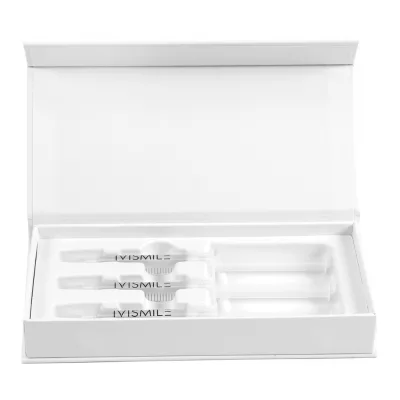
The physical form of the product is equally significant. The supply chain includes both pre-filled syringes and bulk gel tubes. Syringe models, such as those identified by codes like KR-WG03 or KR-TWK01, are often designed for precise application in clinical or salon settings. These units may come in specific volumes, with standards citing 1.5ml, 2.5ml, and 3ml capacities. In contrast, bulk or kit-based systems often utilize foil bags or specialized tubes packed within protective cartons. The packaging standard for these items frequently involves sealed bags within safe cartons to maintain sterility and prevent leakage during transit.
A critical specification to evaluate is the material compatibility. The gel must be compatible with the delivery system, whether it is a syringe, a pen-case applicator, or a standard tube. Some systems are designed as complete kits, incorporating LED light units made from ABS, TPE, PP, or PC materials to enhance the whitening process. These kits often include specific gel concentrations tailored to the light activation technology. Buyers should confirm that the gel concentration is listed as "Any Concentration Is Available" or matches the specific percentage required for their target demographic, ensuring the product aligns with the device's operational parameters.
Compliance, Certification, and Regulatory Standards
Navigating the regulatory landscape is a fundamental step in sourcing Professional Teeth Whitening Gel. Unlike consumer cosmetics, professional-grade whitening agents often fall under stricter medical device or cosmetic regulations depending on the jurisdiction and the claimed efficacy. A robust supplier must provide verifiable documentation to prove compliance with international standards.
Key certifications to request include CE marking, which indicates conformity with health, safety, and environmental protection standards for products sold within the European Economic Area. Additionally, the presence of FDA clearance or registration is a strong indicator of quality for the North American market. The supply data also highlights the importance of MSDS (Material Safety Data Sheet) and CPSR (Cosmetic Product Safety Report) availability, which are essential for risk assessment and regulatory filing.
Manufacturing facility certifications are equally vital. Buyers should verify that the supplier's production facility holds GMP (Good Manufacturing Practice) certification, ISO 13485 for medical devices, and ISO 22716 for cosmetic Good Manufacturing Practices. These standards ensure that the manufacturing environment maintains the necessary hygiene and quality control protocols to prevent contamination. The absence of Bisphenol A (BPA) is another critical safety standard, particularly for products involving plastic applicators or syringes that come into contact with the oral cavity.
When evaluating a supplier, procurement teams must treat these certifications as mandatory verification points rather than optional marketing claims. The "Product Certificate" field in supplier listings often aggregates these standards, listing FDA, CE, MSDS, CPSR, and BPA-Free status. However, buyers must cross-reference these claims with official documentation issued by the respective regulatory bodies. It is also important to note that while some products are classified as "Non-Medicated," they still require rigorous safety testing to ensure they do not cause adverse reactions, such as sensitivity or tissue damage, when used according to instructions.
Cost Drivers and Pricing Dynamics
The pricing structure for Professional Teeth Whitening Gel is influenced by several variables, including formulation complexity, packaging type, order volume, and certification status. The observed price range in the market spans from approximately $0.10 to $14.34 USD per unit, reflecting the vast difference between bulk raw materials and finished, branded kits.
The primary cost driver is the active ingredient concentration and type. High-concentration peroxide gels (e.g., 35% HP) or specialized non-peroxide formulations (PAP) often command a higher price point due to the cost of raw materials and the specialized handling required during production. Additionally, the inclusion of auxiliary components, such as LED light units made from ABS or TPE, significantly increases the unit cost compared to gel-only syringes.
Packaging and customization also play a substantial role in pricing. Products featuring custom logo printing on syringes, labels on foil bags, or branded pen cases incur higher costs due to the additional manufacturing steps involved. The "Safe Carton Packing" and "Foil Bag in Safe Carton" requirements add to the material and labor costs. Furthermore, the Minimum Order Quantity (MOQ) is a critical factor. The market observes an MOQ range from as low as 1 unit to as high as 30,000 units. Suppliers typically offer tiered pricing, where the unit cost decreases significantly as the order volume increases.
Lead times also impact the final landed cost. While small orders may be fulfilled within 3-5 days, larger orders often require 15-20 days for production and logistics. Buyers must factor in these timelines when calculating inventory holding costs and potential stockout risks. The origin of the product, primarily from regions like Jiangxi, China, influences shipping costs and import duties, which must be included in the total cost of ownership analysis.
Typical Applications and Usage Scenarios
Professional Teeth Whitening Gel is designed for a wide array of applications, ranging from clinical environments to home use and hospitality settings. Understanding the specific use case is essential for selecting the correct product specifications and packaging.
In clinical and salon settings, the priority is often efficiency and precision. Products like the KR-WG03 syringe or the GS-001 kit are ideal for these environments. These units are typically "Disposable" or designed for single-use to ensure hygiene and prevent cross-contamination between patients. The "Non-Disposable" category, such as the GS-JKB model, is often intended for professional use where the applicator is reusable, but the gel cartridge is replaced. These products are frequently marketed with features like "Anti-Sensitive" and "Whitening" to address patient comfort and efficacy.
For the hospitality sector, specifically hotels, the product requirements shift towards convenience and branding. The "Use: Hotel" attribute indicates that suppliers offer products tailored for in-room amenities or spa services. These kits often come in "Pen Case Packing" or "Box" packaging that is aesthetically pleasing and compact. The "Logo Printing: With Logo Printing" option allows hotels to brand the product, enhancing the guest experience and reinforcing the brand identity.
Home use is another significant market segment. Products designed for home application often emphasize safety and ease of use. The "Use Place: Home/Hotel/Office/Salon/Clinic" specification highlights the versatility of these gels. For home users, the "Age Group: Adult" designation is crucial, as these products are generally not intended for children. The "Shelf Time: 18 Months in The Shade Place" is a key specification for home buyers, ensuring the product remains effective during storage.
Supplier Evaluation and Quality Control Protocols
Evaluating a supplier for Professional Teeth Whitening Gel requires a multi-faceted approach that goes beyond price comparison. The quality of the gel and the consistency of the manufacturing process are paramount to maintaining customer trust and safety.
Buyers should prioritize suppliers who demonstrate transparency in their production capabilities. The availability of a "Factory Certificate" listing GMP, ISO 13485, and ISO 22716 is a strong indicator of a supplier's commitment to quality. Additionally, the ability to provide "OEM/ODM" services suggests that the supplier has the flexibility to customize products, which is often necessary for branding and specific formulation requirements.
Quality control protocols should be verified through the supplier's testing procedures. While specific test results are not always publicly listed, buyers should request samples to verify the "Gel Ingredient" consistency and the "Feature" claims, such as "Anti-Cavity," "Basic Cleaning," and "Oral Refreshing." The "Material" specifications, such as the use of PVC for syringes or ABS/TPE for light units, should be confirmed to ensure they meet safety standards.
The packaging integrity is another critical quality control point. The "prod_packing" attributes, such as "Syringe Tube Packing in Sealed Bag and Safe Carton," must be inspected to ensure that the product arrives without leakage or damage. For bulk orders, the "Carton size" specifications (e.g., 483834 cm) should be reviewed to optimize shipping logistics and storage.
Long-Term Procurement Considerations and Strategic Planning
Sourcing Professional Teeth Whitening Gel is not merely a transactional activity but a strategic partnership that requires long-term planning. Buyers must consider the scalability of their supply chain, the stability of the product formulation, and the potential for future customization.
The "Customization: Available" attribute indicates that suppliers can adapt to changing market demands. This includes customizing the logo on the syringe, the label on the foil bag, or the packaging box. As brands grow, the ability to scale production from small orders to large volumes (up to 30,000 units) becomes essential. Buyers should assess the supplier's capacity to handle increased demand without compromising quality or lead times.
Inventory management is another critical consideration. With a shelf life of 18 months, buyers must balance their order quantities to avoid expiration while maintaining sufficient stock. The "Delivery Time" of 3-5 days for small orders and 15-20 days for big orders should be factored into the inventory planning process. Suppliers who offer flexible delivery options can help mitigate the risk of stockouts or overstocking.
Finally, buyers should consider the evolving regulatory landscape. As standards for dental products become more stringent, the supplier's ability to maintain compliance with new regulations will be a key differentiator. Establishing a relationship with a supplier who is proactive in maintaining certifications like FDA, CE, and ISO standards will ensure long-term stability and reduce the risk of regulatory disruptions. By focusing on these strategic factors, buyers can build a resilient supply chain that supports their business growth and maintains high standards of product quality.
FAQs
What active ingredients are available in Professional Teeth Whitening Gel?
Formulations typically include Hydrogen Peroxide, Carbamide Peroxide, or non-peroxide PAP options. Concentrations range from 0.1% up to 35% for HP and up to 44% for CP, with zero peroxide alternatives also available for sensitive markets.
Which certifications should I verify for a Professional Teeth Whitening Gel supplier?
Suppliers should provide CE marking, FDA clearance, MSDS, CPSR, and BPA-Free status. Factory certifications like GMP, ISO 13485, and ISO 22716 are essential to ensure manufacturing hygiene and quality control protocols are met.
How does the MOQ vary for Professional Teeth Whitening Gel orders?
Minimum Order Quantities range from 1 unit to 30,000 units depending on the supplier. Tiered pricing usually applies, where unit costs decrease significantly as order volumes increase toward the higher capacity limits.
Can I get custom logo printing on the syringe or packaging?
Yes, customization is available for logos on syringes, labels on foil bags, and pen cases. Options include silk printing or custom labels, allowing for branding on the product or its protective carton packaging.
What is the typical lead time for small versus large orders?
Small orders can be delivered within 3 to 5 days, while large orders require 15 to 20 days. This timeline accounts for production and logistics, with the product origin primarily being Jiangxi, China.
Which packaging types are used for Professional Teeth Whitening Gel kits?
Packaging includes syringe tubes in sealed bags, foil bags in safe cartons, or pen cases. Complete kits often feature LED lights packed in foil bags inside protective cartons to ensure sterility and prevent leakage.
Where are the manufacturers of Professional Teeth Whitening Gel located?
Manufacturers are primarily located in Jiangxi, China, with some specific origins noted as China (Mainland). This location influences shipping costs and import duties for international buyers sourcing these dental products.