Source Professional Salmon Sashimi Knife for Sushi Prep
Find and compare 30 Professional Salmon Sashimi Knife options from verified Chinese manufacturers. Evaluate blade materials like 5Cr15Mov and stainless steel, handle styles including wenge wood and resin, and customization capabilities for OEM branding.
Key considerations
Products List
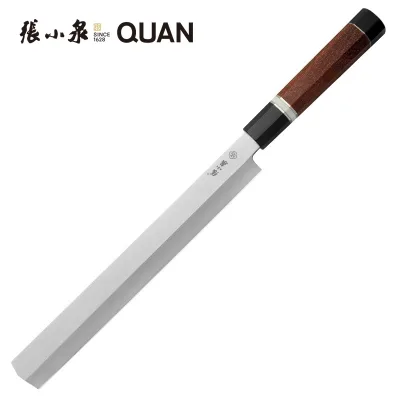
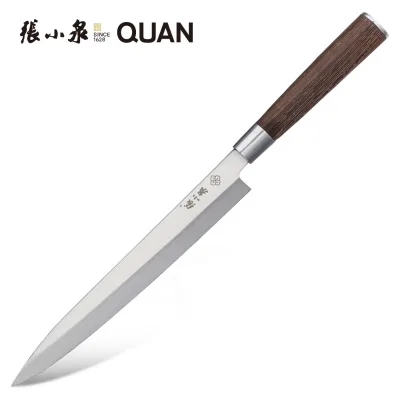
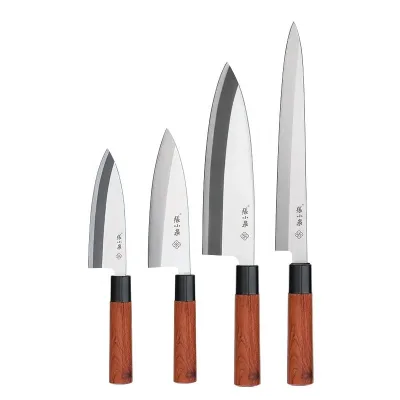


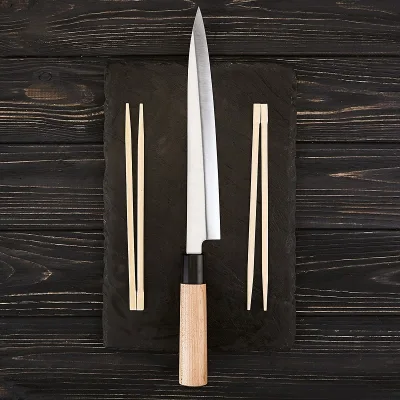
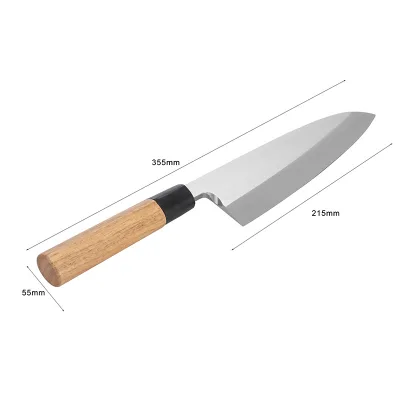
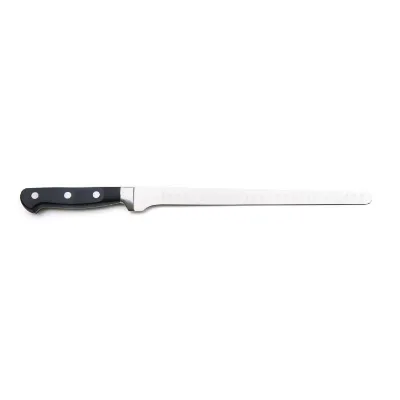


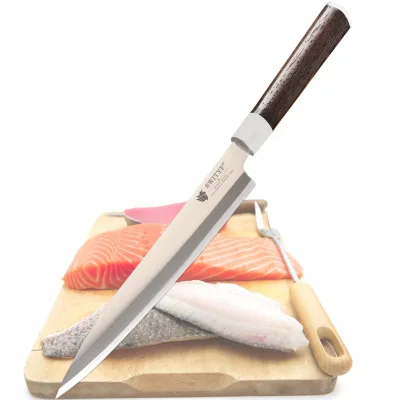


Comprehensive Sourcing Guide
Professional Salmon Sashimi Knife Sourcing Guide
Sourcing professional-grade salmon sashimi knives requires a nuanced understanding of both culinary performance and supply chain logistics. These specialized tools are designed for precision slicing, where the integrity of the fish’s texture and presentation is paramount. Buyers must navigate a market that offers a wide variety of options, from single-blade units to comprehensive sets, each with distinct material compositions and manufacturing origins. The following guide provides a structured approach to evaluating these products, ensuring that procurement decisions are grounded in verified specifications and realistic commercial terms.
The procurement landscape for these knives is characterized by significant variability in product attributes, pricing, and minimum order quantities. Observations from current market listings indicate a broad range of offerings, with prices spanning from approximately $0.60 to $29.99 USD. This disparity often reflects differences in blade steel quality, handle materials, and packaging standards. Furthermore, minimum order quantities (MOQs) vary widely, ranging from as low as 5 pieces for sample or small-batch orders to 5,000 pieces for large-scale industrial procurement. Understanding these variables is critical for aligning supplier capabilities with your specific volume requirements and budget constraints.
Product Scope and Observed Listing Signals
The product scope for professional salmon sashimi knives encompasses a diverse array of configurations, including single knives, multi-piece sets, and customizable OEM solutions. Current market data reveals that products are frequently marketed under generic or private-label branding, with "OEM" being a common attribute. Specific product names often highlight their intended use, such as "Knife for sashimi" or "Saki set sushi knife," indicating a focus on Japanese culinary traditions. Buyers should note that while some listings specify a single knife type, others offer sets that include various sizes, such as 9.5-inch, 8-inch, 7-inch, and 6-inch blades, catering to different slicing needs within a professional kitchen.
Material composition is a key differentiator in this category, with blade materials typically cited as stainless steel variants like 5Cr15Mov. This steel offers a balance of hardness and corrosion resistance, suitable for the acidic and moist environment of fish preparation. Handle materials also vary, with options including wenge wood for a traditional aesthetic and resin for durability and hygiene. The observed listings suggest that many suppliers offer customized packaging, ranging from simple OPP bags to more premium presentations involving white paper sleeves and color boxes. These packaging details can significantly impact the perceived value of the product, especially for brands targeting high-end retail or hospitality sectors.
Technical Specifications to Verify
When evaluating technical specifications, buyers must prioritize blade geometry and steel composition. The observed listings indicate blade sizes ranging from 7 inches to 10.6 inches, with specific models like the ZXQ-KN0176 and Zy-F001 representing different design approaches. It is essential to verify the exact steel grade, as 5Cr15Mov is a common but entry-level stainless steel. For professional applications requiring superior edge retention and sharpness, buyers should inquire about higher-grade steels such as VG-10 or SG2, even if not explicitly listed in standard catalogs. The balance of the knife is another critical factor, with some suppliers highlighting "perfect balance" as a key feature, which directly impacts user fatigue and cutting precision during extended use.
Handle ergonomics and overall weight distribution are equally important for professional chefs. The observed data shows single gross weights ranging from 1.0 kg to 2.0 kg, which may refer to the weight of a set rather than a single knife. Buyers should request specific weight measurements for individual units to ensure they meet ergonomic standards. Additionally, the model numbers provided, such as ZHANG XIAO QUAN or Zy-Ck06, should be cross-referenced with supplier catalogs to confirm consistency. Verification of the single package dimensions, such as 42x6x3 cm for a single knife or 41x25x5 cm for a set, is crucial for calculating shipping costs and storage requirements in your warehouse or distribution centers.
Compliance and Safety Documentation
Food safety compliance is non-negotiable for kitchen knives, particularly those used for raw fish. Buyers must ensure that all materials coming into contact with food are certified as food-grade. While specific certification statuses are not always listed in general product descriptions, suppliers should be able to provide documentation confirming that the stainless steel and handle materials meet relevant food contact safety standards. This includes verifying that no harmful substances, such as lead or cadmium, are present in the blade or handle components. For wooden handles, treatment processes should be confirmed to prevent bacterial growth and ensure durability in wet environments.
Intellectual property and branding compliance are also critical, especially for OEM orders. Many suppliers accept customized logos and branding, which requires clear agreements on trademark usage and design ownership. Buyers should verify that the supplier has the legal right to produce and ship products with the requested branding, avoiding potential infringement issues. Additionally, packaging compliance must be considered, particularly if the products are destined for markets with strict labeling requirements. The observed packaging details, such as "Opp bag+White paper sleeve+Color box+Master carton," should be reviewed to ensure they meet local regulations regarding product information, safety warnings, and recycling symbols.
Cost Drivers and Commercial Terms
The cost of professional salmon sashimi knives is influenced by several factors, including material quality, manufacturing complexity, and order volume. The observed price range of $0.60 to $29.99 USD reflects this variability, with lower prices typically associated with basic stainless steel and simpler packaging. Higher prices may correspond to premium materials, intricate handle designs, or comprehensive sets. Buyers should analyze the cost per unit in the context of the total value proposition, considering factors such as durability, sharpness retention, and brand perception. It is important to request detailed quotations that break down costs for the product, packaging, and any customization fees.
Commercial terms, including minimum order quantities (MOQs) and lead times, play a significant role in procurement planning. The observed MOQs range from 5 pieces to 5,000 pieces, with a common threshold of 800 pieces or sets for standard OEM orders. Lead times are also substantial, with delivery times ranging from 50 to 70 days, which requires careful inventory management and advance planning. Buyers should negotiate flexible terms where possible, such as reduced MOQs for initial trials or expedited shipping options for urgent orders. Understanding the port of dispatch, typically Shenzhen or Guangzhou, is also essential for calculating freight costs and transit times to your destination.
Supplier Qualification and Quality Control
Supplier qualification is a critical step in ensuring the reliability and consistency of your supply chain. Buyers should verify the supplier’s production capacity, with observed supply abilities ranging up to 200,000 pieces per month. This capacity should align with your volume requirements to avoid delays or stockouts. Additionally, suppliers should have robust quality control processes in place, including inspections for blade sharpness, handle attachment security, and packaging integrity. Requesting samples before placing large orders is essential to evaluate the actual product quality and compare it against your specifications.
Quality control should extend to the entire production process, from raw material sourcing to final packaging. Buyers should inquire about the supplier’s testing procedures for blade hardness, corrosion resistance, and handle durability. For wooden handles, checks for cracks, splinters, and proper sealing are necessary. The observed listings mention "high standard" as a key feature, but buyers should seek specific details on what these standards entail. Establishing clear quality acceptance criteria and conducting pre-shipment inspections can help mitigate risks and ensure that the products meet your expectations.
Long-Term Procurement Checks
Long-term procurement success depends on continuous monitoring of supplier performance and market trends. Buyers should establish key performance indicators (KPIs) for delivery times, product quality, and customer service. Regular audits of the supplier’s production facilities and quality control processes can help identify potential issues before they impact your supply chain. Additionally, staying informed about changes in material costs and manufacturing technologies can help you negotiate better terms and adopt new innovations. Building a strong relationship with your supplier can lead to improved service levels and priority treatment during peak demand periods.
Sustainability and ethical sourcing are increasingly important considerations for modern procurement. Buyers should assess the supplier’s environmental practices, such as waste management and energy usage, particularly given the "Eco-Friendly" attribute observed in some listings. Verifying the source of materials, such as the origin of the wenge wood or the recycling content of the steel, can enhance your brand’s sustainability credentials. Finally, maintaining a diversified supplier base can reduce risk and provide flexibility in responding to market fluctuations. Regularly reviewing and updating your supplier portfolio ensures that you remain competitive and resilient in the long term.
FAQs
What blade materials are used for professional salmon sashimi knives?
Professional salmon sashimi knives typically utilize 5Cr15Mov stainless steel or general stainless steel blades. These materials provide the necessary sharpness and corrosion resistance required for slicing raw fish. The blades are often paired with wenge wood or resin handles to ensure durability and a secure grip during precise cutting tasks.
Can I customize the packaging for bulk orders of sashimi knives?
Yes, customized packaging is available for bulk orders. Standard options include OPP bags, white paper sleeves, color boxes, and master cartons. Buyers can also request specific set configurations, such as knife tip sets with PP bags and white boxes, to meet their branding or retail requirements effectively.
What is the typical lead time for manufacturing these knives?
The typical delivery time for manufacturing these knives ranges from 50 to 70 days. This timeframe accounts for production, quality control, and preparation for dispatch from ports like Shenzhen or Guangzhou. Buyers should plan their inventory accordingly to accommodate this standard manufacturing duration.
Which knife sizes are available for professional sashimi preparation?
Available sizes include 10.6 inch, 9.5 inch, 8 inch, 7 inch, and 6 inch options. These dimensions cater to different slicing needs, from large salmon fillets to detailed garnish work. Buyers can select specific sizes or complete sets based on their professional kitchen requirements and user preferences.
What is the minimum order quantity for OEM sashimi knives?
The minimum order quantity varies by product type, typically starting at 5 pieces for sets and 100 pieces for individual items. Some OEM options require a minimum of 800 pieces or sets. These thresholds allow buyers to test market demand or place larger commercial orders with flexible customization options.
Are these knives suitable for both home and professional use?
Yes, these knives are designed for use by both housewives and professional chefs. They feature comfortable handles and sharp blades that handle slicing, chopping bone, and fruit preparation. The eco-friendly materials and perfect balance make them versatile tools for various culinary environments and skill levels.