Source Pulp Molding Seed Starter Pots for fruit, egg, and toy packaging
Compare 30 listings for Pulp Molding Seed Starter Pots from verified Chinese manufacturers. Buyers can evaluate options for biodegradable plant pots and molded pulp trays with varying sizes and customization features.
Key considerations
Products List
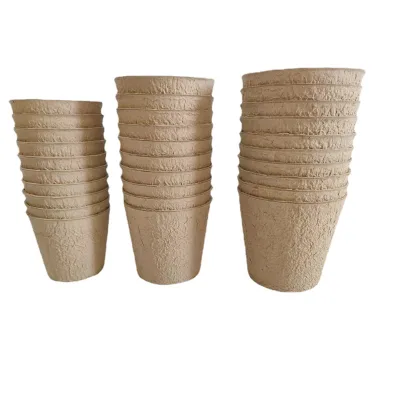


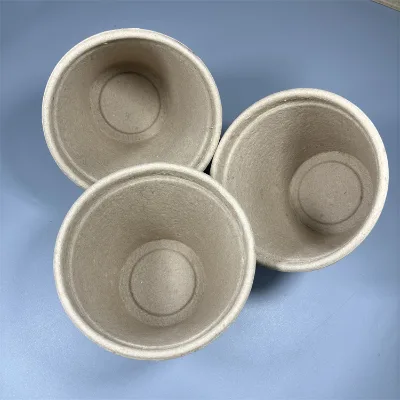
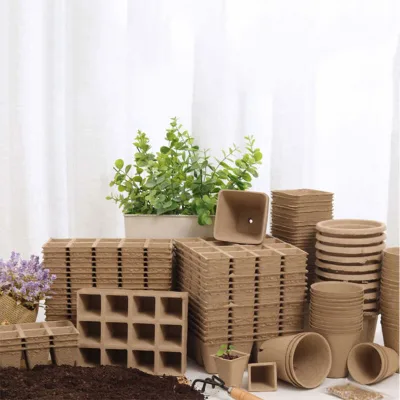


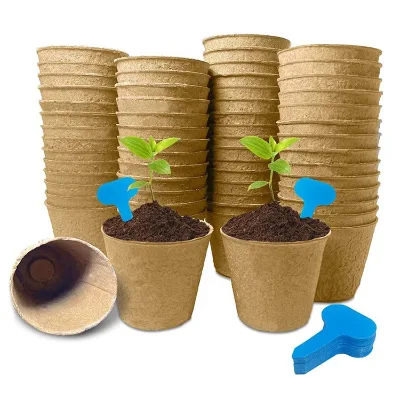
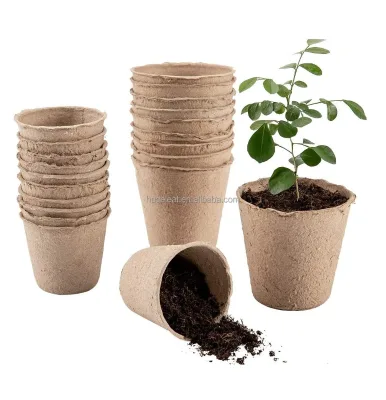


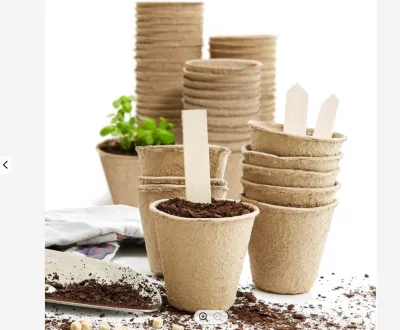
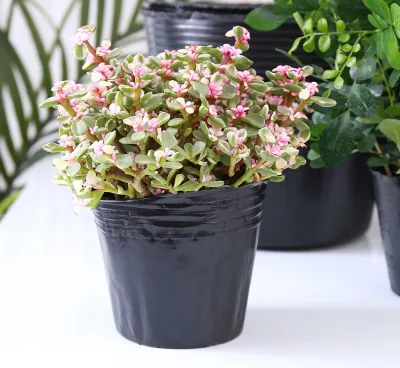

Planter Nursery Pots Plastic Round Flower Pot Cell Seedling Starter Tray Seed Pot Tray
$0.27 - $0.40
MOQ: 5000 Pieces

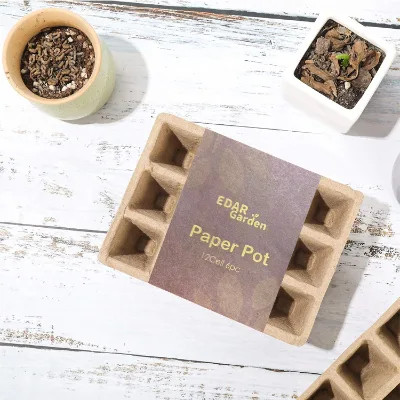

Seed Starter Plastic Seedling Tray Plant Flower Pot Nursery Forming Machine
$77680.00 - $80000.00
MOQ: 1 Sets


Comprehensive Sourcing Guide
Pulp Molding Seed Starter Pots Sourcing Guide
Sourcing biodegradable plant pots and molded pulp trays requires a clear distinction between agricultural propagation tools and general packaging solutions. While the core keyword focuses on seed starter pots, the market data reveals a significant overlap with molded pulp packaging for household and industrial goods. Buyers must carefully evaluate whether the supplier specializes in horticultural applications or general packaging, as the material composition, molding techniques, and end-of-life disposal expectations differ substantially. Understanding this distinction is critical for ensuring that the purchased items meet the specific biological and environmental requirements of plant propagation rather than just serving as generic protective packaging.
The procurement landscape for these items is characterized by a wide variance in product attributes, ranging from simple peat-based pots to complex recycled pulp trays. Observed listings indicate that manufacturers often offer customizable options for shape, size, and branding, which can complicate the selection process if not strictly defined in the initial request for quotation. Buyers should prioritize suppliers who demonstrate expertise in the specific molding technique required for their use case, whether that involves mechanical pulp for seed starters or dry press molding for structural trays. This clarity ensures that the final product aligns with both functional performance needs and sustainability goals.
Product Scope and Observed Listing Signals
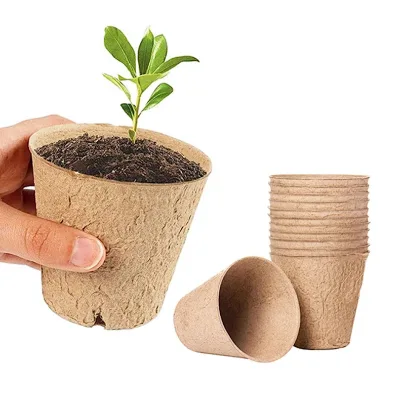
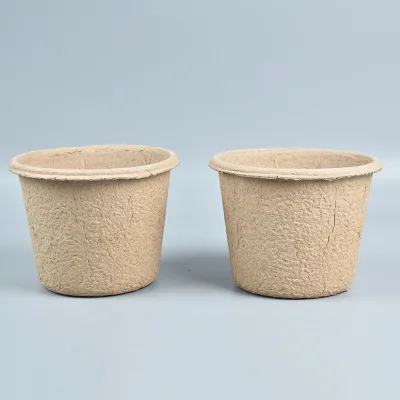
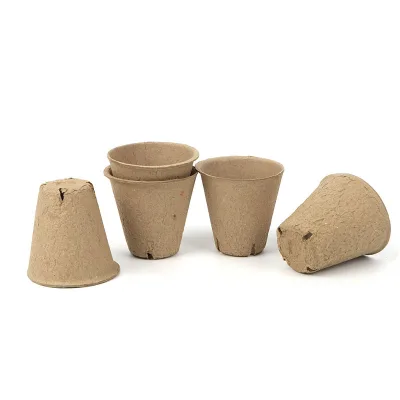
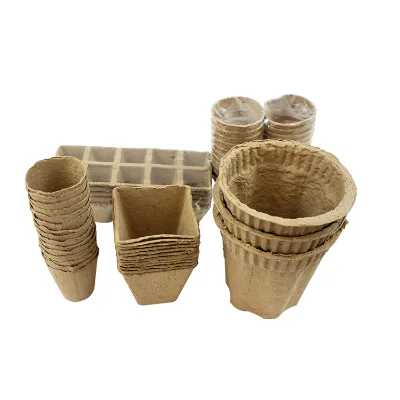
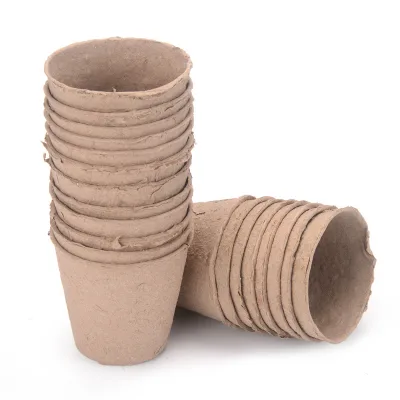
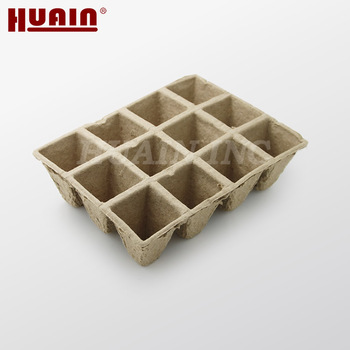
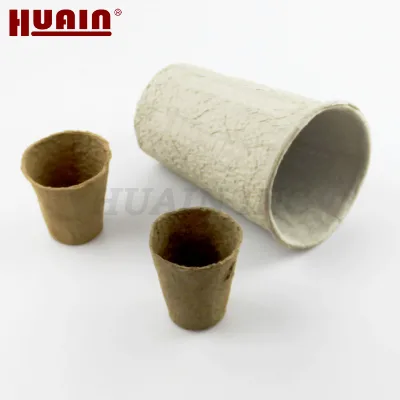
The observed product range includes items explicitly labeled as biodegradable saplings and herb plant seed starters, as well as custom recycled mode pulp trays. These products vary in material composition, with some listings specifying paper and cellulose acetate as raw materials, while others highlight corrugated paper or general pulp types. The physical dimensions also show significant variation, with seed starter pots available in small and large sizes, such as Dia66cm and Dia88cm, whereas packaging trays may have different single package dimensions. This diversity indicates that buyers must specify their exact dimensional and material requirements to avoid receiving products that are either too small for their seedlings or structurally unsuitable for their intended handling process.
Color and finishing options further expand the scope of available products, with brown being a common natural color for seed starters and yellow appearing in other pulp tray listings. The finishing processes observed include uncoated surfaces for biodegradable pots and embossing or debossing for branded packaging trays. Some products are packaged in shrink bags with color inserts, while others utilize export packing standards. These variations suggest that the visual and tactile qualities of the final product can be tailored to brand identity, but buyers must verify that any coatings or treatments do not compromise the biodegradability or compostability of the item, especially if the end-use involves direct soil contact.
Technical Specifications to Verify
Verifying the material composition is the most critical technical step when sourcing pulp molding products. Buyers should confirm whether the product is made from mechanical pulp, recycled pulp, or specific blends like cellulose acetate, as these materials behave differently during decomposition and offer varying levels of moisture resistance. For seed starter pots, the presence of paper-based materials is common, but the specific pulping type and any additives must be disclosed to ensure compatibility with organic gardening practices. Additionally, the shape and size specifications must be strictly validated, as deviations from the requested dimensions can impact planting density and root development in nursery settings.
The molding technique employed by the supplier significantly influences the product's durability and environmental profile. Dry press pulp molding is one observed technique, which typically produces denser, more rigid structures suitable for packaging, whereas other methods may yield softer, more porous pots ideal for seed germination. Buyers should inquire about the specific molding process to ensure it aligns with their performance requirements, such as water retention or structural integrity during transport. Furthermore, the single gross weight and package dimensions should be cross-referenced with shipping calculations to optimize logistics costs and ensure that the product arrives in optimal condition without excessive packaging waste.
Compliance and Safety Documentation
Certification status is a key indicator of a supplier's commitment to ethical and environmental standards. Some observed listings include BSCI certification, which verifies social compliance in the supply chain, ensuring that labor practices meet international standards. Buyers involved in sustainable procurement should prioritize suppliers with such certifications to mitigate reputational risk and align with corporate social responsibility goals. However, certification alone does not guarantee product performance, so it should be viewed as one component of a broader due diligence process that includes material safety and environmental impact assessments.
Environmental claims regarding biodegradability and recyclability must be substantiated with clear documentation. While products are described as eco-friendly and recyclable, buyers should request specific test results or compliance statements that define the conditions under which the product decomposes. This is particularly important for seed starter pots, which are intended to be planted directly into the soil. Buyers must verify that the product breaks down within a reasonable timeframe without leaving harmful residues, and that any branding or embossing does not introduce non-biodegradable elements. Clear communication with the supplier about these environmental attributes is essential to avoid greenwashing and ensure genuine sustainability.
Cost Drivers and Commercial Terms
The cost of pulp molding products is influenced by several factors, including raw material prices, customization requirements, and order volume. Observed minimum order quantities (MOQ) range widely, from 3,000 packs to 5,000 pieces, reflecting the flexibility of suppliers to accommodate different business sizes. Buyers should note that higher levels of customization, such as specific logo embossing or unique shapes, may increase the MOQ or unit price due to the setup costs associated with custom molds. Understanding these cost drivers allows buyers to negotiate more effectively and plan their inventory levels to balance cost efficiency with storage constraints.
Delivery lead times and payment terms are also significant commercial considerations. A typical delivery time of 45 days was observed, which buyers must factor into their supply chain planning to avoid stockouts. This lead time can vary based on the complexity of the order and the supplier's current production capacity. Buyers should clarify whether the quoted price includes export packing and any additional logistics services, as these can impact the total landed cost. Establishing clear commercial terms early in the sourcing process helps prevent misunderstandings and ensures a smooth transaction from order placement to product delivery.
Supplier Qualification and Quality Control
Evaluating supplier capabilities requires a focus on their manufacturing processes and quality control measures. Buyers should assess whether the supplier has in-house molding capabilities or relies on subcontractors, as this affects their ability to maintain consistent quality and meet customization requests. Suppliers that offer customized designs and accept custom orders demonstrate flexibility, but buyers must verify their track record in delivering products that meet specified technical requirements. Requesting samples before placing a large order is a prudent step to evaluate the physical quality, including the strength of the pulp structure and the accuracy of the embossed logos.
Quality control protocols should be clearly defined and agreed upon before production begins. Buyers should inquire about the supplier's inspection processes, including how they handle defects and ensure consistency across batches. Given the variability in observed product attributes, such as color and size, establishing clear acceptance criteria is essential. Buyers may also consider third-party inspection services for larger orders to verify that the delivered goods match the approved samples and specifications. This proactive approach to quality control helps minimize the risk of receiving substandard products and ensures that the supplier can reliably meet the buyer's expectations.
Long-Term Procurement Checks
Building a sustainable supply chain for pulp molding products requires ongoing monitoring of supplier performance and market trends. Buyers should regularly review supplier certifications and compliance records to ensure they continue to meet ethical and environmental standards. As regulations around biodegradable materials and packaging evolve, suppliers must adapt their processes and documentation accordingly. Buyers should stay informed about changes in industry standards and communicate these requirements to their suppliers to ensure continued compliance and product relevance.
Relationship management is also key to long-term success in sourcing these products. Establishing open lines of communication with suppliers allows for better collaboration on product development and problem-solving. Buyers should provide feedback on product performance and any issues encountered during use, which can help suppliers improve their offerings. Additionally, exploring opportunities for volume discounts or long-term contracts can provide cost stability and secure supply continuity. By maintaining a strategic approach to supplier relationships, buyers can ensure a reliable source of high-quality pulp molding products that support their business and sustainability objectives.
FAQs
What material are the biodegradable sapling pots made from?
The pots are constructed from paper and mechanical pulp. This composition ensures they are biodegradable and suitable for starting seeds in various environments without leaving harmful residues in the soil.
Can I request a customized logo on these seed starter pots?
Yes, customized logos are accepted for these products. The finishing process includes embossing or debossing options, allowing buyers to brand the packaging or the pots themselves according to their specific requirements.
What is the minimum order quantity for these nursery trays?
The minimum order quantity is 3000 packs for the specific round peat pots listed. Some variations may require 5000 pieces, so buyers should verify the exact model number before placing an order.
How long does it take to deliver these paper plant pots?
The standard delivery time is 45 days from the order date. This lead time applies to the production and shipping process originating from the manufacturing facilities in Zhejiang or Guangdong, China.
Which certifications do these molded pulp trays hold?
The products hold BSCI certification, indicating compliance with social compliance standards. This certification ensures that the manufacturing process meets specific ethical and safety requirements for international trade partners.
What sizes are available for these round peat pots?
Two size options are available: a large size with an 8cm diameter and a small size with a 6cm diameter. These dimensions are designed to accommodate different seed types and early growth stages effectively.
Are these seed starter pots suitable for multiple product uses?
Yes, the usage scope includes fruit, eggs, electronics, cosmetics, toys, medicine, hardware, and food. This versatility makes them suitable for various industrial applications beyond just gardening and plant propagation.