Source Pulp Pump for Mining, Chemical, and Wastewater Uses
Find 30 Pulp Pump options with varying capacities, heads, and materials. Buyers can compare single-stage and multistage designs, horizontal and suction centrifugal types, and certifications like CE and ISO 9001 for industrial applications.
Key considerations
Products List


$4000.00 - $12000.00
MOQ: 1 PIECE

$4000.00 - $12000.00
MOQ: 1 PIECE


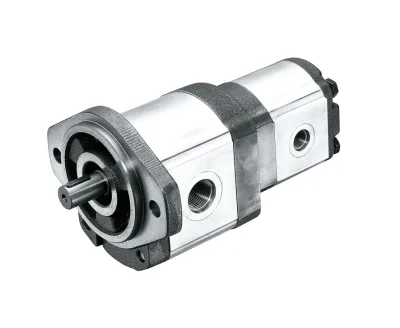
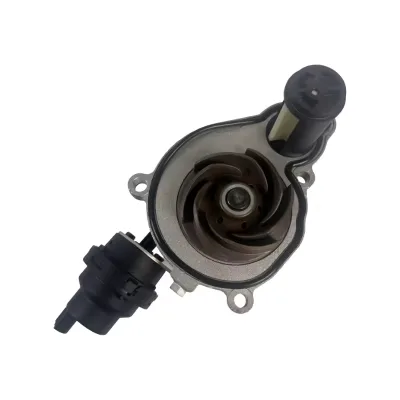

Comprehensive Sourcing Guide
Pulp Pump Sourcing Guide
Sourcing industrial pulp pumps requires a disciplined approach to technical verification and supplier qualification, as these critical assets handle abrasive, corrosive, and high-solid-content slurries in demanding environments. The procurement process must balance hydraulic performance with material durability, ensuring that the selected equipment can withstand the mechanical stress and chemical exposure inherent in pulp and paper processing, mining, or wastewater treatment operations. Buyers must navigate a complex landscape of specifications, from impeller design and casing configuration to motor power and mounting orientation, to identify units that align precisely with their operational parameters.
This guide provides evidence-based procurement strategies for sourcing pulp pumps, focusing on the verification of technical attributes, compliance documentation, and commercial terms. By leveraging observed market data and trusted industry knowledge, buyers can mitigate risks associated with equipment failure, inefficient energy consumption, and non-compliant manufacturing processes. The following sections detail the critical decision points in the sourcing journey, offering substantive guidance on how to evaluate suppliers, interpret technical specifications, and establish long-term procurement reliability without relying on unverified claims or speculative market data.
Product Scope and Observed Listing Signals
The market for pulp pumps exhibits a wide variance in product configurations, reflecting the diverse needs of different industrial applications. Observed listings indicate a broad price range, extending from approximately $3500 to $50,000, which suggests significant differentiation based on material quality, motor power, and manufacturing complexity. Minimum Order Quantities (MOQs) typically range from 1 to 5000 units, allowing for both single-unit replacements and large-scale plant upgrades. Buyers should interpret these signals as indicators of market segmentation, where lower-cost options may prioritize basic functionality while higher-priced units likely offer enhanced durability, specialized materials, or custom engineering solutions.
Product attributes observed in current listings reveal a strong emphasis on customization and specific hydraulic designs. Many suppliers offer customization options, allowing buyers to tailor pumps to unique slurry compositions or flow requirements. Common configurations include horizontal mounting positions and single-stage or multistage impeller arrangements, with some units featuring double-suction designs for balanced axial thrust. The presence of models with capacities exceeding 400 L/min and heads greater than 150m indicates that the market supports high-performance applications requiring substantial pressure and flow rates. Buyers must carefully match these observed capabilities to their specific process demands to avoid over-specification or underperformance.
Technical Specifications to Verify
Verifying the core hydraulic and mechanical specifications is paramount to ensuring pump compatibility with the intended service. Key attributes to validate include the driving type, which is predominantly motor-driven in observed listings, and the mounting height, with suction centrifugal designs being common for efficient fluid intake. The position of the pump shaft is frequently horizontal, which simplifies installation and maintenance in standard industrial settings. Buyers should confirm the influent type of the impeller, distinguishing between single-suction and double-suction configurations, as this choice impacts flow stability and bearing life. Additionally, the working pressure classification, often labeled as high-pressure pump in listings, must be cross-referenced with the system’s actual head requirements to prevent cavitation or mechanical failure.
Material selection and impeller design are critical determinants of pump longevity and efficiency. The impeller type, whether closed, open, or vortex, should be selected based on the solid content and particle size of the pulp being handled. For instance, open and vortex impellers are often preferred for slurries with large solids, while closed impellers offer higher efficiency for cleaner fluids. The pump casing material, frequently stainless steel in premium listings, provides essential resistance to corrosion and abrasion. Buyers must also verify the motor power ratings, which can range from 30kw to over 100kw, ensuring that the electrical infrastructure can support the selected unit. Surface treatments, such as polishing or lack thereof, also influence wear resistance and should be evaluated against the specific chemical environment of the application.
Compliance and Safety Documentation
Compliance with international standards and certifications is a non-negotiable aspect of industrial pump procurement. Listings frequently reference adherence to ISO, DIN, and ANSI standards, which provide a baseline for dimensional compatibility and performance testing. Buyers must verify that the supplier holds valid ISO 9001 certification for their manufacturing processes, ensuring consistent quality control from raw material sourcing to final assembly. Additionally, CE marking is often cited, indicating compliance with European health, safety, and environmental protection standards, which is crucial for exports or operations within regulated markets. These certifications serve as objective evidence of the supplier’s commitment to quality and regulatory adherence.
Safety and operational documentation must be thoroughly reviewed before finalizing any purchase. Buyers should request detailed technical manuals that include installation guidelines, maintenance schedules, and troubleshooting procedures. It is essential to confirm that the pump’s voltage ratings, such as 220/380V, match the local electrical supply to prevent motor damage. Furthermore, documentation should clearly state the manufacturing process, such as forging, which contributes to the structural integrity of critical components like the impeller and casing. Buyers must ensure that all safety interlocks and emergency shutdown procedures are clearly defined and that the supplier provides adequate training or support for safe operation.
Cost Drivers and Commercial Terms
Understanding the factors that influence pricing is essential for effective budget management and negotiation. The observed price range of $3500 to $50,000 is driven by several key variables, including the material of construction, motor power, and the complexity of the hydraulic design. Stainless steel components and high-efficiency motors typically command higher prices but offer longer service life and better energy efficiency. Customization options, such as special impeller geometries or unique casing materials, also add to the cost but may be necessary for specific applications. Buyers should analyze the total cost of ownership, considering energy consumption and maintenance requirements, rather than focusing solely on the initial purchase price.
Commercial terms and packaging details play a significant role in the overall procurement cost and logistics planning. Many suppliers offer packaging in marine wooden cases or standard wooden crates, which provide robust protection during transit but may incur additional freight costs. The origin of the product, with listings indicating sources from Shanghai or Jizozuo, Henan, can influence shipping times and tariffs. Buyers should negotiate clear terms regarding delivery schedules, warranty periods, and after-sales support. It is also advisable to clarify whether the quoted price includes installation services, commissioning, or spare parts, as these can significantly impact the final expenditure. Transparent commercial terms help avoid hidden costs and ensure a smooth procurement process.
Supplier Qualification and Quality Control
Supplier qualification is a critical step in mitigating the risk of receiving substandard equipment. Buyers should conduct thorough due diligence on potential suppliers, verifying their manufacturing capabilities, quality control processes, and track record in the industry. The presence of ISO 9001 certification is a strong indicator of a supplier’s commitment to quality management, but buyers should also request evidence of specific testing procedures for hydraulic performance and material hardness. Suppliers who offer make-to-order services may provide greater flexibility but require closer oversight to ensure that custom specifications are met accurately. Establishing a clear communication channel with the supplier’s technical team can help resolve any ambiguities in the product specifications.
Quality control measures should be integrated into the procurement process to ensure that the delivered pumps meet the agreed-upon standards. Buyers should consider implementing pre-shipment inspections to verify dimensions, material certifications, and functional performance. Requesting detailed inspection reports and test results from the supplier can provide additional assurance of product quality. Furthermore, buyers should evaluate the supplier’s ability to provide consistent quality across multiple orders, especially for large-scale projects. Building a long-term relationship with a qualified supplier can lead to better pricing, priority support, and improved product reliability over time.
Long-Term Procurement Checks
Establishing long-term procurement checks is essential for maintaining operational efficiency and minimizing downtime. Buyers should regularly review the performance of installed pumps, tracking metrics such as energy consumption, maintenance frequency, and replacement part costs. This data can inform future purchasing decisions, helping to identify trends and optimize the pump fleet for maximum efficiency. It is also important to stay updated on industry advancements and new technologies that may offer improved performance or durability. Engaging with suppliers for periodic reviews and feedback can help identify areas for improvement and ensure that the procurement strategy remains aligned with evolving operational needs.
Sustainability and regulatory changes are increasingly influencing procurement decisions in the industrial sector. Buyers should consider the environmental impact of their pump selections, prioritizing energy-efficient models and materials that minimize waste. Compliance with evolving environmental regulations, such as those related to emissions and wastewater discharge, may require upgrades or replacements of existing equipment. By proactively addressing these factors, buyers can future-proof their procurement strategies and contribute to the overall sustainability goals of their organization. Regular audits and reviews of the procurement process can help ensure that these long-term considerations are consistently integrated into decision-making.
FAQs
What materials are used for Pulp Pump construction?
Pulp pumps are commonly constructed from stainless steel to ensure durability and resistance to wear. This material choice supports friction and corrosion resistance, which are critical for handling abrasive slurries. The manufacturing process often involves forging to enhance structural integrity. These pumps are designed to withstand harsh industrial environments while maintaining operational efficiency over long periods.
Can pulp pumps be customized for specific applications?
Yes, customization is available for pulp pumps to meet specific operational requirements. Buyers can select from various models such as TPP, STZ, or AT-30kw depending on their needs. Customization options include adjusting capacity, head, and motor power. This flexibility allows for tailored solutions that align with unique industrial processes and performance expectations.
What is the typical capacity range for these pumps?
The capacity of pulp pumps typically ranges from 20 to 400 cubic meters per hour. Some models offer a flow rate of up to 1600 cubic meters per hour. Specific variants may provide capacities between 200 and 300 liters per minute. This wide range ensures suitability for diverse industrial applications requiring different throughput levels.
Which certifications do Pulp Pump manufacturers hold?
Manufacturers of pulp pumps often hold ISO 9001 certification for their manufacturing processes. Additionally, CE certification is common, ensuring compliance with European safety standards. These certifications verify that the production processes, such as forging, meet international quality and safety requirements. Buyers can rely on these standards for consistent product quality.
How are pulp pumps packaged for shipping?
Pulp pumps are typically packaged in marine wooden cases or standard wooden cases to ensure safe transport. This packaging protects the equipment from damage during transit. Some models may be packed according to specific requirements. The robust packaging ensures that the pumps arrive in optimal condition, ready for immediate installation and operation.
What is the maximum head height for these pumps?
The maximum head height for certain Pulp Pump models exceeds 150 meters. Other variants may offer a head range of 28 to 32 meters or 110 to 150 meters. This variation allows selection based on specific pressure requirements. High-head pumps are suitable for applications requiring significant vertical lift or pressure generation.