Source Pump Casing for Machinery, Auto, and Hardware Applications
Find 30 verified options for Pump Casing manufactured in China with ISO 9001 certification. Buyers can compare materials like iron and stainless steel, casting methods, and customization services from multiple suppliers.
Key considerations
Products List


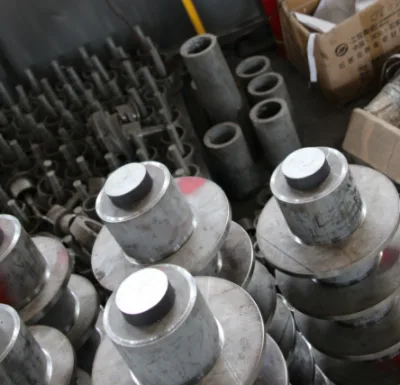
Stainless Steel Pump Casing for Water Pump Custom Pump Casting and Parts
$0.90 - $39.90
MOQ: 100 Pieces




Comprehensive Sourcing Guide
Strategic Sourcing Guide for Industrial Pump Casings
Technical Specifications and Material Selection
When sourcing pump casings, the primary objective is to align the physical properties of the component with the operational demands of the fluid system. The supply chain for these components is diverse, offering a spectrum of materials that dictate the casing's durability, corrosion resistance, and pressure handling capabilities. Based on available market data, buyers can source casings manufactured from Iron, Stainless Steel, Alloy Steel, Aluminum, Copper, Brass, and specialized Co-Ni-Ti Base Alloys. The selection of material is not merely a preference but a critical engineering decision that influences the entire lifecycle of the pump.
The manufacturing process selected often correlates with the material and the required precision. Common production methods observed in the market include Thermal Gravity Casting, Gravity Casting, and Investment Casting (also known as Lost Wax Casting). For applications requiring high dimensional accuracy, machining centers are frequently employed to refine the cast components. The surface finish is another critical technical parameter; observed specifications indicate surface roughness values ranging from Ra1.6 to Ra3.2, which must be verified against the specific fluid dynamics requirements of the pump. Additionally, the structural design of the casing, particularly for impeller-related components, may feature either Open or Closed blade structures, a distinction that affects flow efficiency and pressure generation.
Dimensional constraints are equally vital. Buyers should verify that the supplier can accommodate the specific weight requirements of the project, as observed ranges in the market span from 0.005 kg to 20 kg for certain components, and up to 300 kg or even 2000 kg for larger industrial units. The minimum wall thickness is a key structural indicator, with observed specifications citing a minimum of 1.5 mm. For custom applications, suppliers often support the creation of drawings in both 2D and 3D formats, allowing for precise tailoring of the casing geometry to fit unique pump housings.
Compliance, Certification, and Standard Verification
Ensuring that a Pump Casing meets international and industry-specific standards is a non-negotiable aspect of B2B procurement. The integrity of the supply chain relies heavily on the verification of certifications and adherence to established engineering codes. A recurring and high-confidence certification observed in the market is ISO 9001, specifically applied to machining processes with tolerances as tight as +/-0.01 mm. This certification indicates a robust quality management system, particularly for the machining of pump parts. Buyers should explicitly request evidence of ISO 9001:2015 compliance, which is a standard benchmark for quality assurance in manufacturing.
Beyond general quality management, specific industry standards govern the design and construction of pump casings. The market data confirms the availability of products compliant with ASME standards, which are critical for pressure vessel and piping applications. Furthermore, DIN standards are also present in the supply pool, offering an alternative framework for dimensional and material specifications. For more specialized applications, compliance with TEMA, JIS Code, China GB Code, and EN standards may be required. It is imperative for the buyer to cross-reference the supplier's documentation against the specific code mandated by the project's engineering team.
The chemical composition and mechanical properties of the casing material must also align with the relevant standards. While some suppliers state that these properties are "According to Drawing Material Request," others provide adherence to specific material standards. For high-performance applications, the verification of chemical composition and mechanical properties against the drawing specifications is essential. Buyers should not assume that a standard ISO certification covers all material-specific requirements; instead, they must demand test reports or certificates of analysis that confirm the material meets the specific ASME, DIN, or other applicable codes.
Cost Drivers and Pricing Dynamics
Understanding the cost structure of pump casings is essential for budgeting and negotiating effective procurement strategies. The pricing landscape for these components is highly variable, with observed market ranges extending from $0.25 to $50,000 USD. This vast disparity is driven by several key factors, including the complexity of the casting process, the cost of raw materials, and the level of post-processing required.
The choice of material is a primary cost driver. While Iron and Aluminum are generally more cost-effective, specialized alloys such as Co-Ni-Ti Base Alloys or high-grade Stainless Steels will significantly increase the unit cost. Similarly, the manufacturing process plays a pivotal role; Investment Casting and Lost Wax Casting often command higher prices due to the intricate tooling and labor involved, whereas Gravity Casting may offer a more economical solution for less complex geometries.
Production volume and customization levels also influence the final price. The Minimum Order Quantity (MOQ) observed in the market ranges from 1 piece for sample orders to 1000 pieces for bulk production. Suppliers often offer competitive pricing for larger batches, but the initial cost for a single sample unit may be disproportionately high due to setup and tooling fees. Additionally, the requirement for custom drawings and 3D modeling adds to the engineering costs, which are typically passed on to the buyer. Buyers should anticipate that the "standard packaging" options, such as wooden boxes or pallets, may incur additional charges depending on the weight and dimensions of the casing, which can range from 0.5 kg to 2000 kg.
Typical Applications and Industry Use Cases
Pump casings are fundamental components in a wide array of industrial sectors, each imposing unique demands on the hardware. The versatility of the available materials and manufacturing processes allows these components to serve diverse applications. In the hardware and machinery accessory sectors, pump casings are utilized for general fluid transfer, where durability and standard pressure ratings are sufficient. The market data indicates that these components are frequently applied in hardware tools and fasteners, suggesting their use in smaller-scale industrial equipment.
The automotive and motorcycle accessory industries represent another significant application area. In these sectors, the weight and precision of the casing are critical, as they directly impact vehicle performance and fuel efficiency. The ability to source casings with weights as low as 0.005 kg demonstrates the capability to meet the stringent requirements of automotive engineering. Furthermore, the "Normal Temperature" work temperature specification suggests that many standard casings are designed for ambient conditions, though specialized applications may require higher thermal resistance.
For heavy industrial applications, such as those involving large-scale fluid handling, the capacity to produce casings weighing up to 2000 kg is essential. These units are often found in water treatment facilities, chemical processing plants, and oil and gas infrastructure. The availability of materials like Alloy Steel and specialized Co-Ni-Ti Base Alloys indicates that the supply chain is equipped to handle corrosive or high-pressure environments common in these sectors. The "Application: Pump Parts" certification specifically highlights the targeted nature of these components, ensuring they are engineered for the specific stresses of pump operation.
Supplier Evaluation and Sourcing Strategy
Selecting the right supplier requires a rigorous evaluation process that goes beyond price comparison. Buyers must assess the supplier's technical capabilities, including their ability to handle custom drawings and their proficiency in various casting and machining techniques. The presence of a "Machining Center" and the capability for "Milling & Turning, Grinding, Electrical Discharge" are strong indicators of a supplier's ability to deliver high-precision components.
Geographic origin is another factor to consider. The majority of the observed supply originates from China, with specific hubs like Zhejiang identified as key production centers. While this location offers competitive pricing and a vast network of manufacturers, buyers must verify the logistics capabilities, including lead times and packaging standards. The observed packaging options, ranging from "Wooden Box Package" to "Carton Box+Wooden Pallet," suggest that suppliers have experience in handling various shipping requirements. However, for international shipments, the "Wood Pallet or as Per Customers' Requirement" option provides flexibility for custom logistics needs.
The "Support: OEM" attribute indicates that suppliers are willing to engage in original equipment manufacturing, allowing buyers to brand the components or integrate them into their own product lines. This level of customization is crucial for companies looking to differentiate their offerings. When evaluating suppliers, buyers should prioritize those who demonstrate a clear understanding of the "Mechanical Property" and "Chemical Composition" requirements, as these factors directly impact the longevity and safety of the pump.
Quality Control and Inspection Protocols
Maintaining consistent quality in Pump Casing production requires a robust inspection framework. The market data highlights that inspection frequency is "Depends on The Drawing Specification," which implies that the level of scrutiny should be tailored to the specific application and risk profile of the component. For critical applications, buyers should insist on a comprehensive inspection plan that includes dimensional checks, material verification, and surface finish analysis.
The observed machining tolerance of +/-0.01 mm is a high standard that should be a baseline for precision components. Buyers must verify that the supplier has the necessary metrology equipment to consistently achieve these tolerances. Surface roughness values of Ra1.6 and Ra3.2 are also critical; these values must be measured and documented to ensure they meet the fluid dynamics requirements of the pump. Any deviation from these specifications can lead to increased friction, reduced efficiency, or premature failure.
Heat treatment is another area where quality control is paramount. The data indicates that heat treatment is performed "According to Material Property," meaning that the process must be carefully controlled to achieve the desired hardness and tensile strength. Buyers should request detailed heat treatment records and verify that the process aligns with the material specifications provided in the drawing. Additionally, the "Sand Core Type" of Resin Sand Core is a specific detail that affects the internal geometry of the casting; verifying the integrity of the sand core is essential to prevent internal defects.
Long-Term Procurement and Lifecycle Management
Sourcing pump casings is not a one-time transaction but a long-term partnership that requires ongoing management. The "Production Type: Batch Production" observation suggests that suppliers operate on a schedule that may impact lead times and inventory management. Buyers should plan for potential fluctuations in production capacity and establish clear communication channels to manage these variables.
The "Customization: Available" attribute underscores the importance of maintaining a flexible supply chain. As product designs evolve, the ability to update drawings and modify casting parameters is crucial. Buyers should ensure that their suppliers have the agility to adapt to these changes without compromising quality or delivery schedules. Furthermore, the "Work Temperature: Normal Temperature" specification suggests that for most applications, the casing will not face extreme thermal stress, but buyers should still consider the long-term effects of thermal cycling on the material.
Packaging and storage are also long-term considerations. The use of "Wooden Packaging" and "Carton Box+Wooden Pallet" provides protection during transit, but buyers must ensure that these methods are suitable for the storage conditions of their facilities. Proper storage prevents corrosion and physical damage, extending the shelf life of the components. Finally, the "Standard: 120105105cm" and "Standard: 0.1kgs - 300kgs" specifications highlight the need for standardized logistics planning. By aligning procurement strategies with these standards, buyers can optimize their supply chain efficiency and reduce the risk of delays or cost overruns.
FAQs
What certifications do Pump Casing suppliers typically hold?
Suppliers typically hold ISO 9001 certification for machining processes with tolerances of plus or minus 0.01 mm. This certification ensures a robust quality management system specifically for pump parts and machining operations.
Which materials are available for manufacturing pump casings?
Available materials include Iron, Stainless Steel, Alloy Steel, Aluminum, Copper, Brass, and specialized Co-Ni-Ti Base Alloys. Buyers can select based on specific corrosion resistance and pressure handling requirements.
Can suppliers provide custom drawings for pump casings?
Yes, suppliers support custom drawings provided in both 2D and 3D formats from customer requests. This allows for precise tailoring of casing geometry to fit unique pump housing specifications.
What is the minimum order quantity for sample orders?
The minimum order quantity for sample orders is one piece. Bulk production orders may require quantities up to 1000 pieces depending on the specific supplier and product requirements.
How are pump casings packaged for shipment?
Packaging options include wooden boxes, wooden pallets, or carton boxes combined with wooden pallets. Suppliers often customize packaging as per customer requirements to ensure safe transport.
What surface roughness values are standard for these components?
Standard surface roughness values range from Ra1.6 to Ra3.2 depending on the specific application and process. These values must be verified against fluid dynamics requirements for optimal pump performance.