Source Pump Cap Capping Machine for Seasoning, Cosmetics, and Drinks
Find 30 pump cap capping machines suitable for sealing bottles in industries like cosmetics, beverages, and cleaning products. Compare specifications including automatic grades, voltage, and capping head types to select the right equipment for your production line.
Key considerations
Products List


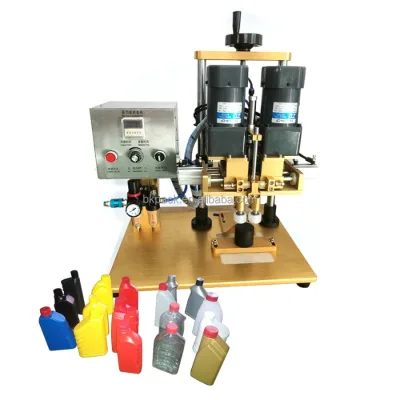


Comprehensive Sourcing Guide
Pump Cap Capping Machine Sourcing Guide
Selecting the right capping equipment is a critical decision for any packaging line, particularly when dealing with diverse container types such as PET bottles, glass jars, and aerosol cans. The market offers a wide spectrum of solutions, ranging from semi-automatic units designed for low-volume or flexible production runs to fully automatic high-speed lines integrated with filling and labeling systems. Buyers must first define their operational volume, container geometry, and cap type to narrow down the vast array of available machinery. This guide provides a structured approach to evaluating these machines, ensuring that procurement decisions are based on verified technical capabilities and commercial realities rather than marketing claims.
The sourcing process requires a careful balance between initial capital expenditure and long-term operational efficiency. While entry-level semi-automatic cappers offer lower upfront costs and flexibility for small batches, they demand more manual labor and may introduce variability in seal quality. Conversely, automatic systems provide consistency and speed but require significant floor space, higher energy consumption, and more complex maintenance protocols. Understanding these trade-offs is essential for aligning the equipment choice with your specific production goals, whether you are packaging beverages, cosmetics, cleaning agents, or pharmaceutical products.
Product Scope and Observed Listing Signals
The current market landscape for capping machinery reveals a broad range of capabilities, with observed price points spanning from approximately $100 to nearly $49,000 USD. This wide variance reflects the difference between simple manual or semi-automatic devices and complex, multi-station automatic lines. The minimum order quantity (MOQ) for most suppliers appears to be one unit, indicating that these machines are typically treated as capital equipment rather than consumable goods. Buyers should be aware that the lowest price points often correspond to basic semi-automatic models, while higher price tiers include integrated systems with advanced features like automatic bottle washing, filling, and labeling.
Listing signals indicate that suppliers offer extensive customization options, allowing for adjustments to fit specific container heights and cap sizes. For instance, some machines support a jar height range of 80-250mm and cap ranges of 80-180mm, with provisions for customizing special cap sizes. The machinery is designed to handle a variety of cap types, including pump caps, spray caps, trigger caps, and standard screw caps. This versatility is crucial for manufacturers who produce multiple product lines or frequently change packaging formats. However, buyers must verify that the specific customization options they require are explicitly confirmed in the contract, as standard models may have limited adjustability.
Technical Specifications to Verify
When evaluating technical specifications, the distinction between automatic and semi-automatic grades is paramount. Semi-automatic machines, such as those with a single capping head, often operate on 220V AC 50Hz power and require an air pressure of 0.4-0.6 Mpa. These units typically weigh around 35kg and have dimensions roughly around 250x300x500mm, making them suitable for smaller workspaces. In contrast, automatic high-speed lines are significantly larger, with standard dimensions reported around 1800x700x1700mm or 1800x750x1700mm, and are built for continuous, high-volume operation. Buyers must ensure that their facility has the necessary power supply, compressed air infrastructure, and physical space to accommodate the chosen machine.
Core components are another critical area for verification. Reliable capping machines rely on high-quality pumps, bearings, gearboxes, and motors to ensure consistent performance. The material of construction is also important, with many units featuring metal and plastic components to withstand the rigors of industrial use. Some listings mention specific models like the Mt-130 Labeling Machine or automatic lines for e-liquids and disinfectants, indicating a specialization in certain product categories. Buyers should request detailed component lists and manufacturer information for these core parts to assess durability and ease of replacement. Additionally, verifying the machinery test report and warranty terms, which are often provided for one year, can provide insight into the manufacturer’s confidence in their product’s reliability.
Compliance and Safety Documentation
Safety and compliance are non-negotiable aspects of industrial machinery procurement. Buyers must ensure that the capping machine meets the electrical and mechanical safety standards of their operating region. This includes verifying that the voltage and frequency specifications match local grid standards and that the machine is equipped with appropriate safety guards, emergency stop buttons, and interlocks to prevent operator injury. For machines handling hazardous materials like cleaning detergents or industrial chemicals, additional safety features may be required to protect against leaks or spills.
Documentation provided by the supplier should include comprehensive user manuals, maintenance guides, and compliance certificates. While specific certification names are not always listed, buyers should request evidence of conformity with relevant international or regional standards. The provision of a machinery test report is a positive indicator, suggesting that the unit has undergone functional testing before shipment. Buyers should also inquire about the availability of video technical support, which can be invaluable for troubleshooting issues during installation and initial operation. Ensuring that all safety documentation is in English and clearly explains operational procedures is essential for training staff and maintaining a safe working environment.
Cost Drivers and Commercial Terms
The total cost of ownership for a capping machine extends beyond the initial purchase price. Key cost drivers include the level of automation, the complexity of the capping mechanism, and the inclusion of additional features such as integrated labeling or filling stations. Semi-automatic machines are generally more affordable but may incur higher labor costs over time due to manual operation. Automatic systems, while more expensive upfront, can reduce labor costs and increase throughput, offering a better return on investment for high-volume production. Buyers should conduct a thorough cost-benefit analysis to determine which option aligns best with their production volume and budget constraints.
Commercial terms such as packaging, shipping, and after-sales service also impact the overall cost. Machines are typically packed in standard export wooden cases or polyboard cases to ensure safe transit. Buyers should clarify who is responsible for shipping costs, import duties, and insurance. After-sales service is another critical factor; while many suppliers offer a one-year warranty and video technical support, buyers should inquire about the availability of spare parts, the cost of extended warranties, and the response time for technical assistance. Understanding these commercial terms helps in negotiating a fair deal and avoiding unexpected expenses during the machine’s lifecycle.
Supplier Qualification and Quality Control
Evaluating supplier qualifications is essential to mitigate the risk of purchasing substandard equipment. Buyers should verify the supplier’s manufacturing capabilities, including their production facilities, quality control processes, and experience in the packaging machinery industry. Suppliers based in regions like Guangdong, China, are known for their manufacturing expertise, but buyers should still conduct due diligence to ensure the supplier has a proven track record of delivering reliable machinery. Requesting references from existing customers and reviewing case studies can provide valuable insights into the supplier’s performance and customer satisfaction levels.
Quality control measures should be clearly defined before placing an order. Buyers should insist on pre-shipment inspections to verify that the machine meets all specified technical requirements and functions correctly. This may include testing the capping torque, speed, and consistency on sample containers. Suppliers should provide a machinery test report and allow for third-party inspections if necessary. Additionally, buyers should ensure that the supplier offers comprehensive training and support to help their team operate and maintain the machine effectively. Establishing a strong relationship with a qualified supplier can lead to better service, faster problem resolution, and potential discounts on future purchases.
Long-Term Procurement Checks
Long-term procurement success depends on the machine’s durability, ease of maintenance, and the supplier’s ability to provide ongoing support. Buyers should assess the availability and cost of spare parts, such as motors, bearings, and capping heads, to ensure that downtime is minimized during repairs. Machines with standardized components are generally easier and cheaper to maintain. Buyers should also consider the machine’s energy efficiency and air consumption, as these factors contribute to ongoing operational costs. For example, an air consumption rate of 10L/min is a specific metric that buyers can use to estimate utility expenses.
Finally, buyers should establish a clear communication channel with the supplier for long-term support. This includes access to technical documentation, software updates (if applicable), and the ability to request custom modifications as production needs evolve. Regular maintenance schedules and preventive care plans should be developed in collaboration with the supplier to extend the machine’s lifespan. By focusing on these long-term factors, buyers can ensure that their investment in a Pump Cap Capping Machine delivers consistent value and supports their production goals for years to come.
FAQs
What customization options are available for the capping machine?
Customization is available for this Pump Cap Capping Machine to meet specific production needs. The equipment supports various cap types including pump, spray, trigger, and screwing caps, with adjustable ranges for jar heights from 80 to 250mm and caps from 80 to 180mm.
Which automatic grade options exist for this capping equipment?
The product line includes both automatic and semi-automatic grades for different production speeds. The semi-automatic model features a single capping head and weighs 35kg, while other listings indicate fully automatic capabilities for high-speed beverage or liquid filling lines.
Can the machine handle different packaging materials like plastic or metal?
Yes, the machine is designed to work with packaging materials including plastic, metal, and composite materials. It is suitable for sealing flexible containers and can process bottles made from PET, glass, or other materials used for liquids, cosmetics, and food products.
How is the machine packed for export shipping from China?
The machine is packed in standard export wooden cases or polyboard cases for safe international transport. The packaging dimensions vary slightly by model, with standard sizes around 1800mm in length, ensuring secure delivery from the Guangdong, China origin point.
What warranty and after-sales support does the supplier provide?
The supplier offers a one-year warranty and provides video technical support for after-sales service. Machinery test reports are also provided to verify performance, ensuring buyers receive documented quality assurance and remote assistance for operational issues.
Which applications are suitable for this liquid bottle capping machine?
This machine is suitable for a wide range of applications including seasoning, rice, flour, snacks, fish, meat, vegetables, fruits, tea, drinks, dairy, hair care, skin care, cosmetics, oil, cleaning, and detergent products. It handles various liquid and semi-liquid formulations effectively.