Source Pumice Stone for Landscaping, Agriculture, and Construction
Find 30 Pumice Stone listings from China, featuring options in black and red varieties with OEM packaging. Compare specifications for horticulture, aquariums, and building applications to select the right grade for your project needs.
Key considerations
Products List


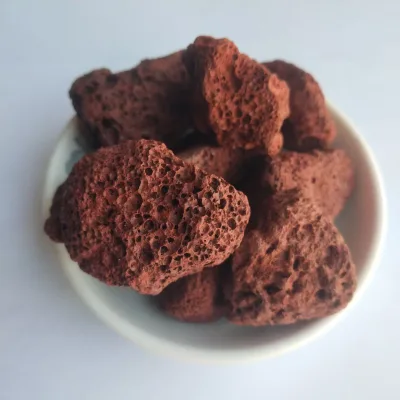
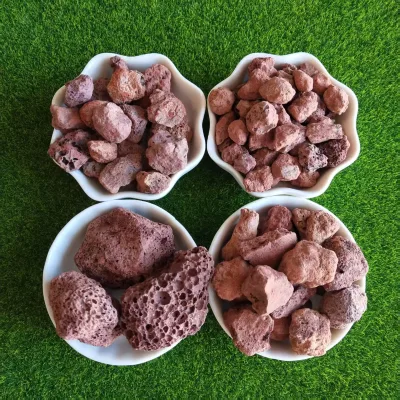

Natural Lava Rock Volcanic Rock Basalt Stone Red Landscaping Pumice Stone
$140.00 - $180.00
MOQ: 20 Tons
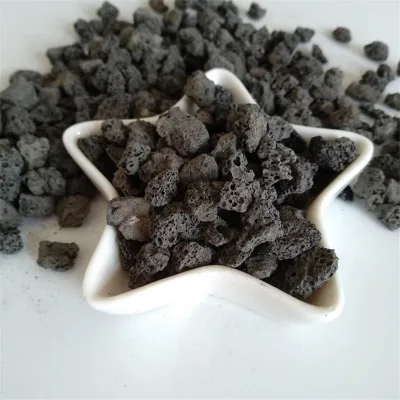
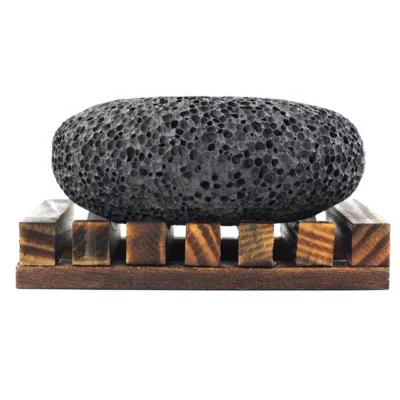



Comprehensive Sourcing Guide
Pumice Stone Sourcing Guide
Sourcing Pumice Stone requires a clear understanding of its dual nature as both a natural volcanic aggregate and a processed industrial material. Buyers must distinguish between raw, irregular blocks intended for horticultural or decorative use and graded, sized particles used in construction or filtration. The supply chain is heavily concentrated in regions with volcanic activity, with China, particularly the Hebei province, identified as a primary origin point for these materials. Understanding the specific form factor—whether block, granular, or powder—is the first critical step in defining procurement requirements, as this dictates handling, logistics, and end-use compatibility.
The market offers a wide spectrum of product grades, ranging from eco-friendly garden amendments to high-purity industrial aggregates. Observations indicate that suppliers often provide customization options, including OEM packaging and specific size gradations. However, the diversity of applications, from aquarium decoration to building construction, means that a single specification rarely fits all use cases. Procurement teams must align their technical requirements with the supplier’s production capabilities, ensuring that the material’s physical properties, such as porosity and hardness, match the intended functional outcome.
Product Scope and Observed Listing Signals
The observed product landscape reveals a significant divergence in product naming and application, highlighting the need for precise categorization. Listings frequently reference "Volcanic Stone" or "Lava Rock" alongside "Pumice Stone," often associating these materials with garden, aquarium, and plant applications. These products are typically described as eco-friendly and safe, with color variations including black and red. The presence of terms like "Honed" or "Polished" surface finishing suggests that some suppliers offer processed stones for aesthetic or specific functional purposes, such as floor applications or decorative landscaping, rather than raw bulk aggregate.
Conversely, other listings focus on technical specifications relevant to industrial or agricultural use. These entries highlight specific chemical compositions, such as silica (SiO2) and iron oxide (Fe2O3) content, alongside physical dimensions ranging from 1-3mm to 8-10cm. The observed packaging formats vary widely, from small 25kg bags to large 1000kg pallets, indicating flexibility in supply chain logistics. Buyers should note that while some products are marketed for horticulture, others are specified for building or aquarium use, requiring careful verification of the material’s purity and intended environment to avoid contamination or performance issues.
Technical Specifications to Verify
Dimensional accuracy and particle size distribution are paramount when sourcing Pumice Stone, as these factors directly impact performance in filtration, soil aeration, or construction applications. Suppliers may offer standard gradations such as 2-4mm, 4-8mm, or 8-12mm, but buyers must verify that the actual delivered product matches these ranges. The observed standard sizes of 1-3mm to 8-10cm suggest a broad capability, yet inconsistencies in grading can lead to clogging in filtration systems or poor soil structure in agricultural settings. Requesting sieve analysis reports or sample testing is essential to confirm that the particle size distribution meets the specific technical requirements of the project.
Chemical composition and physical density are equally critical verification points, particularly for industrial applications where purity is required. Observed data points include specific oxide levels, such as SiO2 at 53.82% and Fe2O3 at 9.08%, which may be relevant for buyers concerned with material reactivity or color stability. Additionally, the pH level of the stone, observed at 7, indicates neutrality, which is a desirable trait for horticultural and aquarium uses to prevent altering the chemical balance of the environment. Buyers should request detailed material safety data sheets (MSDS) or chemical analysis certificates to ensure that the stone does not contain harmful heavy metals or contaminants that could compromise safety or regulatory compliance.
Compliance and Safety Documentation
Certification status is a key indicator of a supplier’s commitment to quality management and consistent production standards. The observed presence of ISO certification suggests that some manufacturers adhere to recognized international standards for quality control, which can provide buyers with confidence in the consistency of their supply. However, the specific type of ISO certification, such as ISO 9001 for quality management systems, should be explicitly verified, as general references to "ISO" do not guarantee compliance with industry-specific safety or environmental regulations. Buyers should request valid certification documents and verify their authenticity through the issuing body to ensure that the supplier’s quality management systems are robust and up-to-date.
Safety documentation, particularly regarding dust generation and chemical leaching, is crucial for both worker safety and environmental protection. Pumice Stone processing can generate fine dust, which poses respiratory risks, so suppliers should provide information on dust control measures during handling and transport. For applications involving water, such as aquariums or hydroponics, buyers must ensure that the stone is free from soluble salts or harmful substances that could leach into the water. Requesting test results for leaching potential and dust content can help mitigate these risks, ensuring that the material is safe for both human handling and environmental integration.
Cost Drivers and Commercial Terms
Pricing for Pumice Stone is influenced by several factors, including the degree of processing, particle size, and packaging requirements. Observed price ranges vary significantly, from low-cost raw aggregates to higher-priced processed or customized products. The cost of raw material extraction, transportation, and processing all contribute to the final price, with smaller, more uniform sizes typically commanding a premium due to the additional screening and grading required. Buyers should consider the total landed cost, including shipping and handling, rather than focusing solely on the unit price, as logistics can represent a substantial portion of the overall expense, especially for bulk orders.
Minimum Order Quantities (MOQ) and payment terms are critical commercial considerations that affect supply chain flexibility. Observed MOQs range from 1kg for sample or small-scale orders to larger quantities for industrial buyers, with some suppliers offering flexible terms for OEM packaging. Lead times, observed at around 7 days for some products, indicate the speed of production and delivery, but buyers should confirm these timelines during the negotiation phase, as they can vary based on order volume and production schedules. Understanding the supplier’s capacity, observed at 200 tons per day for some manufacturers, can help buyers assess their ability to meet large or urgent orders without compromising quality or delivery schedules.
Supplier Qualification and Quality Control
Evaluating a supplier’s production capacity and quality control processes is essential for ensuring a reliable supply of Pumice Stone. Suppliers with high daily capacities, such as 200 tons, are better positioned to handle large orders and maintain consistent supply, but buyers should verify that these capacities are supported by adequate raw material sources and processing equipment. Requesting information about the supplier’s production line, including screening, washing, and packaging facilities, can provide insight into their ability to maintain product consistency and meet specific technical requirements. Additionally, assessing the supplier’s experience in exporting or supplying to international markets can indicate their familiarity with global standards and logistics.
Quality control measures, such as regular sampling and testing, are vital for maintaining product integrity throughout the supply chain. Buyers should inquire about the supplier’s internal quality control protocols, including how they handle batch-to-batch variations and what steps are taken to address customer complaints or returns. Requesting pre-shipment inspections or third-party quality verification can provide an additional layer of assurance, ensuring that the delivered product meets the agreed-upon specifications. Establishing clear communication channels and defining quality expectations in the purchase agreement can help prevent disputes and ensure that both parties are aligned on product standards.
Long-Term Procurement Checks
Building a long-term relationship with a Pumice Stone supplier requires ongoing monitoring of performance and adaptability to changing market conditions. Buyers should establish key performance indicators (KPIs) related to delivery times, product quality, and responsiveness to issues, reviewing these metrics regularly to assess supplier performance. Maintaining open communication and providing feedback can help suppliers improve their services and address any emerging challenges proactively. Additionally, staying informed about market trends, such as changes in raw material availability or regulatory requirements, can help buyers anticipate potential disruptions and adjust their procurement strategies accordingly.
Diversifying the supplier base is a prudent strategy to mitigate risks associated with single-source dependency. While maintaining a primary supplier for volume and consistency, buyers should identify and qualify alternative suppliers to provide backup options in case of supply chain disruptions or quality issues. Regularly reviewing and updating supplier qualifications, including certifications and quality control processes, ensures that the supply base remains robust and compliant with evolving standards. By fostering a collaborative and transparent relationship with suppliers, buyers can enhance supply chain resilience and secure a steady, high-quality supply of Pumice Stone for their operations.
FAQs
What certifications do Pumice Stone suppliers hold?
Suppliers typically hold ISO certification for their production processes. This ensures that the manufacturing and handling of volcanic stone meet international quality standards. Buyers should verify specific certification documents during the sourcing phase to confirm compliance with their regional regulatory requirements and safety protocols.
What is the typical shelf life of Pumice Stone products?
The standard shelf life for these products is five years. This long duration ensures that the material remains stable and effective for various applications, including horticulture and construction. Proper storage conditions are recommended to maintain the integrity of the stone blocks or granules over this extended period.
Can Pumice Stone be customized for specific projects?
Yes, customization is available for many Pumice Stone orders. Suppliers often accept OEM requests to tailor packaging or specifications to buyer needs. This flexibility allows businesses to align the product with their branding or specific technical requirements, ensuring the material fits seamlessly into their supply chain operations.
What are the common packaging options for Pumice Stone?
Common packaging includes woven bags, pallets, and bulk bags of various weights. Options range from 25kg bags to 1000kg bags to suit different logistics needs. The choice of packaging depends on the order volume and handling requirements, ensuring safe transport and easy storage for the end user.
What is the minimum order quantity for Pumice Stone?
The minimum order quantity can be as low as 1kg for samples or small trials. For bulk industrial orders, MOQs typically range up to 50 units or specific weight thresholds. Buyers should confirm the exact MOQ with the supplier, as it varies based on the product form and customization level.
Where are Pumice Stone products primarily manufactured?
Products are primarily manufactured in China, with Hebei being a key production region. This area is known for its natural stone resources and processing capabilities. Buyers sourcing from this location benefit from established supply chains and competitive pricing structures for various stone forms and finishes.