Source Pump Body Parts for Oil Drilling, Auto, and Industrial Use
Find 30 Pump Body components tailored for oil drilling, automotive, and industrial applications. Compare alloy and stainless steel options with CNC machining and casting methods to meet specific tolerance and wear resistance needs; compare the available evidence and request quotations based on your requirements.
Key considerations
Products List


2 Inch Pump Parts 3 Inch 4inch 6inch Manual Petrol Water Pump Body Spare Parts
$15.00 - $35.00
MOQ: 1 Pieces

Stainless Steel Pump Body for Water Pump Casting Parts Pump Impeller and Pump Cover
$0.90 - $39.90
MOQ: 100 Pieces


Ductile/Gray Iron Pump Body for Water Pump Casting and Pump Parts Experienced Custom Factory
$0.60 - $150.00
MOQ: 100 Pieces


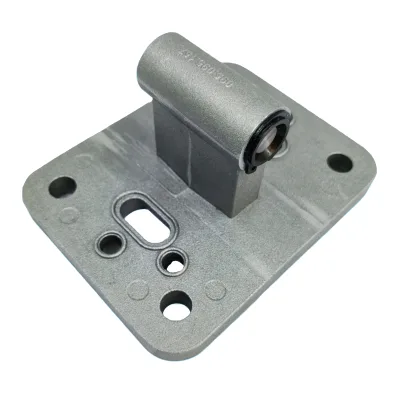


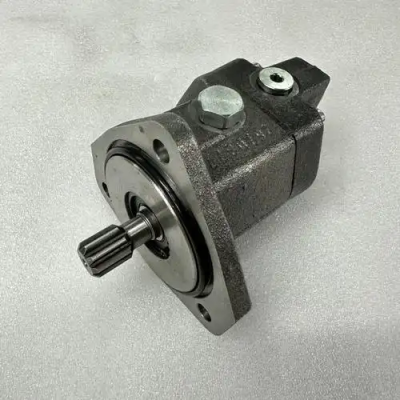


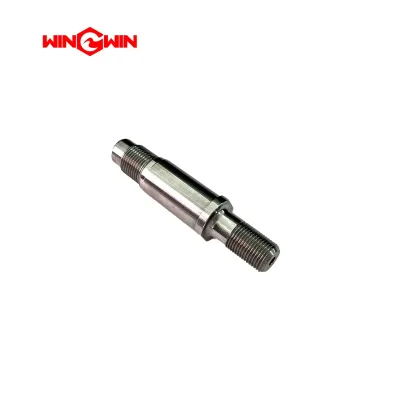
041137-1nozzle Body for Direct Drive Pump Water Jet Cutting Machine System
$204.53 - $715.85
MOQ: 1 pieces
Comprehensive Sourcing Guide
Pump Body Sourcing Guide
Sourcing a Pump Body requires careful attention to material integrity and dimensional precision, as these components form the structural core of fluid handling systems. Buyers must recognize that pump bodies are often customized to specific operational demands, with manufacturers offering flexibility in design and production methods. The observed market signals indicate a wide range of available models, including specific designations like F800, F1000, and F1300, which suggest standardized yet adaptable configurations. These variations allow procurement teams to select units that align closely with existing infrastructure or unique engineering requirements.
The supply landscape for pump bodies is characterized by significant customization capabilities, with many suppliers accepting drawings or samples to produce tailored solutions. This adaptability is crucial for industries such as oil drilling and petroleum extraction, where equipment must withstand harsh conditions and high pressures. Buyers should leverage this flexibility to ensure that the Pump Body not only fits mechanically but also performs reliably under specific stress conditions. Understanding the scope of customization helps in narrowing down suppliers who can meet precise technical and operational needs.
Product Scope and Observed Listing Signals
The product scope for pump bodies extends across various industrial applications, with a notable presence in oil drilling and petroleum drilling sectors. These environments demand high performance and wear resistance, qualities that are frequently highlighted as key advantages in supplier listings. The observed price range of 0.1 to 715.85 USD reflects the diversity in complexity, material quality, and production volume, allowing buyers to find options that fit different budget constraints. This variability underscores the importance of defining clear performance criteria before engaging with suppliers to avoid mismatches between cost and capability.
Minimum order quantities (MOQ) vary significantly, ranging from a single piece to 20,000 units, indicating that suppliers cater to both prototype development and large-scale production runs. This flexibility is particularly beneficial for buyers who need to test new designs or replace individual components without committing to massive inventory. Additionally, the condition of the products is consistently listed as brand-new, ensuring that buyers receive fresh, unused components. This consistency in condition helps maintain quality standards and reduces the risk of receiving refurbished or substandard parts.
Technical Specifications to Verify
Verifying technical specifications is critical when sourcing pump bodies, particularly regarding material composition and machining tolerances. Common materials include alloy and stainless steel, each offering distinct benefits in terms of corrosion resistance and strength. Buyers should confirm the specific alloy grades or stainless steel types to ensure compatibility with the fluids being pumped and the environmental conditions. Additionally, surface roughness values such as Ra6.3 and Ra12.5 are observed, indicating varying levels of finish quality that can impact fluid dynamics and wear characteristics.
Dimensional accuracy is another vital aspect, with machining tolerances often specified as plus or minus 0.01mm or 0.02mm. These tight tolerances are essential for ensuring proper fit and function within the pump assembly. Buyers should also inquire about the casting methods used, such as thermal gravity casting or investment casting, as these processes influence the internal structure and integrity of the component. Understanding these technical details helps in selecting a Pump Body that meets the rigorous demands of high-pressure and high-wear applications.
Compliance and Safety Documentation
Compliance with international standards is a key consideration for Pump Body procurement, with certifications such as ISO 9001, RoHS, and CE frequently mentioned. These certifications indicate that the manufacturer adheres to quality management systems and environmental regulations, which can be crucial for industries with strict regulatory requirements. Buyers should verify the validity of these certifications and ensure they cover the specific products being purchased. Additionally, standards like ANSI, GB, ASTM, and DIN may apply, depending on the regional and industry-specific requirements of the buyer.
Safety documentation should also include details on surface preparation and quality levels, such as polishing and certification levels for casting surface quality. These factors contribute to the overall reliability and safety of the Pump Body in operation. Buyers should request documentation that confirms the manufacturer’s ability to meet these standards consistently. This due diligence helps mitigate risks associated with non-compliance and ensures that the pump bodies will perform safely and effectively in their intended applications.
Cost Drivers and Commercial Terms
Cost drivers for pump bodies include material selection, production volume, and the level of customization required. The observed MOQ of one piece suggests that even small orders are feasible, though larger volumes may offer economies of scale. Buyers should consider the total cost of ownership, including maintenance and replacement costs, rather than just the initial purchase price. The ability to customize packing, such as using wooden boxes or cases, can also impact logistics costs and should be factored into the commercial terms.
Delivery times typically range from 15 to 30 days, which buyers should plan for in their supply chain management. After-sales support, such as online assistance, is often provided, which can reduce downtime and operational risks. Buyers should negotiate clear terms regarding warranty, returns, and support services to ensure long-term value. Understanding these commercial aspects helps in building a robust procurement strategy that balances cost, quality, and service.
Supplier Qualification and Quality Control
Supplier qualification involves assessing their manufacturing capabilities, quality control processes, and track record. Buyers should verify the supplier’s ability to handle large production volumes, with some manufacturers claiming a maximum ability of 100 tons per month. This capacity is important for ensuring consistent supply and meeting large orders. Additionally, the use of advanced machining techniques, such as CNC machining, indicates a commitment to precision and quality. Buyers should request evidence of these capabilities through audits or third-party inspections.
Quality control measures should include rigorous testing and inspection protocols to ensure that each Pump Body meets the specified standards. Buyers should inquire about the supplier’s process for handling defects and ensuring consistency across batches. The origin of the products, often listed as China or specific regions like Qingdao, should also be considered in the context of supply chain resilience and logistics. A thorough qualification process helps in selecting reliable suppliers who can deliver high-quality pump bodies consistently.
Long-Term Procurement Checks
Long-term procurement checks involve monitoring supplier performance and adapting to changing market conditions. Buyers should establish key performance indicators (KPIs) to track delivery times, quality metrics, and responsiveness to issues. Regular reviews of these metrics help in identifying potential problems early and maintaining a high standard of supply. Additionally, staying informed about industry trends and technological advancements can help buyers make informed decisions about future purchases and upgrades.
Building a strong relationship with suppliers is also crucial for long-term success. Open communication and collaboration can lead to better product designs, improved service, and more favorable commercial terms. Buyers should consider diversifying their supplier base to mitigate risks associated with single-source dependencies. By maintaining a proactive approach to supplier management, buyers can ensure a stable and efficient supply of pump bodies for their operations.
FAQs
What materials are used for Pump Body manufacturing?
Pump bodies are typically manufactured from alloy and stainless steel materials to ensure durability and corrosion resistance. These materials provide the necessary wear resistance and high performance required for demanding applications such as oil drilling and petroleum industries. The choice of material depends on specific operational requirements and environmental conditions.
Can pump bodies be customized according to drawings?
Yes, pump bodies can be fully customized based on customer drawings or samples. Manufacturers offer OEM services to produce parts that meet specific dimensional and functional needs. This customization allows for precise fitting into various pump systems, ensuring optimal performance and compatibility with existing machinery setups.
What certifications do Pump Body suppliers hold?
Reputable Pump Body suppliers often hold ISO 9001, CE, and RoHS certifications. These certifications indicate adherence to international quality management standards and environmental regulations. Buyers can verify these credentials to ensure the supplier maintains consistent quality control processes and meets global compliance requirements for industrial components.
What is the typical lead time for pump bodies?
The typical lead time for manufacturing and delivering pump bodies ranges from 15 to 30 days. This timeframe allows for proper machining, casting, and quality inspection processes. Buyers should plan their procurement schedules accordingly to ensure timely delivery for their drilling or industrial projects.
What is the minimum order quantity for pump bodies?
The minimum order quantity for pump bodies can start as low as one piece. This flexibility allows buyers to order single units for testing or small-scale projects. Higher volumes may be available for bulk orders, providing cost efficiencies for larger industrial procurement needs.
How are pump bodies packed for shipping?
Pump bodies are typically packed in wooden boxes or cases to protect them during transit. Packaging can be customized according to customer requirements to ensure safe delivery. This robust packaging method helps prevent damage and maintains the integrity of the precision-machined components during international shipping.