Source Pure Copper SMD Right-Angle Header for Automotive, PCB, and Audio
Find and compare Pure Copper SMD Right-Angle Header options for automotive, PCB, and audio applications. This sourcing guide covers 30 available models with varying impedance, housing materials, and certifications to help you select the right connector for your high-frequency or industrial projects.
Key considerations
Products List


Pin Header Connector Three Row Right Angle 2.54*2.54mm (0.100*0.100") H=2.5mm
$0.01 - $1.00
MOQ: 1000 Pieces


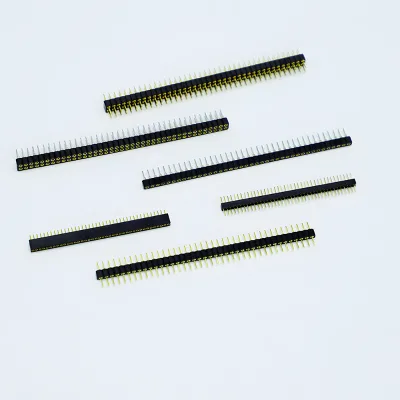
Comprehensive Sourcing Guide
Pure Copper SMD Right-Angle Header Sourcing Guide
Sourcing pure copper SMD right angle headers requires a careful balance of electrical performance, mechanical stability, and supply chain reliability. These components serve as critical interconnects in compact electronic assemblies, where space constraints demand surface-mount technology (SMT) compatibility and precise angular orientation. Buyers must prioritize vendors who demonstrate consistent manufacturing capabilities, particularly those based in established electronics manufacturing hubs like Dongguan, China, which are known for producing high-volume connector solutions. The decision to source from such regions often hinges on the availability of specialized tooling and the ability to support both standard and customized connector geometries.
The procurement process is further complicated by the diverse range of product models and specifications available in the market. Listings often feature a wide variety of part numbers, such as PH-C21, ZY-EJ11, and various 1125-series codes, indicating a broad portfolio that may include different pin counts, housing materials, and terminal configurations. Buyers need to navigate this complexity by clearly defining their technical requirements before engaging with suppliers. It is essential to verify that the supplier can provide the specific housing material, whether plastic or nylon, and the correct gender configuration, male or female, to ensure seamless integration into the final PCB design.
Product Scope and Observed Listing Signals
The current market landscape for SMD right angle headers reveals a significant diversity in product offerings, with observed price points ranging from $0.01 to $2.00 USD and minimum order quantities (MOQs) varying widely from single units to 5,000 pieces. This broad range suggests that suppliers cater to both prototyping needs and high-volume production runs, offering flexibility for different stages of the product lifecycle. Buyers should note that while some listings support small orders and sample requests, others may require larger commitments, making it crucial to align order volume with the supplier’s production capacity and pricing tiers.
Observed product attributes indicate a strong emphasis on customization and specialized applications. Many suppliers offer molded terminals and support for "All in One" card numbers, suggesting versatile connectivity solutions for complex assemblies. The application scope extends beyond standard consumer electronics to include automotive, audio and video, PCB, FPC, power, railway, industrial projects, aerospace, and even military aviation sectors. This wide applicability highlights the importance of selecting a supplier who can provide robust connectors capable of withstanding the specific environmental and operational demands of your target industry, whether it involves high-frequency signals or heavy industrial loads.
Technical Specifications to Verify
When evaluating technical specifications, buyers must closely examine the terminal material and housing composition to ensure optimal conductivity and durability. While the core keyword specifies pure copper, observed listings frequently cite copper alloy, brass, and phosphor bronze for terminals, each offering different trade-offs between conductivity, spring force, and corrosion resistance. The housing material is equally critical, with options ranging from general plastic to nylon, which provides better thermal stability and flame retardancy. Verifying these material compositions is essential to prevent signal degradation or mechanical failure under thermal stress, especially in high-frequency applications where impedance matching between 85-100 Ohms is required.
The physical dimensions and interface types also play a pivotal role in the selection process. Mated heights can vary significantly, ranging from 2.50mm to 9.60mm, requiring precise alignment with the PCB stack-up and enclosure constraints. Additionally, interface types such as D-SUB (VGA) or standard wafer connectors dictate the mating compatibility with existing systems. Buyers should verify the pole count, with some listings supporting up to 8 poles, and confirm whether the product features a steel shell or a brass terminal with a plastic body. Ensuring that the dimension is customized to different requirements or matches standard reel tube packing formats is vital for automated assembly line efficiency.
Compliance and Safety Documentation
Regulatory compliance is a non-negotiable aspect of sourcing electronic components, particularly for products destined for global markets. Buyers must insist on verified certification documents, with RoHS and CE being the most commonly observed standards in the provided listings. These certifications indicate that the materials used in the connectors, including the copper alloys and plastic housings, meet strict environmental and safety regulations regarding hazardous substances. It is crucial to request up-to-date test reports and certificates of conformity from the supplier to ensure that the components do not contain restricted materials that could lead to regulatory penalties or product recalls.
Beyond basic certifications, buyers should verify adherence to specific industry standards that may apply to their application sector. For instance, connectors used in automotive or aerospace projects may require additional testing for vibration resistance, temperature cycling, and long-term reliability. The observed listings mention standards such as "Standard" or specific constructions like "steel shell+plastic body +terminal," which may imply compliance with certain mechanical durability norms. Buyers should clarify with the supplier whether these standards are internal company specifications or recognized international norms, and request documentation that proves the product’s ability to withstand the operational stresses of its intended environment.
Cost Drivers and Commercial Terms
Understanding the cost drivers behind SMD right angle headers is essential for effective budgeting and negotiation. The primary factors influencing price include the raw material costs of copper alloys and plastics, the complexity of the molding process, and the volume of the order. Suppliers offering customization services, such as different dimensions or specialized terminal structures, may charge premiums due to the additional tooling and setup costs involved. Additionally, the choice of packaging, whether tray packing, bag and tube, or paper box with express shipping options, can impact the final landed cost, especially for smaller orders where shipping fees constitute a significant portion of the total expense.
Commercial terms, including lead times and payment conditions, also play a significant role in the total cost of ownership. Observed lead times range from 7-10 days for some suppliers to 15 days for others, which can affect inventory management and production scheduling. Buyers should negotiate clear terms regarding sample availability, trial orders, and small order support to mitigate risk during the initial sourcing phase. It is also important to clarify whether the quoted prices include taxes, duties, and shipping costs, and to establish a reliable communication channel for handling any discrepancies or delays in delivery, ensuring a smooth procurement process.
Supplier Qualification and Quality Control
Supplier qualification is a critical step in ensuring the reliability and consistency of the sourced components. Buyers should prioritize suppliers who operate from established manufacturing bases, such as those in Dongguan City, China, which are known for their robust electronics manufacturing ecosystems. These suppliers often have the infrastructure to support high-volume production and offer comprehensive quality control measures. It is advisable to request information about the supplier’s quality management systems, including ISO certifications and internal testing protocols, to ensure that they can consistently meet the specified technical requirements and maintain high product quality standards.
Quality control processes should extend beyond final inspection to include incoming material verification and in-process monitoring. Buyers should inquire about the supplier’s procedures for testing terminal conductivity, housing integrity, and dimensional accuracy. The ability to provide detailed inspection reports and traceability information for each batch is a strong indicator of a supplier’s commitment to quality. Additionally, suppliers who offer support for samples and trial orders demonstrate confidence in their product quality and provide buyers with the opportunity to validate the components before committing to large-scale production, reducing the risk of defects in the final assembly.
Long-Term Procurement Checks
Long-term procurement success depends on establishing a sustainable and resilient supply chain for SMD right angle headers. Buyers should regularly review supplier performance metrics, including on-time delivery rates, defect rates, and responsiveness to technical queries. Maintaining open communication channels and fostering a collaborative relationship with the supplier can help address any emerging issues promptly and ensure continuous improvement in product quality and service. It is also important to monitor market trends and technological advancements in connector technology, as these may influence the availability and performance of future product iterations.
Diversifying the supplier base is a prudent strategy to mitigate supply chain risks. While relying on a single supplier may offer cost advantages, it exposes the buyer to potential disruptions caused by production issues, raw material shortages, or geopolitical factors. By qualifying multiple suppliers who meet the same technical and compliance standards, buyers can ensure business continuity and maintain competitive pricing. Regular audits and performance reviews of all qualified suppliers will help identify any deviations from expected standards and allow for timely corrective actions, ensuring that the procurement process remains efficient and reliable over the long term.
FAQs
What certifications do these connectors have?
These connectors hold RoHS and CE certifications to ensure compliance with safety standards. Some listings also mention ISO CE approval. This confirms they meet environmental and electrical safety requirements for automotive and industrial applications without additional testing.
Can I order samples before bulk purchase?
Yes, sample support is available for these connectors to verify quality before commitment. Trail orders are also supported for testing purposes. This allows buyers to evaluate the molded terminal structure and copper alloy material before placing larger orders.
What is the typical delivery lead time?
The standard delivery lead time is 15 days for most orders. Some specific models may have a shorter window of 7 to 10 days depending on factory capacity. This ensures timely supply for automotive and PCB projects requiring high-frequency performance.
Which terminal material is used in these headers?
The terminal material is primarily copper alloy, with some variants using phosphor bronze or brass. This ensures excellent conductivity and durability for right angle connections. The housing is typically made of plastic or nylon to provide insulation and structural support.
Are customization options available for these parts?
Customization is available to meet specific project requirements such as dimensions or pin counts. Buyers can request tailored solutions for automotive or aerospace applications. This flexibility allows for precise integration into PCBs and FPCs while maintaining standard electrical characteristics.
What is the minimum order quantity for these items?
The minimum order quantity ranges from 1 to 5000 units depending on the specific model and supplier. Small orders are available for testing or prototyping phases. This range accommodates both small batch needs and large-scale production runs for industrial projects.
Where are these connectors manufactured?
These connectors are manufactured in China, specifically based in Dongguan City. The origin is confirmed as Made in China for most listed products. This location supports efficient production and logistics for global distribution to automotive and audio markets.