Source Pure Electric New Energy Vehicle for logistics, urban transit, and delivery
Explore 30 listings for Pure Electric New Energy Vehicle options ranging from compact urban models to larger transport units. Buyers can compare specifications like battery capacity, driving range, and motor torque across various manufacturers in China.
Key considerations
Products List


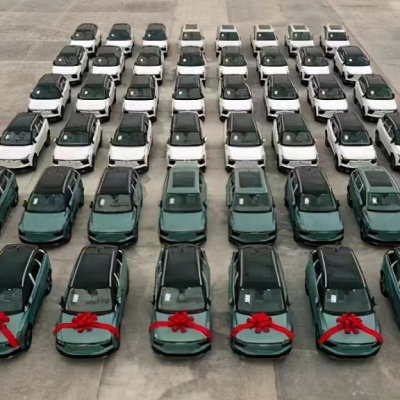

Latest Online Purchase of Aion-Y Chinese Pure Electric New Energy Electric Vehicles
$12000.00 - $12800.00
MOQ: 1 Pieces


Supports Fast Charging for Best-Selling New Energy Electric Vehicles
$20000.00 - $22000.00
MOQ: 1 Pieces


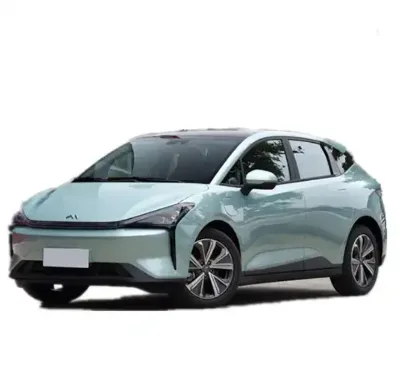

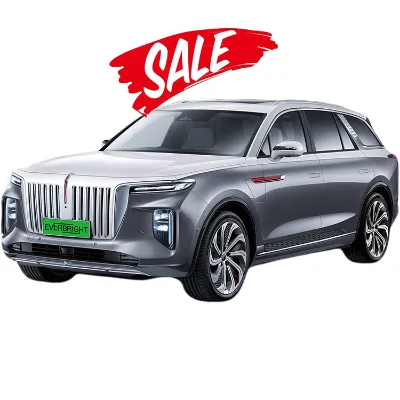


$1700.00 - $1800.00
MOQ: 1 Pieces

$52700.00 - $67600.00
MOQ: 1 Pieces


Electric Vehicles High Speed EV Car Family Car Electric Cars Adults Vehicle
$12000.00 - $20000.00
MOQ: 1 Sets

Comprehensive Sourcing Guide
Strategic Sourcing Guide for Pure Electric New Energy Vehicles
The global shift toward sustainable mobility has elevated the Pure Electric New Energy Vehicle (NEV) from a niche alternative to a core component of modern fleet and personal transportation strategies. For B2B procurement professionals, sourcing these vehicles requires a rigorous, evidence-based approach that prioritizes technical alignment, regulatory compliance, and total cost of ownership over initial sticker prices. The market presents a diverse array of configurations, ranging from compact urban commuters to heavy-duty commercial transporters. This guide outlines the critical dimensions buyers must evaluate to secure reliable supply chains and operational efficiency.
Technical Specifications and Performance Metrics
When evaluating pure electric vehicles, the primary focus must be on the technical specifications that directly impact operational utility. The data landscape reveals significant variation in vehicle architecture, particularly regarding battery capacity, range, and power output. Buyers must distinguish between passenger-oriented models and utility-focused units, as their engineering priorities differ substantially.
For instance, specific market listings indicate vehicles with a driving range of approximately 100 kilometers, powered by Lithium Iron Phosphate batteries with a capacity of 10.36 kWh. These units often feature a peak power output of 15 kW and a maximum torque of 90 N·m, achieving a top speed of 71 km/h. Such specifications are typical for light-duty urban delivery or short-range commuter applications. In contrast, other segments may list models with a maximum speed of 150 km/h and a wheelbase of 2750 mm, suggesting a design optimized for higher-speed highway travel or larger passenger capacity.
The physical dimensions of the vehicle are equally critical for logistics planning. Observed standard dimensions for certain models include a length of 3490 mm, width of 1465 mm, and height of 1685 mm, while others may reach 4535 mm in length with a width of 1870 mm. These variations dictate parking requirements, garage clearance, and cargo volume capabilities. For example, a cargo volume of approximately 2.6 cubic meters is a specific attribute observed in certain configurations, which is vital for logistics managers estimating payload efficiency.
Furthermore, the drivetrain configuration influences vehicle dynamics. Listings show a prevalence of Front-Wheel Drive (FWD) systems and Automatic gearboxes, which are standard for smooth urban operation. However, some specialized units may feature different drive wheel configurations, such as 4× systems, though these are less common in the standard passenger segment. The braking systems also vary, with Electromagnetic braking systems appearing in specific technical profiles, offering distinct maintenance and performance characteristics compared to traditional hydraulic systems.
Compliance and Certification Verification
Navigating the regulatory landscape is perhaps the most complex aspect of sourcing pure electric vehicles. Unlike consumer goods, vehicles must adhere to strict safety and environmental standards that vary by region. A robust procurement strategy demands verification of all relevant certifications before finalizing any purchase order.
The supply chain data highlights several key certification markers that buyers should actively seek. These include ISOCCC, CE, EEC, DOT, CCC, and EPA certifications. The presence of these marks indicates that the vehicle has undergone specific testing protocols for electromagnetic compatibility, environmental safety, and roadworthiness. For example, tire certifications such as ECE, GCC, ISO, and DOT are essential for ensuring that the rolling stock meets international safety standards.
Buyers must also verify the origin of the vehicle, as manufacturing locations often correlate with specific regulatory frameworks. The observed data points to origins in Jiangsu and Guangdong, China, regions known for significant automotive manufacturing activity. However, the mere mention of a location does not guarantee compliance with the buyer's local regulations. A vehicle certified for the Chinese market (CCC) may not automatically qualify for sale in the European Union (CE/EEC) or the United States (EPA/DOT) without additional testing or modification.
The "Mgnt Certification" and specific steering configurations, such as "Left" steering, are also critical details. Procurement teams must ensure that the vehicle's steering orientation matches the local traffic laws of the destination country. Similarly, the "Seat No." and "Type:BEV" attributes confirm the vehicle's classification as a Battery Electric Vehicle, which is necessary for accessing specific tax incentives or low-emission zone access in many jurisdictions.
Cost Drivers and Pricing Dynamics
The pricing structure for pure electric vehicles is influenced by a complex interplay of factors, including battery technology, vehicle size, and customization levels. The observed market data reveals a staggering price range, with unit costs varying from as low as 7 USD to as high as 67,600 USD. This wide disparity underscores the importance of defining clear requirements before engaging with suppliers.
The lower end of the price spectrum often corresponds to highly specialized, small-scale units or components, while the higher end reflects fully equipped passenger vehicles or commercial fleets with advanced features. The Minimum Order Quantity (MOQ) is another significant cost driver, with observed ranges spanning from 1 to 100 units. Buyers seeking to minimize inventory risk may find single-item selling units attractive, whereas those looking to optimize unit costs through economies of scale must be prepared to meet higher MOQ thresholds.
Customization availability is a pivotal factor in the final cost. The data confirms that customization is available for many models, allowing buyers to tailor specifications such as body style, seating capacity, and battery capacity to their specific operational needs. However, these customizations invariably add to the base price and may extend lead times. Additionally, packaging requirements, such as the use of wooden boxes, steel pallets, and anti-slip devices, contribute to the overall landed cost and must be factored into the budget.
Typical Applications and Use Cases
Understanding the intended application of the vehicle is essential for selecting the right model. The diverse specifications observed in the market suggest that pure electric vehicles serve a wide array of functions, from personal urban commuting to commercial logistics.
Compact models with a wheelbase of 2350 mm and a kerb weight of 910 kg are ideally suited for dense urban environments where maneuverability and parking space are at a premium. These vehicles, often featuring a 2-seat configuration and a driving range of 90 to 100 km, are perfect for last-mile delivery services or municipal patrol duties. The 48V voltage system in some of these units indicates a design optimized for energy efficiency and lower power consumption.
Conversely, larger models with a GVW (Gross Vehicle Weight) of 1450 kg and a load capacity of 1-10 tons are designed for heavier commercial tasks. These vehicles, which may feature a closed body style and a cargo volume of 2.6 cubic meters, are suitable for transporting goods in industrial zones or for fleet operations requiring higher payload capacity. The "New" condition of all listed products ensures that buyers receive vehicles with zero mileage, which is critical for warranty coverage and long-term reliability.
Supplier Evaluation and Selection Criteria
Selecting the right supplier requires a thorough evaluation of their capabilities, reputation, and adherence to quality standards. While specific supplier names cannot be recommended, buyers should look for suppliers who demonstrate transparency in their product attributes and certifications.
Key evaluation criteria include the supplier's ability to provide detailed technical documentation, including the specific model numbers (e.g., SZY5041XGCQ6, AION Y, H01) and standard dimensions. A reputable supplier will clearly articulate the vehicle's origin, whether it is Jiangsu or Guangdong, and provide verifiable proof of certifications like ISOCCC or CE.
Buyers should also assess the supplier's flexibility regarding customization and packaging. The ability to offer options such as wooden box packaging or specific anti-slip devices indicates a supplier capable of meeting diverse logistical needs. Furthermore, the supplier's responsiveness to inquiries about lead times and MOQs is a strong indicator of their operational maturity. A supplier that can clearly explain the relationship between customization and pricing is more likely to deliver a successful procurement outcome.
Quality Control and Long-Term Procurement Considerations
Ensuring the long-term viability of the procurement investment requires a focus on quality control and after-sales support. The "New" condition and "0" mileage of the vehicles are baseline expectations, but buyers must also verify the integrity of the battery systems and other critical components.
The Type of Battery, specifically Lithium Iron Phosphate, is a significant quality indicator, known for its safety and longevity. However, buyers should request test results or performance data regarding charging times, which are observed to be around 4 hours for certain models, and driving ranges, which vary from 90 to 100 km. These metrics directly impact the operational efficiency of the fleet.
Long-term considerations also include the availability of spare parts and the supplier's commitment to maintenance support. The "Total Motor Torque" being listed as "other" in some profiles suggests that buyers should seek clarification on the exact torque specifications to ensure compatibility with their specific operational demands. Additionally, the "Body Style" and "Body Type" (e.g., SUV, Closed) should be verified to ensure they align with the intended use case over the vehicle's lifespan.
Conclusion
Sourcing pure electric new energy vehicles is a multifaceted process that demands a deep understanding of technical specifications, regulatory requirements, and market dynamics. By carefully analyzing the observed data ranges, verifying certifications, and evaluating supplier capabilities, buyers can make informed decisions that align with their strategic goals. The wide variation in price, MOQ, and specifications offers opportunities for tailored solutions, but it also requires diligence to avoid mismatches between product capabilities and operational needs. Ultimately, a disciplined, evidence-based approach to procurement ensures the acquisition of high-quality, compliant, and efficient electric vehicles that drive sustainable business growth.
FAQs
What certifications are available for these vehicles?
Available certifications include ISOCCC, CE, EEC, DOT, CCC, and EPA. Buyers must verify that specific marks like ECE or GCC for tires match their local regulatory requirements before purchase.
How does the battery capacity affect driving range?
Vehicles with a 10.36 kWh Lithium Iron Phosphate battery typically offer a driving range of about 100 kilometers. Other models may list a range of 90 kilometers depending on the specific configuration and load capacity.
Which suppliers offer customization for these units?
Customization is available for many models, allowing adjustments to body style and seating capacity. Buyers should confirm specific customization options and associated lead times with the supplier before finalizing orders.
Can I find vehicles with a specific wheelbase dimension?
Yes, models are available with wheelbases such as 2350 mm or 2750 mm. Selecting the correct dimension depends on whether the vehicle is intended for compact urban maneuvering or larger passenger transport.
What is the minimum order quantity for these vehicles?
The minimum order quantity ranges from 1 to 100 units depending on the supplier and model. Single-item selling units are available for buyers seeking to minimize initial inventory risk.
Where are these vehicles manufactured?
Manufacturing origins include Jiangsu and Guangdong in China. Buyers should verify the specific place of origin to ensure compliance with regional manufacturing standards and logistics planning.