Source Pure Dew Catnip Extract for health food, pet care, and herbal supplements
Compare 30 listings for Pure Dew Catnip Extract sourced from Shaanxi, China. Buyers can review specifications like extraction type, form, and certifications including ISO9001 and Halal to find suitable options for health food, pet care, and herbal supplement applications.
Key considerations
Products List
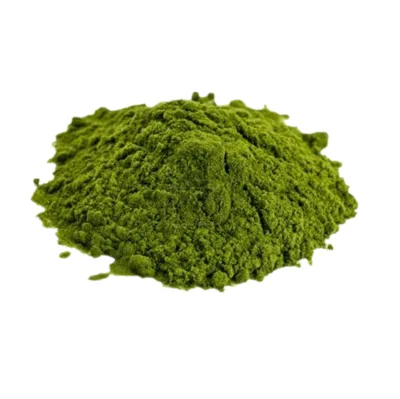
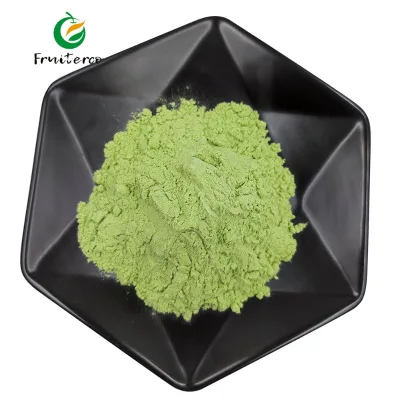
Ausreson Hot Sale Pure Natural No Additives Catnip Extract Bulk Catmint Catnip Powder
$50.00 - $100.00
MOQ: 1 Minimum


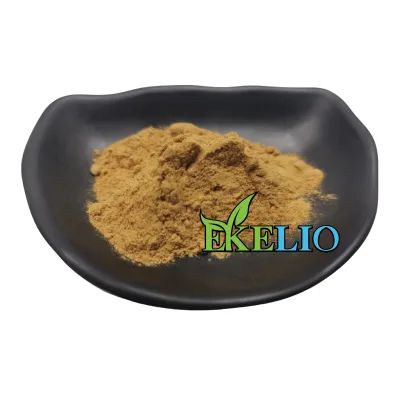
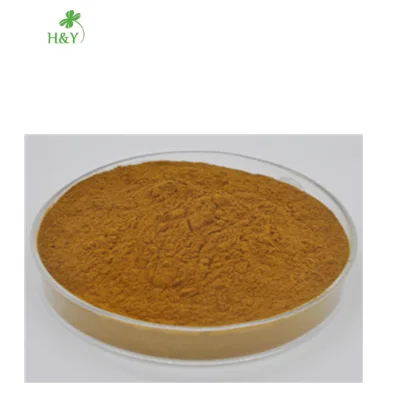
Natural Catnip Extract Powder Plant Extract Catnip Leaf Extract Powder
$13.28 - $15.32
MOQ: 1 kilograms
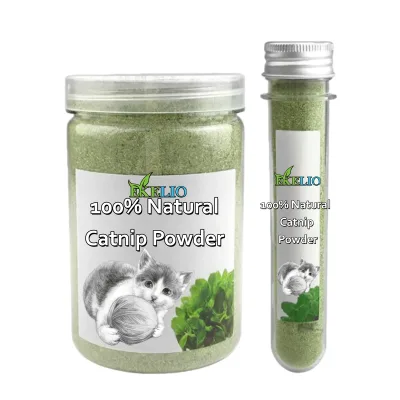
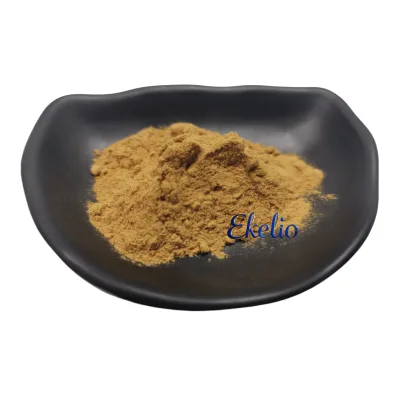




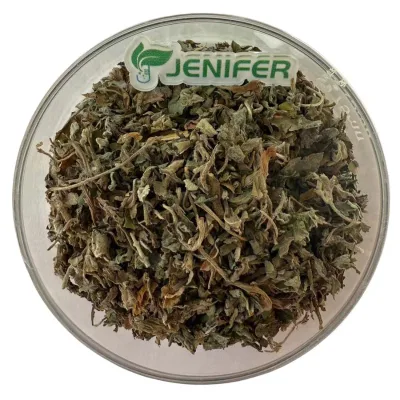
Natural Dried Catnip Both Leaf and Stem for Cat Kitten Bulk Crushed Catnip Leaf
$20.15 - $22.19
MOQ: 1 Minimum
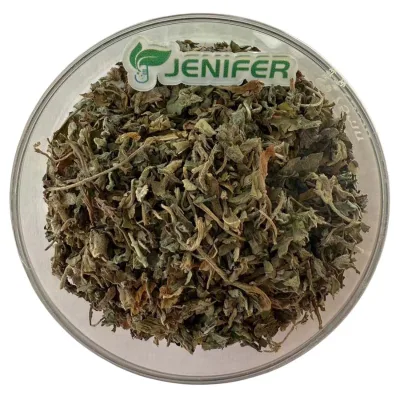
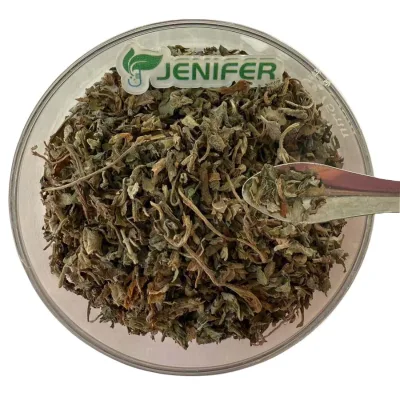
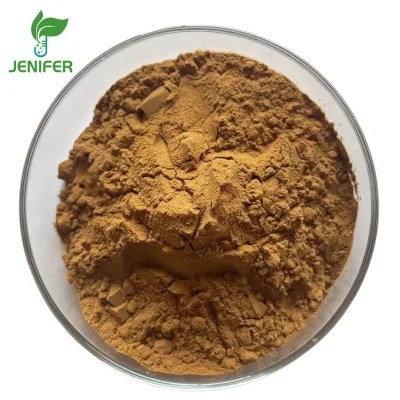


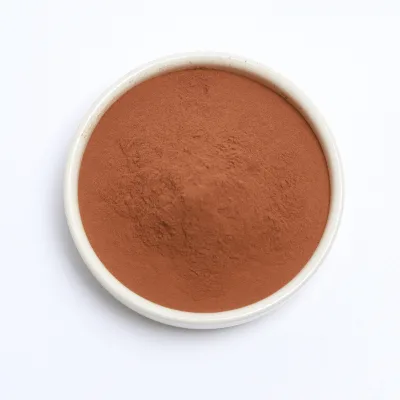
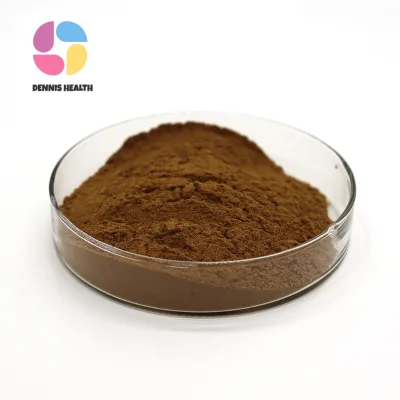
10:1 Nutritional Supplement Nepeta Cataria Catnip Extract Nepetalactone Catnip Extract
$14.37 - $15.40
MOQ: 1 kilograms
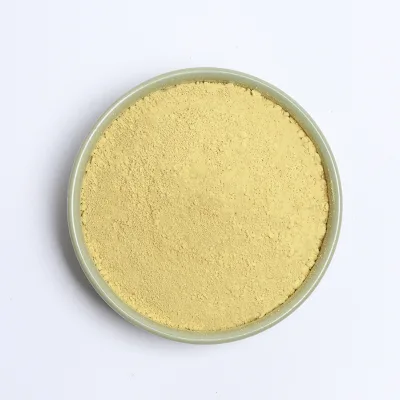
10:1 Cat's Claw Grass Extract Cat's Claw Extract Powder Cat's Claw Extract
$20.00 - $25.00
MOQ: 1 kilograms

Comprehensive Sourcing Guide
Strategic Sourcing Guide for Pure Dew Catnip Extract
Understanding the Product Profile and Technical Specifications
When sourcing "Pure Dew Catnip Extract," buyers must first distinguish between the botanical source and the final processed form. The core product in this category is derived from the Nepeta cataria plant, specifically utilizing the root as the primary part for extraction. The resulting material is typically presented as a fine powder, though some market listings indicate spray formulations are also available depending on the specific manufacturer's output. The active ingredient is identified as Catmint Catnip powder, which serves as the functional component for the intended applications.
The physical and chemical specifications are critical for defining the product's quality. The extraction process generally employs solvent extraction methods to isolate the desired compounds from the raw plant material. The final product is categorized as a herbal extract and is often graded as food grade, indicating suitability for human consumption in health food applications, while also being marketed for pet applications. The pH range for the liquid or reconstituted forms is observed to be between 6.5 and 7.0, suggesting a near-neutral profile that is generally stable for various formulations.
Storage requirements are non-negotiable for maintaining potency. The product must be kept in a cool, dry place and strictly avoided from direct sunlight to prevent degradation of the active compounds. The shelf life is typically documented as 24 months from the date of manufacture, provided these storage conditions are met. Packaging varies significantly across suppliers; common formats include drums, plastic containers, and vacuum-packed options to ensure the product remains free from moisture and contaminants. Some listings also reference box packaging or custom packaging solutions, highlighting the flexibility in logistics for different order sizes.
Compliance, Certification, and Regulatory Verification
Navigating the regulatory landscape is a primary concern for B2B buyers importing herbal extracts. The supply chain for catnip extract often involves multiple jurisdictions, requiring rigorous verification of certifications to ensure market access. Buyers should look for suppliers who hold ISO9001 certification, which validates the quality management systems in place during production. Furthermore, specific dietary certifications such as Halal and Kosher are frequently observed in this sector, which is essential for targeting global markets with specific religious dietary restrictions.
Beyond general quality management, safety and purity documentation is paramount. Buyers must request Material Safety Data Sheets (MSDS) to understand the handling and transport requirements of the chemical extract. Regulatory compliance often involves third-party testing reports from recognized bodies like SGS. In markets where food safety is strictly regulated, FDA compliance or registration is a critical checkpoint. Additionally, the presence of CE certification may be relevant for products intended for the European market, particularly if the extract is used in consumer goods beyond food.
The verification process should not rely solely on the supplier's word. Buyers must demand batch-specific test results that confirm the absence of heavy metals, pesticides, and microbial contamination. The "98% Catmint Catnip powder" keyword often appears in marketing materials, but this should be treated as a claim requiring validation through High-Performance Liquid Chromatography (HPLC) or UV spectroscopy test reports. These analytical methods provide the quantitative data necessary to confirm the concentration of active ingredients and ensure the product meets the specified purity standards.
Cost Drivers and Pricing Structure Analysis
The pricing of Pure Dew Catnip Extract is influenced by a complex matrix of factors, including the cost of raw materials, the complexity of the extraction process, and the scale of the order. The observed price range in the market spans from $0.70 to $100.00 USD, a variance that reflects differences in concentration, purity levels, packaging formats, and order volumes. It is crucial for buyers to understand that the lowest unit price often corresponds to bulk raw powder in industrial drums, while higher prices per unit may reflect smaller, custom-packaged quantities or higher purity grades.
Minimum Order Quantities (MOQ) play a significant role in the total cost of ownership. While some suppliers may offer samples or small trial orders with an MOQ of 1 unit, standard commercial transactions often require an MOQ of 1,000 units. This threshold is designed to cover the fixed costs of production setup and logistics. Buyers planning to scale their operations must factor this initial inventory investment into their financial planning. The "Single item" selling unit suggests that some suppliers cater to small businesses or R&D departments, whereas the higher MOQs cater to large-scale manufacturers.
Additional cost drivers include the customization of packaging and branding. Suppliers offering OEM (Original Equipment Manufacturer) and ODM (Original Design Manufacturer) services often charge a premium for the labor and materials involved in creating private label products. Custom logos, specific box designs, and unique packaging requirements add to the unit cost. Furthermore, the choice of shipping method and the flexibility of delivery options can impact the final landed cost. Buyers should request a detailed breakdown of costs, separating the product price from packaging, testing, and logistics fees to ensure transparency.
Typical Applications and Market Segmentation
The versatility of Pure Dew Catnip Extract allows it to serve multiple market segments, primarily divided between the pet industry and the human health food sector. In the pet market, the extract is widely used as a stimulant and enrichment tool for cats. The "Application: Cat" designation highlights its role in pet toys, sprays, and grooming products. The "Pet Cleaning Products" classification suggests its use in formulations designed to deter pests or provide a pleasant scent for pet environments, often leveraging the natural fragrance properties of the herb.
For the human health sector, the extract is positioned as a functional ingredient in health foods. The "Food Grade" status and "Health Food" application indicate its use in supplements, teas, or dietary aids. The extraction process ensures that the active compounds are bioavailable and safe for consumption. The "No Additives" claim is a significant selling point for consumers seeking clean-label products, implying that the extract is free from artificial preservatives, colors, or fillers. This purity is essential for brands marketing natural wellness solutions.
The "Cleaning Products Type: Toilet Products" attribute, while seemingly distinct, points to niche applications where the natural properties of catnip might be utilized for their aromatic or mild cleaning capabilities. However, the primary commercial volume is expected to be in the pet and health food industries. Buyers should align their sourcing strategy with their specific end-market requirements. For instance, a pet toy manufacturer will prioritize the spray form and fragrance profile, while a supplement manufacturer will focus on the powder form and precise active ingredient concentration.
Supplier Evaluation and Operational Capabilities
Selecting the right supplier requires a deep dive into their operational capabilities and production history. The "Place of Origin" is a key indicator of the supply chain's stability. In this category, production is often centered in Shaanxi, China, or Linyi City, Shandong Province, regions known for their agricultural output of herbal materials. The cultivation method is typically "artificial planting," which allows for better control over the growing conditions and consistency of the raw material compared to wild harvesting.
Buyers should evaluate the supplier's ability to handle customization requests. The availability of OEM and ODM services indicates a flexible manufacturing base capable of adapting to specific client needs. This includes customizing the logo, packaging design, and even the formulation if required. The "Service: OEM ODM Private Label" attribute confirms that the supplier is equipped to act as a partner rather than just a vendor. Additionally, the "Sample Delivery: Within 7 Days" metric is a strong indicator of a responsive supply chain, allowing buyers to test product quality without excessive delays.
The production process should be transparent. Suppliers should be able to detail their "Processing" methods, ensuring that the solvent extraction is conducted under controlled conditions to maintain purity. The "Operation Type: Manual" or automated nature of the facility can also influence quality consistency. Buyers must verify that the supplier has the capacity to handle the required volume, especially given the potential MOQ of 1,000 units. A supplier with a robust logistics network offering "Flexible Options" for shipping will be better positioned to handle the "Delivery Time" of 5-15 days, ensuring timely replenishment of stock.
Quality Control and Long-Term Procurement Strategy
Establishing a robust quality control (QC) protocol is essential for mitigating risks in the procurement of herbal extracts. The "Test: HPLC UV" capability mentioned in the product data is a standard for verifying chemical composition. Buyers should insist on receiving these test reports for every batch, ensuring that the active ingredient levels remain consistent and that contaminants are within acceptable limits. The "Single gross weight" of 0.500 kg for a single package suggests that weight consistency is a key metric for quality assurance.
Long-term procurement requires a focus on supply chain resilience. The "Shelf Life: 24 Months" provides a window for inventory management, but buyers must plan for the "Delivery Time" of 5-15 days to avoid stockouts. The "Waterproof: Not Waterproof" attribute highlights the need for proper packaging during transit to prevent moisture damage, which could compromise the product's integrity. Buyers should consider the "Single package size" of 15X20X10 cm for logistics planning, ensuring that their warehousing and shipping partners can accommodate these dimensions efficiently.
Sustainability and ethical sourcing are becoming increasingly important in the herbal extract industry. The "Cultivation method: artificial planting" suggests a controlled environment that may reduce the environmental impact compared to wild harvesting. Buyers should inquire about the supplier's practices regarding water usage, waste management, and energy consumption during the extraction process. Establishing a long-term partnership with a supplier who demonstrates a commitment to quality and sustainability will provide a competitive advantage in the market.
| Feature | Observation from Data | Procurement Implication |
|---|---|---|
| Active Ingredient | Catmint Catnip powder | Verify concentration via HPLC/UV reports. |
| Form | Powder / Spray | Select based on end-product formulation needs. |
| Certifications | ISO9001, Halal, Kosher, FDA, SGS | Mandatory for global market access. |
| MOQ | 1 - 1000 units | Plan inventory and cash flow accordingly. |
| Shelf Life | 24 Months | Manage stock rotation to prevent expiration. |
| Storage | Cool, Dry, Avoid Sunlight | Ensure cold chain or climate-controlled warehousing. |
| Origin | Shaanxi, China / Linyi, Shandong | Assess logistics routes and import regulations. |
In conclusion, sourcing Pure Dew Catnip Extract requires a meticulous approach that balances technical specifications, regulatory compliance, and cost efficiency. By leveraging the available data on certifications, testing methods, and production capabilities, buyers can build a reliable supply chain that supports their business objectives. The key lies in rigorous verification of every claim and maintaining open communication with suppliers to ensure the highest quality standards are met consistently.
FAQs
What is the shelf life of Pure Dew Catnip Extract?
The shelf life is 24 months from the date of manufacture. This duration is valid only if the product is stored in a cool, dry place and strictly avoided from direct sunlight to maintain potency.
Which certifications are available for this herbal extract?
Suppliers typically hold ISO9001, Halal, and Kosher certifications. Additional safety documentation often includes MSDS, FDA, SGS, and CE certificates to ensure regulatory compliance for global markets.
Can buyers request custom packaging for bulk orders?
Yes, custom packaging is available for bulk orders. Suppliers offer OEM and ODM services with options like drums, plastic containers, vacuum packing, or custom boxes to meet specific branding needs.
How is the active ingredient extracted from the plant?
The active ingredient is extracted using solvent extraction methods. This process isolates the Catmint Catnip powder from the root part of the plant to create a food-grade herbal extract.
What is the minimum order quantity for this product?
The standard minimum order quantity is 1000 units. However, some suppliers may offer samples or smaller trial orders with an MOQ of 1 unit for testing purposes.
Where is the product typically manufactured and shipped from?
The product originates from Shaanxi, China, or Linyi City, Shandong Province. Delivery times typically range from 5 to 15 days with flexible shipping options available for international buyers.