Source push-up craft paper box for Gifts, Cosmetics, and Electronics
Compare 30 verified listings for push-up craft paper box options tailored for gifts, cosmetics, and electronics. Buyers can evaluate customization, materials, and shipping terms to find the right supplier for their packaging needs.
Key considerations
Products List


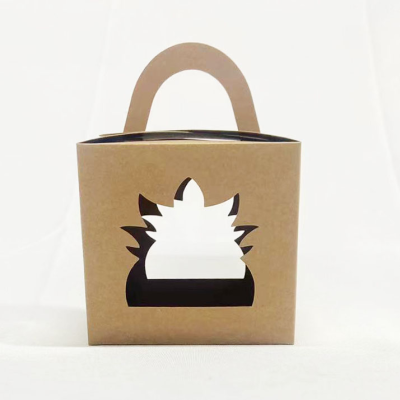

Wholesale Custom Logo Rigid Cardboard Kraft Paper Craft Box for Christmas
$0.30 - $1.49
MOQ: 2000 Pieces


Comprehensive Sourcing Guide
Strategic Sourcing Guide for Push-Up Craft Paper Boxes
Navigating the global market for push-up craft paper boxes requires a disciplined approach that distinguishes between generic packaging categories and specific functional designs. The term "push-up" often implies a mechanical action or a specific structural mechanism where a base elevates contents, yet in the context of craft paper, it frequently refers to rigid, high-quality display boxes that utilize a sliding or lifting mechanism for premium presentation. Buyers must carefully align their procurement strategy with the diverse attributes observed in the current supply landscape, ranging from corrugated paper structures to specialized cardboard applications. This guide outlines the critical technical, compliance, and commercial factors necessary for successful sourcing in this sector.
Technical Specifications and Structural Variability
The technical foundation of a push-up craft paper box lies in its material composition and structural integrity. Based on available market data, the primary materials identified include corrugated paper and standard cardboard, both of which offer distinct advantages depending on the application. Corrugated paper is often selected for its durability and cushioning properties, making it suitable for heavier items or those requiring robust protection during transit. Conversely, cardboard is frequently utilized for applications requiring a smoother surface for high-quality printing and a more rigid, box-like form factor.
Structural specifications vary significantly across suppliers. While some listings indicate a "Rectangle" shape with a "Middle" size classification, others emphasize "Customized" dimensions. This variability suggests that the "push-up" mechanism is not a monolithic standard but a design feature that must be engineered to fit specific product dimensions. The structural design may also involve a "Cantilever Rack" style or "Pallet Racking" concepts when the boxes are used in industrial storage contexts, though for retail packaging, the focus remains on the internal mechanism that allows the base to elevate the product.
Buyers should verify the following technical parameters before finalizing a design:
- Material Weight: Observed data points to weights such as 280 grams, which is a critical metric for determining rigidity and print quality.
- Cell Size and Structure: For honeycomb core variations, different cell sizes are available, which impacts the shock absorption capabilities of the box.
- Color and Finish: Options range from standard "Brown" kraft finishes to full-color "Cmyk" or "Pantone" printing. Some suppliers offer "as You Required" color customization, which is essential for brand alignment.
- Printing Capabilities: The "Printing Page" is noted as "Single" in some contexts, but "With Logo Printing" is a standard expectation for branded goods.
Compliance, Certification, and Material Standards
In the realm of packaging, compliance is not merely a regulatory hurdle but a market access requirement. The supply chain for craft paper boxes often involves scrutiny regarding sustainability and safety. While specific certification statuses for every supplier cannot be universally asserted without verification, the "FSC" (Forest Stewardship Council) is a recognized standard in the industry that buyers should actively seek to confirm. This certification ensures that the paper originates from responsibly managed forests, a growing priority for B2B buyers in the cosmetics, food, and electronics sectors.
Furthermore, material recyclability is a key compliance factor. The observed data explicitly lists "Recyclable" as a material attribute, indicating that many manufacturers are aligning with circular economy principles. Buyers must verify if the specific push-up mechanism, which may involve adhesives or mixed materials for the sliding action, adheres to local recycling regulations in the destination market.
When evaluating standards, buyers should look for third-party verification. The "sgs" standard is mentioned in the context of product quality, suggesting that independent testing bodies are involved in the supply chain. It is imperative for buyers to request current test reports or certificates of analysis to confirm that the materials meet the specific safety standards required for the intended application, whether that be food contact, cosmetic safety, or general consumer goods.
Cost Drivers and Pricing Dynamics
Understanding the cost structure of push-up craft paper boxes is essential for budgeting and negotiation. The observed price range in the market spans from $0.01 to $750 per unit, a vast disparity that reflects the difference between simple corrugated cartons and highly engineered, custom-branded display units. Several factors drive these costs:
- Customization Level: The availability of "Customization" is a primary cost driver. Boxes with "Customized" sizes, specific "Cmyk/Pantone" color matching, and unique structural designs will command higher prices than standard off-the-shelf options.
- Order Volume (MOQ): The Minimum Order Quantity (MOQ) ranges from 1 to 10,000 units. High-volume orders typically benefit from economies of scale, reducing the unit cost significantly. Conversely, low-volume orders, such as those with an MOQ of 1000 PCS or even single units, often carry a premium due to setup costs for printing and structural tooling.
- Material Quality: The choice between standard brown paper and high-grade, recyclable, or weighted cardboard (e.g., 280g) directly impacts the base cost.
- Logistics and Trade Terms: The "Trade Term" options of FOB, CFR, and CIF indicate that shipping costs are a variable component. The origin locations, such as "Wuxi, China" or "Suzhou, China," influence freight rates. Additionally, the "Shipment" method (Sea, Air, or Courier) will drastically alter the final landed cost.
Buyers should be cautious of the lowest price points, as they may correspond to basic materials with limited customization or high environmental risks. Conversely, the highest price points likely include complex engineering, premium branding, and extensive quality assurance protocols.
Typical Applications and Market Segmentation
The versatility of push-up craft paper boxes is evident in the wide array of applications observed in the market. These packaging solutions are not limited to a single industry but serve as a critical component in the presentation of diverse product categories.
| Application Sector | Specific Use Cases | Key Requirements |
|---|---|---|
| Cosmetics & Gifts | Perfume, skincare, holiday gifts | High aesthetic appeal, precise color matching (Pantone), "With Logo Printing" |
| Food & Beverage | Confectionery, specialty foods | Food-safe materials, recyclability, structural stability |
| Electronics & Apparel | Accessories, small devices | Protection against shock, "Safety" design trends, rigid structure |
| Arts & Crafts | DIY kits, greeting cards | Custom shapes, ease of assembly, creative printing options |
| Health Care | Supplements, medical devices | Clean design, hygiene compliance, clear labeling |
The "Design Trends" section highlights "Safety" as a primary concern, suggesting that modern packaging must not only look good but also protect the consumer and the product. For the "Food, Electronic, Apparel, Cosmetics, Household" sectors, the box must often serve as a secondary barrier, ensuring that the product remains pristine until the moment of purchase. The "Usage" attributes also mention "Container and Transportation," indicating that these boxes often function as both retail packaging and shipping containers, requiring a dual focus on aesthetics and durability.
Supplier Evaluation and Selection Criteria
Selecting the right supplier is a critical step that goes beyond price comparison. Buyers should evaluate potential partners based on their ability to meet specific technical and logistical requirements. The supply base appears to be concentrated in China, with specific hubs in "Wuxi" and "Suzhou." When evaluating suppliers, consider the following criteria:
- Production Capacity and Lead Time: While specific lead times are not universally standardized, the "MOQ" ranges suggest varying production scales. A supplier with a high MOQ capability (up to 10,000) may offer better unit economics but longer lead times for large batches.
- Customization Capability: Verify the supplier's ability to handle "Customized" sizes and "as You Required" color specifications. The presence of "New Type" development suggests some suppliers are innovating, which is beneficial for unique product needs.
- Serviceability: The "Serviceability" is noted as "Common Use," implying that standard service levels are available. However, for complex push-up mechanisms, buyers should inquire about the supplier's experience with similar structural designs.
- Packaging Standards: The "prod_packing" methods, such as "Stretch Film and Pallet" or "with Carton/Pallet," are crucial for ensuring the goods arrive in good condition. Suppliers offering "General Packaging or as Customer's Request" provide flexibility for specialized shipping needs.
- Warranty and Support: A "1 Year" warranty is observed in some listings, which is a strong indicator of supplier confidence in product durability. Buyers should clarify what this warranty covers, particularly regarding structural failures of the push-up mechanism.
Quality Control and Inspection Protocols
Ensuring the quality of push-up craft paper boxes requires a robust inspection protocol. Given the mechanical nature of the "push-up" feature, simple visual inspection is insufficient. Buyers should implement a multi-stage quality control process:
- Material Verification: Confirm that the "Paper Type" matches the order specifications (e.g., Corrugated vs. Cardboard) and that the weight (e.g., 280g) is consistent.
- Structural Testing: Test the "push-up" mechanism repeatedly to ensure smooth operation and that the "Fixed" or "Semi-closed" features function as intended. Check for any wobbling or misalignment in the "Cantilever" or "Pallet Racking" style structures.
- Print Quality: Verify that "Cmyk" or "Pantone" colors are accurate and that "Logo Printing" is crisp and free of smudging.
- Dimensional Accuracy: Measure the "Size" against the "Customized" or "Different Cell Size" requirements to ensure a perfect fit for the product.
- Packaging Integrity: Inspect the final packaging to ensure it meets the "prod_packing" standards, preventing damage during "Sea/ Air/ Courier" transit.
Long-Term Procurement Considerations
For buyers looking to establish a long-term relationship with suppliers, several strategic factors must be considered. The "Development" of "New Type" products suggests a dynamic market where innovation is ongoing. Buyers should engage with suppliers who are proactive in developing new structural solutions that enhance sustainability or user experience.
Sustainability is a long-term trend that will likely influence procurement decisions. The "Recyclable" nature of the materials is a significant advantage, but buyers should also consider the end-of-life disposal of the adhesive and inks used in the printing process. Ensuring that the entire supply chain aligns with environmental goals will be crucial for brands aiming to meet corporate social responsibility targets.
Finally, the "Trade Term" flexibility (FOB, CFR, CIF) allows buyers to manage their own logistics or rely on the supplier's network. For long-term contracts, buyers should negotiate favorable terms that account for fluctuating freight costs and potential supply chain disruptions. Establishing a clear communication channel for "Serviceability" and "Warranty" claims will also ensure that any issues are resolved promptly, maintaining the integrity of the brand's reputation in the market. By focusing on these strategic elements, buyers can secure a reliable supply of high-quality push-up craft paper boxes that meet both immediate operational needs and long-term business goals.
FAQs
What customization options are available for push-up craft paper boxes?
Customization is available for size, color, and printing requirements. Buyers can request specific cell sizes, CMYK or Pantone colors, and logo printing to match their brand needs.
Which materials are used to manufacture these craft paper boxes?
The primary materials include corrugated paper and cardboard, which are noted as recyclable. These materials provide durability and a smooth surface suitable for high-quality printing applications.
Can I find push-up craft paper boxes with a one-year warranty?
Yes, some listings offer a one-year warranty for these products. This warranty covers potential defects and ensures the structural integrity of the packaging over the specified period.
How does the minimum order quantity vary for these boxes?
The minimum order quantity ranges from one unit up to ten thousand units depending on the supplier. Lower MOQs suit small batches, while higher volumes often reduce unit costs.
What are the typical shipping terms for these paper boxes?
Common trade terms include FOB, CFR, and CIF for international transactions. Buyers can choose between sea, air, or courier shipment methods based on their urgency and budget.
Where are the manufacturers of these boxes located?
Manufacturers are primarily located in China, with specific origins in Wuxi and Suzhou. These locations serve as key hubs for producing and exporting corrugated and cardboard packaging solutions.
What applications are suitable for push-up craft paper boxes?
These boxes are suitable for cosmetics, gifts, food, electronics, and apparel. They also serve arts and crafts, greeting cards, and health care products requiring safe and attractive presentation.