Source Pongee Fabric for Jackets, Windbreakers, and Rainwear
Find 30 Pongee Fabric options for jackets, windbreakers, and rainwear. Compare plain dyed, water repellent, and bonded finishes with specifications like 50D*50D and 75D*75D densities to select the right material for your garment needs.
Key considerations
Products List


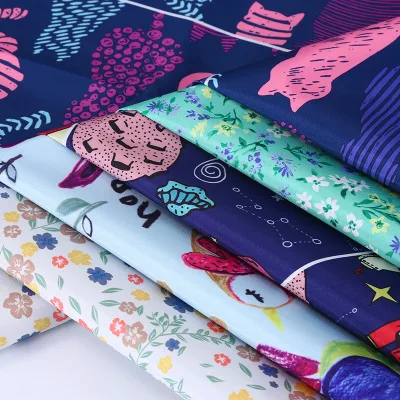
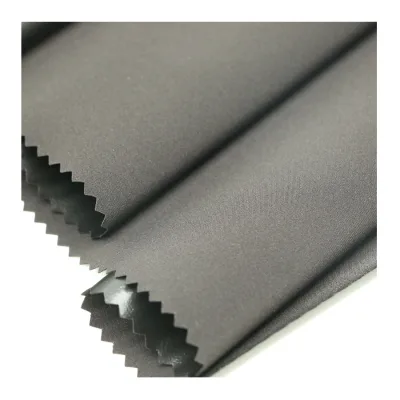


Comprehensive Sourcing Guide
Pongee Fabric Sourcing Guide
Sourcing Pongee Fabric requires a clear understanding of the specific weave structures and finish treatments available in the current market, as these attributes directly dictate the material's performance in end-use applications. Buyers must distinguish between standard plain-dyed variants and those enhanced with water-repellent or bonded finishes, as the latter are essential for outerwear like windbreakers and trench coats. The observed product data indicates a range of models, such as X00043273 and X00001990, which feature distinct density and fiber compositions, necessitating a precise match between the fabric's technical profile and the garment's functional requirements.
Commercial viability in this category is heavily influenced by the supplier's ability to offer customization while maintaining consistent quality across different production runs. The market shows a clear segmentation between standard packing options and client-specific requirements, suggesting that buyers should clarify their logistical needs early in the negotiation process. Furthermore, the availability of long-fiber filaments and specific yarn types like DTY allows for the creation of fabrics with varying strengths, from medium-strength options suitable for linings to high-performance materials designed for sportswear and outdoor gear.
Product Scope and Observed Listing Signals
The product scope for Pongee Fabric in the current listings spans a diverse array of applications, ranging from down garments and jackets to home textiles and shoe linings. Buyers will encounter variations in the basic weave, including woven and knitted constructions, with specific models like X00043586 and WBT22154 offering distinct compositions such as 100% polyester or blends containing spandex for stretch. These signals indicate that the market is not limited to a single fabric type but rather offers a spectrum of solutions, including semi-dull taffeta and microfiber options, each tailored to specific aesthetic and functional demands.
Listing signals also reveal significant variability in finish treatments, with some products offering plain dyed surfaces while others provide advanced features like waterproofing, lamination, and cire finishes. This diversity allows buyers to source materials for different market segments, from basic lining applications to high-end rainwear and windbreakers. However, the presence of multiple finish types, including bonded and water-repellent treatments, requires careful verification to ensure the selected fabric meets the specific environmental and durability standards required for the intended garment.
Technical Specifications to Verify
When evaluating technical specifications, the density and yarn count are critical parameters that determine the fabric's hand feel and durability. Observed data highlights specific standards such as 50D50D and 75D75D, alongside more complex constructions like 50D+20D*50D+20D, which suggest a need for precise verification of the denier and weave structure. Buyers should confirm the fiber length, noting that long-fiber filaments are available, and verify the width, which is commonly listed as 57/58 inches, to ensure compatibility with their cutting and sewing equipment.
The composition and physical features of the fabric must also be scrutinized to align with the performance needs of the final product. Listings indicate compositions ranging from 100% polyester to blends with 4% spandex, offering options for both rigid and stretch applications. Additionally, features such as tear resistance, anti-static properties, and downproof capabilities are available, but these should be verified against the specific requirements of the garment, as not all listed products will possess every feature. The distinction between woven and knitted technics further emphasizes the need to select the correct construction method for the desired drape and strength.
Compliance and Safety Documentation
While specific certification statuses like Oeko-Tex or GOTS are mentioned in background contexts, buyers must treat these as potential verification points rather than guaranteed attributes of every listed product. The absence of explicit certification claims in the core product data means that procurement teams should request current test reports and compliance documentation directly from the supplier to confirm adherence to safety standards. This is particularly important for garments intended for children or sensitive skin, where chemical restrictions and fiber safety are paramount.
Safety documentation should also cover the physical and chemical properties of the finishes applied to the fabric, such as water repellency and bonding agents. Buyers need to ensure that the "Normal" finish or specialized treatments like lamination do not introduce hazardous substances that could violate international regulations. Verifying the origin of the material, with Wujiang and China cited as common production locations, can help in tracing the supply chain and ensuring that the manufacturing processes meet the required environmental and safety protocols for the target market.
Cost Drivers and Commercial Terms
Cost drivers in the Pongee Fabric market are significantly influenced by the complexity of the finish and the customization level required. Products with advanced treatments like waterproofing, lamination, or cire finishes typically command higher prices compared to plain dyed variants, and the inclusion of spandex for stretch adds another layer of cost. Buyers should also consider the impact of the MOQ, which ranges from 30 to 3000 units, with specific listings showing a 1500-yard minimum, as these thresholds can affect the unit price and the overall budget for the procurement cycle.
Commercial terms regarding delivery and packing are equally critical for managing the total cost of ownership. Lead times vary, with observed ranges of 15-30 days and specific instances of 20-25 days, requiring buyers to plan their production schedules accordingly. Packing options, ranging from standard plastic bags to roll packing and client-specific requirements, can also impact logistics costs. Negotiating these terms early ensures that the final landed cost aligns with the project budget and that the supply chain remains resilient against potential delays.
Supplier Qualification and Quality Control
Supplier qualification should focus on the ability to consistently deliver the specific technical attributes observed in the listings, such as the correct density, composition, and finish. Buyers must verify that the supplier has the capacity to handle the required MOQs and can maintain the quality of long-fiber filaments and specific yarn types like DTY across large production runs. The presence of multiple product models with distinct specifications suggests that a qualified supplier should have a robust quality control system to manage the variations in weave, finish, and composition without compromising the integrity of the fabric.
Quality control measures should also include regular testing of the physical features, such as medium strength, tear resistance, and anti-static properties, to ensure they meet the agreed-upon standards. Since the listings indicate a range of applications from sportswear to home textiles, the supplier must demonstrate the ability to tailor the fabric's performance to these diverse needs. Establishing clear communication channels for feedback on defects or inconsistencies is essential, especially when dealing with custom-made colors or specific client requirements that deviate from standard offerings.
Long-Term Procurement Checks
Long-term procurement success depends on the supplier's ability to maintain consistency in product attributes over time, particularly regarding the fiber composition and finish treatments. Buyers should implement a system for periodic re-verification of the fabric's specifications, such as the 50D50D or 75D75D standards, to ensure that the material continues to meet the performance requirements of the end products. This is crucial for maintaining brand reputation and avoiding issues related to fabric failure or inconsistency in the final garment.
Additionally, buyers should monitor the supplier's responsiveness to market changes and their ability to adapt to new trends in fabric technology, such as the introduction of new finishes or sustainable fiber options. The observed availability of customization and various yarn types suggests a dynamic market, and maintaining a strong relationship with a supplier who can innovate and adapt will be key to securing a competitive advantage. Regular audits and performance reviews will help ensure that the supply chain remains reliable and that the procurement strategy continues to align with the evolving needs of the business.
FAQs
What are the common after-finish treatments for Pongee Fabric?
Common treatments include plain dyed, water repellent, cire, bonded, and laminated finishes. These processes enhance the fabric's performance for specific applications. For instance, laminated and water repellent finishes are suitable for rainwear and trench coats. Cire finishes provide a distinct aesthetic, while bonded options offer structural integrity for down garments and jackets.
What specifications are available for Pongee Fabric models?
Available specifications include densities such as 50D*50D, 75D*75D, and 50D+20D*50D+20D. Widths typically measure 57/58 inches. Models like X00043273 and X00001990 represent different structural variations. Some variants feature long fiber filament yarns, while others utilize DTY yarn types. These specifications determine the fabric's weight, durability, and suitability for various garment applications.
Can Pongee Fabric be customized for specific client requirements?
Yes, customization is available for many Pongee Fabric products. Clients can request specific packing methods, such as standard plastic bag packing or custom roll packing. Color options include custom-made shades or spot colors. Additionally, usage requirements for items like sportswear, home textiles, or outdoorwear can be met through tailored fabric compositions and finish treatments provided by manufacturers.
What are the typical MOQ and delivery times for Pongee Fabric?
Typical MOQs range from 30 to 3000 yards, with some specific items requiring 1500 yards. Delivery times generally span 15 to 30 days, though some standard orders may take 20 to 25 days. These timelines depend on the specific product model, customization needs, and current production capacity. Buyers should confirm exact lead times with suppliers based on their order volume and specifications.
What are the primary applications for Pongee Fabric?
Pongee Fabric is primarily used for down garments, jackets, windbreakers, and trench coats. It is also suitable for rainwear, sportswear, and outdoorwear due to its water-repellent or waterproof finishes. Additional applications include linings for bags, shoes, and home textiles. The fabric's versatility allows it to serve both fashion and functional apparel markets effectively.
What composition options exist for Pongee Fabric?
Common compositions include 100% polyester and blends like 96% polyester with 4% spandex. The 100% polyester variants often feature filament yarns and offer features like tear resistance and anti-static properties. The spandex blend provides four-way stretch capabilities. These compositions influence the fabric's drape, elasticity, and durability, making them suitable for different garment types.