Source PVC Rexine Leather for Car Seats, Bags, and Furniture
Find 26 PVC Rexine Leather options for car seats, bags, and furniture. Compare waterproof, abrasion-resistant materials with customizable embossing and backing. View thicknesses from 0.7mm to 1.2mm and request quotes for bulk orders; compare the available evidence and request quotations based on your requirements.
Key considerations
Products List


PVC Leather Different Colors Automotive PVC Synthetic Rexine Leather for Car Seats
$1.10 - $1.30
MOQ: 1000 Meters


PVC Rexine Synthetic Leather Fabric PVC Synthetic Leather Artificial Leather
$1.02 - $1.17
MOQ: 1500 Meters


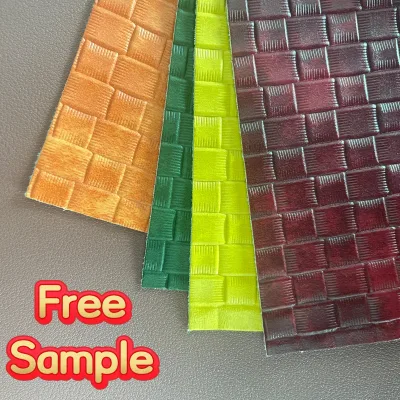

Stain Resistant Synthetic Leather Cheap Rexine PVC Artificial Leather Fabric
$1.73 - $1.77
MOQ: 1000 Mtrs/Per color


Comprehensive Sourcing Guide
PVC Rexine Leather Sourcing Guide
PVC Rexine Leather serves as a versatile synthetic alternative to genuine hides, offering consistent texture and durability for diverse industrial applications. Buyers must distinguish between standard PVC sheets and specialized variants like car seat leather, which often feature specific backing technologies such as knitted or brushed layers. The observed market includes products with embossed patterns ranging from Lichee to tiny grain, allowing for aesthetic customization that meets specific design requirements. Understanding these material distinctions is critical for selecting the right grade for your end product, whether it involves automotive interiors, footwear, or home furnishings.
Procurement decisions should be guided by the specific functional needs of the application, such as abrasion resistance, waterproofing, or softness. Many listed products highlight features like anti-mildew properties and elasticity, which are essential for items exposed to frequent use or varying environmental conditions. The backing material plays a significant role in performance; options include eco-friendly backings, knitted structures, or brushed finishes that can be customized to suit particular manufacturing processes. Evaluating these technical attributes ensures that the selected PVC Rexine Leather aligns with both the aesthetic vision and the functional lifespan expected by the final consumer.
Product Scope and Observed Listing Signals
The current market landscape for PVC Rexine Leather reveals a wide range of product specifications, with thicknesses varying from 0.7mm to 1.2mm. This variation allows buyers to select materials based on the structural demands of their products, such as thin linings for bags or thicker upholstery for furniture. Observed listings indicate that widths are commonly standardized at 54/55 inches, which facilitates efficient cutting and pattern layout during production. Buyers should verify the exact thickness and width for each order, as these dimensions directly impact material yield and cost efficiency in manufacturing operations.
Color and pattern customization are prominent features in the available inventory, with options ranging from standard black to various customer-requested hues. Embossed textures like tree grain or Lichee patterns are frequently offered, providing visual depth and tactile appeal. Some suppliers offer roll lengths between 25-50 meters, while others may adhere to specific standard roll sizes like 50 meters per roll. Understanding these packaging and dimensional details is crucial for logistics planning, as it affects storage requirements and handling procedures during the receiving and inspection phases of the supply chain.
Technical Specifications to Verify
Thickness is a primary technical parameter that influences the durability and drape of PVC Rexine Leather. Buyers must confirm whether the material meets the required gauge for their specific application, as thinner sheets may lack the necessary strength for heavy-duty use, while thicker options might be too rigid for delicate garments. The backing technology, whether knitted, brushed, or eco-friendly, significantly affects the material's flexibility and bonding capabilities. It is essential to request physical samples to assess the hand feel, ensuring that the texture meets expectations for softness, smoothness, or hardness as specified by the design team.
Embossing patterns and surface finishes require close inspection to ensure consistency and quality. Common embossed designs include Lichee and tiny grain, which provide aesthetic variety but must be uniform across the entire roll. Buyers should verify the color fastness and the accuracy of the embossed depth, as these factors impact the final product's appearance and longevity. Additionally, the presence of features like waterproofing and abrasion resistance should be validated through supplier documentation or independent testing, especially for products intended for high-wear environments such as car seats or outdoor furniture.
Compliance and Safety Documentation
While specific certification statuses are not universally confirmed for all listings, buyers should proactively request documentation related to REACH and RoHS compliance. These standards are critical for ensuring that the PVC Rexine Leather does not contain restricted substances, particularly in products intended for automotive interiors or children's items. Suppliers may offer eco-friendly backings or customized standards, but buyers must verify that these claims are supported by valid test reports from accredited laboratories. Relying on supplier assertions without documented proof can lead to regulatory non-compliance and potential recalls in strict markets.
Safety and environmental compliance also extend to the manufacturing processes and the final product's chemical composition. Buyers should inquire about the presence of phthalates and other plasticizers that may be regulated in various jurisdictions. Even if a supplier claims adherence to certain standards, it is prudent to conduct third-party testing on received batches to ensure consistency. Establishing clear compliance requirements in the purchase agreement helps mitigate risks associated with regulatory changes and ensures that the sourced materials meet the safety expectations of end consumers and international trade regulations.
Cost Drivers and Commercial Terms
The minimum order quantity (MOQ) for PVC Rexine Leather typically ranges from 30 to 1500 meters, with many suppliers setting a standard MOQ of 1000 meters. This threshold can significantly impact the total cost per unit, as larger orders often benefit from economies of scale. Buyers with smaller volume requirements may need to negotiate flexible MOQ terms or consider consolidating orders with other materials to meet supplier thresholds. Understanding the MOQ structure is essential for accurate budgeting and inventory management, as it influences cash flow and storage capacity requirements.
Pricing for PVC Rexine Leather varies based on thickness, customization options, and order volume, with observed ranges reflecting these differences. Additional costs may arise from custom colors, specific embossing patterns, or specialized backing technologies. Buyers should request detailed quotations that break down material costs, customization fees, and packaging expenses. Transparent pricing structures help in comparing suppliers effectively and identifying potential hidden costs. It is also important to clarify the packaging method, whether transparent, kraft paper, or woven bags, as this can affect protection during transit and subsequent handling costs.
Supplier Qualification and Quality Control
Selecting a reliable supplier involves verifying their production capabilities and quality control processes. Suppliers originating from regions like Jiangsu or China may have varying levels of expertise in PVC manufacturing. Buyers should assess the supplier's ability to provide consistent product quality, particularly regarding thickness uniformity and color matching across different batches. Requesting references or case studies from previous clients can provide insights into the supplier's reliability and responsiveness. A robust quality control system ensures that the PVC Rexine Leather meets the specified standards before shipment, reducing the risk of defects in the final product.
Quality control should also encompass the inspection of raw materials and the manufacturing process. Buyers can implement pre-shipment inspections to verify that the goods match the approved samples in terms of texture, color, and dimensions. Establishing clear acceptance criteria and rejection protocols helps in maintaining high standards. Additionally, suppliers should be evaluated on their ability to handle custom orders, including the flexibility to adjust backing techniques or embossing patterns. A supplier's commitment to continuous improvement and customer satisfaction is a key indicator of their long-term viability as a procurement partner.
Long-Term Procurement Checks
Building a sustainable supply chain for PVC Rexine Leather requires regular performance reviews and relationship management. Buyers should monitor supplier delivery times, product consistency, and responsiveness to issues over time. Establishing key performance indicators (KPIs) such as defect rates and on-time delivery percentages helps in objectively evaluating supplier performance. Regular communication and feedback loops ensure that any emerging issues are addressed promptly, fostering a collaborative partnership. Long-term contracts may offer price stability and priority production slots, but they should be reviewed periodically to ensure they remain competitive and aligned with market conditions.
Market trends and technological advancements in PVC manufacturing may necessitate periodic reassessment of sourcing strategies. Buyers should stay informed about new materials, finishes, or compliance requirements that could impact their products. Diversifying the supplier base can mitigate risks associated with single-source dependencies, ensuring continuity of supply. Additionally, exploring opportunities for cost reduction through volume consolidation or alternative material specifications can enhance profitability. By maintaining a proactive approach to supplier management and market analysis, buyers can secure a reliable and efficient supply of PVC Rexine Leather for their ongoing production needs.
FAQs
What thickness options are available for PVC Rexine Leather?
Thickness options typically range from 0.7mm to 1.2mm depending on the specific product model. Buyers can select from thinner variants suitable for linings or thicker versions designed for heavy-duty applications like car seats and furniture. Custom thickness requirements may also be accommodated based on specific project needs.
Can PVC Rexine Leather be customized for specific colors?
Yes, color customization is widely available for PVC Rexine Leather products. Manufacturers often offer black as a standard option but allow buyers to request specific colors to match their design requirements. This flexibility ensures the material aligns perfectly with the intended aesthetic for garments, bags, or home textiles.
What are the common usage applications for this material?
This material is versatile and used in belts, notebooks, home textiles, decorative items, garments, furniture, shoes, and bags. Specific models are also tailored for car seats and golf equipment. The broad application range makes it suitable for various industries requiring durable and aesthetically pleasing synthetic leather alternatives.
Is PVC Rexine Leather waterproof and abrasion resistant?
Yes, the material is generally waterproof and abrasion resistant, making it durable for daily use. Some variants also feature anti-mildew and elastic properties, enhancing their suitability for outdoor or high-traffic applications. These features ensure longevity and maintain appearance even under challenging environmental conditions or frequent handling.
What is the typical MOQ for ordering PVC Rexine Leather?
The minimum order quantity usually starts at 1000 meters, though some suppliers may accept orders as low as 30 meters for specific samples or small batches. Buyers should verify the exact MOQ with the manufacturer, as it can vary based on customization requirements, production capacity, and specific product models.
What backing types are available for PVC Rexine Leather?
Backing options include brushed, knitted, and eco-friendly backing types. Buyers can often choose the backing that best suits their application, such as knitted backing for flexibility or brushed backing for a specific texture. Custom backing requirements may also be discussed directly with manufacturers to meet precise performance needs.