Source PVC Shower Curtain Welding Machine for Bathroom Seams
Source the PVC Shower Curtain Welding Machine from 30 verified listings. Compare models like WMW4 and HJ02 series, noting voltage, power, and welding dimensions to find the right fit for your manufacturing needs; compare the available evidence and request quotations based on your requirements.
Key considerations
Products List


Three Head Welding Machinery/UPVC Welding Machine for PVC Window Frame
$3234.00 - $3300.00
MOQ: 1 Pieces


Window Door Making Machine Colored PVC Plastic Window Welding Machine
$1880.00 - $2380.00
MOQ: 1 Pieces


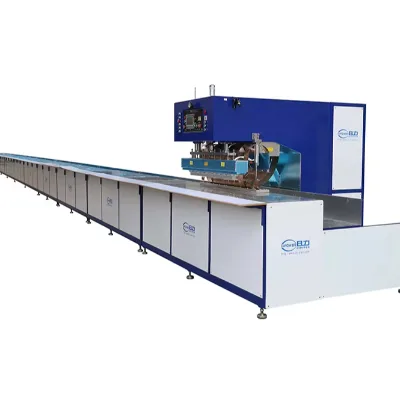

CNC Window Door UPVC Welding Machine Welding Machine for PVC Window Frame
$28000.00 - $29600.00
MOQ: 1 Pieces


PVC Window-Door Equipment Four Corner PVC Window Welding Machine for PVC Window Frame
$5000.00 - $6500.00
MOQ: 1 Pieces
Comprehensive Sourcing Guide
PVC Shower Curtain Welding Machine Sourcing Guide
Selecting the right welding equipment for PVC shower curtain production requires a clear understanding of machine capabilities and operational constraints. Buyers must evaluate whether the machinery supports automatic or manual feeding, as this directly impacts throughput and labor costs. The observed market includes models with varying motor powers, ranging from 4.5kw to 7kw, which dictates the speed and consistency of the welding process. Understanding these power requirements is essential for ensuring the machine can handle the specific thickness and width of PVC materials used in shower curtain manufacturing.
Furthermore, the physical dimensions of the welding area are critical for accommodating different shower curtain sizes. Machines typically offer welding heights between 20mm and 160mm, allowing for flexibility in profile thickness. Buyers should verify the maximum welding length, which can extend up to 3500mm or more, to ensure compatibility with standard curtain dimensions. This flexibility ensures that the equipment can handle both small batch custom orders and larger production runs without requiring frequent adjustments or multiple machines.
Product Scope and Observed Listing Signals
The current market presents a diverse range of welding machines, primarily categorized by their model numbers and specific functional attributes. Listings indicate models such as WMW4-120X4500 and WMW4-3000, each designed for distinct welding widths and heights. These variations suggest that suppliers offer specialized equipment tailored to different production needs, from narrow profile welding to broader, more robust applications. Buyers should carefully review the model specifications to match their specific material requirements, ensuring that the selected machine aligns with their production volume and product variety.
Price points for these machines vary significantly, with observed ranges spanning from $1880 to $37800, reflecting differences in automation levels, motor power, and build quality. The minimum order quantity is consistently listed as one unit, indicating that suppliers are flexible and willing to accommodate single-unit purchases for small businesses or pilot projects. This accessibility allows buyers to test equipment performance before committing to larger orders, reducing initial investment risk. However, the wide price range necessitates a thorough comparison of features to ensure that the selected machine offers the best value for the intended application.
Technical Specifications to Verify
Voltage and power supply compatibility are paramount when integrating welding machines into existing factory infrastructure. Observed specifications include 380V and 220V options, with some models supporting dual voltage inputs for greater flexibility. Buyers must verify the electrical requirements of their facility to avoid costly modifications or operational disruptions. Additionally, air pressure requirements, typically ranging from 0.5MPa to 0.8MPa, must be assessed to ensure that the plant’s compressed air system can support the machine’s pneumatic driving systems. Proper air supply is crucial for consistent welding performance and machine longevity.
Motor power and welding dimensions are key technical indicators of a machine’s capability. Models with 4.5kw or 7kw motors offer different levels of processing power, influencing the speed and quality of the weld. Welding widths of 100mm to 120mm and heights of 20mm to 160mm provide a broad range of applicability for various PVC profiles. Buyers should also consider the machine’s overall dimensions, which can exceed 5000mm in length, to ensure adequate floor space and ergonomic access for operators. Verifying these specifications against production needs prevents mismatches that could hinder efficiency.
Compliance and Safety Documentation
Certification status is a critical factor in ensuring that welding machines meet international safety and quality standards. Many listed products carry CE and ISO certifications, indicating compliance with European safety directives and quality management systems. Buyers should request valid certification documents to verify that the equipment has undergone rigorous testing and meets regulatory requirements for their target markets. This documentation is essential for legal compliance and can facilitate smoother customs clearance and installation processes, reducing potential delays and liabilities.
Safety features and operational safeguards should be thoroughly reviewed to protect operators and ensure consistent performance. Machines often include pneumatic driving systems that require proper maintenance and monitoring to prevent accidents. Buyers should verify that the equipment includes necessary safety guards, emergency stop buttons, and clear operational manuals. Additionally, understanding the machine’s weight, which can range from 1000kg to 1600kg, is important for planning safe installation and handling procedures. Proper documentation and safety features contribute to a safer working environment and reduce the risk of operational incidents.
Cost Drivers and Commercial Terms
The total cost of ownership for a PVC welding machine extends beyond the initial purchase price, encompassing installation, maintenance, and operational expenses. Factors such as motor power, automation level, and build quality significantly influence the upfront cost. Buyers should consider the long-term benefits of higher-powered or more automated models, which may offer greater efficiency and lower labor costs over time. Understanding these cost drivers helps in making informed decisions that align with budget constraints and production goals, ensuring a favorable return on investment.
Commercial terms, including packaging and shipping methods, also impact the overall procurement cost. Machines are typically packed in wooden packages or suitable for sea transportation, requiring careful planning for logistics and handling. Buyers should negotiate clear terms regarding delivery times, warranty coverage, and after-sales support to mitigate risks associated with equipment failure or delays. Transparent commercial terms ensure that both parties have a shared understanding of responsibilities, fostering a smoother procurement process and reducing potential disputes.
Supplier Qualification and Quality Control
Evaluating supplier qualifications is essential to ensure the reliability and quality of the welding machines. Buyers should verify the supplier’s manufacturing capabilities, including their production facilities and quality control processes. Suppliers based in regions like Shandong, China, often have established reputations for producing industrial machinery, but due diligence is necessary to confirm their expertise and consistency. Requesting references or case studies from previous clients can provide insights into the supplier’s performance and customer satisfaction levels, helping buyers make informed decisions.
Quality control measures should be integrated into the procurement process to ensure that the delivered machines meet specified standards. Buyers should request detailed inspection reports and test results to verify the machine’s performance and durability. Establishing clear quality acceptance criteria, such as welding consistency and dimensional accuracy, helps in identifying potential issues before they impact production. Collaborating with suppliers on quality assurance protocols ensures that the equipment performs as expected, reducing the risk of defects and operational disruptions in the manufacturing process.
Long-Term Procurement Checks
Regular maintenance and performance monitoring are crucial for extending the lifespan of PVC welding machines. Buyers should establish a preventive maintenance schedule that includes checking pneumatic systems, electrical connections, and welding components. Consistent maintenance ensures that the machine operates efficiently and reduces the likelihood of unexpected breakdowns. Additionally, keeping detailed records of maintenance activities and performance metrics helps in identifying trends and addressing potential issues proactively, ensuring sustained production quality and efficiency.
Continuous improvement and technology updates should be considered as part of long-term procurement strategies. As manufacturing technologies evolve, staying informed about new features and upgrades can enhance production capabilities and competitiveness. Buyers should maintain open communication with suppliers to explore opportunities for machine upgrades or modifications that align with changing production needs. By prioritizing long-term checks and improvements, buyers can maximize the value of their investment and ensure that their welding equipment remains a reliable asset in their manufacturing operations.
FAQs
What is the voltage requirement for these machines?
The machines support 380V or 220V power supplies depending on the specific model selected. This flexibility allows installation in various industrial settings. Always verify the exact voltage rating for your chosen unit to ensure safe and efficient operation during the welding process.
Can the machines be customized for specific profiles?
Yes, customization is available for these welding units to accommodate different profile requirements. Buyers can specify unique dimensions or features to match their production needs. This adaptability ensures the equipment integrates smoothly into existing manufacturing lines without significant modification.
What certifications do these machines hold?
These machines hold CE and ISO certifications, ensuring compliance with international safety and quality standards. These credentials verify that the equipment meets rigorous manufacturing requirements. Buyers can rely on these certifications for regulatory compliance and operational safety in global markets.
How is the machine packed for shipping?
The machines are packed in wooden packages or wooden packing to ensure safe transit. This robust packaging protects the equipment from damage during long-distance shipping. The standard dimensions and weight are designed to fit securely within standard shipping containers for efficient logistics.
What is the typical weight of these units?
The weight of these machines ranges from 1000kg to 1600kg depending on the model. Heavier units like the 1600kg model offer stability during high-speed welding operations. Lighter models facilitate easier relocation within the factory floor while maintaining structural integrity for consistent performance.
Where are these machines manufactured?
These machines are manufactured in China, specifically in regions like Shandong and Jinan. This location is known for its robust manufacturing infrastructure and expertise in industrial machinery. Buyers benefit from established supply chains and competitive pricing due to the concentrated production capabilities in this area.