Source PVC-U P-Trap with Cleanout for Drainage, Water Supply, Ventilation
Compare 30 listings for PVC-U P-Trap with Cleanout designed for building drainage, water supply, and ventilation systems. Buyers can evaluate specifications like pipe size, material grade, and customization options from verified suppliers in China.
Key considerations
Products List

PVC-U Plastic Drainage Waste Pipe Tube Fittings P-Trap with Port PVC Fittings
$0.21 - $0.45
MOQ: 500 Pieces

PVC P-Trap with Port Bathroom PVC-U Plastic Drainage Waste Pipe Tube Fittings
$0.21 - $0.45
MOQ: 500 Pieces


High Quality UPVC Drainage Pipe Fittings UPVC Pipe Connection UPVC P Type Trap
$0.26 - $1.56
MOQ: 1000 Pieces

Wholesale UPVC Pipe Fitting S Shaped PVC Trap Fittings PVC Drainage Fittings
$0.21 - $0.45
MOQ: 500 Pieces

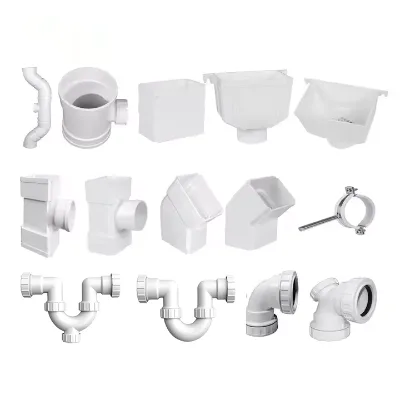
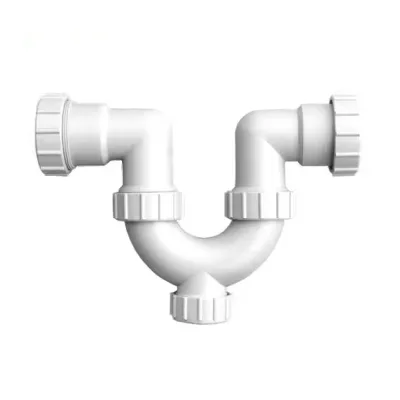


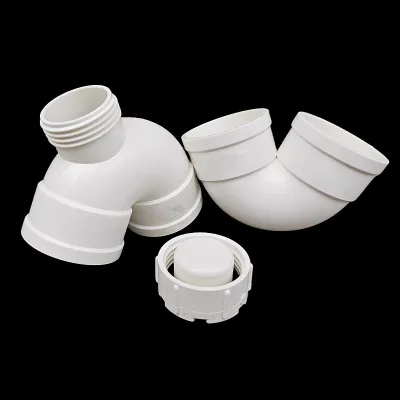


Comprehensive Sourcing Guide
PVC-U P Trap with Cleanout Sourcing Guide
Sourcing PVC-U P-traps with cleanout ports requires a nuanced understanding of the broader PVC-U pipe ecosystem, as these fittings are integral components of drainage and waste systems. The core keyword highlights a specific fitting type designed to prevent sewer gases from entering living spaces while allowing for maintenance access. Buyers must distinguish between the general category of thermosetting plastic pipes and the specific functional requirements of P-traps, which serve as critical water seals in plumbing infrastructure. The market offers a wide variety of products, ranging from simple drainage pipes to complex fittings with integrated cleanouts, necessitating careful verification of model numbers and dimensional standards to ensure compatibility with existing piping networks.
Procurement decisions for these components are heavily influenced by regional standards and material specifications. While the general product category includes thermosetting plastic pipes with hard characteristics, the specific P-trap variants must meet rigorous durability and chemical resistance criteria. Buyers should focus on products that explicitly mention cleanout features, as this functionality is essential for long-term maintenance without dismantling the entire drainage system. The availability of customization options, including OEM and ODM services, allows for tailored solutions, but it also introduces complexity in verifying that the customized dimensions adhere to the necessary hydraulic and structural performance benchmarks required for building applications.
Product Scope and Observed Listing Signals
The observed market signals indicate a diverse range of PVC-U products, with listings frequently referencing standard pipe diameters such as 50mm, 75mm, and 110mm. These dimensions are critical for determining the appropriate P-trap size for residential versus commercial applications. Buyers should note that while many listings describe general drainage pipes, the specific P-trap models often carry distinct model numbers, such as S069 or S071, which may correspond to specific port configurations or cleanout designs. The presence of "P-Trap with Port" in product titles suggests that these fittings are designed to integrate seamlessly with standard drainage lines while providing an accessible point for clearing blockages.
Color and material consistency are also key indicators of product quality and intended use. Most observed listings specify white PVC-U material, which is standard for visible plumbing installations due to its aesthetic neutrality and resistance to UV degradation when properly formulated. The hardness attribute is consistently listed as "Hard," confirming that these are rigid fittings suitable for fixed installations rather than flexible hose applications. Buyers should verify that the listed thickness, often noted around 2mm for pipes, correlates with the wall thickness of the P-trap itself, as thinner walls may compromise the structural integrity of the fitting under pressure or impact.
Technical Specifications to Verify
Dimensional accuracy is paramount when sourcing P-traps, as even minor deviations can lead to installation failures or leaks. Buyers must verify that the fitting’s inlet and outlet diameters match the connected pipe sizes, typically adhering to standard metrics like 50mm, 75mm, or 110mm. The mounting hole diameter, observed in some listings as 0.25 inches, may refer to specific fastening points or accessory attachments, requiring clarification to ensure compatibility with mounting hardware. Additionally, the single package dimensions and gross weight provide insights into the physical robustness of the product, helping logistics planners estimate shipping costs and storage requirements accurately.
The cleanout feature itself must be evaluated for accessibility and sealing integrity. A proper cleanout port should allow for the insertion of cleaning tools without compromising the water seal of the trap. Buyers should inquire about the thread type or connection method for the cleanout plug, ensuring it is compatible with standard wrenches and resistant to corrosion. Furthermore, the material composition should be confirmed as PVC-U, which offers excellent chemical resistance and durability for drainage applications. The absence of pressure ratings in some listings suggests that these fittings are designed for gravity-fed systems rather than pressurized water supply, a distinction that must be respected during system design.
Compliance and Safety Documentation
Regulatory compliance is a non-negotiable aspect of sourcing plumbing components, particularly those that interact with wastewater systems. Buyers should request documentation confirming adherence to relevant national or international standards, such as GB/T5836.1-2018, which governs the specifications for PVC-U drainage pipes and fittings in certain markets. While ASTM D2665 is mentioned in background knowledge, its applicability depends on the target market and specific project requirements. Verification of these standards ensures that the P-traps meet minimum requirements for dimensional stability, impact resistance, and chemical compatibility.
Safety and environmental considerations also play a role in the selection process. PVC-U products should be free from harmful additives and should comply with local regulations regarding potable water contact, even if primarily used for drainage. Buyers should ask for material safety data sheets (MSDS) and declarations of conformity to ensure that the products do not leach harmful substances into the environment. Additionally, the warranty terms, which vary from 3 years to 50 years in observed listings, should be scrutinized to understand the manufacturer’s confidence in the product’s longevity and performance under normal operating conditions.
Cost Drivers and Commercial Terms
Pricing for PVC-U P-traps is influenced by several factors, including material costs, manufacturing complexity, and order volume. The observed price range of $0.01 to $150 USD reflects the diversity of products, from simple small-diameter fittings to larger, more complex assemblies with integrated cleanouts. Buyers should be cautious of extremely low prices, which may indicate inferior material quality or non-compliance with standards. Minimum order quantities (MOQs) typically range from 1 to 100,000 units, allowing for flexibility in procurement strategies, but larger orders may offer significant cost advantages through economies of scale.
Shipping and packaging methods also impact the total cost of ownership. Products are often packed in plastic bags inside standard cartons, with palletization available for bulk shipments. The choice of transport mode, whether by sea, air, rail, or courier services like FedEx and DHL, will affect delivery times and costs. Buyers should negotiate clear terms regarding packaging integrity to prevent damage during transit, especially for fragile plastic fittings. Additionally, the availability of customization services, such as OEM branding or specific dimensional adjustments, may incur additional costs that should be factored into the overall budget.
Supplier Qualification and Quality Control
Supplier qualification is critical to ensuring the reliability of PVC-U P-trap supplies. Buyers should prioritize suppliers with a proven track record in manufacturing plastic pipes and fittings, particularly those located in established industrial hubs like Shandong or Zhejiang in China. These regions are known for their robust manufacturing capabilities and access to raw materials. Verification of the supplier’s production facilities, including their quality control processes and testing equipment, is essential to ensure consistent product quality.
Quality control measures should include routine testing for dimensional accuracy, impact resistance, and chemical resistance. Buyers should request sample units for independent testing before committing to large orders. Additionally, the supplier’s ability to provide customization support, including ODM services, indicates a level of technical expertise and flexibility. However, buyers must ensure that any customized designs undergo rigorous validation to meet the required performance standards. Clear communication channels and responsive customer service are also key indicators of a reliable supplier partnership.
Long-Term Procurement Checks
Long-term procurement success depends on establishing a sustainable supply chain that can adapt to changing market conditions and project requirements. Buyers should regularly review supplier performance metrics, including on-time delivery rates, product defect rates, and responsiveness to issues. Maintaining a diversified supplier base can mitigate risks associated with supply chain disruptions, while fostering strong relationships with key suppliers can lead to better pricing and priority service.
Continuous monitoring of regulatory changes and industry standards is also essential to ensure ongoing compliance. As building codes and environmental regulations evolve, suppliers must adapt their products accordingly. Buyers should stay informed about these changes and work with suppliers who are proactive in updating their offerings. Finally, periodic audits of the supply chain, including site visits and third-party inspections, can provide valuable insights into the supplier’s operational practices and commitment to quality, ensuring that the procurement strategy remains robust and effective over time.
FAQs
What is the standard for PVC-U drainage pipes?
The standard for these pipes is GB/T5836.1-2018. This specification ensures the product meets required quality and safety benchmarks for drainage applications in building systems.
Can I request custom lengths for the pipes?
Yes, you can request cut lengths on demand. The supplier offers customization services to meet specific project requirements rather than selling only fixed standard sizes.
Which materials are used for these drainage pipes?
These pipes are manufactured from PVC-U material. This thermosetting plastic provides the necessary hardness and durability for use in drainpipes and water supply systems.
How long is the warranty period for the product?
The warranty period is listed as 50 years for some models and 3 years for others. Buyers should verify the specific warranty terms associated with their selected product model.
What are the available pipe sizes and diameters?
Available sizes include 50mm, 75mm, 110mm, and various other diameters up to 630mm. The product range covers standard dimensions suitable for different drainage and ventilation needs.
Where are these PVC pipes manufactured?
The products originate from Shandong, China, with some items listed from Zhejiang, China. Buyers can expect sourcing from these specific manufacturing regions in China.
What packaging options are available for shipping?
Packaging includes plastic bags inside standard cartons, often placed on pallets. This ensures the pipes are protected during transport by sea, air, or rail.