Source PVC Tent Fabric for Canopies, Warehouses, and Outdoor Covers
Explore 30 listings of PVC Tent Fabric from Chinese manufacturers. Buyers can compare specifications like fire ratings, GSM weight, and waterproof features to find suitable materials for architectural textiles, tents, and cargo covering applications.
Key considerations
Products List


Block out PVC Coated Tent Fabric Coated Marquee Tent Covers Fabric
$1.46 - $1.50
MOQ: 3000 Square Meters

Textile Non-PVC Fabric with Eco-Friendly Fabric for Tarpaulin Truck Cover Tent Awning
$1.08 - $1.10
MOQ: 3000 Square Meters


PVC Coated Tarpaulin Awning Tarp Fabric Laminated for Tent Cover
$0.50 - $2.99
MOQ: 5000 Square Meters


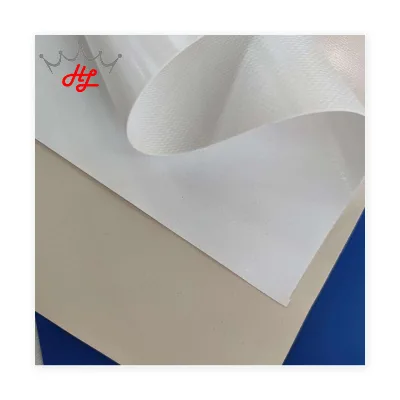


Fire-Retardant PVC Performance Tent Fabric for Safe Outdoor Events (EN 13501 Certified)
$0.98 - $1.35
MOQ: 4000 Square Meters

Durable PVC Party Tent Fabric OEM ODM with Fire Retardant & Windproof Design
$0.30 - $3.60
MOQ: 2000 Square Meters

Ttear-Resistant PVC Waterproof Technology Fireproof Tarpaulin Fabric Tent Fabric
$1.00 - $10.00
MOQ: 1 Square Meters

PVC Tent Fabric Waterproof Flame Retardant Double Sides PVC Coated Fabric
$1.80 - $2.60
MOQ: 1000 Meters


Tensile Fabric Tent Membrane Structure Shelter Fabric Tensile Fabric
$0.97 - $1.27
MOQ: 3000 Square Meters
Comprehensive Sourcing Guide
Strategic Sourcing Guide for PVC Tent Fabric Procurement
Understanding Material Composition and Structural Variations
When sourcing PVC Tent Fabric, the primary objective is to identify a material that balances structural integrity with environmental resistance. Based on current market observations, the core material composition for these textiles is predominantly 100% Polyester or a composite of PVC and Polyester. The distinction between these two categories is critical for procurement decisions. Pure polyester variants often serve as the base substrate, while the PVC coating provides the necessary waterproofing and durability. The fiber cross-section observed in high-performance variants is noted as GOAT, a specific structural characteristic that influences tensile strength and flexibility.
The fabric structure is generally classified as either "Fabric Form" or "Three-Dimensional Form," depending on the intended application. For heavy-duty architectural or cargo covering applications, a woven structure is standard. The weave density is a significant technical parameter, with observed standards ranging from 1000D/1818/2020/2323 to 2000D/1515, and specific configurations like 1000x1000D/9*9. These numerical designations refer to the denier count and thread count, which directly correlate to the fabric's resistance to tearing and puncturing. Buyers must verify that the specific model number, such as YT2246 or YT2499, aligns with the required denier and weave specifications for their project.
The grammage, or weight per square meter, is another pivotal specification. Market data indicates a range from 400 GSM to 1200 GSM, with specific high-strength variants reaching up to 850 GSM. The thickness of the material is equally variable, with observed specifications extending up to 2mm. This variance allows buyers to select a product that matches the load-bearing requirements of the tent structure. Whether the application requires a lightweight, flexible cover or a heavy-duty, rigid barrier, the physical weight and thickness must be explicitly defined in the purchase order to ensure the supplier delivers the correct grade of fabric.
Technical Performance and Functional Attributes
The functional performance of PVC Tent Fabric is defined by a suite of attributes designed to withstand harsh environmental conditions. The most critical feature is water resistance, with many products boasting "Water Proof" and "Waterproof Cover" capabilities. This is achieved through the coating process, which can be either a standard coating or a specialized treatment. The fabric is also engineered to be windproof and tear-resistant, with specific mentions of "Tear-Jerking" resistance, indicating a high tolerance for mechanical stress.
Fire safety is a non-negotiable aspect of procurement for commercial and architectural applications. The observed fire retardant ratings include M1, M2, B1, and B2 classifications. These standards indicate the material's ability to resist ignition and limit flame spread. Buyers must confirm that the specific batch of fabric meets the fire safety regulations required by their local jurisdiction, as these ratings can vary by region. Additionally, the fabric often includes anti-static properties, which are essential for environments where static discharge could pose a risk.
Durability against environmental degradation is ensured through several advanced features. The material is typically treated to be anti-UV, preventing the breakdown of fibers and the fading of colors under prolonged sun exposure. Anti-mildew properties are also standard, ensuring the fabric remains hygienic and structurally sound in humid conditions. The surface finish can vary from plain and matte to glossy or taffeta effects, allowing for aesthetic customization. However, for industrial applications, the style is often "No Decoration" to prioritize function over form. The fabric is also described as anti-wrinkle, which helps maintain a taut appearance and reduces the risk of water pooling.
Compliance, Certification, and Standard Verification
Navigating the compliance landscape for PVC Tent Fabric requires a rigorous approach to verifying standards and certifications. While background information may reference standards such as EN 1049-2 or certifications like CE, these should not be assumed to apply to every product listed without explicit verification. The procurement process must involve a direct request for the specific test reports and certification documents for the model numbers being considered.
The "prod_standard" field in supplier data often lists width specifications, such as "UP TO 5.1M," rather than a formal safety standard. This indicates that the width is a manufacturing capability rather than a regulatory compliance metric. Buyers should not rely on width alone to determine safety compliance. Instead, they must request documentation proving that the fabric meets the specific fire retardant ratings (M1, M2, B1, B2) and tensile strength requirements for their intended use.
In the context of international trade, the origin of the product plays a role in compliance. The observed production origins include China and specifically Zhejiang, China (Mainland). While these regions are major manufacturing hubs, the compliance status of the goods depends on the specific factory's quality management systems. Buyers should verify if the supplier holds valid ISO certifications or other relevant quality management credentials, as these are not explicitly listed in the general product attributes. The absence of a specific certification in the provided data does not imply non-compliance, but it necessitates a proactive verification step before finalizing any contract.
Cost Drivers and Pricing Dynamics
The pricing of PVC Tent Fabric is influenced by a complex interplay of material costs, manufacturing complexity, and order volume. The observed price range in the market spans from $0.05 to $60 per unit, a wide disparity that reflects differences in quality, thickness, and functional additives. The lower end of the spectrum likely corresponds to lighter weight fabrics with standard coatings, while the higher end represents heavy-duty, multi-functional materials with advanced fire retardant and UV protection features.
Order volume is a primary driver of cost. The Minimum Order Quantity (MOQ) ranges from 1 to 10,000 units, offering flexibility for both small-scale projects and large industrial contracts. Buyers purchasing in bulk can often negotiate better pricing tiers, but the initial investment for high-specification fabrics may be substantial. The customization of the product, including color, width, and specific functional coatings, also impacts the final cost. Customized colors and specialized patterns, such as matte or glossy finishes, may incur additional setup fees.
Packaging and logistics represent another significant cost factor. The observed packing methods include craft paper, PE foam, hard tube paper, and sea freight options. The choice of packaging affects the protection of the fabric during transit and the overall shipping cost. For heavy-weight fabrics, the use of hard tubes or specialized packing is essential to prevent damage, which may increase the unit cost. Buyers should factor in these logistical expenses when calculating the total cost of ownership, ensuring that the selected supplier offers packaging that minimizes the risk of damage during transit.
Typical Applications and Usage Scenarios
PVC Tent Fabric is a versatile material utilized across a diverse range of industries. The primary applications include architectural textiles, where the fabric serves as a durable covering for large-scale structures. In this context, the fabric's ability to withstand wind, rain, and UV radiation is paramount. The "Covering Goods In Open-Air Cargo Yard" application highlights the fabric's utility in industrial logistics, where it protects pallets and goods from the elements.
Tent manufacturing is another major application area. The fabric's high strength and waterproof properties make it ideal for temporary or semi-permanent shelters used in events, military operations, and emergency relief efforts. The "Waterproof Cover" function is specifically designed to protect goods and pallets, ensuring that the contents remain dry and secure. The fabric's tear-resistant and anti-static features are particularly valuable in environments where mechanical stress or electrical hazards are present.
The versatility of the material extends to its use in various surface effects. Whether a matte finish is required for a low-profile architectural design or a glossy finish for a high-visibility event tent, the fabric can be customized to meet these aesthetic and functional needs. The "Three-Dimensional Form" structure suggests that the fabric can be shaped into complex geometries, making it suitable for innovative architectural designs. Buyers should carefully assess the specific requirements of their application to ensure the selected fabric model, such as YT1898 or JR850, meets the necessary performance criteria.
Supplier Evaluation and Quality Control Protocols
Evaluating suppliers for PVC Tent Fabric requires a multi-faceted approach that goes beyond simple price comparison. Buyers should prioritize suppliers who demonstrate transparency in their production processes and provide detailed technical documentation. The observation of specific model numbers like YT2238, YT1439, and YT1204 indicates a standardized product line, which can be a positive sign of a supplier's consistency and quality control.
Quality control should be a central component of the procurement strategy. Buyers must verify the physical features of the fabric, such as high strength and specific gram weights, through independent testing. The "Fiber Types" being listed as "Filament" suggests a continuous fiber structure, which generally offers better strength and durability than staple fibers. However, buyers should request samples to verify the actual feel, flexibility, and coating adhesion of the material.
The supplier's location, such as Zhejiang, China, is a relevant factor for logistics and communication. Proximity to major shipping ports can reduce lead times and shipping costs. However, buyers should also consider the supplier's ability to handle customization requests, such as specific widths up to 5.1m or custom colors. A supplier's willingness to provide samples and engage in technical discussions is a strong indicator of their reliability and commitment to customer satisfaction.
Long-Term Procurement and Maintenance Considerations
Sourcing PVC Tent Fabric is not just a one-time transaction but a long-term partnership that requires ongoing management. The durability of the fabric, characterized by its anti-mildew, anti-wrinkle, and anti-UV properties, ensures a long service life, but proper maintenance is essential. Buyers should establish a maintenance protocol that includes regular cleaning and inspection to prevent the accumulation of debris and the degradation of the coating.
The customization options available, such as specific packing methods and surface effects, allow for a tailored approach to procurement. However, buyers should be aware that customized orders may have longer lead times and higher MOQs. Planning for these factors is crucial to avoid project delays. Additionally, the "Heavy Weight" classification of some fabrics suggests that they may require specialized handling equipment for installation, which should be factored into the project budget.
Finally, buyers should maintain a relationship with their supplier to ensure a steady supply of replacement materials. As the fabric ages, the availability of matching products becomes critical for repairs and expansions. A reliable supplier who can provide consistent quality and technical support will be an invaluable asset in the long-term management of the tent infrastructure. By focusing on these strategic considerations, buyers can ensure the successful deployment and longevity of their PVC Tent Fabric projects.
FAQs
What fire retardant ratings are available for this fabric?
The fabric is available with M1, M2, B1, and B2 fire retardant ratings. These classifications indicate the material's ability to resist ignition and limit flame spread, which is essential for commercial and architectural applications requiring strict safety compliance.
How wide can the PVC Tent Fabric be manufactured?
The maximum width for this fabric is up to 5.1 meters. This specification allows for large-scale architectural textiles and cargo covers without needing seams, though the exact width must be confirmed during the customization process with the supplier.
Can the fabric be customized for specific colors and patterns?
Yes, customization is available for both color and pattern. Buyers can select from plain, matte, glossy, or taffeta surface effects, and the product is offered in a customized color option to meet specific aesthetic or branding requirements for tents and covers.
What is the minimum order quantity for this material?
The minimum order quantity ranges from 1 to 10,000 units depending on the specific product model. This flexibility allows buyers to source small quantities for testing or large volumes for industrial projects, with pricing tiers often adjusted based on the order size.
Which materials are used to construct this tent fabric?
The fabric is constructed from 100% Polyester or a composite of PVC and Polyester. These materials provide high strength and durability, with some variants featuring a GOAT fiber cross-section to enhance tensile strength and flexibility for heavy-duty applications.
How is the fabric packaged for international shipping?
The fabric is typically packed in craft paper, PE foam, or hard tube paper to prevent damage. For larger shipments, sea freight options are available, ensuring the material remains protected during transit while accommodating the specific weight and dimensions of the order.
What are the key functional features of this waterproof fabric?
Key features include waterproof, windproof, tear-resistant, and anti-UV properties. The fabric also offers anti-mildew and anti-static capabilities, making it suitable for covering goods in open-air cargo yards and protecting pallets from harsh environmental conditions.