Source PVC Transmission Selector Rod for Machinery
Compare 30 listings for PVC transmission selector rod components suitable for metal processing machinery, automotive gear systems, and industrial automation. Buyers can evaluate customization options, material grades, and delivery times from verified Chinese manufacturers; compare the available evidence and request quotations based on your requirements.
Key considerations
Products List


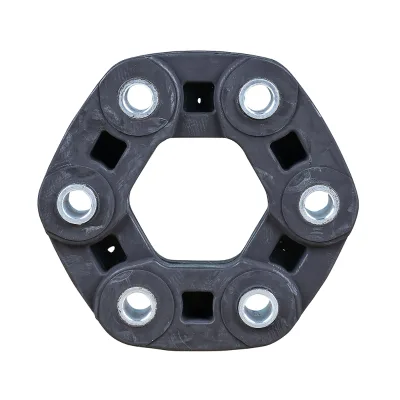


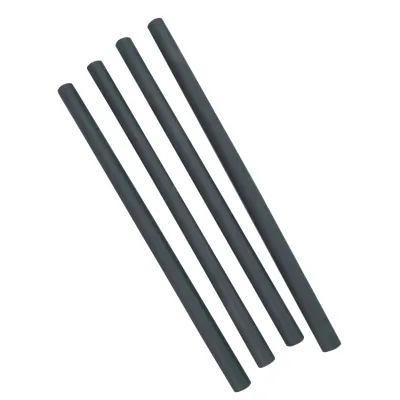

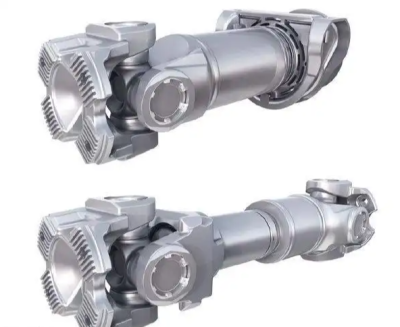
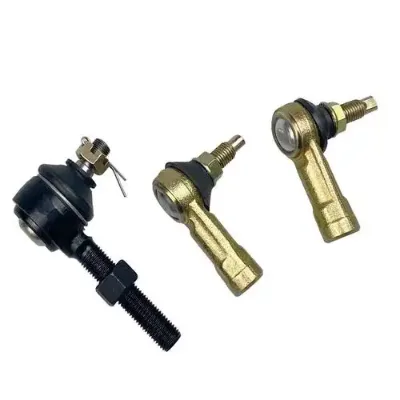


Comprehensive Sourcing Guide
PVC Transmission Selector Rod Sourcing Guide
Procuring a PVC transmission selector rod requires distinguishing between generic plastic components and specialized automotive or industrial parts that may share similar naming conventions. The available market data indicates a diverse range of offerings, including specific models like rod-33 and PVC010, which are explicitly categorized as plastic bars made from PVC material. Buyers must carefully verify that the listed "selector rod" aligns with the actual product attributes, as some listings describe suspension arms or connecting rods made from steel or iron, which are fundamentally different in application and performance.
When evaluating potential suppliers, it is critical to cross-reference the material composition against the intended mechanical load. While the core keyword suggests a plastic component, the observed inventory includes steel alloy machining parts with tight tolerances of 0.01mm and iron casting components. A buyer seeking a lightweight, corrosion-resistant selector rod for a specific machinery application must ensure the supplier does not inadvertently ship a heavy-duty steel transmission gear selector or a standard suspension arm, as the material properties of PVC differ significantly from those of steel or iron alloys.
Product Scope and Observed Listing Signals
The product scope for a PVC transmission selector rod encompasses various customization options, with many suppliers offering customized lengths and specific model numbers such as PVC03 or pvc part. The observed listings highlight that customization is a standard feature, allowing buyers to tailor the rod dimensions to fit unique machinery requirements. However, the presence of non-standard components and specific part numbers like 0501216205 suggests that some listings may refer to genuine original parts rather than generic PVC rods, necessitating a clear definition of the required specification before placing an order.
Observation of packaging and origin data reveals that products typically originate from regions like Qingdao or Henan in China, with delivery times generally within two weeks. Packaging varies from wooden pallets and wooden boxes to paper cases, depending on the size and fragility of the component. Buyers should note that while some items are described as "new" and "genuine," others are generic standard components, and the distinction is vital for ensuring the part meets the specific operational needs of the transmission system without compromising on structural integrity or fitment.
Technical Specifications to Verify
Technical verification must begin with the material composition, as the market contains both PVC plastic bars and steel or iron components that may be mislabeled. For a true PVC selector rod, the buyer must confirm the material is strictly PVC and not a steel alloy, which would have different thermal and mechanical properties. Additionally, the tolerance levels for machining parts are observed to be as tight as 0.01mm for steel components, but for plastic rods, the focus should be on dimensional accuracy and the ability to withstand the specific torque and load requirements of the transmission system.
Load-bearing capacity and environmental ratings are equally critical when selecting a transmission selector rod. Some observed products feature high holding torques of 48kn.M and static axial loads up to 970kn, which are typical for heavy-duty gearboxes rather than standard plastic rods. Buyers must verify that the selected PVC rod can handle the specific output torque and speed, such as 6.8kn.M and 2.1rpm, without deforming. Furthermore, checking the IP class rating, such as IP65, ensures the component can withstand the environmental conditions of the machinery, including dust and water exposure, which is essential for long-term reliability.
Compliance and Safety Documentation
Compliance documentation for PVC transmission selector rods often includes a mix of international standards and specific certifications that vary by supplier. The observed data lists certifications such as ISO, CE, RoHS, and TS16949, which indicate adherence to quality management and environmental safety standards. However, buyers must ensure that the specific certification applies to the PVC material and the final product, as some listings may reference certifications for steel components or general manufacturing processes rather than the specific plastic rod being purchased.
Safety and regulatory adherence also involve verifying the standard component classifications, such as BS, ANSI, JIS, GB, GOST, ASTM, and DIN. While some products are marked as non-standard components, others adhere to strict standard component protocols. It is essential to confirm that the PVC rod meets the relevant safety standards for the intended application, particularly if it is used in machinery that requires TS16949 compliance for automotive or heavy industrial use. Buyers should request specific test reports or certification documents that validate the material's safety and performance under the expected operating conditions.
Cost Drivers and Commercial Terms
Cost drivers for PVC transmission selector rods are influenced by the level of customization, material quality, and the complexity of the manufacturing process. The observed price range spans from $0.99 to $2200, reflecting the vast difference between generic plastic bars and specialized, high-tolerance components. Buyers should anticipate that customized lengths, specific model numbers, and high-performance attributes like tight tolerances or specialized packaging will increase the unit cost significantly compared to standard, off-the-shelf items.
Commercial terms such as minimum order quantity (MOQ) and delivery lead times are key factors in the procurement decision. The observed MOQ ranges from 1 to 100 units, offering flexibility for small-scale testing or large-scale production runs. Delivery times are typically within two weeks, but this can vary based on the customization level and the supplier's location. Buyers must negotiate clear terms regarding payment, shipping, and potential penalties for delays, ensuring that the commercial agreement aligns with the project timeline and budget constraints.
Supplier Qualification and Quality Control
Supplier qualification requires a thorough review of their manufacturing capabilities and quality control processes, particularly for specialized components like transmission selector rods. The observed data indicates that suppliers often hold certifications like ISO9001 and TS16949, which are strong indicators of a robust quality management system. However, buyers must verify that these certifications are current and specifically cover the production of PVC components, as some suppliers may hold certifications for steel or iron parts that do not apply to the plastic materials required for the selector rod.
Quality control measures should include rigorous inspection of the final product for defects, dimensional accuracy, and material consistency. Buyers should request samples to verify that the PVC rod matches the specified model number and material properties before committing to a larger order. Additionally, checking the supplier's history with similar products, such as suspension arms or connecting rods, can provide insight into their ability to deliver high-quality components. Ensuring that the supplier has a proven track record in producing customized plastic parts is essential for maintaining the integrity of the transmission system.
Long-Term Procurement Checks
Long-term procurement checks involve establishing a reliable supply chain that can consistently meet the evolving needs of the transmission system. Buyers should monitor the supplier's ability to maintain consistent quality over time, especially when dealing with customized orders that may require adjustments to length or material specifications. Regular audits of the supplier's production processes and quality control measures can help identify potential issues before they impact the supply chain, ensuring that the PVC selector rods remain reliable and effective.
It is also crucial to maintain open communication with the supplier regarding any changes in standards, certifications, or material availability. As regulations and industry standards evolve, the supplier must be able to adapt their production processes to remain compliant. Buyers should establish a feedback loop to address any performance issues or defects promptly, ensuring that the long-term relationship is built on trust and mutual benefit. This proactive approach helps mitigate risks and ensures a steady supply of high-quality PVC transmission selector rods for ongoing operations.
FAQs
What materials are used for PVC transmission selector rods?
PVC transmission selector rods are primarily manufactured using high-quality PVC plastic to ensure durability and resistance to wear. Some variants may incorporate steel components for enhanced structural integrity in heavy-duty applications. The choice of material depends on the specific mechanical requirements and environmental conditions of the machinery where the rod will be installed.
Can these rods be customized for specific machinery?
Yes, customization is available for PVC transmission selector rods to meet unique machinery specifications. Buyers can request customized lengths and specific model configurations such as rod-33 or PVC010. This flexibility ensures that the components fit precisely into various transmission systems, optimizing performance and compatibility with existing mechanical setups without requiring extensive modifications.
What certifications do these transmission parts hold?
These transmission parts typically hold ISO certification, ensuring adherence to international quality management standards. Some products may also feature CE, RoHS, or TS16949 certifications, indicating compliance with safety and environmental regulations. These credentials provide assurance of consistent quality and reliability, making them suitable for industrial applications that require strict regulatory compliance and verified manufacturing processes.
How long is the delivery time for orders?
The standard delivery time for these orders is within two weeks from the date of confirmation. This efficient turnaround supports timely project completion and minimizes downtime for manufacturing operations. Buyers can rely on this prompt schedule for both standard and customized orders, ensuring that supply chain needs are met without significant delays or logistical bottlenecks.
What is the typical MOQ for these parts?
The minimum order quantity typically ranges from 1 to 100 units, offering flexibility for various business sizes. This low MOQ allows small businesses to test product quality before committing to larger purchases. It also supports prototyping and small-scale production runs, making it easier for buyers to integrate these components into their manufacturing processes without excessive inventory costs.
Where are these transmission rods manufactured?
These transmission rods are manufactured in China, with specific origins noted in locations like Qingdao and Henan. This geographic concentration allows for efficient logistics and competitive pricing due to established supply chains. Buyers benefit from the robust manufacturing infrastructure in these regions, which supports high-volume production and consistent quality control for industrial components.