Source Quick Dry Maternity Swimsuit for Outfit, Sleepwear, Swimwear
Explore 30 listings of Quick Dry Maternity Swimsuit options featuring breathable polyester and spandex blends. Buyers can compare customizable patterns, sizes, and OEM services for summer wear and swimwear needs.
Key considerations
Products List


Lady Maternity Swimwear Summer Bikinis Two Piece Printed Women Pregnant Beachwear
$6.90 - $8.00
MOQ: 1000 Pieces


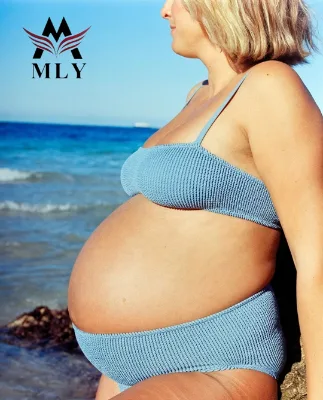

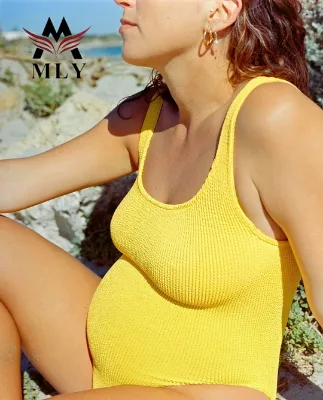


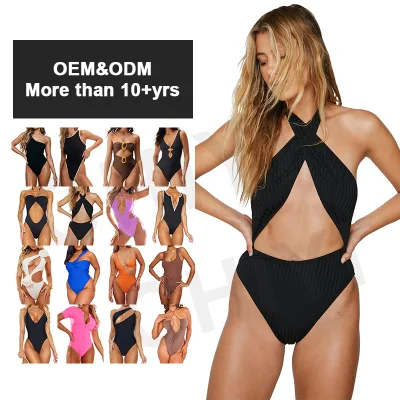
Comprehensive Sourcing Guide
Strategic Sourcing Guide for Quick Dry Maternity Swimwear
The global B2B market for specialized swimwear continues to evolve, with a distinct segment emerging for maternity-specific activewear. Buyers seeking quick dry maternity swimsuits must navigate a complex landscape where fabric technology, fit engineering, and supply chain reliability intersect. The core requirement for this category is not merely aesthetic appeal but functional performance that accommodates physiological changes while maintaining rapid moisture management. This guide provides a disciplined framework for evaluating suppliers, verifying technical claims, and structuring procurement contracts for this niche product category.
Technical Specifications and Material Composition
The foundation of any high-performance maternity swimsuit lies in its material composition and technical attributes. In the current supply base, the most prevalent materials observed for swimwear applications include Polyester and blends of Spandex with Nylon. Polyester is frequently cited for its durability and quick-drying capabilities, while Spandex/Nylon blends offer the necessary elasticity required to accommodate a growing maternity silhouette without losing shape.
When evaluating product specifications, buyers must scrutinize the "Feature" attributes listed in supplier catalogs. High-confidence data indicates that successful products in this sector often boast "Quick Dry" and "Breathable" characteristics. These are not merely marketing terms but functional requirements that prevent the garment from becoming heavy and uncomfortable when wet. The fabric weight is another critical metric; observations from current listings suggest a standard weight around 180 grams, which provides a balance between opacity and drape.
Fit specifications are equally vital. The target demographic requires specific sizing adjustments. While standard sizing exists, the "Size" attribute for maternity swimwear often extends to larger dimensions, such as XXL, to ensure comfort. Furthermore, the "Style" is predominantly "Casual," and the "Season" is strictly "Summer." Buyers should verify that the "Collar Style" and "Neckline" options, such as V Neck or Bandeau, are adaptable to different body types. The "Pattern" attributes observed include a wide range of options like Bordered, Floral, Knitting, Solid, and Striped, with the added capability for "Can Change to Any Print Pattern," allowing for significant customization.
Compliance, Certification, and Safety Standards
In the B2B procurement of swimwear, particularly for sensitive demographics like pregnant women, compliance and safety are paramount. While specific certification names are not universally standardized across all suppliers, buyers must demand verification of product safety standards. The "prod_standard" field in some listings references weight metrics (e.g., 0.3KG), which serves as a proxy for material density but does not replace formal safety certifications.
Buyers should verify that the "Radiation Protection Function" is explicitly stated as "Without Radiation Protection Function" if the product is not intended for UV protection, or conversely, seek products that meet specific UPF standards if sun protection is a requirement. The "Usage" category for these garments often spans "Outfit," "Sleepwear," and "Swimwear," indicating a need for multi-functional fabric safety.
Regarding manufacturing standards, the "Place of Origin" is frequently listed as Guangdong, China, a major hub for textile production. However, origin alone does not guarantee compliance. Buyers must ensure that the "Technics" used, such as "Automated cutting," adhere to labor and safety regulations. The "Supply Type" is often noted as "Oem Service," which implies that the supplier is capable of adhering to the buyer's specific quality and compliance protocols. It is essential to request documentation regarding chemical restrictions (such as AZO dyes) and physical safety tests for seams and elastic bands, which are critical for maternity wear to prevent irritation or constriction.
Cost Drivers and Pricing Dynamics
Understanding the cost structure of quick dry maternity swimsuits is essential for budgeting and margin analysis. The observed price range in the market spans from $0.50 to $15.31 USD. This wide variance is driven by several factors, including material quality, customization levels, and order volume.
The "MOQ" (Minimum Order Quantity) is a significant cost driver. Listings show an MOQ range from 1 to 1200 units, with specific entries indicating a standard MOQ of 50 sets. Lower MOQs often result in a higher unit cost due to the setup costs for automated cutting and pattern creation. Conversely, larger orders allow for economies of scale, reducing the per-unit price.
Customization is another primary cost variable. Attributes such as "Can Cancel" ruffles, "Accept OEM" design, and the ability to change print patterns add value but also increase production complexity. The "Number of Pieces" in a set, such as a "2 Piece Set," also influences the total cost compared to single-piece items. Buyers should note that the "Sample" lead time of 3-5 days and a "7 days sample order lead time" support can affect the overall timeline and associated logistics costs.
Typical Applications and Usage Scenarios
The application of quick dry maternity swimsuits extends beyond traditional beach activities. The "Usage" attributes explicitly list "Swimwear," "Outfit," and "Sleepwear," suggesting a versatility that appeals to a broad range of consumer needs. These garments are designed for "Summer" seasons and are categorized under "Sportswear Type" with specific mentions of "Size Sexy Bikini Swimwear Women," indicating a market focus on both functionality and fashion.
The "Design" acceptance of OEM services allows suppliers to tailor products for specific use cases, such as water aerobics for pregnant women, resort wear, or post-partum recovery swimwear. The "Pattern Type" diversity, including floral and striped options, caters to the aesthetic preferences of the target demographic. The "Color" options, ranging from "Colourful" to specific shades like "Blue" and "Purple," provide further segmentation opportunities.
Buyers should consider that the "Quick Dry" feature is particularly valuable for active mothers who may need to transition quickly from water activities to other daily tasks. The "Breathable" nature of the fabric ensures comfort in hot climates, making these suits suitable for tropical destinations or summer festivals.
Supplier Evaluation and Selection Criteria
Selecting the right supplier requires a rigorous evaluation process based on the available data points. The "Product name" and "Model" numbers (e.g., 25EFHY48, RC-212082) serve as unique identifiers for tracking specific product lines. Buyers should prioritize suppliers who demonstrate flexibility in "Customization" and "Design" acceptance.
The "Service" attribute, specifically "OEM Custom Service," is a strong indicator of a supplier's capability to meet bespoke requirements. The "Sample" availability, with a lead time of 3-5 days, is a positive sign of operational efficiency. However, buyers must verify the "Lead Time" for bulk orders, as the "7 days sample order lead time" does not necessarily reflect production capacity for large volumes.
The "Packing" specifications, such as "1PC/Polybag, 40PCS/Carton" or "Poly Bag," are critical for logistics planning. Suppliers offering standardized packing reduce the risk of damage during transit. The "Place of Origin" being Guangdong, China, suggests a mature supply chain, but buyers should still conduct on-site audits or request third-party inspection reports to verify factory conditions and quality control processes.
Quality Control and Inspection Protocols
Quality control in the swimwear sector must address both aesthetic and functional integrity. The "Fabric Weight" of 180 grams should be consistent across all units to ensure uniform performance. The "Technics" of "Automated cutting" should be verified to ensure precision in pattern matching and seam alignment, which is crucial for the fit of maternity garments.
Inspection protocols should focus on the durability of the "Spandex / Nylon" or "Polyester" blends. Buyers must test for colorfastness, especially given the "Can Change to Any Print Pattern" capability, to ensure that custom prints do not fade or bleed during washing or exposure to chlorine and saltwater. The "Ruffle" attribute, which can be cancelled, requires careful attention to the attachment points to prevent tearing.
The "Standard" of 0.3KG mentioned in some listings should be treated as a reference point for weight consistency rather than a performance standard. Buyers should establish their own weight tolerances and verify that the "Single package size" of 15x15x5 cm aligns with their shipping constraints. Regular quality audits should include checks for "Breathable" and "Quick Dry" performance under simulated usage conditions.
Long-Term Procurement Considerations
Sourcing quick dry maternity swimsuits is a long-term strategic decision that requires building a resilient supply chain. The "Supply Type" of "Oem Service" offers the flexibility to adapt to changing market trends and consumer preferences. Buyers should aim to establish a partnership with suppliers who can scale production as demand grows, given the observed MOQ range of 1 to 1200 units.
The "Age Group" of "adults" indicates a stable market segment, but buyers must remain vigilant about evolving fashion trends and sizing requirements. The ability to customize "Print" and "Pattern" allows for continuous product innovation without the need for complete redesigns.
Finally, buyers should consider the environmental impact of their sourcing decisions. While specific sustainability certifications are not listed in the provided data, the use of "Polyester" and "Spandex / Nylon" blends raises questions about recyclability. Long-term procurement strategies should include inquiries into the supplier's waste management practices and the potential for using recycled materials in future production runs. By maintaining a disciplined approach to specification, compliance, and supplier evaluation, buyers can secure a reliable supply of high-quality quick dry maternity swimsuits that meet the demands of a discerning market.
FAQs
What materials are used for quick dry maternity swimsuits?
The materials observed include Polyester and Spandex/Nylon blends. Polyester offers durability and quick-drying capabilities, while Spandex/Nylon provides the necessary elasticity to accommodate a growing maternity silhouette without losing shape.
Can I customize the print pattern on these swimsuits?
Yes, customization is available for print patterns. Suppliers indicate that buyers can change to any print pattern, including options like Bordered, Floral, Knitting, Solid, and Striped, to meet specific design requirements.
What is the typical minimum order quantity for these items?
The minimum order quantity ranges from 1 to 1200 units depending on the supplier. Specific listings show a standard MOQ of 50 sets, though lower quantities are available for smaller initial orders.
How long does it take to receive a sample order?
Sample orders typically have a lead time of 3 to 5 days. Some suppliers also support a 7-day sample order lead time, allowing for quick evaluation of the product before committing to bulk production.
Where are these swimsuits typically manufactured?
The products originate from Guangdong, China. This region is a major hub for textile production, offering a mature supply chain for manufacturing swimwear with features like automated cutting and quick-dry technology.
What are the available size options for these garments?
Available sizes include XXL to ensure comfort for the target demographic. The design accommodates physiological changes, with styles ranging from Casual to specific Sportswear types suitable for summer use.
Does the fabric weight affect the product performance?
Yes, the fabric weight is a critical metric for performance. Observations suggest a standard weight around 180 grams, which balances opacity and drape while maintaining the quick-dry and breathable characteristics required.