Source Quick Dry Maternity Menstrual Bodysuit for Yoga, Running, Gym
Find 30 listings for the Quick Dry Maternity Menstrual Bodysuit designed for active lifestyles. Buyers can compare features like super absorbency, 360 anti-side leakage, and breathable fabrics across various models and suppliers.
Key considerations
Products List


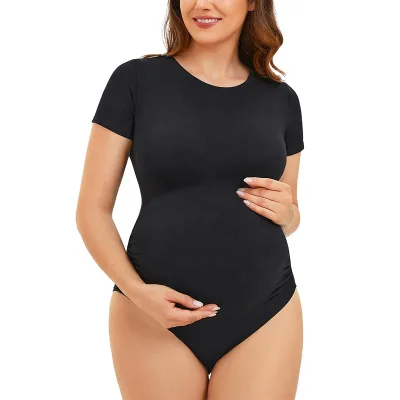
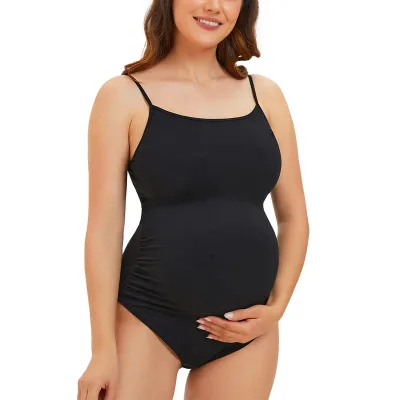
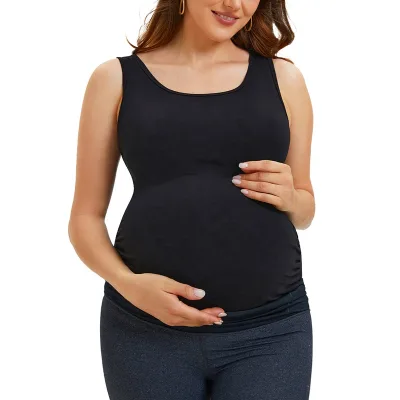
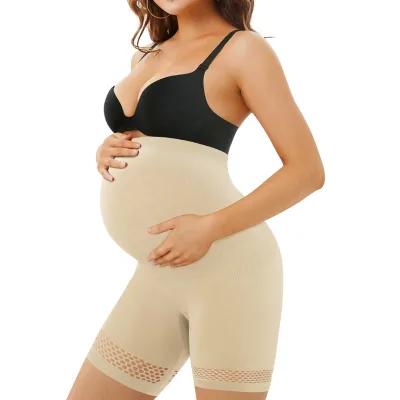


High Waist Menstrual Period Pants with Secure Leak Guard Design
$0.12 - $0.20
MOQ: 140000 Pieces
Quanzhou Topone New Materials Technology Development Co., Ltd

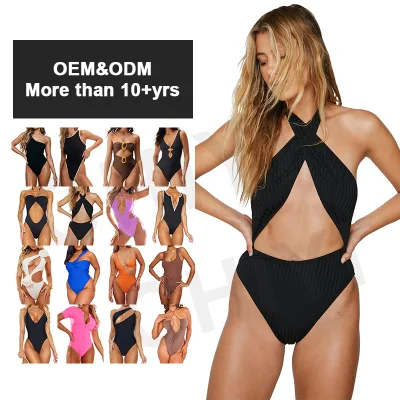
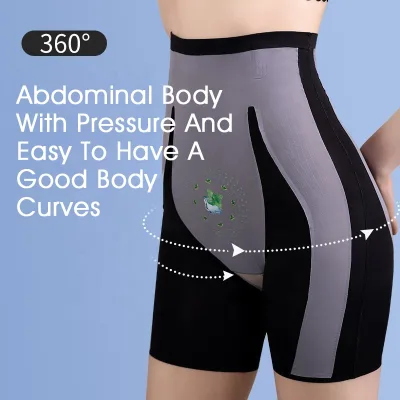
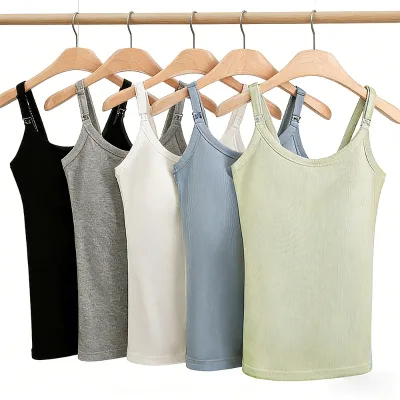
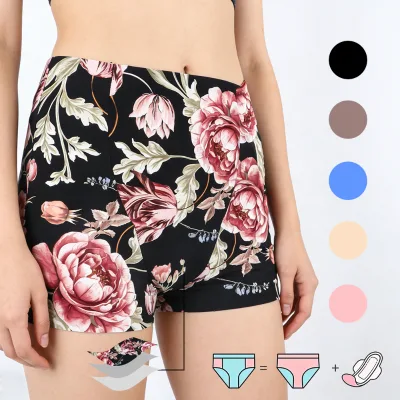
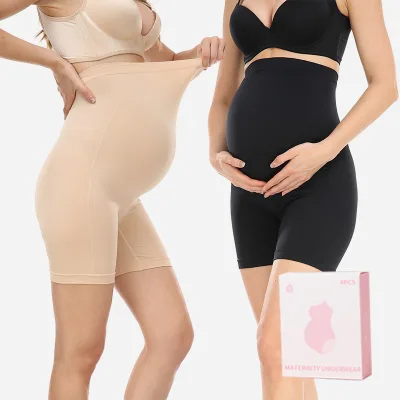

Factory Customised Organic Cotton Bamboo Fibre Maternity Bodysuit with Good Stretch
$8.99 - $12.99
MOQ: 500 Pieces


Comprehensive Sourcing Guide
Quick Dry Maternity Menstrual Bodysuit Sourcing Guide
Sourcing a quick-dry maternity menstrual bodysuit requires balancing specialized absorbency needs with the comfort and flexibility required during pregnancy. The product category merges the functionality of high-absorbency menstrual protection with the structural support and stretch necessary for a changing body shape. Buyers must prioritize items that explicitly state suitability for both physiological protection and active wear, ensuring the fabric maintains integrity under the stress of movement and the specific demands of maternity.
The market offers distinct variations ranging from disposable non-woven options to reusable fabric-based suits designed for extended wear. While some listings highlight "super absorbent" and "360 anti-side leakage" features typical of disposable pads, others focus on "breathable" and "quick-dry" properties found in nylon-spandex blends suitable for yoga or daily activity. Understanding this distinction is critical, as the procurement strategy for a disposable, single-use garment differs significantly from sourcing a durable, washable bodysuit intended for long-term use.
Product Scope and Observed Listing Signals
Buyers should carefully examine product listings for specific material compositions and feature sets that align with the dual purpose of maternity support and menstrual protection. Observed data indicates a range of materials, including non-woven fabrics for disposable applications and nylon-spandex blends for reusable sportswear. A key signal for the correct product type is the presence of attributes like "super absorbent" combined with "quick dry" and "breathable" features, which suggest a design capable of managing moisture while maintaining comfort during physical activity or rest.
The scope of available products also varies by packaging and intended usage context, with some items listed for "night" use and others for "sports" like yoga, running, or tennis. Listings may specify "without flavor" and "pure colour" or "with pattern," indicating different aesthetic and functional approaches to the same core need. Procurement teams must verify if the product is marketed as "physiological underwear" or a "suit" to ensure the design accommodates the specific anatomical changes of pregnancy while providing the necessary leak protection.
Technical Specifications to Verify
Technical verification must begin with the fabric composition, as the blend of materials directly impacts the garment's ability to wick moisture and provide stretch. For reusable options, specifications such as "10% Spandex + 90% Nylon" or "Nylon/Spandex" are common indicators of the necessary elasticity and durability required for a bodysuit. Buyers should confirm that the fabric is explicitly described as "breathable" and "quick dry" to ensure it prevents skin irritation and maintains hygiene during extended wear, which is a critical requirement for both maternity and menstrual health.
Dimensions and weight specifications are equally vital for ensuring a proper fit and comfort level for the end user. Observed data includes weight ranges like "25-32g" for lighter disposable items and "0.14kg" or "0.3kg" for heavier, more structured suits. Length specifications exceeding "400mm" suggest designs intended to provide full coverage, which is essential for preventing leaks during sleep or high-movement activities. Buyers must cross-reference these measurements with the stated size ranges, such as "S M L XL" or "M/L," to ensure the product accommodates the specific body measurements of the target demographic.
Compliance and Safety Documentation
Safety documentation for intimate apparel and maternity products must address skin contact and chemical safety, particularly given the sensitive nature of the skin during pregnancy. While specific certification statuses like OEKO-TEX are noted in background data, buyers should not assume compliance without direct verification from the supplier. Instead, procurement teams must request current test reports confirming the absence of harmful substances in the non-woven or synthetic fabrics, ensuring the materials meet international safety standards for direct skin contact.
For products claiming "high absorption" and "anti-side leakage," buyers should verify that the internal absorbent layers are securely bonded and do not pose a risk of separation or leakage during use. Documentation should also cover the durability of the "360 anti-side leakage" features, ensuring that the design holds up under the stress of movement and washing cycles for reusable items. It is essential to confirm that any "customized logo" or printing processes used on the garment do not compromise the fabric's breathability or introduce allergens.
Cost Drivers and Commercial Terms
Cost structures for this category are heavily influenced by the choice between disposable and reusable materials, as well as the complexity of the manufacturing process. Disposable non-woven bodysuits often involve lower material costs but higher per-unit consumption, whereas reusable nylon-spandex suits require more expensive fabric blends and precise stitching to ensure longevity and fit. Buyers should analyze the "MOQ" ranges, which can vary significantly from single units to large bulk orders, to determine the most cost-effective entry point for their specific volume needs.
Commercial terms must account for the variability in packaging and shipping weights, which directly impact logistics costs. Listings show diverse packaging formats, from "1PC/Polybag" to "10PCS/Bag" or "40PCS/Carton," requiring careful calculation of container utilization. Additionally, the "3 Years" warranty mentioned in some listings suggests a higher confidence in product durability, which can influence the total cost of ownership. Buyers should negotiate clear terms regarding "OEM" and "customized design" acceptance, as these value-added services often carry premium pricing that must be factored into the final budget.
Supplier Qualification and Quality Control
Supplier qualification should focus on manufacturers with proven experience in producing both maternity wear and menstrual protection products, as the intersection of these two fields requires specialized engineering. Buyers must verify the supplier's capability to handle "customized designs" and "customized labels" while maintaining consistent quality across large production runs. The presence of "OEM" acceptance and "customized logo" options indicates a supplier's flexibility, but this must be balanced with their ability to adhere to strict quality control protocols for intimate apparel.
Quality control processes must include rigorous testing of the "quick dry" and "breathable" claims to ensure they are not merely marketing terms. Suppliers should demonstrate a track record of producing items with consistent "absorption" levels and reliable "leakage" prevention, particularly for products intended for "night" use or high-intensity sports. Buyers should request samples to test the fabric's elasticity and the integrity of the seams, ensuring that the "2 Piece Workout Outfits" or bodysuits maintain their shape and function after multiple wash cycles.
Long-Term Procurement Checks
Long-term procurement success depends on establishing a reliable supply chain that can consistently deliver products meeting the evolving needs of the maternity and menstrual health market. Buyers should implement a system for periodic re-verification of material specifications, ensuring that the "Nylon/Spandex" blends or non-woven fabrics continue to meet the required performance standards for absorption and comfort. Regular audits of the supplier's production lines can help identify any drift in quality that might affect the "360 anti-side leakage" performance or the overall durability of the garment.
Sustainability and product lifecycle management are also critical factors for long-term partnerships. As the market shifts towards more eco-friendly and reusable options, buyers should monitor the supplier's ability to adapt to new material standards and production techniques. Maintaining open communication regarding "customized designs" and "accept custom designs" ensures that the product line can evolve with consumer trends, such as the demand for specific "yoga fitness sports suit" styles or enhanced "maternity" features.
FAQs
Can I customize the logo on the Quick Dry Maternity Menstrual Bodysuit?
Yes, customized logos are available for this product line. The supplier accepts OEM requests and allows for tailored branding on the garments. This customization option supports private label strategies for buyers seeking unique market positioning. Ensure design files meet the vendor's technical requirements for optimal print quality and durability during use.
What is the minimum order quantity for the Quick Dry Maternity Menstrual Bodysuit?
The minimum order quantity ranges from 1 to 140,000 units depending on the specific model and customization level. Buyers can start with small trial orders or scale up for bulk production. This flexible MOQ structure accommodates both emerging brands and large-scale distributors looking for reliable supply chain partners.
How does the Quick Dry Maternity Menstrual Bodysuit handle leakage?
The product features 360-degree anti-side leakage protection to ensure security. It is designed with high absorption capabilities and super absorbent materials to manage flow effectively. This design is particularly suitable for night use, providing peace of mind and comfort for users during sleep without compromising on breathability or fit.
What materials are used in the Quick Dry Maternity Menstrual Bodysuit?
The bodysuit is constructed from non-woven materials for the absorbent layers and nylon with spandex for the outer wear components. This combination ensures durability, stretch, and a comfortable fit against the skin. The fabric choice supports the quick-dry feature and maintains structural integrity through multiple washes and extended wear periods.
Is the Quick Dry Maternity Menstrual Bodysuit suitable for night use?
Yes, the product is specifically designed for night use with enhanced absorption and leakage protection. The quick-dry surface helps maintain comfort and dryness throughout the night. This feature makes it an ideal choice for users who require reliable protection during sleep, reducing the risk of accidents and improving overall rest quality.
What packaging options are available for the Quick Dry Maternity Menstrual Bodysuit?
Packaging varies by model, with options including 10 pieces per bag or 1 piece per polybag. Some items are packed in cartons with 40 pieces per carton for bulk shipping. These flexible packaging solutions help optimize storage and distribution efficiency for buyers, ensuring products arrive in good condition and are ready for retail display.