Source Quick Dry Knitting Polyester Fabric for Apparel, Sports Wear, and Uniforms
Explore 30 listings of Quick Dry Knitting Polyester Fabric suitable for apparel, sports wear, and uniforms. Buyers can compare specifications such as GSM, width, and customization options to find the right material for garment and home textile applications.
Key considerations
Products List


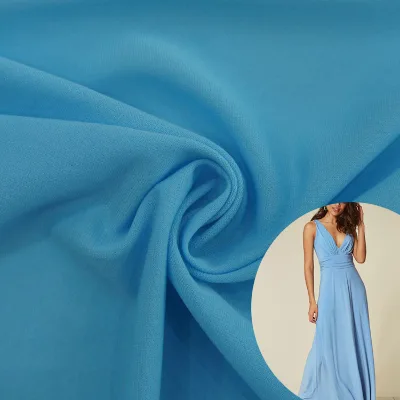


Strong Quality 100% Polyester Printing Fabric / Printed Fabric / Fabric Textile
$0.65 - $1.05
MOQ: 1000 Meters


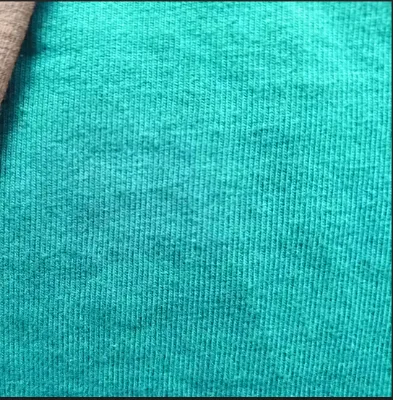
Comprehensive Sourcing Guide
Strategic Sourcing Guide for Quick Dry Knitting Polyester Fabric
Understanding Technical Specifications and Fabric Construction
When sourcing Quick Dry Knitting Polyester Fabric, the primary objective is to identify materials that balance moisture management with structural integrity. The core keyword implies a focus on synthetic fibers engineered for rapid evaporation, typically found in performance apparel and sportswear. Based on available market data, the foundational material composition for these textiles is predominantly 100% Polyester, though variations exist that incorporate Spandex for elasticity or recycled polyester for sustainability goals. The knitting technique is a critical differentiator; while some listings specify Weft Knitting, others highlight Warp Knit Fabrics, specifically Raschel constructions. This distinction dictates the fabric's drape, stretch recovery, and surface texture.
The physical attributes of the fabric are equally vital for procurement decisions. Buyers should verify the weight specifications, as quick-dry properties often correlate with specific gram per square meter (GSM) ranges. Observed data indicates weights starting at or above 200g/m², with specific roll weights noted around 25 kilograms per roll. Width is another standardized variable, commonly found in the 58/60-inch range, though custom widths up to 185cm are available upon request. The surface finish often presents as Plain Dyed or Plain patterns, yet the color palette can be extensive, ranging from standard Black, Light Green, and White to "Any Colors" for custom orders.
The following table summarizes the observed technical variations in the current market to assist in specification alignment:
| Attribute | Common Observation | Customization Potential |
|---|---|---|
| Material Composition | 100% Polyester | Polyester, Spandex, Recycled Polyester |
| Knitting Technique | Weft Knitting, Raschel Warp Knit | Available via specific supplier capability |
| Fabric Weight | ≥200g/m² (200-205 GSM) | Variable based on denier (50D, 75D, 100D) |
| Width | 58/60" (approx. 148cm) | Customizable up to 185cm |
| Surface Style | Plain Dyed | Custom colors, Digital Printing ready |
| Post-Processing | Anti-pilling, Anti-static, Anti-yellow | Custom treatments available |
Compliance, Certification, and Safety Standards
In the B2B textile sector, compliance is not merely a formality but a prerequisite for market access, particularly for garments intended for export to Europe or North America. When evaluating suppliers of quick dry knitting polyester, buyers must scrutinize the safety standards the fabric meets. Specific market observations highlight compliance with rigorous fire retardancy standards, such as the German DIN4102 B1 and the French NFP 92-507 M1. These certifications are essential for applications in home textiles, decoration, and upholstery where fire safety is regulated.
Beyond fire safety, the chemical and environmental compliance of the fabric is a growing concern. The presence of "Eco-friendly" and "Recyclable" features in product descriptions suggests that some suppliers adhere to sustainability mandates. However, buyers should not assume all polyester fabrics meet these criteria without verification. The supply chain often involves complex post-processes like bleaching, coating, and dyeing. For instance, some listings mention "Coating Bleaching Fabric for Direct Printing" or "Digital Printing Fabric," which introduces specific chemical residues that must be tested against international standards like OEKO-TEX or REACH, depending on the destination market.
Furthermore, the origin of the material plays a role in compliance. Production is noted to originate from specific industrial hubs in China, such as Suzhou and Shaoxing. While these regions have robust textile infrastructure, buyers must ensure that the specific factory holds valid certifications for the claimed standards. The absence of a universal "quick dry" certification means that the term itself is a performance claim rather than a regulated standard. Therefore, procurement teams should request third-party test reports for moisture-wicking efficiency, shrinkage rates, and color fastness to light and washing before finalizing orders.
Cost Drivers and Pricing Dynamics
The pricing structure for Quick Dry Knitting Polyester Fabric is influenced by a complex interplay of material costs, production complexity, and order volume. The observed price range in the market spans from $0.10 to $13.00 USD, a variance that reflects differences in fiber quality, denier count, and finishing treatments. The denier (D) of the polyester filament is a primary cost driver; specifications such as 50D, 75D, and 100D indicate different fiber thicknesses, with higher denier counts generally commanding higher prices due to increased material usage and durability.
Order quantity is another significant factor. The Minimum Order Quantity (MOQ) varies widely, ranging from as low as 1 unit to as high as 10,000 units. This flexibility allows buyers to access samples or small batches for testing, but it also means that unit costs will be higher for smaller orders. Conversely, large-scale production runs can leverage economies of scale to reduce the per-meter cost. The supply type, often listed as "Make-to-Order," further impacts pricing. Customization requests, such as specific color matching, unique widths, or specialized post-processing like anti-static or anti-yellowing treatments, add to the production time and cost.
Lead times also indirectly affect cost structures. A typical delivery time (Deli Time) is observed between 15 to 20 days, but this can fluctuate based on the complexity of the order and the supplier's current capacity. Buyers should factor in the cost of expedited shipping if the standard lead time does not align with their production schedule. Additionally, container load efficiency is a hidden cost driver. Data indicates that a 20FT container can hold approximately 7,000 kilograms, while a 40FT High Container can hold up to 17,500 kilograms. Optimizing the order size to maximize container utilization can significantly reduce the logistics cost per unit.
Typical Applications and Performance Requirements
The versatility of Quick Dry Knitting Polyester Fabric makes it suitable for a diverse array of applications, each demanding specific performance characteristics. The primary usage sector is apparel, including t-shirts, workwear, sports wear, and uniforms. In these contexts, the fabric must offer high tenacity, elasticity, and moisture-absorbent properties to ensure comfort during physical activity. The inclusion of Spandex in the blend enhances elasticity, which is crucial for athletic garments that require a full range of motion.
Beyond apparel, the fabric finds significant application in home textiles and decoration. The fire retardancy standards mentioned earlier, such as DIN4102 B1, make these materials ideal for upholstery, curtains, and other interior design elements where fire safety is paramount. The "Plain Dyed" and "Very Colorful" options allow for aesthetic customization in home settings. Furthermore, the fabric is utilized in industrial applications, including shoe manufacturing, sewing, and crochet projects. The "Anti-pilling" and "Anti-bacteria" features are particularly valuable in these sectors, ensuring the longevity and hygiene of the final product.
For outdoor applications, the fabric's resistance to environmental factors is critical. The "Anti-static" and "Anti-yellow" post-processes ensure that the material maintains its appearance and functionality even after prolonged exposure to sunlight and friction. Digital printing capabilities, such as those required for "Dye Sublimation Banner Fabric" or "Direct Sublimation Light Box Fabric," expand the utility of the material into the signage and display industry. This versatility requires buyers to carefully match the specific fabric attributes to the end-use environment, ensuring that the chosen material meets the functional demands of the final product.
Supplier Evaluation and Sourcing Strategy
Selecting the right supplier for Quick Dry Knitting Polyester Fabric requires a rigorous evaluation process that goes beyond price comparisons. Buyers should prioritize suppliers who demonstrate transparency in their production capabilities and quality control measures. The availability of customization is a key indicator of a supplier's flexibility. Many suppliers offer "Customization: Available" for patterns, colors, and specifications, but the extent of this capability varies. A supplier that can accommodate small orders (MOQ as low as 1) is often more suitable for prototyping and small-batch production, whereas those with higher MOQs may be better suited for mass production.
Geographic location is another consideration. Production is concentrated in specific regions like Suzhou and Shaoxing, which are known for their textile expertise. However, buyers should verify the specific factory location rather than relying solely on the country of origin. The "Brand Name" field often lists "customized," indicating that many suppliers operate as OEM providers. This allows buyers to build their own brand identity but requires a higher level of trust in the supplier's ability to maintain quality consistency.
The supply type, typically "Make-to-Order," implies a collaborative relationship between the buyer and the supplier. Buyers should expect to provide detailed specifications, including model numbers (e.g., 2104-0001, DS019, CK1127-#4765) and technical requirements. The ability to provide samples, such as A4 size swatches, is a standard practice that allows buyers to verify the fabric's hand feel, weight, and color accuracy before committing to a larger order. Evaluating the supplier's response time and communication efficiency is also crucial, as these factors can impact the overall success of the procurement process.
Quality Control and Long-Term Procurement Considerations
Ensuring consistent quality in Quick Dry Knitting Polyester Fabric requires a robust quality control (QC) framework. Buyers must establish clear acceptance criteria based on the observed specifications, such as weight consistency (200-205 GSM), width accuracy (58/60" or 185cm), and color fastness. The post-processing steps, including "Wikcing" (likely a typo for Wicking or a specific finishing term), anti-yellowing, and anti-static treatments, must be verified through testing. Regular sampling and inspection during production can help identify deviations early and prevent costly rejects.
Long-term procurement considerations involve building a sustainable supply chain. The availability of recycled polyester options aligns with global sustainability trends, and buyers should explore these options to meet corporate social responsibility (CSR) goals. However, the transition to recycled materials may require adjustments in the production process and potential changes in cost structures. Buyers should also consider the packaging standards, such as "100mts/Roll" or "Roll Pack," to ensure the fabric arrives in optimal condition for manufacturing.
Finally, the relationship with the supplier should be viewed as a strategic partnership. Clear communication regarding lead times, delivery schedules, and contingency plans for supply chain disruptions is essential. The observed "Deli Time" of 15-20 days provides a baseline, but buyers should negotiate terms that account for potential delays. By maintaining a focus on technical specifications, compliance, and quality control, buyers can secure a reliable supply of high-performance Quick Dry Knitting Polyester Fabric that meets the demands of their specific applications.
FAQs
What is the typical material composition of Quick Dry Knitting Polyester Fabric?
The fabric is primarily composed of 100% polyester, though blends with Spandex or recycled polyester are also available. This composition ensures durability and moisture management suitable for sportswear and apparel applications.
Can I customize the color and pattern of the fabric?
Yes, customization is available for colors and patterns, including options like plain dyed or very colorful designs. Buyers can select from standard shades like black or white, or request specific custom colors for their projects.
What fire safety standards does the fabric meet for home textiles?
The fabric meets rigorous fire retardancy standards such as German DIN4102 B1 and NFP 92-507 M1. These certifications are essential for applications in home textiles, decoration, and upholstery where fire safety is regulated.
How does the fabric weight affect its usage in garments?
The fabric weight typically ranges from 200 to 205 GSM, which supports its use in garments like t-shirts and workwear. This weight provides the necessary structural integrity while maintaining the quick-dry properties required for performance apparel.
What is the lead time for make-to-order production?
The delivery time for make-to-order production is typically between 15 to 20 days. This timeframe allows for the customization of specifications, colors, and post-processing treatments like anti-static or anti-yellowing before shipment.
Which knitting techniques are used for this fabric?
The fabric utilizes both Weft Knitting and Warp Knit Fabrics, specifically Raschel constructions. These techniques determine the fabric's drape, stretch recovery, and surface texture for various applications ranging from apparel to industrial uses.