Source Quick Drying Microfiber Golf Towel for Sports, Travel, and Gym
Find and compare 30 listings for the Quick Drying Microfiber Golf Towel, featuring options in plain or printed styles with varying weights and sizes. Buyers can review customization services, sample times, and packing details from suppliers in China.
Key considerations
Products List


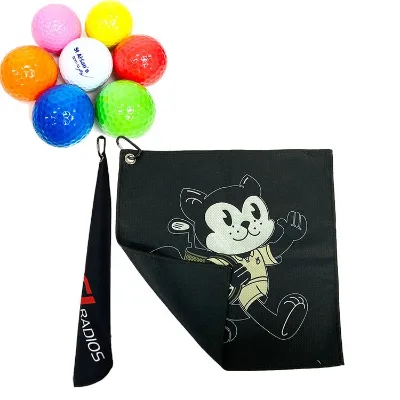
Multi Color Microfiber Waffle Golf Towels with Clip Quick Drying Golf Towel
$1.50 - $1.90
MOQ: 100 Pieces


Comprehensive Sourcing Guide
Strategic Sourcing Guide for Quick Drying Microfiber Golf Towels
Understanding Product Specifications and Material Composition
When sourcing a quick-drying microfiber golf towel, the primary objective is to identify products that balance absorbency, weight, and durability for athletic use. The core material for this category is microfiber, a synthetic blend typically composed of polyester and polyamide. This composition is critical because it allows the fabric to create a large surface area for water absorption while maintaining a lightweight profile. In the current market, observed gram weights for these products vary significantly, ranging from 160g to 300-400GSM. Buyers must verify the specific GSM (grams per square meter) required for their use case, as lower weights generally offer faster drying times and portability, while higher weights provide a plush, soft feel often associated with premium sports accessories.
The physical dimensions of the towel are another vital specification. Standard sizes observed in the market include 40x65cm and 40x60cm, though custom dimensions such as 30x100cm are also available. The shape and size directly impact the towel's utility on a golf course, where space is limited in a golf bag. Beyond size, the texture and finish are essential. Products are frequently described as "ultra soft" or simply "soft," which is a desirable attribute for comfort against the skin and club grips. Some listings also highlight specific features like "magnetic" properties, which allow the towel to attach securely to a golf bag, or "cooling" capabilities, which are distinct from standard drying functions. The pattern and style can range from plain dyed to printed, appliqued, or embroidered designs, offering customization options for branding.
Technical Performance and Functional Attributes
The defining characteristic of a quick-drying microfiber golf towel is its ability to wick moisture rapidly. This performance is driven by the capillary action inherent in microfiber structures, which draws water away from the surface and into the fabric core. For golfers, this means the towel can dry a wet club face or a player's hands almost instantly, preventing slippage and maintaining grip integrity. In addition to drying speed, the product must be durable. High-quality microfiber resists pilling and maintains its texture after repeated washing and exposure to outdoor elements.
Specific functional attributes observed in the market include "quick-cooling" features, which may involve special weaving techniques or chemical treatments designed to lower the surface temperature of the towel. This is particularly relevant for athletes engaging in high-intensity sports. The weight of the towel is a key indicator of its performance; a 170GSM or 200g towel offers a balance of lightness and absorbency, whereas a 300-400GSM towel provides a heavier, more substantial feel. It is important to note that while some suppliers list "magnetic" features, this is not a universal standard and should be verified as a specific product option rather than an assumption for all microfiber towels. The packing method also influences the product's readiness for use; options range from simple OPP bags to carton packaging, which affects the protection level during transit and the retail presentation.
Cost Drivers and Pricing Dynamics
The price of a quick-drying microfiber golf towel is influenced by several variables, including material quality, customization complexity, and order volume. The observed price range in the market spans from $0.30 to $3.85 USD. This wide variance reflects differences in GSM, the inclusion of special features like magnetic clips or cooling technology, and the extent of branding work. Lower-priced items typically represent standard, non-customized plain dyed towels with basic packaging. Conversely, higher-priced units often include custom embroidery, complex printed patterns, or premium packaging solutions.
Order quantity is a significant cost driver. Many suppliers offer tiered pricing structures where the unit cost decreases as the order volume increases. The minimum order quantity (MOQ) can vary widely, with observed ranges from 1 piece to 5000 pieces. Some suppliers are flexible, welcoming trial small orders to test the market, while others enforce stricter thresholds, such as 100 pieces per color per style. Buyers should also consider the cost of customization, including logo design, embroidery, and pattern printing. While some suppliers offer free samples, the cost of tooling for custom molds or screens for printing can impact the overall budget. Additionally, the origin of the product, primarily China, and the specific location of the factory, such as Xiamen, can influence logistics costs and final pricing.
Supplier Evaluation and Service Capabilities
Selecting the right supplier requires a thorough evaluation of their service capabilities and production flexibility. A key indicator of a reliable supplier is their willingness to accept small trial orders. Many manufacturers in this sector explicitly state that they welcome trial small orders, allowing buyers to assess product quality before committing to large-scale production. This service reduces the risk for buyers entering a new market or testing a new design. Furthermore, suppliers often provide OEM (Original Equipment Manufacturer) and ODM (Original Design Manufacturer) services, enabling buyers to have their own branding and designs produced.
Customization options are a critical differentiator among suppliers. Buyers should verify if the supplier can handle custom logo placement, embroidery designs, and pattern printing. Some suppliers offer free custom logo and pattern design services, which can be a significant advantage for brands looking to differentiate their products. The sample time is another important metric; a typical range for sample production is 7 to 15 days. This timeline allows buyers to review the physical product for quality and functionality before proceeding with mass production. Additionally, the availability of free samples can be a valuable tool for initial quality assessment, provided the buyer understands the shipping costs involved.
Quality Control and Compliance Verification
Ensuring product quality is paramount in the golf towel sector, where performance directly impacts the user experience. Buyers must establish clear quality control protocols that address material consistency, stitching integrity, and color fastness. The material should be verified as genuine microfiber, and the GSM should match the agreed specifications. For example, if a buyer orders a 160g towel, the final product must consistently meet this weight standard. Quality control should also include checks for defects such as loose threads, uneven dyeing, or misaligned prints.
Compliance and certification checks are essential, although specific certification statuses vary by supplier. Buyers should request documentation regarding the safety and environmental standards of the materials used. While specific certification names are not universally listed for all products, buyers should verify that the manufacturing process adheres to relevant industry standards. The product origin, typically China, should be clearly stated, and buyers should ensure that the supplier can provide necessary export documentation. It is also important to verify the production standards, such as the "normal standard" or specific size tolerances like 40x65cm, to ensure the product meets the buyer's requirements.
Typical Applications and Market Segmentation
Quick-drying microfiber golf towels are primarily designed for sports applications, with a specific focus on golf. The target age group is predominantly adults, though some products are suitable for children as well. The versatility of these towels extends beyond golf; they can be used for various sports activities where moisture management is critical. The "cooling towel" variant is particularly useful for high-intensity activities, providing a refreshing effect for athletes. The plain style and printed patterns cater to different aesthetic preferences, making these towels suitable for both professional and recreational use.
The market segmentation for these products includes golf clubs, sporting goods retailers, and promotional merchandise distributors. Golf clubs may use these towels as branded giveaways or for sale in pro shops. Sporting goods retailers often stock them as essential accessories for golfers. Promotional distributors may use them as corporate gifts, leveraging the customization options to add company logos. The "Golf Towel" designation is common, but the specific model numbers, such as BT10007, TKTX20, or SP401, indicate different variations in size, weight, and features. Understanding these variations helps buyers select the right product for their specific market segment.
Long-Term Procurement Considerations
Sourcing quick-drying microfiber golf towels is a long-term endeavor that requires careful planning and relationship management. Buyers should consider the lead time for production, which typically ranges from 7 to 30 days depending on the order quantity. This variability necessitates accurate forecasting and inventory planning to avoid stockouts. The delivery time should be factored into the overall supply chain strategy to ensure timely availability for sales seasons.
Packaging is another long-term consideration. Options like OPP bags and cartons offer different levels of protection and presentation. Buyers should evaluate which packaging best suits their distribution channels and retail requirements. Custom packing is often available, allowing for branding and enhanced unboxing experiences. Additionally, the ability to scale production is crucial. Suppliers that can handle large volumes while maintaining quality and consistency are preferred for long-term partnerships. Buyers should also consider the potential for future product iterations, such as new sizes or features, and ensure their supplier has the flexibility to adapt to changing market demands.
Comparative Analysis of Product Variants
To assist in decision-making, the following table summarizes key differences between common product variants found in the market:
| Feature | Variant A (Standard) | Variant B (Premium) | Variant C (Custom) |
|---|---|---|---|
| Material | Microfiber | Microfiber | Microfiber |
| Weight | 160g - 200g | 300-400GSM | 170GSM |
| Size | 40x65cm | 40x60cm | 30x100cm (Custom) |
| Features | Soft, Quick-Dry | Ultra Soft, Magnetic | Quick-Cooling |
| Pattern | Plain Dyed | Printed, Plain Dyed | Custom Embroidery |
| Packing | OPP Bag | Carton | Custom Packing |
| MOQ | 1 - 100 PCS | 100 PCS/Color | 100 PCS/Style |
| Sample Time | 7-15 Days | 7-15 Days | 7-15 Days |
This comparison highlights the diversity in specifications available to buyers. Variant A represents a cost-effective, standard option suitable for general use. Variant B offers enhanced features like magnetic attachment and higher weight for a premium feel. Variant C focuses on customization and unique sizing, ideal for specific branding needs. Buyers should select the variant that best aligns with their target market and budget constraints.
Final Procurement Strategy
In conclusion, sourcing a quick-drying microfiber golf towel requires a balanced approach that considers technical specifications, cost drivers, supplier capabilities, and long-term logistics. By carefully evaluating the material composition, weight, and features, buyers can ensure they select a product that meets the high standards of the sports industry. Engaging with suppliers who offer flexible service options, such as small trial orders and customization, can mitigate risks and facilitate a smoother procurement process. Ultimately, a strategic approach to sourcing will result in high-quality products that satisfy customer needs and enhance brand value in the competitive golf accessory market.
FAQs
What material is used for quick drying microfiber golf towels?
The primary material is microfiber, a synthetic blend typically composed of polyester and polyamide. This composition allows the fabric to create a large surface area for water absorption while maintaining a lightweight profile suitable for sports use.
How much does a Quick Drying Microfiber Golf Towel cost?
The observed price range in the market spans from 0.30 to 3.85 USD. This variance reflects differences in GSM, the inclusion of special features like magnetic clips, and the extent of branding work required.
Can I order a small trial quantity of these towels?
Yes, many suppliers welcome trial small orders to test the market. Some vendors explicitly accept orders as low as 1 piece, while others may require a minimum of 100 pieces per color per style for customization.
What are the standard sizes for quick drying microfiber golf towels?
Standard sizes observed include 40x65cm and 40x60cm, though custom dimensions like 30x100cm are available. The shape and size directly impact the towel's utility on a golf course where space is limited.
How long does it take to receive samples of these towels?
The typical sample time ranges from 7 to 15 days. This timeline allows buyers to review the physical product for quality and functionality before proceeding with mass production.
Which features are common for quick drying microfiber golf towels?
Common features include ultra soft texture, quick-dry capability, and magnetic attachment options. Some variants also offer quick cooling properties, which are distinct from standard drying functions for high-intensity sports.
Where are quick drying microfiber golf towels manufactured?
The products are primarily made in China, with specific factory locations including Xiamen. Buyers should verify the product origin clearly stated on the listing to ensure compliance with their sourcing requirements.