Source quick-drying moisture-wicking fitness clothing for Yoga, Gym, and Sports
Find 30 options for quick-drying moisture-wicking fitness clothing featuring breathable polyester blends and high-waist designs. Compare specs from verified suppliers offering customized logos and various colors for yoga, gym, and sports activities.
Key considerations
Products List


Professional Quick Dry Moisture Wicking Sports Fitness Wear Clothing Suit
$7.90 - $15.90
MOQ: 200 Pieces


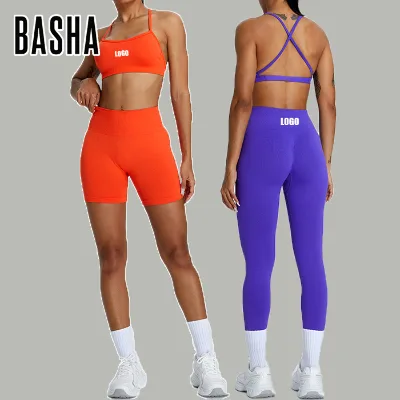
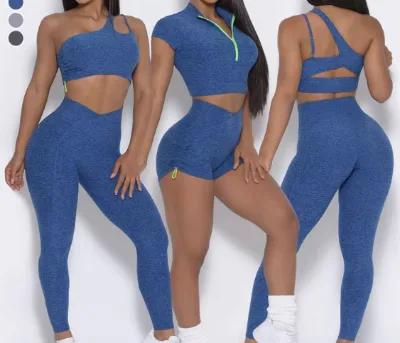
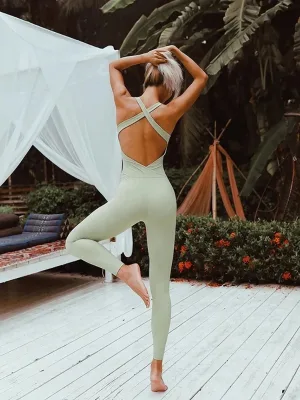


Comprehensive Sourcing Guide
Strategic Sourcing Guide for Quick-Drying Moisture-Wicking Fitness Clothing
The global demand for high-performance athletic apparel has intensified, driven by a consumer base that prioritizes functionality alongside aesthetic appeal. For B2B buyers researching the core keyword "quick-drying moisture-wicking fitness clothing," the procurement landscape requires a nuanced understanding of material science, supply chain logistics, and rigorous quality assurance. This guide provides a structured approach to navigating the market, ensuring that sourced products meet the specific technical demands of fitness, yoga, and gym environments while maintaining cost efficiency and supply chain reliability.
Understanding Material Composition and Performance Metrics
The foundation of any successful fitness clothing procurement strategy lies in the precise definition of material composition. In the context of quick-drying and moisture-wicking capabilities, the fabric blend is the primary determinant of performance. Analysis of current market offerings reveals that Polyester and Spandex combinations are dominant, with specific ratios such as 90% Polyester and 10% Spandex being a common configuration for stretch and recovery. Alternatively, some product lines utilize 100% Polyester to maximize moisture management, while others may incorporate Nylon and Acrylic blends, such as a 75% Nylon and 25% Acrylic mix, to achieve specific textural or durability goals.
Buyers must verify the "Fabric Type" specifications provided by suppliers, as the presence of Spandex is critical for the "Body Shape" and "High Waist" designs often requested in this category. The wicking capability is intrinsically linked to the hydrophobic nature of synthetic fibers like Polyester and Nylon, which pull sweat away from the skin to the fabric's surface for evaporation. When evaluating samples, procurement teams should look for explicit mentions of "Quick-Drying" and "Moisture-Wicking" as distinct features, alongside secondary attributes like "Breathable" and "Anti-UV" protection. It is essential to note that while "Rip-Stop" and "Anti-Static" properties are observed in certain high-end listings, they are not universal standards and must be confirmed on a per-SKU basis. The "Weaving Method," typically identified as "Woven" in many listings, also influences the final hand feel and drape of the garment, which is a critical factor for premium fitness wear.
Technical Specifications and Design Attributes
Beyond raw materials, the technical specifications of the garment define its suitability for specific activities such as Yoga, Sports, or general Gym workouts. A critical design element in this sector is the "High Waist" design, which is frequently highlighted as a standard feature to provide support and coverage during movement. The "Fit" of the garment, often categorized as "Short" or "Longs," must align with the target demographic's preferences. For instance, "Longs" may be preferred for cooler climates or specific yoga styles, while "Short" fits are standard for high-intensity interval training.
Closure types vary significantly between product lines, with "Pull on" styles offering a streamlined look for yoga, whereas "Drawstring" closures are essential for athletic shorts to ensure a secure fit during vigorous activity. The "Peculiarity" of the fabric, such as being "Anti-Pilling," is a key quality indicator that affects the longevity of the product. Buyers should also scrutinize the "Pattern" options, which range from "Pure Colour" to "Striped" and "Plaid," as these aesthetic choices directly impact the marketability of the final product. Additionally, the inclusion of functional elements like "Back pockets" or integrated "Bra" components within the design adds value and utility, distinguishing basic activewear from specialized fitness sets. The "Weight" of the fabric, observed in some listings at 230g, serves as a proxy for durability and opacity, ensuring the garment is not see-through during exercise.
Compliance, Certification, and Standard Verification
In the B2B apparel sector, compliance and adherence to standards are non-negotiable, yet the specific certification landscape can be complex. While the provided data indicates that "OEM&ODM" and "customizable" standards are available, buyers must independently verify the specific safety and quality certifications held by potential suppliers. There is no universal "Fitness & Yoga Wear" certification; rather, compliance is often tied to regional regulations regarding textile safety, such as restrictions on harmful dyes or formaldehyde content.
Buyers should request documentation regarding the "Standard Us Size" (S, M, L, XL, XXL) to ensure that sizing charts are accurate and consistent, as discrepancies here lead to high return rates. The "prod_standard" of 30253 observed in some contexts likely refers to packaging dimensions rather than a textile standard, and should not be confused with industry quality benchmarks. When dealing with suppliers from China, as indicated by the "prod_origin," it is prudent to verify if the factory adheres to international labor standards and environmental regulations. Although specific test results or third-party certifications are not listed in the general product attributes, a reputable supplier should be able to provide test reports for colorfastness, shrinkage, and tensile strength upon request. The "Customized Logo Printing" capability is a standard service, but the quality of the print (e.g., screen print vs. sublimation) must be validated to ensure it does not compromise the "Quick-Drying" or "Breathable" properties of the fabric.
Cost Drivers and Pricing Structures
The pricing of fitness clothing is influenced by a multitude of factors, including material costs, order volume, and customization complexity. The observed price range in the market spans from 4 to 49 USD, a significant variance that reflects differences in fabric quality, design intricacy, and brand positioning. Lower price points often correlate with basic "Pure Colour" designs and standard "Polyester" blends, while higher prices may account for advanced features like "Flame-Retardant" properties, complex "Striped" or "Plaid" patterns, and premium "OEM Designs."
The "MOQ" (Minimum Order Quantity) is another critical cost driver, with observed ranges from 1 to 500 units. Buyers with smaller budgets may find suppliers with low MOQs attractive, but they should be aware that unit costs will likely be higher due to the lack of economies of scale. Conversely, larger orders can negotiate better pricing but require significant upfront capital. The "Packing" method, whether "1 Set/OPP" or "1PCS/Bag," also impacts the final landed cost, as more complex packaging solutions increase labor and material expenses. Additionally, the "Customization" level plays a role; requesting specific "OEM Designs" or unique "Fabric" blends will incur additional tooling and development fees. Buyers must balance the desire for customization with the need to maintain a competitive retail price point.
Supplier Evaluation and Logistics Management
Selecting the right supplier requires a thorough evaluation of their logistical capabilities and communication efficiency. The shipping options available, including "EMS, DHL, FedEx, TNT, Sea Ship," indicate that suppliers are equipped to handle various delivery speeds and cost structures. For time-sensitive orders, air freight via DHL or FedEx may be necessary, while bulk shipments are more economically viable via sea freight. The "Payment" terms, such as "Trade Assurance, T/T, Western Union, Pay Online," offer varying levels of security for the buyer. Trade Assurance is generally preferred for its protection against non-delivery or quality disputes.
When evaluating a supplier, buyers should assess their capacity for "Customization" and their ability to handle "OEM Designs" without compromising lead times. The "prod_model" and "prod_packing" details provided in product listings serve as initial indicators of the supplier's organization, but direct communication is essential to confirm production timelines. The "Location" being China suggests a robust manufacturing ecosystem, but buyers must verify the specific factory's capacity to handle their volume. A reliable supplier should provide clear lead times and maintain transparency regarding any potential delays. Furthermore, the ability to offer "Customized Logo Printing" and manage "Pattern" variations efficiently is a strong indicator of a supplier's flexibility and technical competence.
Quality Control and Long-Term Procurement Strategy
Establishing a robust quality control (QC) protocol is essential for maintaining brand reputation in the fitness apparel market. Given the "Feature" set which includes "Quick-Drying," "Moisture-Wicking," and "Anti-UV," buyers must implement pre-shipment inspections that specifically test these claims. Visual inspections should check for consistency in "Color" (White, Pink, Blue, Black), "Pattern" alignment, and the integrity of "Back pockets" or "Drawstring" closures. Fabric testing should verify the "Fabric Type" composition to ensure it matches the agreed-upon blend, such as the 90/10 Polyester/Spandex ratio, as deviations can affect the garment's performance and durability.
For long-term procurement, building a strategic partnership with suppliers who offer "OEM&ODM" services is advantageous. This allows for continuous product iteration and adaptation to market trends, such as the shift towards "High Waist" designs or specific "Occisions" like Yoga and Sport. Buyers should also consider the "Care Instructions," such as "Machine Wash," to ensure the products are durable enough for repeated use without degrading the "Quick-Drying" properties. Establishing a clear communication channel for feedback on "Fit" and "Style" will help refine future orders. By focusing on suppliers who demonstrate a commitment to quality and flexibility, buyers can secure a steady supply of high-performance fitness clothing that meets the evolving needs of their customers while mitigating the risks associated with sourcing from a global market.
FAQs
What materials are used for quick-drying moisture-wicking fitness clothing?
The fabric is typically a blend of 90% Polyester and 10% Spandex or 100% Polyester. Some variations use 75% Nylon and 25% Acrylic to achieve specific durability goals while maintaining moisture-wicking performance.
Which customization options are available for logo and design?
Customized logo printing and OEM designs are available for these products. Buyers can request specific patterns like pure color, striped, or plaid, and the standard allows for full customization of the garment style.
How does the high waist design benefit fitness activities?
The high waist design provides essential support and coverage during yoga and sports. It is a standard feature that ensures the garment stays in place during vigorous movement and enhances the body shape appearance.
Can I order small quantities with low minimum order requirements?
Yes, the minimum order quantity ranges from 1 to 500 units depending on the supplier. This flexibility allows buyers to test the market with small batches or scale up production for larger inventory needs.
What shipping methods are supported for international delivery?
Suppliers offer multiple shipping options including EMS, DHL, FedEx, TNT, and sea ship. Buyers can select air freight for speed or sea freight for cost efficiency based on their specific delivery timeline requirements.
Are the garments suitable for machine washing and daily wear?
Yes, the care instructions specify that the clothing is machine washable. The fabric features like anti-pilling and quick-drying properties ensure durability and maintain performance after repeated washing cycles.