Source Quick-Drying Ice Silk Sports T-Shirt for Yoga, Running, Gym
Find 30 quick-drying ice silk sports t-shirt options from verified suppliers in China. Compare features like fabric weight, size ranges, and technical properties for yoga, running, and gym activities.
Key considerations
Products List
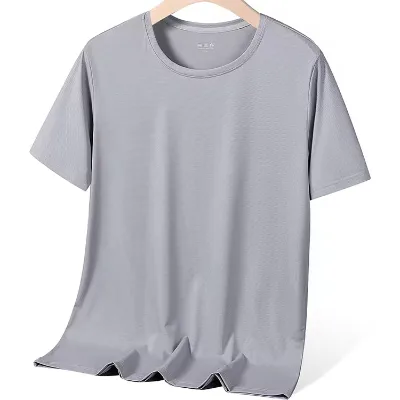
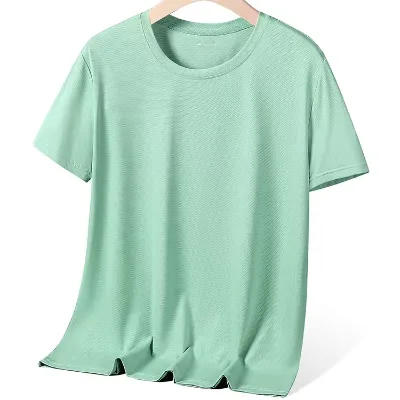
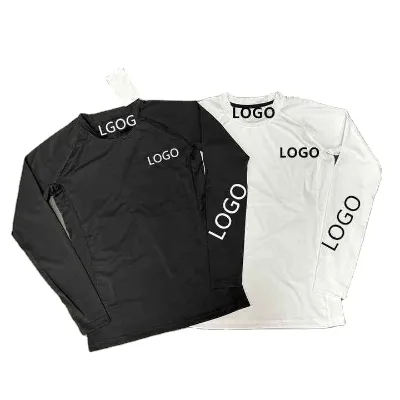
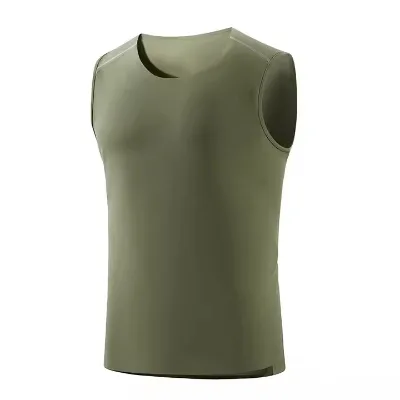




Comprehensive Sourcing Guide
Strategic Sourcing Guide for Quick-Drying Ice Silk Sports T-Shirts
Understanding Material Composition and Performance Claims
When sourcing quick-drying ice silk sports t-shirts, the primary focus must be on the specific fiber blend that defines the product's performance characteristics. The term "ice silk" is a marketing descriptor often associated with fabrics that feel cool to the touch and possess high breathability. Based on the available product data, the material composition varies significantly across different listings, which directly impacts the final performance. Some products are constructed from a blend of 88% nylon and 12% spandex, while others utilize polyester coolmax or standard polyester. A third variation lists "Ice Silk" as the material without specifying the exact fiber ratio, though it is often associated with synthetic blends designed for moisture management.
The presence of spandex in the nylon blend is a critical observation for buyers seeking stretch and fit retention. The data indicates a fabric weight of 180 grams for some variants and 230 grams for others. This variance suggests that "ice silk" does not have a single standardized weight; rather, it spans a range of densities suitable for different athletic intensities. The lighter 180-gram fabric is likely intended for high-intensity summer activities where maximum airflow is required, while the heavier 230-gram option may offer more durability and opacity. Buyers must verify the exact gram weight and fiber percentage in the supplier's technical data sheet, as a generic "ice silk" label does not guarantee a specific cooling performance or durability profile.
Technical Specifications and Sizing Standards
The technical specifications for these garments reveal a wide range of sizing options and construction details that must be aligned with the target market. The observed size ranges extend from M to 8XL, with specific US size mappings provided for some models, such as M(4) through 4XL(14). This extensive size range indicates that the supply chain is capable of serving diverse demographic needs, including plus-size markets. However, the data also lists specific size codes like L, XL, 2XL, and up to 8XL, which may differ from standard US or EU sizing conventions. It is imperative for buyers to request a detailed size chart from the supplier to ensure that the "Regular" fit type mentioned in the product attributes translates correctly to the intended customer base.
Beyond sizing, the construction details are equally vital. The products are described as having a "Regular" fit type and a "Regular" clothing length, with a standard O-Neck collar. The sleeve length is consistently noted as "Short Sleeve" or "Short," making these garments suitable for warm-weather sports. The fabric type is identified as "Knitted" or "Mesh Fabric," which supports the quick-drying and breathable claims. The weaving method is confirmed as knitted, which is essential for the elasticity required in sports apparel. Buyers should pay close attention to the "Single package size" data, which varies from 25x20x3 cm to 60x40x0.8 cm. This discrepancy suggests that packaging efficiency varies by supplier or that some listings include additional accessories or bulk packaging, which affects shipping costs and logistics planning.
Cost Drivers and Minimum Order Quantities
The economic landscape for sourcing these t-shirts is influenced by several key variables, including material costs, production techniques, and order volume. The observed price range in the market spans from $1.05 to $16.46 USD. This wide disparity is not necessarily indicative of quality differences alone but reflects variations in material composition, branding, and order quantities. The lower end of the price spectrum likely corresponds to basic polyester or standard ice silk blends with simple production methods, while the higher end may involve premium blends like nylon-spandex, advanced printing techniques, or established brand names such as Yisports.
Minimum Order Quantity (MOQ) is another significant cost driver. The data shows an MOQ range from 1 piece to 1000 pieces, with a specific high-confidence fact noting an MOQ of 3 pieces for certain listings. This flexibility allows buyers to test the market with very small batches before committing to larger volumes. However, the "Available Quantity" is listed as 1000 for some items, which may indicate a stock limit rather than a production capacity. Buyers must clarify whether the supplier can scale production beyond the listed available quantity if demand increases. Additionally, the "Small Orders: Accepted" attribute suggests that suppliers are willing to accommodate smaller volumes, which is beneficial for startups or brands testing new designs.
Production Techniques and Customization Options
The manufacturing process plays a crucial role in the final aesthetic and functional quality of the t-shirt. The data highlights several distinct production techniques, including "Tie Dyed," "Plain Dyed," "Digital Sublimation Printing," and "Silk Screen Printing." Each method offers different advantages regarding color vibrancy, design complexity, and cost. Digital sublimation printing is particularly relevant for sports apparel as it allows for full-color, all-over designs that do not crack or fade easily, which is ideal for the "Print" pattern type observed in some listings. In contrast, "Tie Dyed" and "Plain Dyed" techniques suggest a more uniform or artistic color application, suitable for the "Solid" pattern type seen in other products.
Customization options are also a key consideration for buyers looking to build a private label. The data indicates that the "Logo position" is typically on the front, and suppliers support "Small Orders" which often implies customization capabilities. The "Model Number" varies across listings, such as 8808, YS-T888-#8161, and YS-T888-#4285, suggesting that suppliers have a catalog of base templates that can be modified. Buyers should verify if the supplier can adjust the "Design" to be "Fashion" oriented or strictly functional, as the "Style" is listed as "Casual" in some contexts but intended for "Yoga Fitness Workout Gym Running." Understanding the specific printing method required for the desired design is essential to avoid quality issues like color bleeding or poor adhesion.
Supplier Evaluation and Geographic Considerations
Evaluating suppliers requires a careful review of their geographic location and operational capabilities. The data points to two primary regions of origin: Fujian, China, and Jiangxi, China. Both regions are known for their textile manufacturing infrastructure, but they may have different specializations or logistical advantages. Fujian is often associated with a high concentration of export-oriented factories, while Jiangxi is also a significant textile hub. Buyers should verify the specific factory location to assess shipping times and potential tariffs.
The "Brand Name" Yisports appears in the data, indicating that some suppliers operate under their own brand or offer OEM services. However, the guide does not recommend specific suppliers. Instead, buyers should focus on verifying the supplier's ability to meet the "7 days sample order lead time" mentioned in the data. This short lead time is a positive indicator of a responsive supply chain, but it must be confirmed for bulk orders as well. The "Place of Origin" and "Origin" fields should be cross-referenced with the supplier's business license to ensure authenticity. Additionally, the "Feature" list includes claims like "Quick Dry," "Anti-Pilling," "Breathable," "Eco-Friendly," and "Anti-shrink." Buyers must request third-party test reports to validate these claims, as they are listed as attributes rather than verified performance metrics in the provided data.
Quality Control and Long-Term Procurement Strategy
Establishing a robust quality control (QC) protocol is essential for maintaining product integrity over time. The observed features, such as "Anti-shrink" and "Anti-pilling," require specific testing to verify. For instance, the fabric weight of 180 grams versus 230 grams must be consistent across all units in a batch to ensure uniform performance. Buyers should implement a QC checklist that includes checking the "Single gross weight" (listed as 0.3 kg) to detect packaging inconsistencies or missing components. The "Selling Units" being "Single item" suggests that the products are packaged individually, which is standard for retail but requires careful inspection to ensure the packaging protects the garment during transit.
For long-term procurement, buyers should consider the scalability of the supplier's production capacity. While the "Available Quantity" is listed as 1000, this may not reflect the true production capability. Establishing a relationship with a supplier who can handle larger volumes without compromising quality is crucial. The "Season" is listed as "summer," which implies that these products are seasonal. Buyers should plan their inventory cycles to align with the summer season, ensuring that stock arrives well before the peak demand period. Furthermore, the "Usage" categories of "Training, running, sport" indicate a broad application, allowing for marketing flexibility. However, buyers must ensure that the product's performance claims match the specific demands of the intended use case, whether it is high-intensity running or casual yoga.
Compliance and Certification Verification
While the data mentions "ISO9001" and "BSCI" as low-confidence background information, these should not be assumed as present without verification. The guide advises buyers to explicitly request certification documents from the supplier rather than relying on general market knowledge. Compliance with international standards is vital for entering regulated markets. Buyers should inquire about the "Eco-Friendly" claim, which may require specific certifications regarding dye usage or chemical treatments. The "Feature" list includes "Eco-Friendly," but without a specific standard or test result provided in the data, this remains an unverified attribute.
In conclusion, sourcing quick-drying ice silk sports t-shirts requires a meticulous approach to verifying material composition, technical specifications, and supplier capabilities. The wide range of observed data points, from fiber blends to packaging sizes, underscores the importance of detailed due diligence. By focusing on the specific attributes provided and demanding evidence for performance claims, buyers can navigate the market effectively and secure high-quality products that meet their specific business needs. The flexibility in MOQ and the variety of production techniques offer significant opportunities for customization, but success depends on rigorous supplier evaluation and quality control measures.
FAQs
What material blends are used for quick-drying ice silk sports t-shirts?
Products use blends like 88% nylon and 12% spandex, polyester coolmax, or standard polyester. Some listings specify Ice Silk without exact ratios, so verify the fiber percentage in the technical data sheet to ensure stretch and moisture management performance.
Which size range is available for these athletic t-shirts?
Sizes typically range from M to 8XL, with specific US mappings like M(4) to 4XL(14) for some models. Since fit types are listed as Regular, request a detailed size chart from the supplier to ensure the measurements align with your target demographic.
How does the fabric weight affect the performance of these shirts?
Fabric weights vary between 180 grams and 230 grams, influencing airflow and durability. The lighter 180-gram option suits high-intensity summer activities, while the heavier 230-gram variant offers more opacity, so confirm the exact weight for your specific use case.
Can I order small quantities with customization options?
Yes, suppliers accept small orders with an MOQ as low as 3 pieces and support customization like front logo placement. While some items list an available quantity of 1000, clarify if the supplier can scale production beyond this limit for larger batches.
What production techniques are used for printing designs?
Techniques include digital sublimation printing, silk screen printing, tie dyeing, and plain dyeing. Digital sublimation is ideal for full-color designs, while tie dyeing suits solid patterns, so specify the required method to ensure color vibrancy and adhesion quality.
Which locations are the primary sources for these garments?
Products originate from Fujian and Jiangxi, China, both known for textile manufacturing. Verify the specific factory location to assess shipping times and tariffs, as different regions may have varying logistical advantages for your specific import needs.