Source R Type Spring Cotter Pin for Machinery Marine Outdoor
Explore 30 listings for the R Type Spring Cotter Pin with stainless steel and high strength steel options. Buyers can compare sizes from M3 to M12, certifications like ISO and CE, and coating types including black zinc and powder for kitchen, marine, and outdoor applications.
Key considerations
Products List


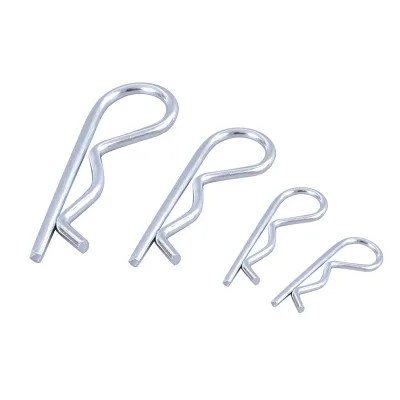


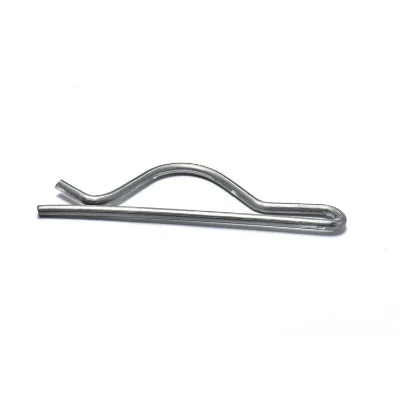


Comprehensive Sourcing Guide
Strategic Sourcing Guide for R-Type Spring Cotter Pins
Understanding Technical Specifications and Material Standards
When sourcing R-type spring cotter pins, buyers must first establish a precise understanding of the technical parameters that define product performance. The core of this component lies in its ability to secure fasteners in machinery, marine environments, and outdoor applications. Based on available industry data, the material composition is a primary determinant of durability. The most frequently observed material for these components is stainless steel, with specific grades such as A2 and A4 commonly cited for their corrosion resistance. Additionally, high-strength steel variants are available, offering different mechanical properties for heavy-duty applications. The grade of the steel, ranging from 4.8 to 12.9, dictates the tensile strength and load-bearing capacity, which must align with the specific stress requirements of the end-use application.
Dimensional accuracy is equally critical. The diameter of these pins typically ranges from 2.5mm to 20mm, covering a broad spectrum from miniature electronic assemblies to heavy industrial machinery. In some specific product listings, the diameter range is noted as 2.5mm to 12mm, suggesting that buyers must verify the exact size requirements for their specific project. The length of the pins generally spans from 6mm to 100mm, allowing for versatile usage across various thicknesses of connected parts. The standard shape is cylindrical, though some variations may present irregular shapes depending on the specific manufacturing process or customization request. Tolerance levels are a vital metric for precision engineering; a tolerance of 0.02mm is observed in high-quality listings, indicating the tight manufacturing control necessary for a secure fit.
The coating process significantly influences the longevity of the pin, particularly in corrosive environments. Common coating options include black zinc, black oxide, and powder coating. These finishes are not merely aesthetic but serve as protective barriers against rust and oxidation. The "Rust Anti" feature is a standard attribute for these products, ensuring reliability in harsh conditions. Buyers should verify that the coating process is compatible with the specific environment where the pin will be deployed, whether it be a chemical plant, a marine vessel, or an outdoor window assembly. The standard models often reference DIN specifications, such as DIN11024, which provides a baseline for dimensional and mechanical requirements. However, custom standards are also available, requiring careful review of the supplier's capability to meet non-standard specifications.
Compliance Verification and Certification Protocols
In the B2B procurement landscape, verifying compliance is as important as the physical attributes of the product. The R-type spring cotter pin market is characterized by a robust certification framework that ensures safety and quality. The most prevalent certifications observed in the supply chain include ISO, GS, RoHS, and CE. These certifications are not merely labels but represent adherence to international standards for quality management, safety, and environmental protection. Specifically, the ISO 9001 standard is frequently associated with the manufacturing processes, indicating a systematic approach to quality control. Additionally, SGS certification is often cited, providing third-party verification of product quality and compliance.
Buyers must exercise caution when interpreting certification claims. While a supplier may list ISO, RoHS, and CE, it is essential to confirm that these certifications apply to the specific batch or model being purchased. The presence of a certificate does not automatically guarantee that every unit in a shipment meets the same standard, especially when dealing with customized orders. The "Customized" attribute is common in this sector, meaning that the production process may vary from standard models. Therefore, the certification status of a customized order should be explicitly confirmed with the supplier before finalizing the contract.
The testing protocols associated with these certifications are equally important. Salt spray testing is a standard method used to evaluate the corrosion resistance of the coating and the material. This test simulates harsh environmental conditions to predict the lifespan of the pin. Buyers should request test reports or certificates of analysis that detail the results of salt spray tests, particularly for applications in marine or chemical industries. The "Testing" attribute in product listings often refers to this rigorous evaluation process. Furthermore, the export markets for these pins are global, implying that suppliers must adhere to various international regulations depending on the destination country. Understanding the specific regulatory requirements of the target market is a crucial step in the compliance verification process.
Cost Drivers and Pricing Dynamics
The pricing of R-type spring cotter pins is influenced by a complex interplay of factors, including material costs, manufacturing complexity, and order volume. The observed price range for these products can vary significantly, with some listings indicating prices as low as $0 to $6.67 per unit. However, this range is likely indicative of bulk pricing tiers rather than a standard unit cost for small orders. The Minimum Order Quantity (MOQ) is a primary driver of unit pricing, with observed ranges spanning from 100 to 20,000 units. Suppliers typically offer lower per-unit costs for larger orders, reflecting the economies of scale in mass production.
Material selection is another significant cost factor. Stainless steel grades A2 and A4 are generally more expensive than standard carbon steel due to their superior corrosion resistance and mechanical properties. The grade of the steel, ranging from 4.8 to 12.9, also impacts the price, with higher grades commanding a premium. Customization adds another layer of cost complexity. While the "Customization" attribute is available, it implies additional engineering and tooling expenses. Buyers seeking custom sizes, shapes, or coatings should anticipate higher costs compared to standard off-the-shelf products.
Packaging and logistics also contribute to the overall cost. The standard packing method involves 25 to 30 kilograms per box, often accompanied by polywood pallets to ensure safe transport. The dimensions of the cartons, such as 25x16x25cm, are optimized for shipping efficiency, but specialized packaging requirements can increase costs. The delivery time, typically ranging from 7 to 15 working days, and the sampling time of 3 to 5 working days, are logistical factors that can influence the total cost of ownership. Buyers should consider these lead times when planning their inventory and production schedules, as expedited shipping or rush orders may incur additional fees.
Typical Applications and Industry Usage
R-type spring cotter pins are versatile components used across a wide array of industries, from marine engineering to chemical processing. Their primary function is to secure fasteners and prevent them from loosening due to vibration or movement. The "Usage" attribute highlights their application in kitchen screws, marine screws, outdoor installations, and window screws. This versatility underscores the importance of selecting the right material and coating for the specific environment. In marine applications, the corrosion resistance of stainless steel is paramount, making A2 or A4 grades the preferred choice. Similarly, in outdoor settings, the "Rust Anti" feature and protective coatings are essential for maintaining structural integrity over time.
The "Used" attribute lists machinery, chemical industry, and environmental sectors as key application areas. In machinery, these pins are critical for securing shafts, axles, and other rotating components. The high strength of grades 8.8 and 10.9 makes them suitable for heavy-duty machinery where failure could result in significant downtime or safety hazards. In the chemical industry, the resistance to corrosive substances is vital, and the specific coating chosen must be compatible with the chemicals present in the environment. The environmental sector also utilizes these pins for various infrastructure projects, where durability and reliability are non-negotiable.
The design and style of the pins can also vary based on the application. While the standard style is "Folk" or functional, some listings mention a "Fairy" design, suggesting that aesthetic considerations may play a role in certain consumer-facing applications. The screw head types, including hexagon, round, and pan heads, as well as the screw grooves like word, triangle, and cross, offer further customization options to suit specific tooling and assembly requirements. Understanding the specific demands of the application is crucial for selecting the right pin, ensuring that it performs reliably under the expected conditions.
Supplier Evaluation and Quality Assurance
Evaluating suppliers for R-type spring cotter pins requires a comprehensive approach that goes beyond price and lead time. The "Brand Name" and "Product Origin" are key indicators of supplier reliability. Suppliers based in regions like Jiangsu, China, are known for their manufacturing capabilities, but buyers should verify the specific factory's reputation and track record. The "Export Markets" attribute indicates that the supplier serves a global clientele, which can be a positive sign of quality and compliance. However, buyers should conduct due diligence to ensure that the supplier has a history of meeting international standards and delivering on time.
Quality assurance is a critical component of supplier evaluation. The "Testing" attribute, specifically salt spray testing, should be a mandatory part of the supplier's quality control process. Buyers should request detailed test reports and certificates to verify that the products meet the required specifications. The "Tolerance" of 0.02mm is a benchmark for precision, and suppliers should demonstrate their ability to consistently meet this standard. Additionally, the "Sampling Time" of 3 to 5 working days allows buyers to evaluate product quality before committing to a large order. This sampling process is an essential step in mitigating the risk of receiving substandard products.
The "Customization" capability of the supplier is another important factor. While many suppliers offer standard products, the ability to customize sizes, materials, and coatings is a valuable asset for buyers with unique requirements. Buyers should assess the supplier's engineering capabilities and their willingness to collaborate on custom designs. The "Standard" attribute, which includes both custom and standard options, suggests that the supplier is flexible and adaptable. However, buyers should ensure that the customization process is well-documented and that the final product meets all specified requirements.
Long-Term Procurement Considerations and Supply Chain Resilience
Sourcing R-type spring cotter pins is not just a one-time transaction but a long-term relationship that requires careful planning and management. The "Delivery Time" of 7 to 15 working days is a standard lead time, but buyers should consider the potential for delays due to supply chain disruptions, raw material shortages, or geopolitical factors. Building a resilient supply chain involves diversifying suppliers and maintaining a buffer stock to mitigate the risk of stockouts. The "MOQ" range of 100 to 20,000 units offers flexibility, but buyers should balance the need for inventory with the cost of holding stock.
The "Packing" and "Shipping" logistics are also critical for long-term procurement. The standard packing of 25-30kg per box with polywood pallets is designed for efficient transport, but buyers should verify that the packaging meets the specific requirements of their destination. Damage during transit can lead to product loss and increased costs, so ensuring that the packaging is robust and secure is essential. The "Sample" availability is a valuable tool for maintaining quality control over time, allowing buyers to periodically test new batches of products.
Finally, the "Certification" and "Compliance" aspects of the supplier should be reviewed regularly. As regulations and standards evolve, suppliers must adapt to remain compliant. Buyers should maintain open communication with their suppliers to stay informed about any changes in certifications or standards that may affect the product. The "Global" export market status of the supplier suggests a level of adaptability, but buyers should remain vigilant and proactive in managing their supply chain to ensure long-term success. By focusing on these long-term considerations, buyers can build a reliable and efficient procurement strategy for R-type spring cotter pins.
FAQs
What certifications do r type spring cotter pins typically have?
These pins typically hold ISO, GS, RoHS, and CE certifications. Some listings also include SGS and ISO9001 certificates to verify quality management and safety standards for international buyers.
Which materials are used for manufacturing these spring pins?
Manufacturers use stainless steel and high-strength steel for these components. Specific grades like A2, A4, 4.8, 8.8, 10.9, and 12.9 are available to meet different strength and corrosion resistance requirements.
How long is the delivery time for standard orders?
The standard delivery time ranges from 7 to 15 working days. Buyers should also note that sampling time is typically 3 to 5 working days before full production begins.
Can I request custom sizes for these cotter pins?
Yes, customization is available for various specifications. Buyers can request specific diameters ranging from 2.5mm to 20mm and lengths from 6mm to 100mm based on their project needs.
What is the minimum order quantity for these pins?
The minimum order quantity is typically 1000 pieces. However, observed ranges in the market can vary from 100 to 20,000 units depending on the specific supplier and order type.
Which coatings protect these pins from rust?
Common protective coatings include black zinc, black oxide, and powder. These finishes provide a rust-anti feature essential for usage in marine, outdoor, and chemical industry environments.