Source QWERTY Keyboard Speaker for Home, Commercial, and Karaoke
Find 30 QWERTY Keyboard Speaker options for home theaters, portable audio, and karaoke. Compare models like Ga-10 and QM1 with features such as Bluetooth, LED lights, and 10W-20W power. Source from China with OEM support; compare the available evidence and request quotations based on your requirements.
Key considerations
Products List

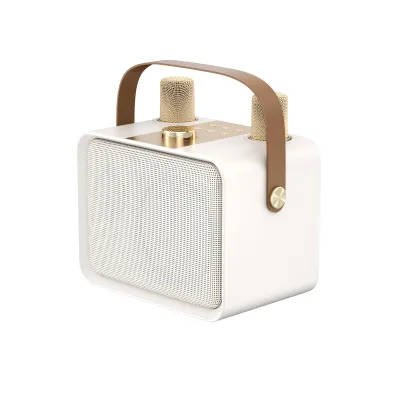
Portable Multifunctional Bass Keyboard Electric Guitar Speaker for Band Performance
$19.00 - $20.00
MOQ: 200 Pieces










Comprehensive Sourcing Guide
QWERTY Keyboard Speaker Sourcing Guide
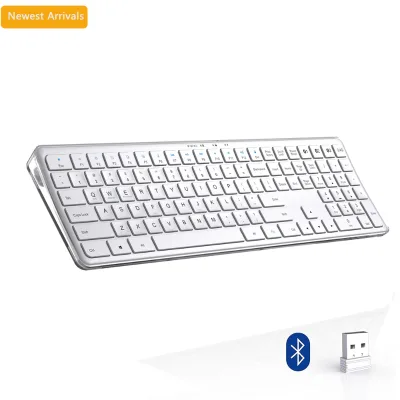
Buyers evaluating this category must first distinguish between standard audio peripherals and specialized units that integrate typing interfaces with sound output. The observed market data indicates a diverse range of products, from compact portable speakers to larger home theater systems, with power ratings varying significantly from 10W to 20W. Procurement teams should verify whether the specific unit requires a dedicated battery or operates via external power, as the supply chain shows options ranging from 2000mA lithium batteries to mains-powered active amplification.
The commercial landscape for these devices includes both OEM and ODM capabilities, allowing for significant customization of branding and packaging. Suppliers in the region offer neutral or customized brown box packaging, with some models featuring private molds to ensure unique product differentiation. Buyers must carefully review the listed usage scenarios, which span from home theater and karaoke to portable audio and stage applications, to ensure the selected model aligns with the intended end-user environment and functional requirements.
Product Scope and Observed Listing Signals
The current market listings reveal a wide spectrum of product configurations, including models with specific gear ratios and distinct physical dimensions that affect portability. Some units are designed with a single loudspeaker enclosure, while others feature complex crossover systems with mid-bass and treble drivers of varying sizes. Procurement specialists should note that frequency ranges in the observed data vary from 20Hz to 20kHz, indicating that not all listed products are suitable for high-fidelity audio reproduction or specific low-frequency applications.
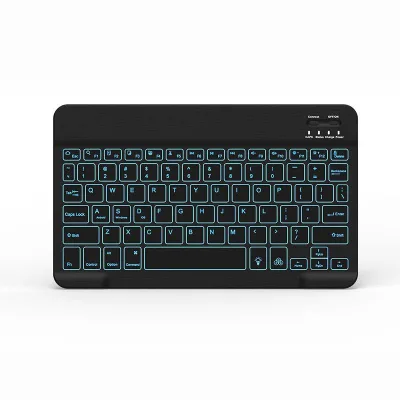
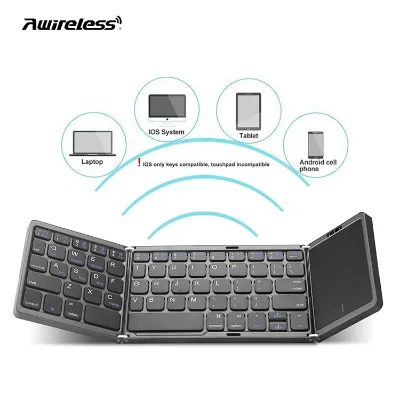
Visual and functional features also vary considerably across the available inventory, with some units offering RGB LED lighting and others focusing on basic audio output without remote controls. The presence of wireless Bluetooth functionality is a common attribute, yet the specific audio formats supported, such as USB MPType, require individual verification for each model. Buyers should scrutinize the listed selling units and gross weights, as these factors directly influence shipping costs and the logistical feasibility of distributing these items to global markets.
Technical Specifications to Verify
When assessing technical performance, the power output and amplification type are critical determinants of suitability for specific use cases. The observed data includes active amplification types with power outputs ranging from 15W to 20W, alongside specific horn power ratings that may differ from the total system output. It is essential to confirm the exact frequency response and signal-to-noise ratio, as some listings indicate a range of 50Hz to 20kHz while others suggest a narrower 20Hz to 2kHz band, which significantly impacts audio clarity and bass response.
Physical construction and material composition also require rigorous verification to ensure durability and acoustic performance. The cabinet materials observed include both plastic and metal options, each offering different acoustic properties and resistance to environmental wear. Buyers must check the single package size and gross weight against their logistics constraints, as dimensions can range from compact 23x23x13 cm units to larger 87x98 mm or 120x60x96 mm configurations, affecting storage and handling requirements.
Compliance and Safety Documentation
Safety and regulatory compliance are paramount when sourcing electronic audio equipment, particularly for devices intended for commercial or public use. While specific certification statuses are not universally listed in the provided data, buyers must request evidence of compliance with regional electrical safety standards and electromagnetic compatibility regulations. The presence of lithium batteries in several models necessitates specific transport documentation and adherence to hazardous materials regulations, which vary by destination country and shipping method.
Quality assurance protocols should be explicitly defined in the procurement contract, with a standard one-year warranty period observed in the current market listings. Buyers should verify that the supplier maintains a documented quality management system that covers the entire production lifecycle, from raw material sourcing to final assembly. It is crucial to confirm that the product origin, whether from general China locations or specific regions like Zhejiang, aligns with the buyer's trade compliance requirements and any applicable import restrictions.
Cost Drivers and Commercial Terms
Pricing in this category is influenced by a complex mix of factors, including the complexity of the electronic components, the choice of cabinet material, and the level of customization requested. The observed price range spans from $1 to $1500, reflecting the disparity between basic portable units and more sophisticated home theater or stage systems. Buyers must understand that higher power outputs, advanced features like RGB lighting, and private mold development will significantly increase the unit cost and the overall budget required for the project.
Minimum Order Quantities (MOQ) and lead times are also variable, with observed ranges extending from single items to 10,000 units. Suppliers offering OEM/ODM services may have different MOQ thresholds compared to those selling standard neutral packages. Procurement teams should negotiate clear terms regarding payment schedules, shipping responsibilities, and the handling of custom packaging requirements, as these elements can substantially impact the total landed cost and the financial risk associated with the order.
Supplier Qualification and Quality Control
Evaluating supplier qualifications requires a deep dive into their manufacturing capabilities, particularly regarding their ability to handle private molds and custom branding requests. The market data indicates that many suppliers accept OEM and ODM orders, but the extent of their customization capabilities varies. Buyers should verify the supplier's experience with specific product models, such as those with model numbers like RH450 or QM1, to ensure they have a proven track record of delivering consistent quality and meeting technical specifications.
Quality control processes must be robust enough to handle the diverse range of products in this category, from simple battery-operated speakers to complex active amplification systems. Buyers should request detailed inspection reports that cover critical attributes like battery capacity, SNR levels, and the integrity of the loudspeaker enclosure. Establishing a clear protocol for pre-shipment inspections and defining acceptable defect rates is essential to mitigate the risk of receiving non-compliant goods that could damage the buyer's brand reputation.
Long-Term Procurement Checks
Sustaining a successful supply chain relationship involves regular audits of the supplier's ability to maintain consistent product quality over time. Buyers should implement a schedule for periodic re-verification of key technical specifications, such as frequency range and power output, to ensure that production batches continue to meet the original design requirements. This proactive approach helps identify any drift in manufacturing standards before it results in significant quality issues or customer dissatisfaction.
Long-term procurement also requires monitoring the supplier's adaptability to market changes and technological advancements. As the audio industry evolves, suppliers must be capable of updating their product lines to include new features or improved components while maintaining cost efficiency. Establishing a framework for continuous communication and feedback loops ensures that both parties remain aligned on strategic goals, allowing for agile responses to shifting consumer demands and regulatory landscapes.
FAQs
What is the power output of the Ulian Bluetooth speaker?
The Ulian Bluetooth speaker delivers a PMPO of 20W with an output rating of 1*15W plus 5W. It features a 15W horn power and operates within a frequency range of 50Hz to 20kHz. This configuration supports clear audio for home theater, portable players, and karaoke applications.
Can I customize the packaging for these speakers?
Yes, customization is available for these speakers. The standard packing is a brown box, but neutral or customized packages are accepted. The OEM and ODM services are also available, allowing buyers to tailor the product presentation to their specific brand requirements or market preferences.
What battery specifications does the speaker use?
The speaker uses a lithium battery with a capacity of 2000mA at 3.7V. It is powered by this battery source, making it portable for outdoor, party, or stage use. The design ensures reliable performance for mobile phones, computers, and other audio devices without needing constant external power.
Which models are available for this speaker line?
Available models include Ga-10, as157, RH450, RH490, GR-97, and QM1. These models vary in specifications such as size, material, and standard dimensions. Buyers can select the appropriate model based on their specific usage needs, whether for commercial, home, or portable audio applications.
What features does the LED lighting offer?
The speaker features colorful LED lighting with RGB capabilities. It includes an LED flashing light function that enhances the visual experience during use. This feature is particularly suitable for parties, stages, and outdoor events, adding an attractive aesthetic element to the audio performance of the device.
Is remote control included with the speaker?
No, remote control is not included with this speaker. The device is designed for direct operation via its built-in controls or connected devices. It supports wireless Bluetooth connectivity and multiple audio formats, allowing users to manage playback directly from their mobile phones, computers, or other compatible sources.