Source R134a Air Conditioning Valve Core for Auto AC Repair, Retrofit, and Upgrade
Compare 30 listings for the R134a Air Conditioning Valve Core from suppliers in China. Buyers can evaluate brass and stainless steel options with 1-year warranties for automotive HVAC systems.
Key considerations
Products List
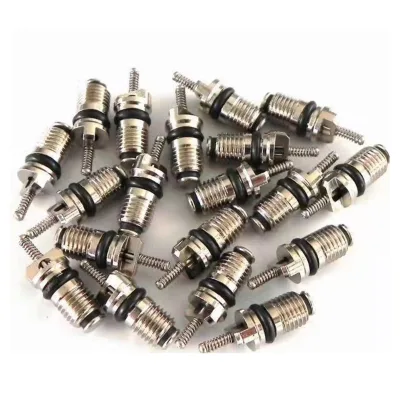
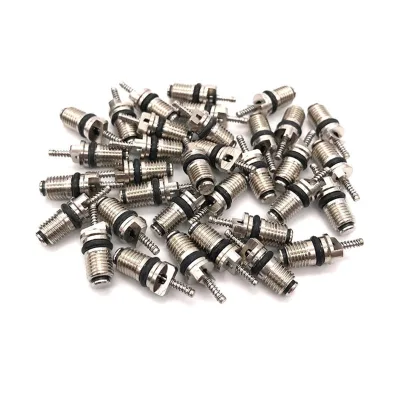
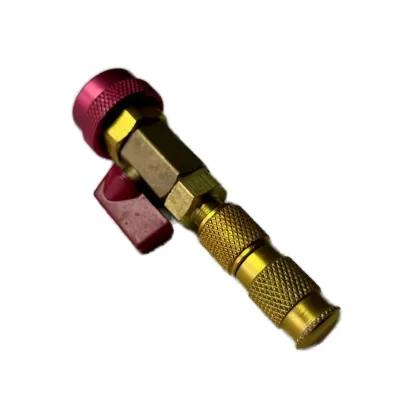


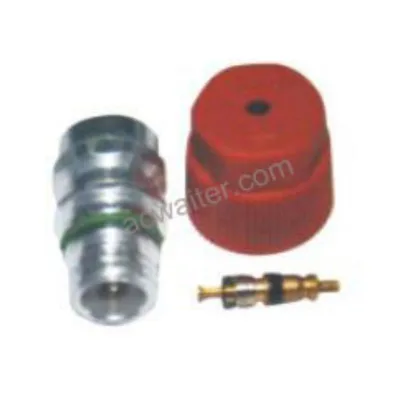

Air Conditioning 4-Way Reversing Valve Reversing Valve for Air Conditioning
$3.79 - $14.99
MOQ: 500 Pieces


Comprehensive Sourcing Guide
Strategic Sourcing Guide for R134a Air Conditioning Valve Cores
Understanding Technical Specifications and Material Composition
The R134a Air Conditioning Valve Core is a critical micro-component within automotive HVAC systems, designed to regulate refrigerant flow and maintain system pressure. When sourcing these parts, buyers must first distinguish between the specific refrigerant compatibility and the physical construction of the unit. The core keyword "R134a" indicates a specific thermodynamic profile, requiring valve cores engineered to withstand the operating pressures and temperatures associated with this refrigerant. In the current market, specifications often list the product as an "R134a Valve Core" with distinct variations in color, typically observed as black or green. These color codes often serve as visual indicators for specific pressure ratings or manufacturing batches, though the exact technical differentiation requires verification against the supplier's data sheet.
Material composition is a primary determinant of longevity and performance. The supplied product data highlights two distinct material profiles: brass and stainless steel. Brass valve cores are commonly cited for their machinability and thermal conductivity, making them suitable for standard retrofit and repair applications. Conversely, stainless steel variants offer enhanced corrosion resistance, which is vital for systems exposed to harsh environmental conditions or high-moisture environments. The choice between these materials should align with the specific vehicle model and the operating environment of the end-user. Additionally, the product specifications indicate that sizes are often customized or universal, with some listings noting "all car" compatibility. However, the term "Universal" in this context usually refers to a standard thread size (often 1/4" SAE) rather than a guarantee of fitment for every vehicle without modification. Buyers must verify the thread pitch and diameter against the specific vehicle's service port to ensure a proper seal.
Compliance, Certification, and Regulatory Standards
Navigating the regulatory landscape for automotive HVAC components requires a rigorous approach to supplier verification. The automotive industry operates under strict quality management frameworks, and sourcing valve cores without proper certification can lead to system failures or liability issues. The available market data references specific certifications, including ISO standards and TS16949 (now IATF 16949). These certifications are not merely marketing terms; they indicate that the manufacturing facility adheres to rigorous quality control processes, traceability, and continuous improvement protocols essential for automotive parts.
When evaluating a potential supplier, buyers should explicitly request proof of these certifications. A supplier claiming TS16949 compliance should be able to provide a valid certificate issued by an accredited body. Furthermore, the "OE NO." (Original Equipment Number) is listed as "Universal" in many listings. This designation implies that the part is designed to replace OEM components without a specific manufacturer part number. While this offers flexibility, it shifts the burden of verification to the buyer. It is imperative to cross-reference the physical dimensions and thread specifications of the sourced valve core with the vehicle manufacturer's service manual. Relying solely on the "Universal" label without dimensional verification can result in leaks or improper seating, compromising the entire HVAC system.
Cost Drivers and Pricing Dynamics
The pricing structure for R134a valve cores is influenced by several variables, including material costs, order volume, and packaging specifications. Market observations indicate a wide price range, with unit costs potentially varying from nominal figures up to $22 per unit, depending on the specific configuration and supplier tier. This variance is largely driven by the Minimum Order Quantity (MOQ). The data suggests a common MOQ of 100 pieces, with some suppliers offering flexibility down to 1 piece or up to 100,000 pieces. For small-scale repair shops, the high MOQ can be a barrier, necessitating a search for suppliers with lower entry thresholds or consolidated purchasing options.
Material choice is a significant cost driver. Stainless steel valve cores generally command a higher price point than brass equivalents due to the raw material cost and the more complex machining processes required. Additionally, packaging plays a role in the final landed cost. Listings indicate packaging options ranging from single items to bulk bags or sheets containing 100 pieces. The "Single package size" is often listed as 1x1x1 cm, while bulk packaging increases to 5x5x5 cm per batch. Buyers must factor in the cost of bulk shipping versus individual unit shipping, as the weight per batch (0.500 kg) and individual gross weight (0.005 kg) affect freight calculations. For large procurement contracts, negotiating based on volume tiers and consolidated shipping can significantly reduce the per-unit cost.
Typical Applications and Usage Scenarios
The primary application for R134a air conditioning valve cores is automotive air conditioning repair and retrofit. These components are essential for replacing worn-out or damaged cores that cause refrigerant leaks, a common issue in aging vehicle fleets. The "Purpose" is frequently described as "for replace/repair" or "for retrofit/upgrade," indicating their role in restoring system integrity or adapting older vehicles to modern standards. The versatility of these parts allows them to be used across a wide range of vehicle models, as suggested by the "all car" specification. However, this broad applicability requires careful selection based on the specific HVAC system design of the vehicle.
Beyond standard automotive repair, these valve cores are utilized in specialized retrofit scenarios. For instance, converting a vehicle from an older refrigerant type to R134a, or upgrading a system to improve efficiency, often necessitates the installation of new valve cores compatible with the new refrigerant. The "Deck" and "Muffler Type" specifications found in some listings suggest that these components may also be integrated into broader HVAC assembly kits, though the primary function remains the regulation of refrigerant flow at the service port. Buyers should ensure that the valve cores selected are compatible with the specific pressure ratings of the system they are servicing, particularly in high-pressure applications where the "R134A exchange valve core high pressure" specification is relevant.
Supplier Evaluation and Operational Reliability
Selecting a reliable supplier is paramount to ensuring the consistency and quality of the valve cores. The sourcing landscape includes suppliers from various regions, with Zhejiang and Henan in China identified as key production hubs. While these regions are known for manufacturing capabilities, buyers must verify the specific origin of the goods, as "Place of Origin" can vary even within the same product category. A supplier listing "Ningbo, Zhejiang" as the origin may have different logistical advantages compared to one in "Henan, China."
Lead time is another critical factor in supplier evaluation. The data indicates delivery times ranging from 7 days to 7-15 days. For procurement planning, this variability must be accounted for. Suppliers with a consistent 7-day delivery window offer more predictable supply chains, which is crucial for repair shops managing inventory. Additionally, the "Customization" attribute being "Available" suggests that some suppliers can tailor packaging or specifications to meet specific buyer needs. Buyers should inquire about the flexibility of these customization options and whether they incur additional costs or extend lead times. The "Brand Name" is also a consideration; while some listings feature specific brands like "zhl" or "Lengku," others may be unbranded or generic. In the B2B context, established brand names can sometimes indicate a higher level of quality control, but unbranded parts from certified facilities can also be a cost-effective solution.
Quality Control and Long-Term Procurement Considerations
Ensuring the quality of R134a valve cores requires a robust quality control (QC) process. The "Warranty" period, often cited as 1 year, serves as a baseline for supplier confidence, but it should not be the sole metric for quality assessment. Buyers should implement incoming inspection protocols that verify the physical dimensions, material integrity, and thread compatibility of the valve cores. The "Single gross weight" and "Gross weight per batch" data can be used as a quick check for consistency; significant deviations from the expected weight may indicate material defects or counterfeit products.
For long-term procurement, establishing a relationship with suppliers who offer consistent quality and reliable lead times is essential. The "Selling Units" being listed as "Single item" or "Multiple of 100" suggests that buyers should plan their inventory based on these batch sizes to optimize storage and handling. Furthermore, the "Specification" of "all sizes available" implies a need for a diversified inventory strategy. Buyers should not rely on a single SKU for all applications but rather maintain a stock of various core types to accommodate different vehicle models and repair scenarios. Regular audits of supplier performance, including on-time delivery rates and defect rates, will help maintain a high standard of procurement. By focusing on these long-term considerations, buyers can mitigate the risks associated with supply chain disruptions and ensure the continued reliability of their automotive HVAC repair operations.
Comparative Analysis of Product Attributes
To facilitate decision-making, the following table summarizes key attributes observed in the market for R134a air conditioning valve cores. This comparison highlights the variability in specifications and helps buyers identify the specific requirements for their procurement needs.
| Attribute | Observation A | Observation B | Observation C |
|---|---|---|---|
| Material | Brass | Stainless Steel | Brass/Stainless |
| Color | Black | Green | Black or Green |
| MOQ | 100 Pcs | 100pcs | 1-100000 |
| Origin | Zhejiang, China | Henan, China | Ningbo, Zhejiang |
| Certification | TS16949, ISO | High-Quality | None Listed |
| Lead Time | 7 days | 7-15 days | 7 days |
| Warranty | 1 years | 1 year | 1 years |
| Package | 100pcs/bag | PP Bag/Blister | 100pcs/sheet |
| Application | Auto AC Repair | Auto AC Repair | Retrofit/Upgrade |
This table underscores the importance of verifying specific details before placing an order. While the core function remains the same, the variations in material, origin, and packaging can significantly impact the suitability of the product for a specific application. Buyers must align their procurement strategy with these observed attributes to ensure they receive the correct components for their automotive HVAC repair needs.
FAQs
What material options are available for R134a Air Conditioning Valve Core?
The available materials include brass and stainless steel. Brass is common for standard repairs, while stainless steel offers enhanced corrosion resistance for harsh environments.
Which certifications should I verify for R134a Air Conditioning Valve Core suppliers?
Look for TS16949 and ISO certifications. These indicate adherence to rigorous quality control processes essential for automotive parts and ensure traceability.
How long is the typical delivery time for R134a Air Conditioning Valve Core orders?
Delivery times typically range from 7 days to 15 days. Some suppliers offer a consistent 7-day window, while others may take up to two weeks.
Can I find R134a Air Conditioning Valve Core with a 100-piece minimum order quantity?
Yes, a common minimum order quantity is 100 pieces. Some suppliers may offer flexibility ranging from 1 to 100,000 pieces depending on the vendor.
What warranty period is standard for R134a Air Conditioning Valve Core products?
A standard warranty period is 1 year. This serves as a baseline for supplier confidence, though buyers should also implement incoming inspection protocols.
Which colors are commonly observed for R134a Air Conditioning Valve Core units?
The units are commonly available in black or green. These color codes often serve as visual indicators for specific pressure ratings or manufacturing batches.
Where are the primary manufacturing origins for R134a Air Conditioning Valve Core?
Primary origins include Zhejiang, China, and Henan, China. Specific locations like Ningbo, Zhejiang are also noted for production hubs in this category.