Source Racing Motorcycle Camshaft for Engines, Parts, and Assembly
Compare 30 Racing Motorcycle Camshaft options from verified suppliers in China. Buyers can evaluate specifications like stroke type, material, and tolerance for engines, parts, and assembly applications.
Key considerations
Products List

CNC Machining Motorcycle Engine Part Cam Shaft Motorcycle Racing Camshaft
$0.10 - $2.00
MOQ: 100 Pieces

$3.50 - $10.00
MOQ: 100 Pieces


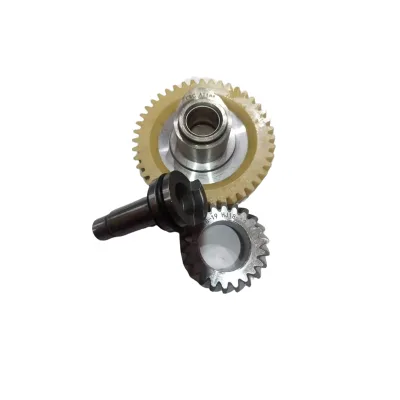
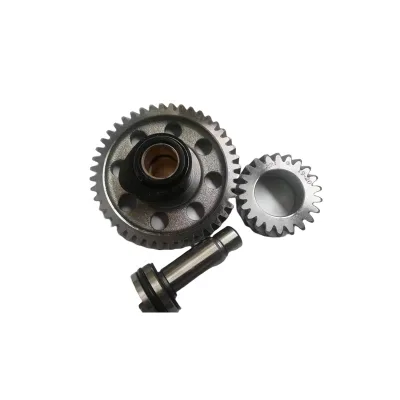
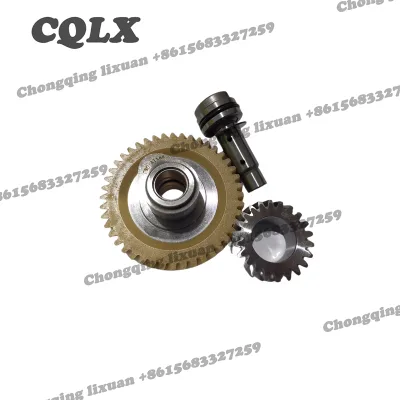
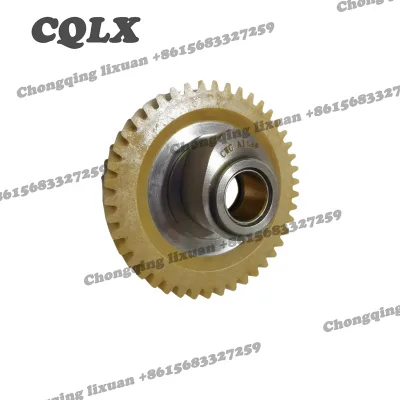


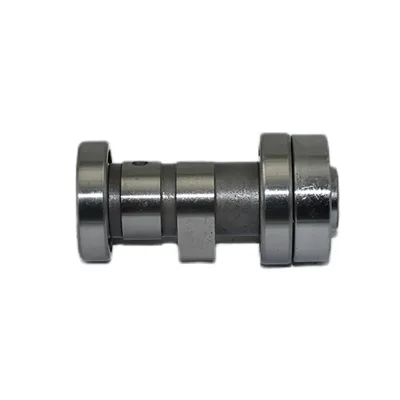


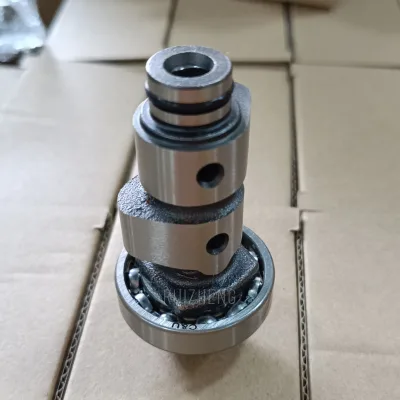
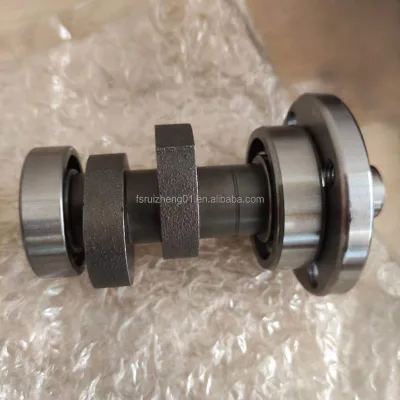
Motorcycle Parts Racing Engine Camshaft for Gy6 150 150cc Scooter Parts
$16.49 - $16.69
MOQ: 300 Pieces


Comprehensive Sourcing Guide
Strategic Sourcing Guide for Racing Motorcycle Camshafts
Procuring high-performance camshafts for racing motorcycle applications requires a rigorous approach that balances technical precision with supply chain reliability. The racing sector demands components that can withstand extreme thermal and mechanical stress while maintaining exact timing profiles. This guide synthesizes available market data and industry standards to assist procurement professionals in navigating the complex landscape of camshaft sourcing. The focus remains on evidence-based evaluation criteria, ensuring that buyers can make informed decisions without relying on unverified claims or speculative data.
Technical Specifications and Performance Parameters
The foundation of a successful sourcing strategy lies in a precise understanding of the technical specifications required for racing environments. Racing camshafts differ significantly from standard street components due to the need for optimized valve timing, lift, and duration to maximize engine output at high RPMs. Based on observed market data, the core component under consideration is the camshaft, often categorized under motorcycle engine assemblies. The material composition is a critical variable; observed listings indicate the use of metal alloys, specifically stainless steel and carbon steel, as well as iron and general alloy materials. For racing applications, the selection between these materials depends on the specific thermal and wear resistance requirements of the engine design.
The manufacturing process is equally vital. The primary technique observed is machining, which allows for the tight tolerances necessary for high-performance engines. A specific tolerance range of +/-0.02mm has been noted in the market, a figure that serves as a benchmark for precision. Buyers must verify that any supplier can consistently meet or exceed this tolerance, as deviations can lead to valve train failure under racing conditions. Furthermore, the dimensional specifications for these components typically range from 10mm to 100mm in length or diameter, depending on the specific engine model. It is essential to confirm that the supplier's machining capabilities align with these dimensional constraints.
The engine architecture also dictates the camshaft design. The market data reveals a mix of two-stroke and four-stroke principles, with compression stroke being a key attribute for four-stroke engines. Racing motorcycles predominantly utilize four-stroke engines, where the camshaft controls the intake and exhaust valves. The cooling style is frequently air-cooled, which places additional thermal stress on the camshaft and its bearings. Buyers must ensure that the selected camshaft is designed to dissipate heat effectively in air-cooled configurations, as overheating can lead to warping or seizure. Additionally, the cylinder configuration, such as a 2-cylinder setup, influences the camshaft profile and timing requirements.
Compliance and Certification Verification
In the B2B procurement of automotive components, compliance with international standards and certifications is non-negotiable. The racing industry operates under strict safety and performance regulations, and suppliers must demonstrate adherence to these protocols. The observed market data lists several international standards, including DIN, ASTM, GOST, GB, JIS, ANSI, and BS. These standards cover various aspects of material quality, dimensional accuracy, and testing procedures. A compliant supplier should be able to provide documentation proving that their camshafts meet at least one of these recognized standards relevant to the buyer's target market.
Certification status is another critical area of verification. The data indicates that suppliers often hold ISO9001 certification, which validates their quality management systems. Some listings also mention CCC (China Compulsory Certification) and SGS (Société Générale de Surveillance) as relevant certifications. While ISO9001 is a standard for quality management, CCC is specific to products sold in China, and SGS often relates to inspection and verification services. Buyers should request valid certificates for these standards to ensure the supplier maintains a consistent quality framework. It is important to note that the presence of a certification mark does not automatically guarantee the quality of a specific batch; therefore, buyers must verify the current validity of these certificates and cross-reference them with the specific product model.
The distinction between standard and nonstandard products is also relevant. The market data includes references to both "Standard" and "Nonstandard" classifications. Racing applications often require custom or nonstandard camshafts tailored to specific engine modifications. Buyers must clarify whether they require off-the-shelf standard components or fully customized solutions. If customization is required, the supplier must demonstrate the ability to produce nonstandard parts while maintaining the necessary tolerances and material properties. The "Nonstandard" classification in the data suggests that many suppliers are equipped to handle bespoke orders, but this capability must be explicitly confirmed during the supplier evaluation phase.
Cost Drivers and Pricing Structures
Understanding the cost structure of racing motorcycle camshafts is essential for budgeting and negotiation. The observed price range in the market spans from $0.10 to $16.69 USD. This wide variance indicates significant differences in product quality, material grade, manufacturing complexity, and brand positioning. The lower end of the spectrum likely represents basic components or bulk orders with minimal customization, while the higher end may reflect high-performance alloy camshafts with tight tolerances and specialized coatings. Buyers should be cautious of prices that seem abnormally low, as they may indicate compromised material quality or lack of proper testing.
The Minimum Order Quantity (MOQ) is another significant cost driver. The observed MOQ range is between 100 and 500 units. This range suggests that suppliers are generally geared toward small to medium-sized production runs rather than massive industrial batches. For racing teams or specialized manufacturers, an MOQ of 100 units might be manageable, but for larger operations, the 500-unit threshold could impact inventory planning. Buyers should negotiate MOQs based on their specific production cycles and storage capabilities. Additionally, the customization factor plays a role in pricing. Customized camshafts, which are noted as available in the market, typically command a premium due to the additional engineering and setup costs involved.
Packaging and logistics also contribute to the overall cost. The market data lists various packaging options, including plywood boxes, color boxes, and specific brand packaging like "Lpi Brand or OEM Packaging Available." The choice of packaging can affect shipping costs and the condition of the product upon arrival. For high-precision components like camshafts, protective packaging is crucial to prevent damage during transit. Buyers should factor in the cost of specialized packaging if the supplier does not include it in the base price. Furthermore, the origin of the product, identified as Weifang City, Shandong Province, China, influences shipping times and freight costs. Buyers should calculate the total landed cost, including freight, insurance, and duties, rather than focusing solely on the unit price.
Typical Applications and Engine Compatibility
Racing motorcycle camshafts are designed for specific applications, and understanding these use cases is vital for selecting the right component. The primary application identified in the market is for motorcycle engine assemblies, specifically for racing and high-performance street bikes. The data lists various engine models and specifications, such as 110cc, V110, FZ16, Gy6125, Vf125/AGILITY125, and TITAN-2000. These models represent a range of engine sizes and configurations, from small displacement scooters to larger displacement sport bikes. Buyers must ensure that the camshaft they procure is compatible with their specific engine model, as mismatched components can lead to severe engine damage.
The energy transformation mechanism is also a key consideration. The data mentions "Hydraulic Machine" as an attribute, which may refer to the valve actuation system or the broader engine architecture. In racing engines, the camshaft works in conjunction with the valve train to control the flow of air and fuel. The thermal machine type is noted as "External Combustion Type," which is standard for internal combustion engines used in motorcycles. The cooling style, predominantly air-cooled, suggests that the camshaft must be designed to operate effectively in high-temperature environments without the aid of liquid cooling systems.
The main markets for these components include South Asia and Southeast Asia, indicating a strong demand in regions with a vibrant motorcycle culture and racing scene. This geographic focus suggests that suppliers in these regions may have specialized knowledge of the specific engine types and racing conditions prevalent in these areas. Buyers targeting these markets should consider the local availability of spare parts and the specific performance requirements of riders in these regions. Additionally, the condition of the product is listed as "New," which is standard for racing components where reliability is paramount. Buyers should verify that the "New" condition implies unused, factory-fresh components rather than refurbished parts.
Supplier Evaluation and Capability Assessment
Selecting the right supplier is a critical step in the procurement process. The market data indicates that suppliers often have over 15 years of experience in producing these components, which is a strong indicator of stability and expertise. However, experience alone is not sufficient; buyers must evaluate the supplier's technical capabilities, quality control processes, and responsiveness. The brand names "Shengao" and "OEM" are mentioned, suggesting that some suppliers offer both branded and original equipment manufacturer services. Buyers should clarify whether they require a specific brand or if OEM services are acceptable for their needs.
The customization capability is a key differentiator among suppliers. The data confirms that customization is available, which is essential for racing applications where standard parts may not meet specific performance goals. Buyers should assess the supplier's ability to handle custom orders, including their design support, prototyping capabilities, and lead times for nonstandard production. The "Yog packing" and "Lpi Brand" references suggest that some suppliers offer flexible packaging options, which can be beneficial for branding and logistics. Buyers should inquire about the flexibility of packaging and whether they can request custom branding or labeling.
Location is another factor to consider. The primary origin is Weifang City, Shandong Province, China. Buyers should verify the supplier's physical location and assess the logistics implications of sourcing from this region. Proximity to ports and transportation infrastructure can impact lead times and shipping costs. Additionally, buyers should evaluate the supplier's communication channels and language capabilities to ensure smooth interaction throughout the procurement process. The "Main Market" data suggests that suppliers are experienced in serving South and Southeast Asian markets, which may be relevant if the buyer operates in these regions.
Quality Control and Long-Term Procurement Strategies
Quality control is the backbone of any successful procurement strategy for racing components. The observed tolerance of +/-0.02mm highlights the precision required, and buyers must implement rigorous quality control measures to ensure that every batch meets these standards. This includes incoming inspection, in-process monitoring, and final testing. Buyers should request quality reports and test data from suppliers to verify that the components meet the specified tolerances and material properties. The "Class a" quality rating mentioned in the data suggests a high standard of quality, but buyers should verify what this rating entails and how it is measured.
Long-term procurement considerations involve building a sustainable relationship with suppliers. This includes negotiating favorable terms, establishing clear communication channels, and ensuring a consistent supply of high-quality components. The "Over 15 Years Experience" attribute suggests that many suppliers have a track record of reliability, but buyers should still conduct regular audits and performance reviews. The availability of "Customized" options and "OEM" services indicates that suppliers can adapt to changing needs, which is beneficial for long-term partnerships. Buyers should also consider the environmental and ethical implications of their sourcing decisions, ensuring that suppliers adhere to responsible manufacturing practices.
In conclusion, sourcing racing motorcycle camshafts requires a comprehensive approach that addresses technical specifications, compliance, cost, applications, supplier evaluation, and quality control. By leveraging the available market data and adhering to strict verification protocols, buyers can secure high-quality components that meet the demanding requirements of racing applications. The key is to maintain a focus on evidence-based decision-making, avoiding unverified claims and ensuring that every aspect of the procurement process is transparent and reliable.
FAQs
What certifications do Racing Motorcycle Camshaft suppliers hold?
Suppliers typically hold ISO9001, CCC, and SGS certifications. These validate quality management systems and inspection standards, ensuring components meet international requirements for safety and performance in racing applications.
Which materials are used for manufacturing these camshafts?
Manufacturers use metal alloys including stainless steel, carbon steel, iron, and general alloy materials. The specific material choice depends on the required thermal resistance and wear properties for the engine design.
How precise are the tolerances for these motorcycle engine parts?
The observed market tolerance is +/-0.02mm. This precision is critical for high-performance engines to prevent valve train failure under the extreme mechanical stress of racing conditions.
Can buyers request customization for specific engine models?
Yes, customization is available for nonstandard requirements. Suppliers can produce bespoke camshafts tailored to specific engine models like 110cc or FZ16 while maintaining necessary machining tolerances.
What is the typical price range for these components?
The observed price range spans from 0.1 to 16.69 USD. Costs vary based on material grade, manufacturing complexity, and whether the component is a standard or customized high-performance part.
Where are these camshaft manufacturers located?
The primary origin is Weifang City, Shandong Province, China. This location influences shipping times and logistics costs for buyers sourcing components for global markets.
What is the minimum order quantity for these parts?
The minimum order quantity ranges from 100 to 500 units. This range supports small to medium production runs suitable for racing teams and specialized manufacturers.