Source Radiation Resistant Server Case for Data Centers, Labs, and Transport
Compare 30 listings for Radiation Resistant Server Case options including server cabinets, network cabinets, and protective cases. Review specifications for materials like aluminum and stainless steel, along with customization and packing details from suppliers in China.
Key considerations
Products List


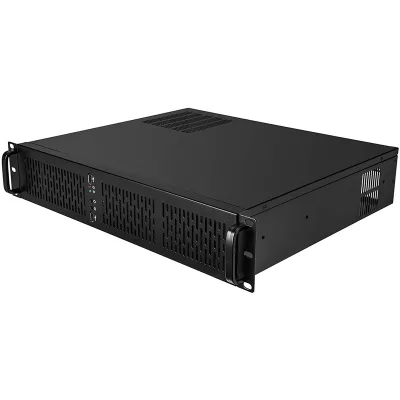
Hot Sale Rustproof Anti Static Aluminum Server Case for Commercial Storage
$35.00 - $40.00
MOQ: 50 Pieces



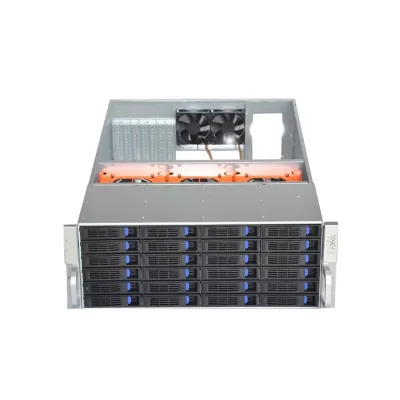
19 Inch Standard Heavy Duty Server Case with Spring Shock-Absorbing HDD Bays
$562.47 - $565.53
MOQ: 10 Pieces




Comprehensive Sourcing Guide
Strategic Sourcing Guide for Radiation Resistant Server Cases
The procurement of specialized enclosures for sensitive electronic infrastructure requires a rigorous approach, particularly when the operational environment involves radiation exposure. While the term "radiation resistant" implies a specific performance capability, the actual product landscape often presents a complex array of cabinet types, materials, and customization options. Buyers must navigate a market where standard server cabinets, network cabinets, and ruggedized cases coexist, each offering distinct protective qualities. This guide provides a structured framework for evaluating potential suppliers and products, ensuring that the selected solution meets the stringent demands of high-radiation environments without relying on unverified marketing claims.
Understanding Product Categories and Material Composition
The first step in sourcing a radiation-resistant solution is to distinguish between the various product categories available in the global market. The supply chain currently offers distinct classifications, including Server Cabinets, Network Cabinets, and specialized Cases or Boxes. These categories differ significantly in their structural integrity and intended usage scenarios. For instance, a standard Server Cabinet is designed primarily for housing rack-mounted equipment in data centers, whereas a Case or Box often serves transportation or instrument protection needs.
Material selection is the most critical technical factor when addressing radiation resistance. The observed market data indicates a diverse range of construction materials, including Plastic, Aluminum, and Stainless Steel. Each material interacts with radiation differently. Stainless Steel, for example, is often preferred for its density and durability, offering superior shielding properties compared to lighter alternatives. Aluminum provides a balance of weight and strength, while Plastic solutions may be suitable for low-level radiation or specific component protection. Buyers must verify the specific material grade and thickness, as the "Hardness" attribute observed in some listings, such as "Partial Hard," suggests varying degrees of impact resistance that may not correlate directly with radiation attenuation.
| Product Type | Typical Material | Primary Application | Key Structural Feature |
|---|---|---|---|
| Server Cabinet | Metal (Steel/Aluminum) | Data Center, Server Room | Rack-mounted, High Capacity |
| Network Cabinet | Metal | Telecommunications, Wiring | Cable Management, Ventilation |
| Rugged Case | Plastic, Aluminum, Steel | Transportation, Instruments | Shockproof, Waterproof, Customizable |
| Instrument Box | Plastic, Aluminum | Musical Instruments, Field Use | EVA/Soft Foam Lining, Hand-Held |
The distinction between a "Server Cabinet" and a "Case" is vital. A product described with attributes like "Waterproof," "Shockproof," and "Anti-Dust" often falls into the rugged case category, which may be more adaptable to harsh environments than a standard open-frame server cabinet. However, the presence of "Without Any Inner Lining" in some listings indicates that not all ruggedized options include the foam padding necessary for delicate equipment, requiring careful specification review.
Technical Specifications and Customization Capabilities
When evaluating technical specifications, buyers must look beyond generic dimensions to understand the physical constraints of the enclosure. The market data reveals specific model numbers such as GoCase Rack R3U48, R4U48, R6U30, and R6UW48, each associated with precise standard dimensions. For example, the R3U48 model is noted with a standard size of 615x585x215mm, while the R6UW48 measures 615x585x345mm. These dimensions are critical for ensuring the enclosure fits within the designated facility footprint and can accommodate the specific server or instrument hardware.
Customization is a significant enabler for radiation-resistant applications. The observed data confirms that "Customization" and "Customize" are widely available attributes, with many suppliers accepting OEM requests. This flexibility allows buyers to modify wall thickness, add internal shielding layers, or alter the sealing mechanisms to meet specific radiation attenuation requirements. The "Case Size" is often listed as "OEM," indicating that standard dimensions may be adjusted to fit unique project needs. Furthermore, the "Style" attribute, which includes options like "Hand-Held" or "Wheeled," suggests that mobility is a consideration for some users, though this may conflict with the stability required for heavy shielding.
Buyers should also scrutinize the "Lining" specifications. Some products feature "EVA/Soft Foam" lining, which provides cushioning and potentially some level of environmental sealing. In contrast, other listings specify "Without Any Inner Lining." For radiation-sensitive equipment, the choice of lining material can impact the overall shielding effectiveness and the ability to manage heat dissipation. The "Function" attributes, such as "Waterproof" and "Shockproof," are often paired with radiation resistance in ruggedized designs, but these must be verified as independent performance claims rather than assumed synergies.
Compliance, Certification, and Quality Assurance
In the realm of specialized industrial procurement, compliance and certification serve as the primary indicators of reliability. The observed product data lists several recognized standards and certifications, including ISO 9001, SGS, and Ts 16949. These certifications suggest that the manufacturing processes adhere to international quality management systems. Specifically, the presence of "ISO 9001" and "Ts 16949" (now IATF 16949) indicates a focus on consistent quality and process control, which is essential for producing enclosures that must perform reliably under stress.
However, buyers must exercise caution regarding the specific application of these certifications. While a supplier may hold ISO 9001 for general manufacturing, this does not automatically validate the radiation resistance of a specific cabinet model. The data also mentions "ASME, EN, GB" as standards, which are relevant for dimensional and structural integrity but do not inherently cover radiation shielding performance. Buyers should request specific test reports or data sheets that demonstrate the material's ability to attenuate radiation, rather than relying solely on general quality certifications.
Quality control processes are another critical area for verification. The supply chain data highlights "100% Inspection Before Shipping" as a standard practice for some suppliers. This attribute is a strong indicator of a commitment to defect reduction, ensuring that every unit meets the specified dimensions and material requirements. Additionally, the "Tolerance" of +/-0.01mm suggests a high level of precision in machining, which is crucial for ensuring tight seals and proper fitment of internal components. The "Surface Treatment" of "Brushed" on stainless steel products can also contribute to corrosion resistance, which is a secondary benefit in harsh environments.
Cost Drivers and Procurement Parameters
The cost of sourcing a radiation-resistant server case is influenced by several factors, including material selection, customization level, and order volume. The observed price range in the market spans from 0.2 to 5090 USD, a wide disparity that reflects the difference between simple plastic cases and complex, custom-engineered stainless steel cabinets. The "MOQ" (Minimum Order Quantity) varies significantly, ranging from 1 to 500 units. Some suppliers offer an MOQ of 50 PCS, while others may accept single-unit orders for prototypes or small-scale projects.
Lead time is another critical cost driver. The data indicates a typical lead time of 30 to 50 days for production. This timeframe can extend if significant customization is required, such as altering the wall thickness or adding specialized shielding materials. The "Sample Time" is noted as "Within 7 Days" for some suppliers, which is beneficial for buyers needing to validate the product before committing to a large order. However, the transition from sample to mass production must be carefully managed to avoid delays.
Packaging is also a factor in the total cost of ownership. The observed packing methods include "Carton," "Bubble Bag + Carton," and "Bubble Bag, Cartons, Pallets/Plywood Case." For heavy or high-value enclosures, the use of plywood cases or pallets ensures safe transit, but it adds to the overall shipping cost. Buyers should consider the "prod_packing" specifications when calculating the total landed cost, especially if the equipment is being shipped internationally from origins like "Changzhou, Jiangsu, China" or other locations in China.
Supplier Evaluation and Long-Term Considerations
Evaluating suppliers requires a holistic view of their capabilities, beyond just the product specifications. The "prod_origin" is consistently listed as China, with specific mentions of Changzhou, Jiangsu. While this provides a geographical context, buyers should verify the supplier's capacity to handle large-scale orders and their ability to maintain consistent quality over time. The "Capacity" attribute, described as "Big Capacity," suggests that some suppliers have the infrastructure to handle significant production volumes, which is essential for long-term procurement needs.
Long-term procurement considerations include the availability of spare parts, the durability of the materials, and the supplier's responsiveness to design changes. The "Customization" and "OEM" attributes indicate that suppliers are willing to adapt their products, but buyers must ensure that these modifications do not compromise the structural integrity or shielding effectiveness. The "Features" listed, such as "Shock Proof," "Anti-Dust," and "Durable," are positive indicators, but they should be backed by empirical data or third-party testing results.
Furthermore, the "Machining Method" of "Extrusion" suggests a specific manufacturing process that can affect the uniformity and strength of the material. Buyers should inquire about the specific extrusion profiles and whether the process allows for the integration of radiation shielding layers. The "Inspection" process, specifically "100% Inspection Before Shipping," is a strong positive signal, but buyers should also request documentation of the inspection criteria to ensure it aligns with their specific radiation resistance requirements.
Conclusion and Strategic Recommendations
Sourcing a radiation-resistant server case is a complex task that requires careful attention to material specifications, customization options, and supplier capabilities. The market offers a diverse range of products, from standard server cabinets to ruggedized cases with waterproof and shockproof features. Buyers must navigate this landscape by verifying technical claims, requesting specific test data for radiation attenuation, and ensuring that the chosen supplier has the capacity to deliver consistent quality.
The observed data highlights the importance of material selection, with Stainless Steel and Aluminum being prominent options. Customization is widely available, allowing for tailored solutions that meet specific environmental demands. However, the wide price range and varying MOQs necessitate a clear understanding of the project's scale and budget. By focusing on verified certifications, rigorous quality control processes, and transparent communication with suppliers, buyers can secure a solution that ensures the safety and reliability of their sensitive electronic infrastructure in challenging environments. The key to success lies in treating product attributes as observations to be verified rather than absolute guarantees, ensuring that the final procurement decision is grounded in factual evidence and technical rigor.
FAQs
What materials are used for radiation resistant server cases?
Stainless steel, aluminum, and plastic are the primary materials observed in the market. Stainless steel offers superior density for shielding, while aluminum balances weight and strength. Plastic solutions may suit low-level radiation needs but require verification of thickness and hardness.
Which certifications indicate reliable manufacturing quality?
ISO 9001, SGS, and Ts 16949 are the key certifications found in the supply data. These standards confirm adherence to international quality management systems and process control. Buyers should request specific test reports for radiation performance rather than relying solely on general quality marks.
How can I verify the dimensions of a server cabinet?
Specific models like GoCase Rack R3U48 have standard sizes of 615x585x215mm. Other models such as R6UW48 measure 615x585x345mm. Customization is available, so buyers must confirm the exact dimensions against their facility footprint before ordering.
What is the typical lead time for production?
The standard lead time ranges from 30 to 50 days for production. This duration may extend if significant customization is required, such as altering wall thickness or adding shielding layers. Sample times are typically within 7 days for validation purposes.
Can suppliers accept custom orders for specific shielding needs?
Yes, customization and OEM services are widely available for these products. Suppliers can adjust case sizes and modify sealing mechanisms to meet specific radiation attenuation requirements. Buyers should verify that modifications do not compromise structural integrity or heat dissipation.
What is the minimum order quantity for these cases?
The minimum order quantity varies from 1 to 500 units depending on the supplier. Some vendors require a minimum of 50 pieces, while others accept single-unit orders for prototypes. Pricing ranges from 0.2 to 5090 USD based on material and customization.
Are these cases suitable for transportation and harsh environments?
Many rugged cases feature waterproof, shockproof, and anti-dust functions suitable for transportation. Some include EVA or soft foam lining for equipment protection, while others have no inner lining. Buyers must check specific attributes to ensure the case meets their environmental protection needs.