Source Rainbow Patterned Glass for Doors, Windows, and Building Decor
Compare 30 listings of Rainbow Patterned Glass suitable for doors, windows, and building decoration. Buyers can review detailed specifications including thickness, color options, and certifications from verified Chinese manufacturers to find the best match for their specific project requirements and budget constraints.
Updated
Key considerations
Products List


$1.00 - $10.00
MOQ: 1000 Square Meters

$1.00 - $10.00
MOQ: 1000 Square Meters





Comprehensive Sourcing Guide
Rainbow Patterned Glass Sourcing Guide
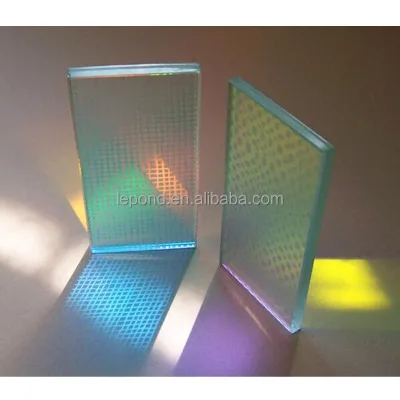
Procuring Rainbow Patterned Glass requires a nuanced understanding of its decorative properties and structural limitations. While the supplied data highlights specific pattern styles such as Golden Silk and Begonia, buyers must distinguish between these textured finishes and true spectral coloration. The observed listings emphasize solid colors like bronze, grey, and green, alongside clear options, suggesting that "rainbow" effects may be achieved through specific lighting interactions with patterned surfaces rather than inherent multi-color pigmentation. Sourcing teams should clarify whether the desired aesthetic relies on iridescent coatings or the interplay of light with embossed textures like rain or bamboo patterns.
Verification of the glass type is critical, as the market offers both float glass and specialized figured glass variants. The core keyword implies a decorative intent, often used for doors, windows, and building facades where visual appeal is paramount. Buyers must confirm if the product is a single-layer patterned sheet or a laminated assembly, as this impacts safety and acoustic performance. Understanding the distinction between standard patterned glass and specialized decorative variants ensures that procurement specifications align with the architectural vision, preventing mismatches in light transmission and visual depth.
Product Scope and Observed Listing Signals
The observed market signals indicate a wide range of customization options, with many suppliers offering tailored solutions for specific project needs. Attributes such as "Customized" and "Customization: Available" suggest that buyers can request specific dimensions, thicknesses, and pattern styles to match their design requirements. The presence of models like SLS-K0093 and P-15 indicates a structured product catalog, allowing for precise identification and reordering. Buyers should leverage these model numbers to streamline communication with suppliers, ensuring that the exact pattern and finish are documented in the purchase order to avoid ambiguity.
Observed price ranges and minimum order quantities (MOQs) vary significantly, reflecting the diversity of product grades and production scales. Prices observed range from $0.5 to $520, with MOQs starting as low as one unit or one container, up to 100 square meters. This variability suggests that small-batch custom orders may carry higher per-unit costs, while bulk purchases benefit from economies of scale. Buyers should analyze their volume requirements against these thresholds to optimize cost efficiency, keeping in mind that specialized patterns or non-standard thicknesses may incur additional premiums or longer lead times.
Technical Specifications to Verify
Thickness is a primary technical variable, with observed ranges spanning from 3mm to 20mm, including specific options like 4mm, 5mm, 6mm, and 12mm. Buyers must select the appropriate thickness based on the application, whether it is for interior partitions, exterior windows, or shower enclosures. Thicker glass offers greater durability and safety but may impact the overall weight and structural support requirements of the installation. Verification of thickness tolerance is essential, as deviations can affect the fit and finish of the final assembly, particularly in precision framing systems.
Standard sizes such as 1830x2440mm and 3660x2440mm are commonly available, but custom dimensions are also supported. Buyers should confirm the availability of their required sizes to avoid waste or additional cutting costs. The Mohs hardness and pattern styles, such as flat shapes or specific designs like golden silk, influence the tactile and visual experience. It is crucial to verify the surface finish and pattern consistency, as variations in embossing depth can alter light reflection and privacy levels. Ensuring that the technical specifications match the design intent is vital for achieving the desired aesthetic and functional outcome.
Compliance and Safety Documentation
Certification is a key indicator of quality and regulatory compliance, with observed certificates including ISO9001, CE, CCC, GB, ASTM, and Igcc. Buyers should verify which certifications are applicable to their target market, as requirements vary by region. For instance, CE marking is essential for European markets, while CCC is required for China. Ensuring that the supplier holds valid and current certifications reduces the risk of non-compliance and potential legal issues. Buyers should request copies of these certificates and verify their authenticity through the issuing bodies.
Safety standards are particularly important for glass used in doors, windows, and shower rooms, where breakage can pose significant risks. Buyers should inquire about the glass's safety performance, including its ability to shatter into safe fragments if broken. While the supplied data does not explicitly mention tempered or laminated options, these are common safety enhancements for patterned glass. Buyers should confirm whether the glass meets specific safety standards for impact resistance and thermal stress, ensuring that the product is suitable for its intended use without compromising occupant safety.
Cost Drivers and Commercial Terms
Payment terms and delivery times are critical components of the commercial agreement, with observed terms including T/T and L/C. Buyers should negotiate payment structures that align with their cash flow and risk management strategies. Delivery times typically range from 7 to 14 days, but this can vary based on order volume and customization requirements. Understanding the lead time is essential for project planning, as delays can impact construction schedules. Buyers should confirm the production timeline and any potential bottlenecks to ensure timely delivery.
Packaging is another cost driver, with observed methods including plywood crates, safety wooden crates, and seaworthy packaging. Proper packaging is crucial to prevent damage during transit, especially for large or fragile glass sheets. Buyers should verify the packaging standards and ensure that they meet the requirements for international shipping. Additionally, buyers should consider the environmental impact of packaging materials and whether sustainable options are available. Clear communication regarding packaging specifications can help avoid disputes and ensure that the product arrives in pristine condition.
Supplier Qualification and Quality Control
Supplier location and origin are important factors in assessing reliability and logistics. Observed origins include China, with specific mentions of Shandong and Qingdao, which are known for their glass manufacturing industries. Buyers should evaluate the supplier's production capacity, quality control processes, and track record. Visiting the factory or requesting third-party audits can provide insights into the supplier's operational standards. Buyers should also assess the supplier's ability to handle custom orders and their responsiveness to technical queries.
Quality control measures should be clearly defined in the contract, including inspection protocols and acceptance criteria. Buyers should specify the required quality standards and ensure that the supplier has the capability to meet them. Regular quality checks during production and before shipment can help identify and rectify issues early. Buyers should also establish a clear process for handling defects or non-conforming products, including return policies and compensation terms. A robust quality control framework is essential for maintaining consistency and reliability in the supply chain.
Long-Term Procurement Checks
Building a long-term relationship with suppliers requires ongoing evaluation and communication. Buyers should regularly review supplier performance based on metrics such as delivery punctuality, product quality, and customer service. Feedback loops should be established to address any issues promptly and to identify areas for improvement. Buyers should also stay informed about industry trends and technological advancements that may impact their procurement strategy. Engaging with suppliers on a strategic level can lead to better pricing, priority service, and access to new products.
Risk management is a critical aspect of long-term procurement, including supply chain resilience and market volatility. Buyers should diversify their supplier base to mitigate the risk of disruptions and ensure continuity of supply. Regular market analysis can help buyers anticipate price fluctuations and adjust their procurement strategies accordingly. Buyers should also consider the environmental and social impact of their supply chain, aligning their procurement practices with sustainability goals. A proactive approach to risk management and relationship building ensures a stable and efficient procurement process.
FAQs
How can I customize Rainbow Patterned Glass for my project?
Customization is available for Rainbow Patterned Glass, including patterns, colors, and sizes tailored to your project. Buyers can request specific pattern styles, color tones such as bronze, grey, green, or blue, and cut sizes to match doors, windows, or decorative applications. Confirm the required thickness range, typically 3-12mm, and pattern detail with the supplier before ordering.
What sizes and thicknesses are available for Rainbow Patterned Glass?
Common sheet sizes include 1830x2440mm, 2134x3300mm, 3300x2140mm, 3300x2250mm, and 3660x2440mm, with other sizes available on request. Thickness options generally span 3-12mm depending on the product listing. Since size and thickness vary between models, buyers should confirm the exact combination needed for their door, window, or building decoration application before placing an order.
What is the typical MOQ for ordering Rainbow Patterned Glass?
MOQ requirements vary by listing, with some products starting at one square meter to 100 square meters and others priced per full container. Listed MOQ values across products range from 1 to 1000 units or square meters. Buyers should verify the MOQ for the specific pattern, thickness, and size combination they need, as customized orders may carry higher minimums.
Which certifications should I look for when sourcing patterned glass?
Relevant certifications include ISO9001, CE, CCC, GB, and ASTM, which appear across listed patterned glass products. These certifications indicate quality management compliance and conformity with construction glass standards. Buyers requiring specific market approvals should confirm which certificates the supplier holds for the exact product model, since certification coverage can differ between product lines and grades.
How is Rainbow Patterned Glass packed for shipping?
Packing is typically in seaworthy wooden crates or plywood crates designed to protect flat glass sheets during transit. Some listings specify safety wooden crates or plywood crate packing as standard. Proper crating helps prevent edge damage and breakage, so buyers should confirm crate specifications, interior padding, and loading arrangements, especially for container shipments over long distances.
What is the delivery time for patterned glass orders?
Listed delivery time is 7-14 days, though actual lead time depends on order quantity, customization level, and production scheduling. Standard sizes in available stock can ship faster, while customized patterns, colors, or non-standard cut sizes may extend production time. Buyers should confirm the lead time for their specific order before finalizing the purchase contract.
Which payment terms are accepted for patterned glass purchases?
Accepted payment terms include T/T and L/C according to the product listings. T/T is common for straightforward orders, while L/C offers additional security for larger container-based purchases. Buyers should agree on the payment split, such as deposit and balance timing, and confirm the accepted method for their specific order value and destination before confirming the contract.
Can Rainbow Patterned Glass be used for doors and windows?
Yes, listed applications include doors, windows, furniture, and building decoration, with some products intended for shower room use as well. The rolled pattern surface provides privacy and decorative effect while remaining flat in structure. Buyers should select an appropriate thickness for the installation, typically within the 3-12mm range, and confirm suitability for the intended glazing application.