Modern White Laminated Glass Suppliers and Manufacturers
Find 25 verified sources for Modern White Laminated Glass with options in China Shandong, Guangdong, and Beijing. Compare response times, lead times, certifications, and pricing to select a supplier. Request quotes today to proceed; review the available evidence before requesting comparable quotations from suitable candidates.
Updated
Suppliers List

Qingdao Globalstar Glass Technology Co., Ltd.
- Combined
- China Shandong
- Lead time15 days
- Avg. response≤ 16h
Main productsBuilding Glass, Float Glass, Sheet Glass, Aluminum Mirror, Reflective Glass, Figured Glass, Laminated Glass, Tempered Glass, Silver Mirror, Wired Glass
Main marketsDomestic,Europe
Guangzhou Lepond Glass Co., Ltd.
- Trading Company
- Guangdong, China
- Lead time25 days
- Avg. response≤ 22h
Main productstempered glass,laminated glass,curve glass,ceramic glass,fire proof glass
Main marketsSoutheast Asia(40.00%), South America(15.00%), Domestic Market(10.00%), Africa(10.00%), Eastern Asia(3.00%), North America(3.00%), Southern Europe(3.00%), Northern Europe(3.00%), Eastern Europe(3.00%), Western Europe(2.00%), South Asia(2.00%), Mid East(2.00%), Oceania(2.00%), Central America(2.00%)

- Verified by TUVRHEINLAND
- Trading Company,Manufacturer/Factory
- China Beijing
- Lead time23 days
- Avg. response≤ 4h
Main productsTempered Glass, Aluminum Windows, Insulated Glass, Building Glass, Curtain Wall Glass, Windows and Doors, Low Iron Glass, Window Glass, Laminated Glass, Aluminum Clad Wood Windows
Main marketsSouth America,Eastern Europe,Mid East,North America,Southeast Asia,Eastern Asia,Oceania,Western Europe,Africa

- Verified by SGS
- Combined
- China Hubei
- Lead time30 days
- Avg. response≤ 1h
Main productsGlass Deep Processing, Clear Tempered Glass, Laminated Glass, Wired Glass, Pattern Glass, Glazed Glass, Mirror, Oil Sand Glass, Insulating Glass, Paint Glass
Main marketsDomestic,North America

High-Quality Pure White Laminated Glass for Building Applications
$4.00 - $8.60
MOQ: 500 Square Meters


Qinhuangdao Tianyao Glass Co., Ltd
- Verified by SGS
- Trading Company
- China Hebei
- Lead time15 days
- Avg. response≤ 2h
Main productsClear Float Glass, Float Glass, Tempered Glass, Laminated Glass, Glass Sheet
Main marketsAfrica,Southeast Asia/ Mideast,North America


Laminated Building Glass Laminated Glass Color Coated Laminated Glass
$7.80 - $8.80
MOQ: 200 Square Meters


A&T GLASS INDUSTRY CO., LIMITED
- Trading Company,Manufacturer/Factory
- China Shandong
- Lead time23 days
- Avg. response≤ 8h
Main productsBuilding Glass, Clear Float Glass, Laminated Glass, Toughened Glass, Tinted Float Glass, Reflective Glass, Patterned Glass, Acid Etched Glass, Aluminum Mirror, Silver Mirror
Main marketsSouth America,Eastern Europe,Mid East,North America,Southeast Asia,Eastern Asia,Western Europe,Africa

- Combined
- China Shandong
- Lead time15 days
- Avg. response≤ 8h
Main productsTempered Glass, Furniture Glass, Laminated Glass, Mirror, Float Glass, Louver Glass, Low E Glass, Silk Printing Glass, Tinted Glass, Reflective Glass
Main marketsDomestic


Laminated Building Glass Tinted Laminated Glass Color Coated Laminated Glass
$0.50 - $10.00
MOQ: 500 Pieces


Qingdao Laurel Glass Technology Co., Ltd.
- Verified by SGS Group
- Trading Company
- Lead time15 days
- Avg. response≤ 3h
Main productsLaminated Glass, Insulated Glass, Tempered Glass, Patterned Glass, Solar Glass
Main marketsSouth America(16%), Africa(15%), North America(14%)

Qingdao Creation Classic Glass Co., Ltd.
- Manufacturer/Factory
- China Shandong
- Lead time15 days
- Avg. response≤ 15h
Main productsBuilding Glass, Float Glass, Tempered Glass, Laminated Glass, Insulated Glass, Glass Block/Brick, Reflective Glass, Tinted Glass, Mirror, Patterned Glass
Main marketsSouth America,Eastern Europe,Mid East,North America,Southeast Asia,Eastern Asia,Oceania,Western Europe,Africa

QINHUANGDAO GREEN STAR MIRROR CO., LTD.
- Verified by SGS
- Combined
- China Hebei
- Lead time15 days
- Avg. response≤ 8h
Main productsMirror, Clear Glass, Tempered Glass, Laminated Glass, Stained Glass, Glass Bevel, Bevel Clusters, Glass Mosaic
Main marketsSoutheast Asia/ Mideast
Luoyang Jiulong New Material Technology Co., Ltd.
- Manufacturer, Trading Company
- Henan, China
- Lead time7 days
- Avg. response≤ 1h
Main productstempered glass, laminated glass, insulated glass, doors and windows & accessories, Balustrades & Handrails
Main marketsNorth America(50.00%), Eastern Asia(10.00%), Mid East(10.00%), Africa(10.00%), Southeast Asia(10.00%), South America(10.00%)
Qingdao Haisen Glass Co., Ltd.
- Verified by Intertek
- Manufacturer, Trading Company
- Lead time15 days
- Avg. response≤ 2h
Main productsLaminated Glass, Architectural Glass, Aluminum Glass, Card Mirror, Super Mirror
Main marketsSoutheast Asia(37%), South America(20%), North America(10%)

Qingdao Salience Industry Co.,Ltd
- Verified by SGS
- Trading Company,Manufacturer/Factory
- China Shandong
- Lead time15 days
- Avg. response≤ 2h
Main productsLaminated Glass, Tempered Glass, Silver Mirror, Aluminium Mirror, Reflective Glass, Building Glass, Tinted Glass, Float Glass, Acid Etched Glass, Pattern Glass
Main marketsSouth America,Eastern Europe,Mid East,North America,Southeast Asia,Eastern Asia,Oceania,Western Europe,Africa


High-Quality Laminated Glass Suitable for Modern Interior Decoration
$3.52 - $19.75
MOQ: 1000 Square Meters


- Trading Company
- Shandong, China
- Lead time28 days
- Avg. response≤ 3h
Main productsClear Float Glass,Low Iron Glass,Tinted Glass,Reflective Glass,Laminated Glass
Main marketsSouth America(70.00%), North America(10.00%), Oceania(10.00%), Africa(5.00%), Southern Europe(5.00%)
$3.1069 - $3.3136
MOQ: 1000 square
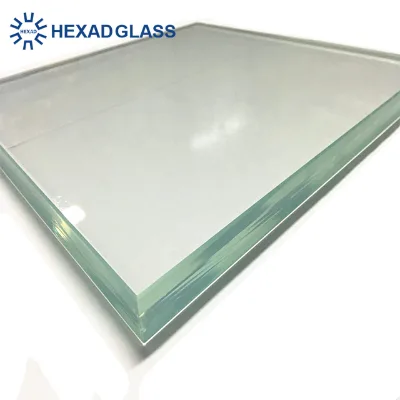
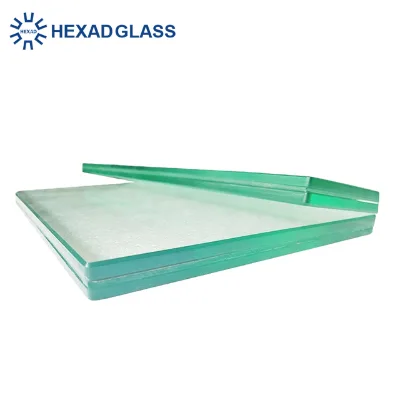
Qinhuangdao Aohong Glass Limited Company
- Verified by SGS Group
- Trading Company
- Lead time7 days
- Avg. response≤ 4h
Main productsFloat Glass, Insulated Glass, Laminated Glass, Mirror, Tempered Glass
Main marketsAfrica(20%), South America(10%), Eastern Europe(10%)
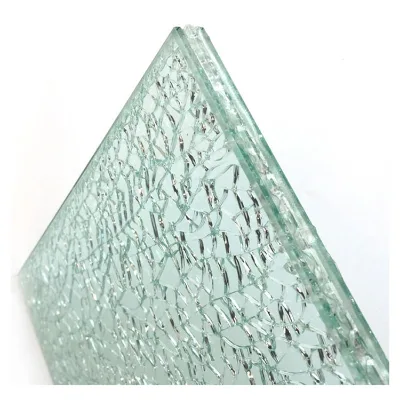
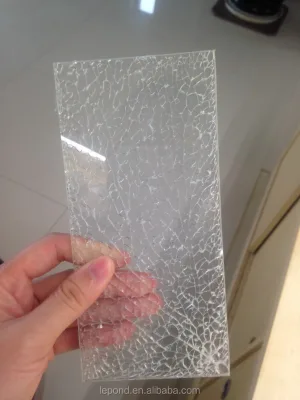
Decraive Broken Glass, Cracked Ice Laminated Glass
$6.58 - $7.85
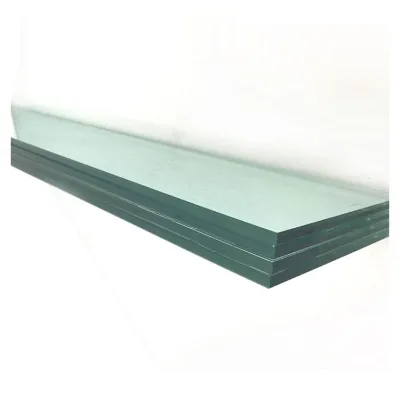
30mm Laminated Glass, Glass 30mm Thickness
$4.38 - $12.58
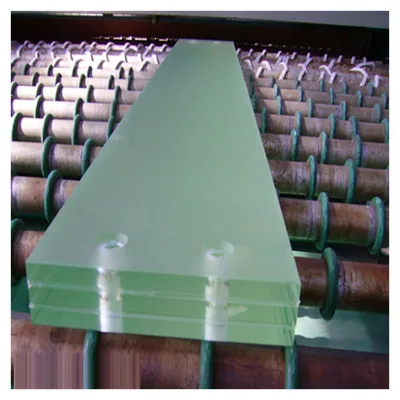
Laminated Glass with Opaque PVB
$5.18 - $6.88
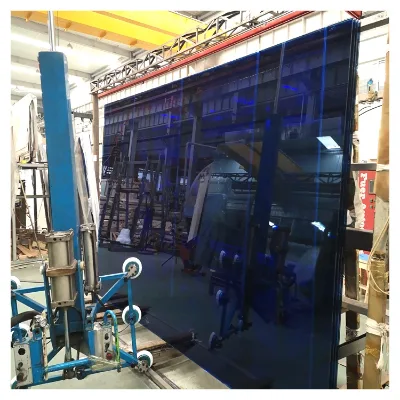
Safety Window Laminated Glass Unbreakable Window Glass
$7.68 - $10.88

- Trading Company,Manufacturer/Factory
- China Shandong
- Lead time15 days
- Avg. response≤ 12h
Main productsMirror, Reflective Glass, Float Glass, Laminated Glass, Tempered Glass, Patterned Glass, Painted Glass, Tinted Glass, Low-E Glass, Insulated Glass
Main marketsSouth America,Eastern Europe,Mid East,North America,Southeast Asia,Eastern Asia,Oceania,Western Europe,Africa
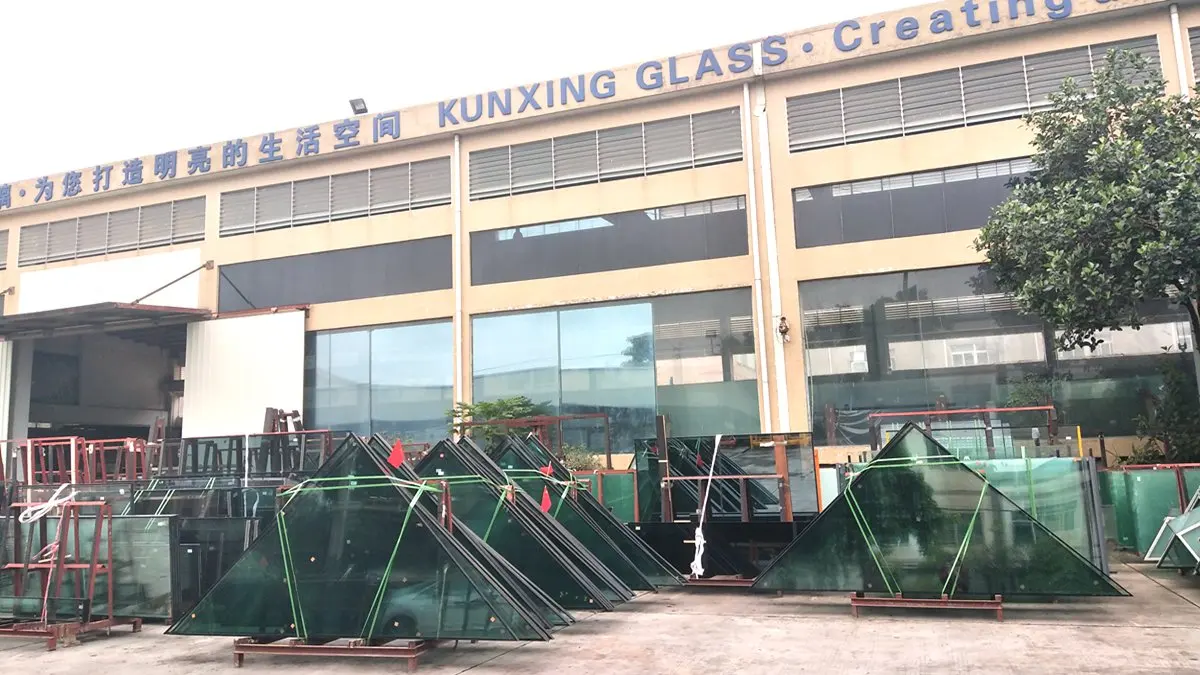
Dongguan City Kunxing Glass Co., Ltd.
- Manufacturer, Trading Company
- Guangdong, China
- Lead time15 days
- Avg. response≤ 2h
Main productsTempered Glass,Insulated Glass,Laminated Glass,Toughened Glass,curved Glass
Main marketsDomestic Market(50.00%), Southeast Asia(10.00%), Mid East(8.00%), North America(5.00%), Africa(5.00%), South America(5.00%), Central America(5.00%), Oceania(3.00%), South Asia(3.00%), Eastern Asia(2.00%), Eastern Europe(1.00%), Western Europe(1.00%), Southern Europe(1.00%), Northern Europe(1.00%)

- Trading Company
- Shandong, China
- Lead time20 days
- Avg. response≤ 2h
Main productsSolar Glass,Mirrors,Bathroom Mirror,Lamianted Glass,Tempered Glass
Main marketsDomestic Market(34.38%), Northern Europe(7.67%), Western Europe(6.99%), Mid East(6.80%), Central America(6.67%), Eastern Europe(5.60%), Southern Europe(5.38%), Southeast Asia(4.65%), South Asia(4.32%), South America(4.23%), North America(3.78%), Africa(3.40%), Eastern Asia(3.11%), Oceania(3.02%)
Jiangxi Shouhua Building Materials Co., Ltd.
- Manufacturer, Trading Company
- Jiangxi, China
- Lead time15 days
- Avg. response≤ 8h
Main productsTempered Glass,Insulating glass,Decorative glass,Grills Between Glass (GBG),Door Glass with Internal Blinds
Main marketsDomestic Market(40.00%), Eastern Asia(30.00%), Africa(20.00%), South Asia(10.00%)
Foshan Tianquan Decoration Material Co., Ltd.
- Manufacturer
- Guangdong, China
- Lead time60 days
- Avg. response≤ 4h
Main productsAluminum cladding panel,stainless railing,aluminum wall panel,stainless steel panel,stainless steel grating
Main marketsSouth Asia(10.00%), Southern Europe(10.00%), Northern Europe(10.00%), Western Europe(10.00%), Eastern Asia(10.00%), Mid East(10.00%), Oceania(10.00%), Africa(10.00%), Eastern Europe(10.00%), South America(10.00%), North America(10.00%)
- Trading Company
- Shanghai, China
- Lead time20 days
- Avg. response≤ 2h
Main productsLow-E Insulated Glass,Laminated Security Glass,Tempered Glass,Silk printed glass,Safety Building Glass
Main marketsOceania(50.00%), Domestic Market(20.00%), North America(5.00%), Northern Europe(5.00%), Western Europe(5.00%), Eastern Asia(5.00%), Southeast Asia(5.00%), Africa(5.00%)
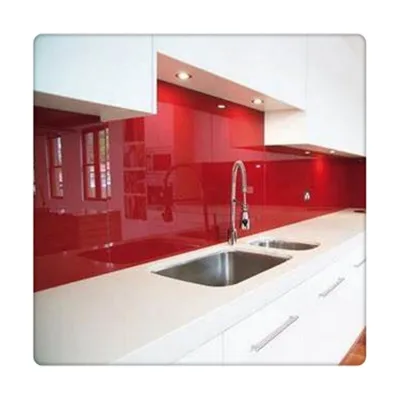
Custom Size Toughened Back Lacquered Laminated Glass Cost for Building Interior Wall
$9.1123 - $60.4128
MOQ: 50 Minimum
Hangzhou Jingxiaozi Glass Technology Co., Ltd.
- Verified by SGS Group
- Manufacturer, Trading Company
- Lead time0 days
- Avg. response≤ 2h
Main productsMuseum display case glass, Luxury display case glass, Blast-resistant glass, Hotel decorative glass, Low-reflection glass
Main marketsDomestic Market(40%), Eastern Asia(20%), Southeast Asia(10%)
- Verified by TüVRheinland
- Trading Company
- Shandong, China
- Lead time25 days
- Avg. response≤ 2h
Main productsIron Door, Pivot Door, Garage Door, Wood Door, Commercial Door
Main marketsNorth America(65%), South America(10%), Oceania(7%)

SHAHE CITY FANYUAN GLASS CO., LTD.
- Verified by TUVRHEINLAND
- Trading Company,Manufacturer/Factory
- China Hebei
- Lead time23 days
- Avg. response≤ 8h
Main productsDecorative Glass, Laminated Glass, Tempered Glass, Reflective Glass, Float Glass, Pattern Glass, Mirror
Main marketsSouth America,Eastern Europe,Mid East,North America,Southeast Asia,Eastern Asia,Oceania,Western Europe,Africa
Hebei Dongrun Glass Products Co., Ltd.
- Manufacturer
- Hebei, China
- Lead time20 days
- Avg. response≤ 4h
Main productsGlass,Building glass,Mirror glass,Glass mosaic tile,Decorative Glass
Main marketsSoutheast Asia(20.00%), North America(20.00%), Eastern Europe(15.00%), Oceania(10.00%), Mid East(10.00%), South America(10.00%), Western Europe(8.00%), Africa(5.00%), Eastern Asia(5.00%), Southern Europe(4.00%)










Comprehensive Sourcing Guide
Modern White Laminated Glass Supplier Concentration and Factory Types
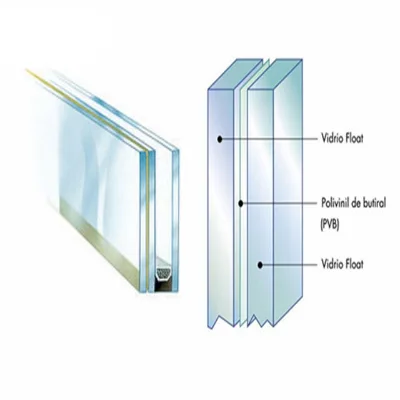
The current supplier landscape for Modern White Laminated Glass reveals a distinct geographic concentration in China, with specific manufacturing hubs identified in Shandong and Guangdong provinces. Suppliers located in Shandong, particularly in Qingdao, often list main products that include building glass, float glass, and various processed safety glass options. These entities frequently operate as combined entities or trading companies, offering a broad range of glass types such as tempered, reflective, and wired glass alongside their laminated offerings. The presence of suppliers in Beijing further indicates a mix of trading companies and manufacturer-factory hybrids that cater to both domestic and international construction markets. This geographic distribution suggests that buyers can find specialized production capabilities in coastal industrial zones, where logistics infrastructure supports the export of heavy building materials. Understanding these regional clusters helps in identifying suppliers who may have established supply chains for raw materials like PVB films and glass sheets, which are critical for producing high-quality white laminated glass.
Company types vary significantly across the available results, ranging from pure trading companies to combined entities and manufacturer-factories. Trading companies often provide a wider variety of product keywords, including decorative and safety glass options, while manufacturer-factories may emphasize their ability to handle OEM and ODM requests. Some suppliers highlight their capacity for customizing layer types, such as bullet-resistant or common laminated glass, and offer various intermediate films like fabric or standard PVB. The distinction between these company types is crucial for buyers, as it affects the level of direct control over production quality and the flexibility of order modifications. Combined entities might offer the best of both worlds by providing manufacturing capabilities alongside trading services, whereas pure trading companies may focus on aggregating products from multiple factories. Buyers should carefully review the company type to ensure it aligns with their specific sourcing needs, whether they require direct factory pricing or the convenience of a single point of contact for diverse glass products.
How to Verify Modern White Laminated Glass Suppliers
Verification of suppliers requires a close examination of their stated certifications and third-party audit results to ensure compliance with international standards. Some suppliers in the current results display system certifications such as ISO9001:2015, ISO 9000, ISO 14001, and LEED, which indicate a commitment to quality management and environmental responsibility. Additionally, certain suppliers have undergone verification processes by recognized bodies like TÜV Rheinland, providing an extra layer of trust regarding their business legitimacy and operational capabilities. Buyers should prioritize suppliers who explicitly list these certifications, as they serve as a baseline for assessing the supplier's ability to maintain consistent product quality and adhere to regulatory requirements. It is important to note that not all suppliers may display these credentials, so buyers must actively seek out this information during their evaluation process. Verifying these certifications helps mitigate the risk of working with unqualified entities that may not meet the stringent demands of modern construction projects.
Beyond certifications, buyers should assess the supplier's response time and communication efficiency as indicators of their operational reliability. The data shows varying response times, with some suppliers responding within a few hours, while others may take significantly longer. A rapid response time, such as under four hours, suggests a well-staffed and responsive sales team that can address inquiries and resolve issues promptly. This is particularly important for complex orders involving custom specifications, such as specific thicknesses or layer types for white laminated glass. Buyers should also look for suppliers who provide detailed product attributes, including standard sizes, thickness options, and applicable standards like EN 12543 or ANSI Z 97.1. These details demonstrate a thorough understanding of the product and its applications, which is a positive sign of a professional and knowledgeable supplier. By combining certification checks with an evaluation of communication speed and product detail accuracy, buyers can build a more robust profile of potential suppliers.
What to Compare Across Modern White Laminated Glass Suppliers
When comparing suppliers, lead time and production capacity are critical factors that influence project timelines and inventory management. The available data indicates lead times ranging from approximately fifteen to twenty-five days, which can vary based on the supplier's location and current order volume. Suppliers with shorter lead times, such as those around fifteen days, may be better suited for projects with tight deadlines, while those with longer lead times might offer more competitive pricing or specialized customization options. Buyers should also consider the supplier's stated production capacity, such as monthly output in square meters, to ensure they can handle large-scale orders without delays. Comparing these operational metrics helps buyers select suppliers who can align with their project schedules and volume requirements. It is essential to clarify lead times for custom orders, as they may differ from standard product delivery times, and to confirm the supplier's ability to meet specific quantity demands.
Minimum Order Quantities (MOQ) and pricing structures are another key area for comparison, as they directly impact the cost-effectiveness of the procurement. MOQs vary significantly, with some suppliers requiring as few as ten pieces or one container, while others may have higher thresholds, such as two hundred pieces. Buyers with smaller project needs may find suppliers with lower MOQs more attractive, even if the unit price is slightly higher. Conversely, large-scale buyers might benefit from negotiating better prices with suppliers who have higher MOQs and established production lines. Pricing data shows a wide range, from low-cost options to premium-priced items, reflecting differences in material quality, thickness, and additional features like bullet resistance or decorative patterns. Buyers should request detailed quotes that break down costs by thickness, layer type, and packaging to ensure a fair comparison. Understanding these financial and logistical parameters allows buyers to make informed decisions that balance cost, quality, and supply chain efficiency.
Common Modern White Laminated Glass Sourcing Risks
One significant risk in sourcing Modern White Laminated Glass is the potential for product specification mismatches, particularly regarding layer types and intermediate films. Suppliers may offer various configurations, such as bullet-resistant glass with dry lamination or decorative glass with fabric intermediate films, which require precise communication to ensure the correct product is delivered. Buyers must clearly specify their requirements for thickness, color, and functionality to avoid receiving glass that does not meet their design or safety standards. Additionally, the risk of inconsistent quality can arise if suppliers do not adhere to recognized standards like GB15763.3-2009 or EN 12543. Buyers should verify that the supplier's products comply with the relevant standards for their target market, as non-compliant glass may fail safety tests or regulatory inspections. This risk is particularly relevant for applications in buildings, windows, and doors, where safety and durability are paramount.
Another risk involves logistics and packaging, as glass is a fragile and heavy material that requires careful handling during transport. Suppliers may use different packaging methods, such as wooden cases or export wooden packages, which can affect the safety of the goods during shipping. Buyers should inquire about the packaging details to ensure they are sufficient to prevent breakage and damage. Furthermore, the port of dispatch can impact shipping costs and transit times, with suppliers in Guangdong often using Guangzhou Huangpu Port, while those in Shandong may use different ports. Buyers should consider these logistical factors when evaluating suppliers, as they can influence the overall cost and delivery schedule. Additionally, the risk of currency fluctuations and trade policies can affect pricing and availability, so buyers should stay informed about market conditions and consider hedging strategies if necessary. By anticipating these risks, buyers can implement measures to mitigate potential issues and ensure a smoother sourcing process.
Modern White Laminated Glass Regional Sourcing and Logistics
Sourcing from China offers access to a robust manufacturing ecosystem, with suppliers concentrated in key industrial regions like Shandong and Guangdong. Suppliers in Shandong, particularly in Qingdao, benefit from proximity to raw material sources and established glass manufacturing clusters, which can lead to competitive pricing and efficient production. Guangdong suppliers, on the other hand, often have access to major ports like Guangzhou Huangpu, facilitating easier export logistics for international buyers. Beijing-based suppliers may leverage their location for better access to domestic markets and government contracts, while also serving international clients through trading networks. Buyers should consider the geographic location of the supplier when evaluating shipping options, as it can impact transit times and freight costs. Understanding these regional advantages helps buyers select suppliers who can offer the best balance of cost, quality, and logistical efficiency for their specific needs.
Logistics planning is crucial for ensuring the safe and timely delivery of Modern White Laminated Glass. Buyers should work with suppliers who have experience in exporting glass products and can provide reliable shipping solutions. This includes selecting appropriate packaging, such as wooden crates or export wooden packages, to protect the glass during transit. Buyers should also consider the use of freight forwarders who specialize in handling fragile and heavy goods to minimize the risk of damage. Additionally, understanding the Incoterms agreed upon with the supplier is essential for determining responsibility for shipping costs and risks. Buyers should clarify whether the supplier offers FOB, CIF, or other terms, and factor these into their overall cost analysis. By carefully planning logistics and selecting suppliers with strong export capabilities, buyers can ensure a smooth and efficient supply chain for their Modern White Laminated Glass orders.
Modern White Laminated Glass Commercial Terms and Order Planning
Commercial terms such as payment methods and warranty policies are essential components of any sourcing agreement for Modern White Laminated Glass. Buyers should negotiate clear payment terms that align with their cash flow needs, such as using escrow services for added security or arranging letters of credit for large orders. It is important to verify whether the supplier offers any warranty or guarantee on their products, particularly regarding defects in materials or workmanship. Buyers should also inquire about the supplier's return or replacement policy in case of damaged or non-conforming goods. These commercial terms help protect the buyer's interests and ensure a fair transaction. By establishing clear commercial terms upfront, buyers can avoid misunderstandings and disputes later in the procurement process, leading to a more successful and sustainable supplier relationship.
Order planning involves coordinating with suppliers to manage production schedules, quality inspections, and delivery timelines. Buyers should provide detailed specifications and order quantities well in advance to allow suppliers to plan their production runs effectively. This is particularly important for custom orders, which may require additional time for material sourcing and manufacturing. Buyers should also consider conducting pre-shipment inspections to verify that the products meet their quality standards before they are dispatched. This step can help identify and resolve any issues before the goods leave the factory, reducing the risk of receiving defective products. Additionally, buyers should maintain open communication with their suppliers throughout the order process to address any changes or concerns promptly. By implementing a structured order planning process, buyers can ensure that their Modern White Laminated Glass orders are delivered on time, within budget, and to the required quality standards.
FAQs
What is the price range for Modern White Laminated Glass?
Prices vary significantly based on thickness and specifications. Some suppliers list prices starting from $1.03 per unit with a minimum order of one piece. Other bulk listings for specific laminated types start at $15 per unit with a minimum order of 200 units. Buyers should request quotes for exact dimensions.
What are the typical lead times for laminated glass orders?
Manufacturing lead times generally range from 15 to 25 days depending on the supplier location and order volume. Suppliers in Shandong report a lead time of 15 days, while those in Guangdong and Beijing typically require 23 to 25 days. Confirm specific schedules with the supplier before placing orders.
What certifications do laminated glass suppliers hold?
Many suppliers hold ISO 9001:2015 or ISO 9000 system certifications. Some manufacturers also possess ISO 14001, LEED, and BS 25999-2 certifications. Products often comply with standards such as GB15763.3-2009, EN 12543, ANSI Z 97.1, and BS 6206. Verify specific certificates for your project requirements.
Where are laminated glass manufacturers located in China?
Major manufacturing hubs are located in Shandong, Guangdong, and Beijing. Suppliers in Shandong and Guangdong offer various glass types including tempered and laminated options. Beijing-based suppliers also provide extensive building glass solutions. Location impacts shipping logistics and potential port dispatch options like Guangzhou Huangpu Port.
What is the minimum order quantity for laminated glass?
Minimum order quantities vary widely by supplier and product type. Some suppliers accept orders as low as one piece for specific white laminated glass items. Others require a minimum of 10 units or 200 units for standard laminated glass. Certain bulk listings may require a full container load. Check specific product pages for exact MOQs.
What response times can buyers expect from suppliers?
Response times differ among suppliers, ranging from approximately 3.81 hours to 22 hours. Faster responses are often associated with suppliers in Beijing, while others may take up to 22 hours. Quick communication is vital for negotiating custom sizes and specifications. Inquire about average response times during initial contact.