Gradient Laminated Stained Glass Suppliers and Manufacturers
Compare 20 verified suppliers offering Gradient Laminated Stained Glass with details on lead times, certifications, and response speeds. Review product specs like thickness and customization options, then contact factories directly to request quotes; review the available evidence before requesting comparable quotations from suitable candidates.
Updated
Suppliers List

- Verified by TUVRHEINLAND
- Trading Company,Manufacturer/Factory
- China Beijing
- Lead time23 days
- Avg. response≤ 4h
Main productsTempered Glass, Aluminum Windows, Insulated Glass, Building Glass, Curtain Wall Glass, Windows and Doors, Low Iron Glass, Window Glass, Laminated Glass, Aluminum Clad Wood Windows
Main marketsSouth America,Eastern Europe,Mid East,North America,Southeast Asia,Eastern Asia,Oceania,Western Europe,Africa

- Trading Company
- Shandong, China
- Lead time28 days
- Avg. response≤ 3h
Main productsClear Float Glass,Low Iron Glass,Tinted Glass,Reflective Glass,Laminated Glass
Main marketsSouth America(70.00%), North America(10.00%), Oceania(10.00%), Africa(5.00%), Southern Europe(5.00%)
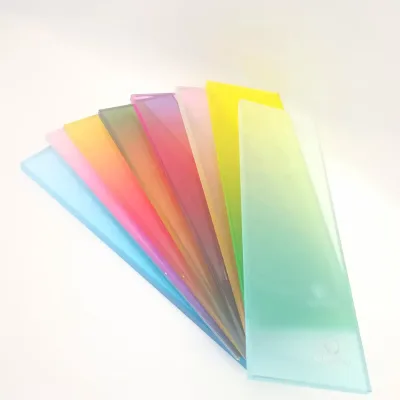
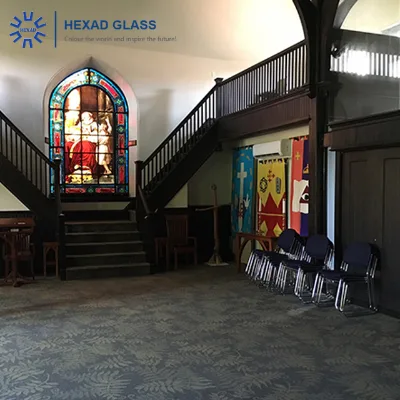
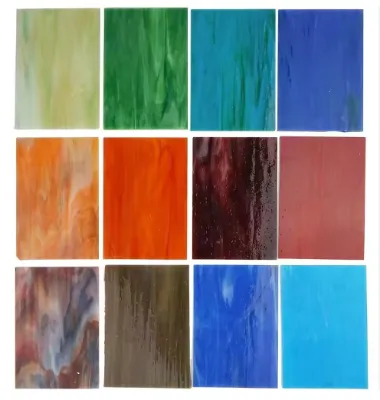
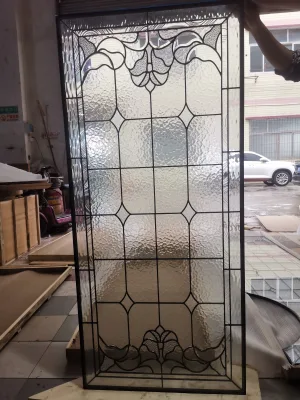
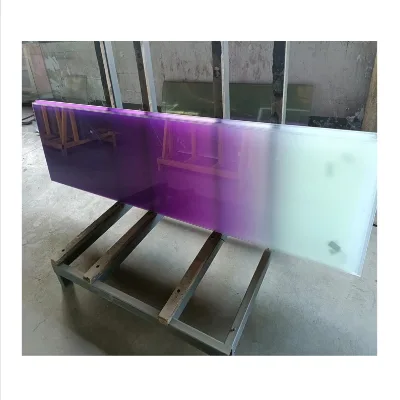
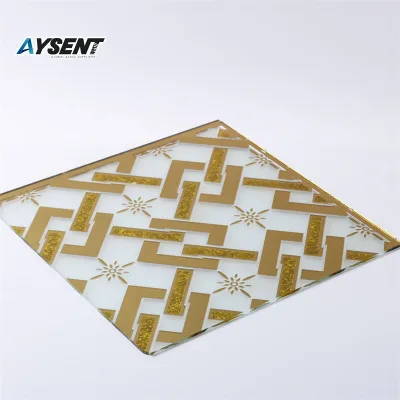
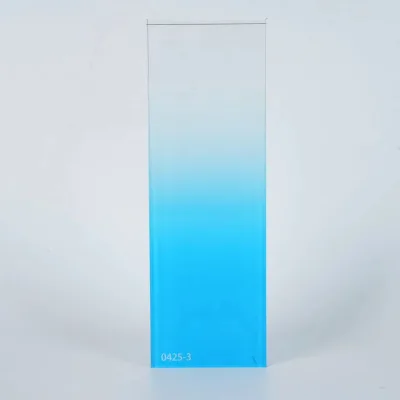
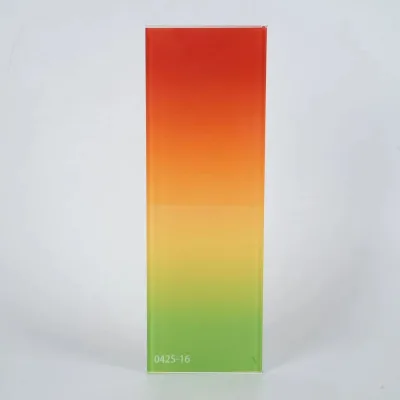
Stained Glaze Gradient Glass Colored Art Glass Decorative Gradient Building Tempered Laminated Glass
$4.512 - $4.6153
MOQ: 1 square
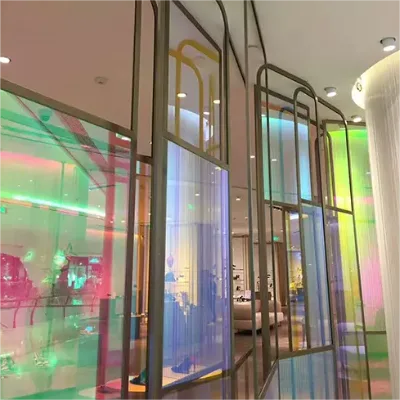
Dichroic Glass Tinted Glass Colored Tempered Laminated Decorative Glass
$5.80 - $6.50
MOQ: 1000 square
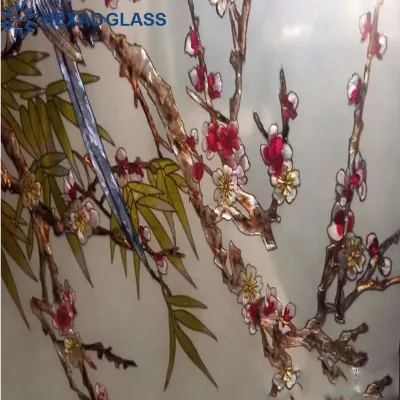
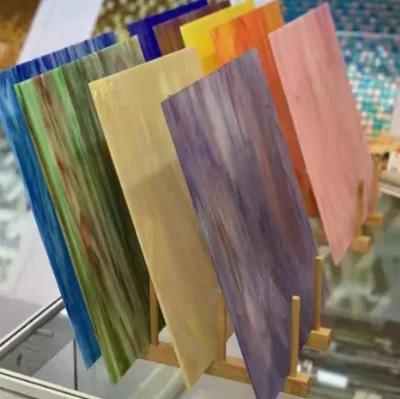

Qinhuangdao Tianyao Glass Co., Ltd
- Verified by SGS
- Trading Company
- China Hebei
- Lead time15 days
- Avg. response≤ 2h
Main productsClear Float Glass, Float Glass, Tempered Glass, Laminated Glass, Glass Sheet
Main marketsAfrica,Southeast Asia/ Mideast,North America


Stained Glaze Gradient Glass Colored Art Glass Decorative Gradient Building Tempered Laminated Glass
$1.99 - $9.98
MOQ: 500 Square Meters


- Verified by SGS
- Combined
- China Hubei
- Lead time30 days
- Avg. response≤ 1h
Main productsGlass Deep Processing, Clear Tempered Glass, Laminated Glass, Wired Glass, Pattern Glass, Glazed Glass, Mirror, Oil Sand Glass, Insulating Glass, Paint Glass
Main marketsDomestic,North America

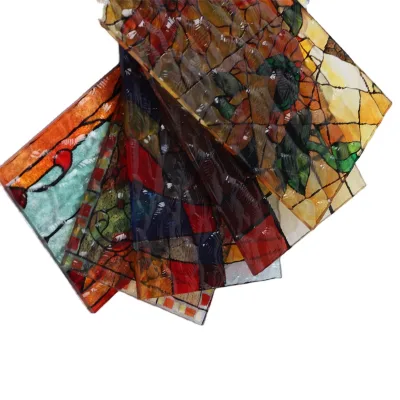
Contemporary Colorful Stained Glass Building Glass for Showcase Spaces
$0.90 - $50.00
MOQ: 500 Square Meters

Versatile Stained Glass Building Glass for Colorful Showcase Applications
$0.90 - $50.00
MOQ: 500 Square Meters

Artistic Colorful Stained Glass Building Glass for Modern Partitions
$0.90 - $50.00
MOQ: 500 Square Meters


Bright Colorful Stained Glass Building Glass for Showcase and Partitions
$0.90 - $50.00
MOQ: 500 Square Meters
Xiangtan Juying Industrial Co., Ltd.
- Manufacturer, Trading Company
- Hunan, China
- Lead time15 days
- Avg. response≤ 11h
Main productsStained Glass,Glass Mosaics
Main marketsDomestic Market(30.00%), North America(20.00%), Eastern Asia(8.00%), Eastern Europe(7.00%), Western Europe(7.00%), South Asia(5.00%), Southern Europe(5.00%), Southeast Asia(4.00%), South America(3.00%), Africa(3.00%), Mid East(3.00%), Oceania(3.00%), Northern Europe(2.00%)
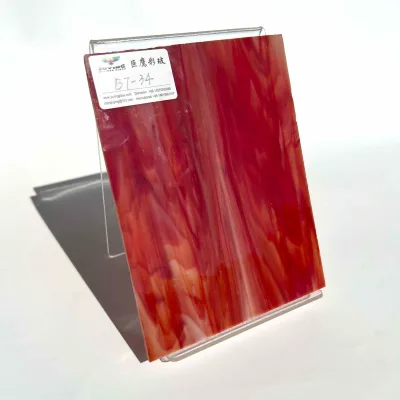
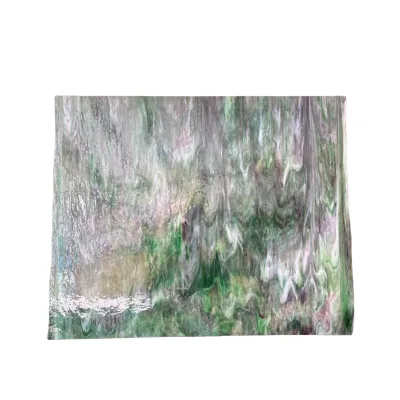
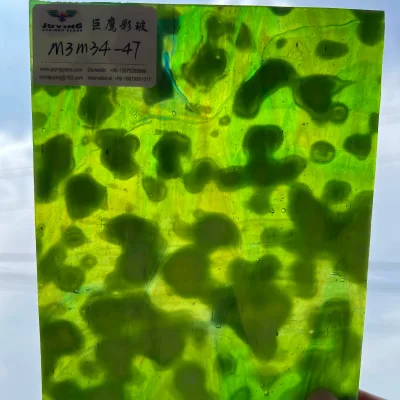
Factory Sale Mottled Stained Glass for Lamps and Luxury Decoration
$1350.00 - $1800.00
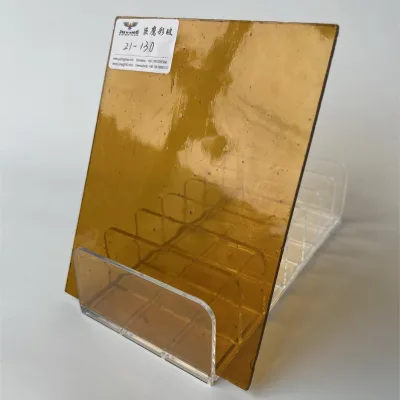
Manufacturer Stained Glass Good Quality Art Transparent for Church Window
$11.3174 - $13.3756
MOQ: 2 square

Qingdao Salience Industry Co.,Ltd
- Verified by SGS
- Trading Company,Manufacturer/Factory
- China Shandong
- Lead time15 days
- Avg. response≤ 2h
Main productsLaminated Glass, Tempered Glass, Silver Mirror, Aluminium Mirror, Reflective Glass, Building Glass, Tinted Glass, Float Glass, Acid Etched Glass, Pattern Glass
Main marketsSouth America,Eastern Europe,Mid East,North America,Southeast Asia,Eastern Asia,Oceania,Western Europe,Africa

Colored Gradient Painted Glass for Stained Glass Panels in Churches and Cathedrals
$2.57 - $19.87
MOQ: 1000 Square Meters

Customized Pattern Flat Stained Glass for Window and Door Decoration
$1.81 - $5.86
MOQ: 1000 Square Meters

Qingdao Boruito Trading Co., Ltd.
- Trading Company
- Shandong, China
- Lead time30 days
- Avg. response≤ 1h
Main productsTempered laminated insulating glass,Solar glass,Smart glass,Decorative Glass,Shower room
Main marketsNorth America(32.00%), Western Europe(18.00%), Southern Europe(15.00%), Eastern Europe(12.00%), Northern Europe(10.00%), Mid East(5.00%), Southeast Asia(5.00%), Africa(3.00%)

Qingdao Creation Classic Glass Co., Ltd.
- Manufacturer/Factory
- China Shandong
- Lead time15 days
- Avg. response≤ 15h
Main productsBuilding Glass, Float Glass, Tempered Glass, Laminated Glass, Insulated Glass, Glass Block/Brick, Reflective Glass, Tinted Glass, Mirror, Patterned Glass
Main marketsSouth America,Eastern Europe,Mid East,North America,Southeast Asia,Eastern Asia,Oceania,Western Europe,Africa
- Trading Company
- Lead time旺季: "1 - 500":15,"501 - 1000":20,"1001 - 1500":35,"> 1500":"To be negotiated", 淡季: "1 - 500":15,"501 - 1000":20,"1001 - 1500":35,"> 1500":"To be negotiated"
- Avg. response≤ 3h
Main productstempered glass, laminated glass, insulating glass, curved jumbo size glass, silkscreen printing glass

- Verified by BV
- Trading Company,Manufacturer/Factory
- China Shandong
- Lead time23 days
- Avg. response≤ 16h
Main productsClear and Colored Tinted and Reflective Glass, Clear/Euro Bronze/Euro Grey/Whit Laminated Glass, Flat or Hot Curved Tempered Glass, Online and Offline Reflective Float Glass, Patterned /Figured/Rolled Glass, Acid Etched Glass, Glass Aluminium Mirror and Silver Mirror, Bathroom Mirror, Stained Glass Silking Printing More Art Glass
Main marketsSouth America,Eastern Europe,Mid East,North America,Southeast Asia,Eastern Asia,Oceania,Western Europe,Africa

Environmental Friendly Color Stained Painted Ornament Lacquered Art Glazed Glass
$0.90 - $99.00
MOQ: 10 Boxes

Guangzhou Lepond Glass Co., Ltd.
- Trading Company
- Guangdong, China
- Lead time25 days
- Avg. response≤ 22h
Main productstempered glass,laminated glass,curve glass,ceramic glass,fire proof glass
Main marketsSoutheast Asia(40.00%), South America(15.00%), Domestic Market(10.00%), Africa(10.00%), Eastern Asia(3.00%), North America(3.00%), Southern Europe(3.00%), Northern Europe(3.00%), Eastern Europe(3.00%), Western Europe(2.00%), South Asia(2.00%), Mid East(2.00%), Oceania(2.00%), Central America(2.00%)

Shenzhen City Liangze Glass Co., Ltd.
- Verified by BV
- Combined
- China Guangdong
- Lead time23 days
- Avg. response≤ 2h
Main productsTempered Glass, Float Glass, LED Mirror, Tiffany Lamp, Laminated Glass, Art Glass, Decorative Glass, Pattern Glass, Reflective Glass, Coated Glass
Main marketsDomestic,Europe

Premium Colored Laminated Glass with Custom Design Options Available
$13.54 - $26.48
MOQ: 1 Square Meters

Luxury Decorative Glass Colors in Stylish Laminated Glass Options
$13.54 - $26.48
MOQ: 1 Square Meters
Hebei Dongrun Glass Products Co., Ltd.
- Manufacturer
- Hebei, China
- Lead time20 days
- Avg. response≤ 4h
Main productsGlass,Building glass,Mirror glass,Glass mosaic tile,Decorative Glass
Main marketsSoutheast Asia(20.00%), North America(20.00%), Eastern Europe(15.00%), Oceania(10.00%), Mid East(10.00%), South America(10.00%), Western Europe(8.00%), Africa(5.00%), Eastern Asia(5.00%), Southern Europe(4.00%)
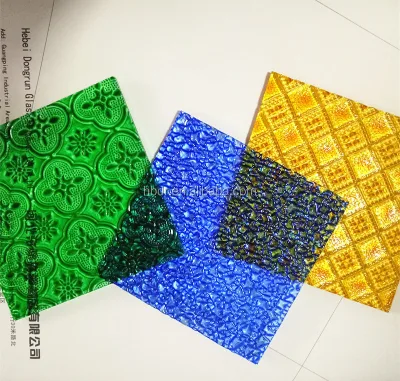
Fused Embossed 3D Glass Decorative Flower Image Design Patterned Stained Glass
$2.0523 - $8.209
MOQ: 100 Minimum
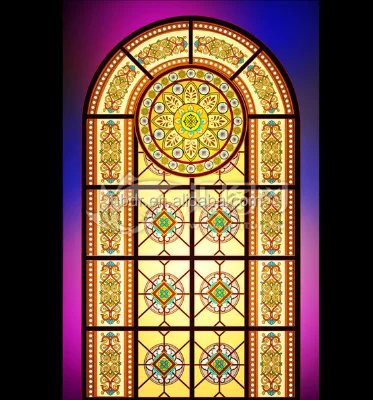
Qingdao Laurel Glass Technology Co., Ltd.
- Verified by SGS Group
- Trading Company
- Lead time15 days
- Avg. response≤ 3h
Main productsLaminated Glass, Insulated Glass, Tempered Glass, Patterned Glass, Solar Glass
Main marketsSouth America(16%), Africa(15%), North America(14%)
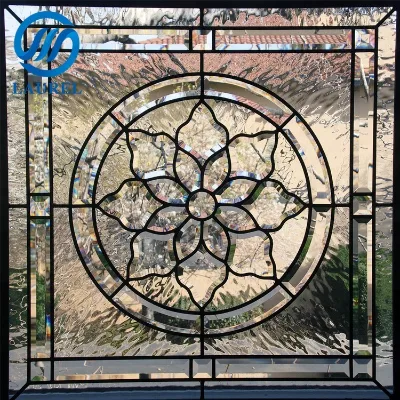
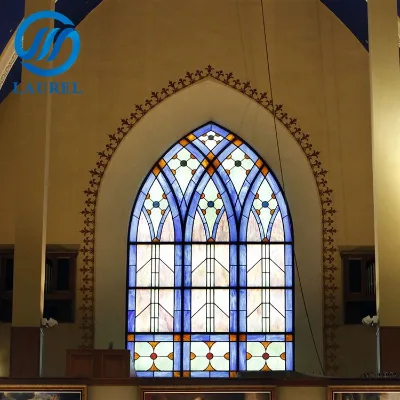
Factory Price Church tiffany Style Stained Glass for windows
$2900.00 - $3500.00
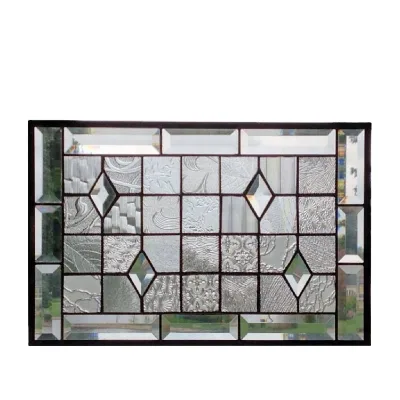
Hot Sale Cathedral Beveled Stained Glass for Church windows
$2900.00 - $3500.00
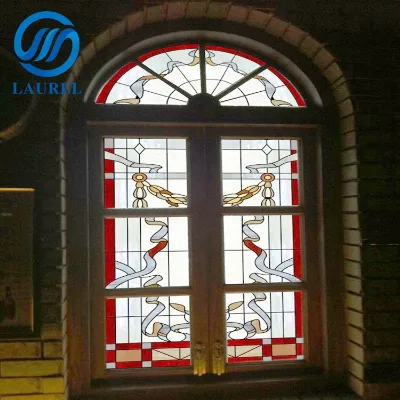
tiffany Stained Glass Window Panels
$1900.00 - $3500.00
Sichuan Dagui Special Glass Technology Co.,ltd.
- Manufacturer, Trading Company
- Sichuan, China
- Lead time31 days
- Avg. response≤ 2h
Main productsBulletproof Glass, Curved Glass, Art Church Glass, Glass Doors and Windows, PDLC Film
Main marketsNorth America(80.00%), Southeast Asia(10.00%), South America(5.00%), Oceania(4.00%), Domestic Market(1.00%)

QINHUANGDAO GREEN STAR MIRROR CO., LTD.
- Verified by SGS
- Combined
- China Hebei
- Lead time15 days
- Avg. response≤ 8h
Main productsMirror, Clear Glass, Tempered Glass, Laminated Glass, Stained Glass, Glass Bevel, Bevel Clusters, Glass Mosaic
Main marketsSoutheast Asia/ Mideast
Shenzhen Dayang Special Glass Co., Ltd.
- Manufacturer, Trading Company
- Guangdong, China
- Lead time15 days
- Avg. response≤ 7h
Main productsLaminated Glass, Toughened Glass, Smart Glass, Insulated Glass, Curved Glass
Main marketsMid East(40.00%), North America(15.00%), Southeast Asia(13.00%), Western Europe(10.00%), Africa(6.00%), Domestic Market(5.00%), South America(3.00%), Oceania(3.00%), South Asia(2.00%), Northern Europe(2.00%), Southern Europe(1.00%)
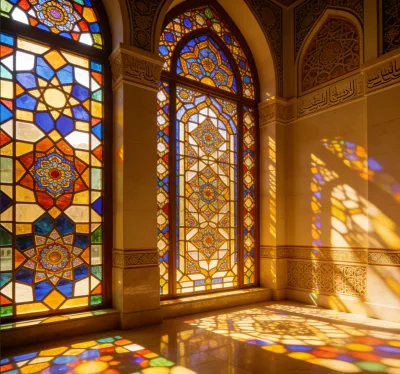
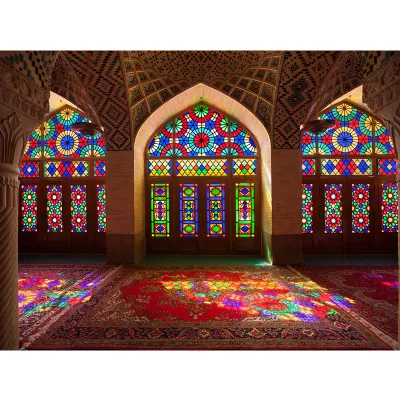
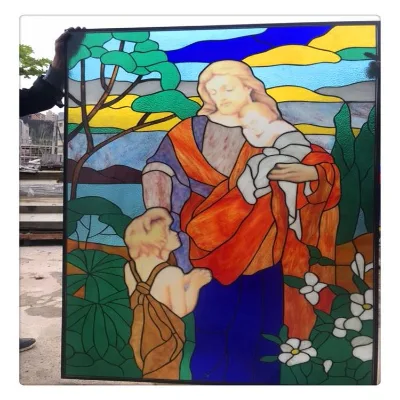
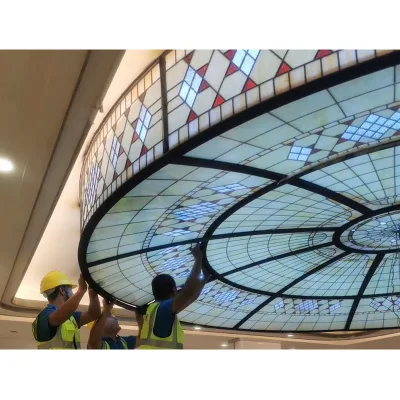
Glass Factory Custom High Quality Stained Glass Hanging
$6.00 - $18.00
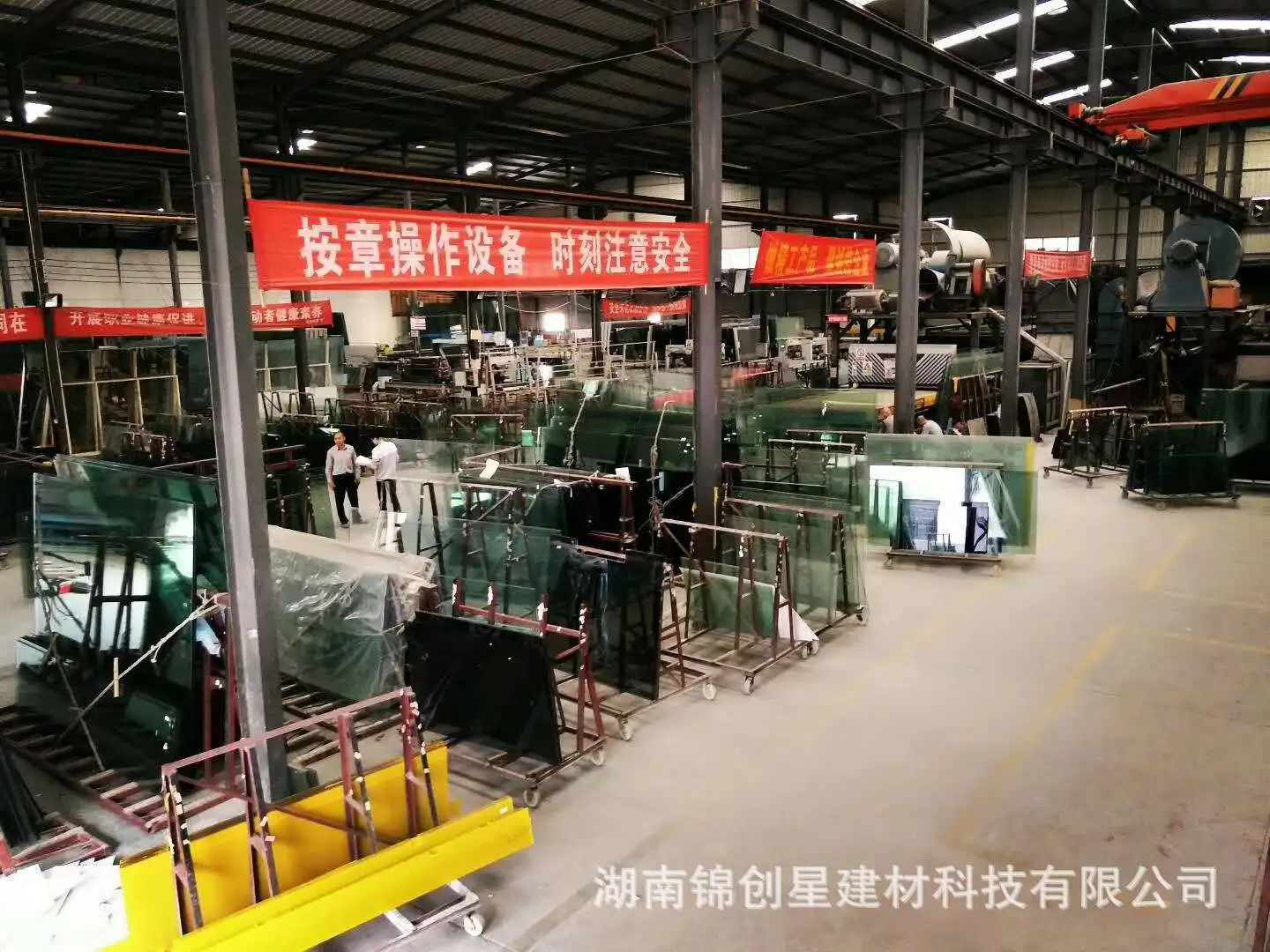
Hu' Nan Jinchuangxing Building Materials Technology Co., Ltd.
- Manufacturer, Trading Company
- Hunan, China
- Lead time20 days
- Avg. response≤ 1h
Main productsglass,glass products,windows,doors,glasshouse
Main marketsDomestic Market(2.00%), South Asia(2.00%), Southern Europe(2.00%), Northern Europe(2.00%), Central America(2.00%), Western Europe(2.00%), Eastern Asia(2.00%), Mid East(2.00%), Oceania(2.00%), Africa(2.00%), Southeast Asia(2.00%), Eastern Europe(2.00%), South America(2.00%), North America(2.00%)
Aysent Glass Technology (Shandong) Co., Ltd.
- Verified by Intertek
- Manufacturer, Trading Company
- Lead time20 days
- Avg. response≤ 2h
Main productsDecorative Glass, PDLC Smart Film, PDLC Smart Glass, Decorative Films, Digital Signage
Main marketsNorth America(20%), South America(20%), Western Europe(20%)
Hangzhou Jingxiaozi Glass Technology Co., Ltd.
- Verified by SGS Group
- Manufacturer, Trading Company
- Lead time0 days
- Avg. response≤ 2h
Main productsMuseum display case glass, Luxury display case glass, Blast-resistant glass, Hotel decorative glass, Low-reflection glass
Main marketsDomestic Market(40%), Eastern Asia(20%), Southeast Asia(10%)


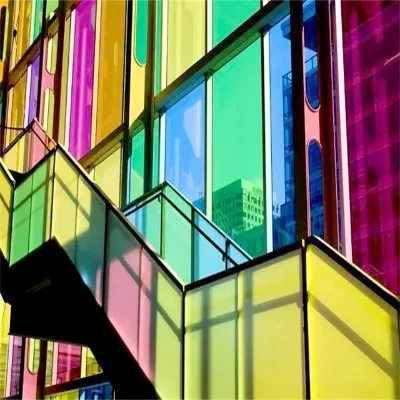
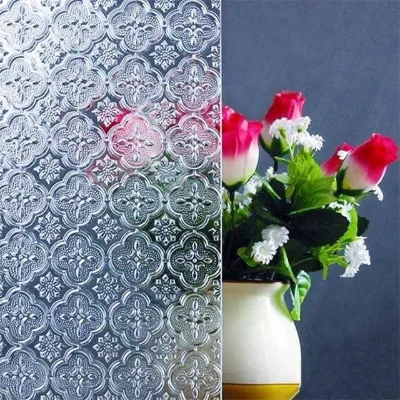


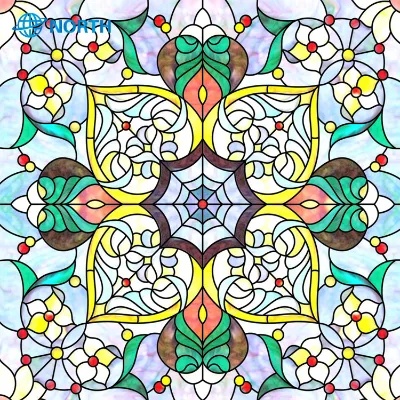


Comprehensive Sourcing Guide
Gradient Laminated Stained Glass Supplier Concentration and Factory Types
The sourcing landscape for Gradient Laminated Stained Glass reveals a distinct concentration of manufacturing and trading entities within specific Chinese industrial hubs. Current data indicates that suppliers are primarily located in Beijing and Shandong, China, forming two notable clusters for this specialized architectural material. Beijing-based suppliers often present a diverse portfolio that includes tempered glass, aluminum windows, insulated glass, and curtain wall systems, suggesting a broad capability in building glass integration. In contrast, suppliers from Shandong, China, appear to focus more heavily on core float glass products such as clear, low iron, tinted, and reflective glass, which serve as the foundational layers for laminated and stained glass applications. This geographic distribution allows buyers to identify suppliers based on their specific regional strengths, whether they require complex architectural glazing solutions or high-volume base glass processing. Understanding these location-based specializations helps in narrowing down the search to factories that possess the necessary infrastructure for deep processing tasks like lamination and staining.
Supplier types in this sector vary between trading companies and manufacturer/factory entities, each offering different advantages for sourcing Gradient Laminated Stained Glass. Trading companies often provide a wider variety of product lines and may act as intermediaries for multiple factories, offering flexibility in order consolidation. Manufacturer/factory entities, on the other hand, typically possess direct control over the production process, including the ability to handle OEM and ODM requests for custom gradient effects. Many suppliers in this category boast extensive experience, with some citing up to twenty-eight years in glass manufacturing and export, indicating a mature industrial base. The presence of both company types ensures that buyers can choose between direct factory pricing and the logistical convenience of trading partners. It is crucial to verify the actual operational nature of the supplier, as some trading companies may have close ties to specific factories, while others may simply aggregate products from various sources. This distinction impacts quality control, communication efficiency, and the ability to customize specific gradient patterns or thicknesses required for architectural projects.
How to Verify Gradient Laminated Stained Glass Suppliers
Verifying the credibility and operational capacity of Gradient Laminated Stained Glass suppliers requires a multi-layered approach that goes beyond basic company profiles. One critical step is to check for third-party verification badges, such as those provided by TÜV Rheinland, which indicate that the supplier has undergone rigorous audits of their business legitimacy and operational standards. Additionally, examining the system certifications held by the supplier is essential for ensuring quality management and environmental compliance. Certifications like ISO 9001, ISO 14001, and LEED demonstrate that the factory adheres to international standards for quality control and sustainable manufacturing practices. For architectural glass products, compliance with specific product standards such as CE, ASTM, and EN1215 is also vital, as these ensure the glass meets safety and performance requirements for building applications. Buyers should request copies of these certificates and verify their validity through the issuing bodies to avoid fraudulent claims. This verification process helps establish a baseline of trust and ensures that the supplier has the necessary infrastructure to produce consistent, high-quality gradient laminated glass.
Beyond certifications, assessing the supplier’s response time and communication efficiency is a practical method for evaluating their professionalism and reliability. Data shows that response times can vary, with some suppliers averaging around 3.81 hours, while others may respond within 3 hours. A faster response time often correlates with a more organized sales team and better project management capabilities, which are crucial for handling custom orders and technical queries. Buyers should also look for evidence of past performance, such as the number of years the supplier has been in business, with some claiming up to twenty-eight years of experience in glass manufacturing and export. This longevity can be an indicator of stability and expertise in handling complex production requirements. Furthermore, checking the supplier’s main products and product keywords can provide insights into their specialization. Suppliers listing gradient laminated glass, dichroic glass, and stained glass as core offerings are likely to have more relevant expertise than those with a generic glass portfolio. Combining these verification steps helps buyers build a shortlist of reliable partners who can meet their specific sourcing needs.
What to Compare Across Gradient Laminated Stained Glass Suppliers
When evaluating multiple suppliers for Gradient Laminated Stained Glass, comparing key operational metrics is essential for making an informed decision. One of the most critical factors is the lead time, which indicates how quickly the supplier can fulfill an order. Current data suggests lead times can range from 23 to 28 days, depending on the complexity of the gradient pattern, the thickness of the glass, and the current production load. Buyers should also compare the minimum order quantity (MOQ) requirements, as these can vary significantly. Some suppliers may have an MOQ of 100 square meters, while others might accept orders as low as 1 unit, catering to different project scales. Additionally, the price range is a significant differentiator, with costs varying from as low as $4.51 to over $50 per unit, depending on the type of glass, such as dichroic or gradient laminated glass, and the customization level. Understanding these variations helps buyers align their budget with their project requirements and avoid unexpected costs.
Another important aspect to compare is the customization capabilities and product specifications offered by each supplier. Suppliers should be able to provide detailed information on layer types, such as common laminated glass, and production techniques like dry lamination or tempered glass processing. The availability of customization options, including specific colors, thicknesses ranging from 3mm to 22mm, and standard sizes like 2134x3300mm or 1830x2440mm, is crucial for architectural projects. Buyers should also inquire about the PVB thickness used in lamination, with options like 0.38mm, 0.76mm, or 1.14mm affecting the final product’s safety and acoustic properties. Furthermore, comparing the shipping terms and delivery options, such as EXW, FOB, or CIF, and the packing methods, like standard seaworthy wooden crates, ensures that the logistics are handled appropriately. By systematically comparing these attributes, buyers can identify suppliers that offer the best balance of cost, quality, and service for their specific needs.
Common Gradient Laminated Stained Glass Sourcing Risks
Sourcing Gradient Laminated Stained Glass involves several potential risks that buyers must proactively manage to ensure project success. One significant risk is the inconsistency in product quality, particularly regarding the gradient effect and color uniformity. Since gradient glass involves complex manufacturing processes, variations in color transition or layer adhesion can occur if the supplier lacks strict quality control measures. Buyers should request samples to verify the visual quality and structural integrity before placing large orders. Another risk is the discrepancy between the quoted lead time and the actual delivery date. While suppliers may advertise lead times of 23 to 28 days, delays can occur due to production bottlenecks, material shortages, or logistical issues. This can disrupt project timelines, especially for architectural installations with strict deadlines. Buyers should establish clear communication channels and request regular production updates to monitor progress and address any potential delays early.
Packaging and shipping damage is another common risk associated with glass products. Despite suppliers using strong wooden crates or plywood crates for export, glass can still be susceptible to breakage during transit if not packed correctly. Buyers should verify the packing standards and ensure that the supplier follows industry best practices for securing glass panels. Additionally, there is a risk of miscommunication regarding product specifications, such as thickness, size, or certification requirements. Suppliers may list standard sizes, but custom orders require precise dimensions and tolerances. Buyers must provide detailed technical drawings and specifications to avoid receiving incorrect products. Furthermore, relying on suppliers with limited experience or inadequate certifications can lead to non-compliance with local building codes. Buyers should verify that the supplier’s products meet relevant standards, such as CE, ASTM, or EN1215, to ensure safety and regulatory compliance. Mitigating these risks requires thorough due diligence and clear contractual agreements.
Gradient Laminated Stained Glass Regional Sourcing and Logistics
The regional location of suppliers significantly impacts the logistics and shipping costs for Gradient Laminated Stained Glass. Suppliers located in Beijing and Shandong, China, offer distinct logistical advantages depending on the buyer’s location and shipping preferences. Beijing-based suppliers may have better access to international air freight hubs, making them suitable for urgent or smaller orders. In contrast, Shandong-based suppliers, being a major industrial region, may offer more competitive sea freight rates due to proximity to major ports. Buyers should consider the total landed cost, which includes not only the product price but also shipping, insurance, and customs duties. Sea freight is generally more cost-effective for large volumes, while air freight or express services may be necessary for smaller, time-sensitive orders. Understanding the supplier’s shipping terms, such as EXW, FOB, or CIF, is crucial for determining who is responsible for logistics and insurance.
Logistics planning also involves coordinating with freight forwarders to ensure the safe transport of fragile glass products. Suppliers typically use standard seaworthy wooden crates or strong plywood crates for export, but buyers should verify that the packaging meets international shipping standards. Additionally, buyers should consider the impact of regional trade policies and tariffs on the final cost. Some regions may have specific import regulations for glass products, requiring additional documentation or inspections. Buyers should work with suppliers who have experience in exporting to their region to navigate these complexities. Furthermore, the supplier’s ability to handle customs clearance and provide necessary documentation, such as certificates of origin and quality certificates, is essential for smooth import processes. By carefully planning the logistics and considering the regional advantages of different supplier locations, buyers can optimize their supply chain and reduce overall procurement costs.
Gradient Laminated Stained Glass Commercial Terms and Order Planning
Commercial terms and order planning are critical components of sourcing Gradient Laminated Stained Glass, influencing both cash flow and project execution. Payment terms are a key area of negotiation, with suppliers often accepting T/T (Telegraphic Transfer) or L/C (Letter of Credit) as standard methods. Buyers should clarify the payment schedule, such as a deposit followed by balance against the bill of lading, to manage financial risk. Additionally, understanding the price structure is essential, as costs can vary based on the type of glass, customization level, and order volume. For instance, dichroic or gradient laminated glass may command higher prices due to their specialized manufacturing processes. Buyers should request detailed quotations that break down the costs, including material, processing, and packaging, to ensure transparency. Comparing prices across suppliers helps identify competitive offers, but buyers should also consider the value provided in terms of quality and service.
Order planning involves aligning the purchase timeline with the supplier’s lead time and production capacity. Buyers should place orders well in advance to accommodate the 23 to 28 day lead time, especially for custom gradient patterns or large volumes. It is also important to consider the supplier’s capacity to handle rush orders or additional requests during the production process. Establishing a clear communication plan with the supplier, including regular updates on production status and shipping arrangements, helps prevent misunderstandings and delays. Buyers should also plan for potential contingencies, such as additional costs for expedited shipping or rework due to quality issues. By carefully managing commercial terms and order planning, buyers can ensure a smooth procurement process and successful project delivery. This proactive approach minimizes risks and maximizes the value derived from the supplier relationship.
FAQs
What is the price range for Gradient Laminated Stained Glass?
Prices for Gradient Laminated Stained Glass typically range from $4.51 to $50 per square meter depending on thickness and customization. Basic tinted options start around $4.51, while specialized decorative or acid-etched variants can reach up to $50. Buyers should verify specific quotes based on order volume and required PVB layer thickness.
What are the standard thickness options for this glass?
Standard thickness options for Gradient Laminated Stained Glass generally range from 3mm to 22mm. Common configurations utilize PVB interlayers of 0.38mm, 0.76mm, or 1.14mm to achieve the desired gradient effect. Thicker glass provides enhanced safety and sound insulation, making it suitable for both interior furniture and exterior building facades.
What certifications do suppliers of this glass hold?
Suppliers of Gradient Laminated Stained Glass often hold ISO 9001, CE, and ASTM certifications. Additional standards may include ISO 14001, LEED, and EN1215 for safety and environmental compliance. These certifications ensure the glass meets international quality and safety requirements for architectural and decorative applications in various global markets.
What is the typical lead time for manufacturing?
Typical lead times for manufacturing Gradient Laminated Stained Glass range from 2 to 5 weeks. Some suppliers offer faster delivery within 2-3 weeks for standard sizes, while custom acid-etched or complex gradient designs may require 3-5 weeks. Buyers should confirm specific timelines with suppliers based on order quantity and customization requirements.
What is the minimum order quantity for this product?
Minimum order quantities for Gradient Laminated Stained Glass vary, with some suppliers accepting orders as low as 1 unit. Others may require a minimum of 50 or 100 units depending on the product type. Buyers should check specific supplier listings to determine the exact MOQ applicable to their desired glass specifications and customization needs.
Where are the main suppliers of this glass located?
Main suppliers of Gradient Laminated Stained Glass are primarily located in China, specifically in Beijing and Shandong provinces. These regions host both trading companies and manufacturing factories capable of producing tempered, laminated, and decorative glass. Buyers can source directly from these verified suppliers to ensure quality and competitive pricing for their projects.