Source Raman Spectrometer for Industrial Quality and Research
Find 30 Raman Spectrometer options from verified suppliers in China. Buyers can compare specifications like spectral range, resolution, and detection time to select the right instrument for industrial analysis and research applications.
Key considerations
Products List


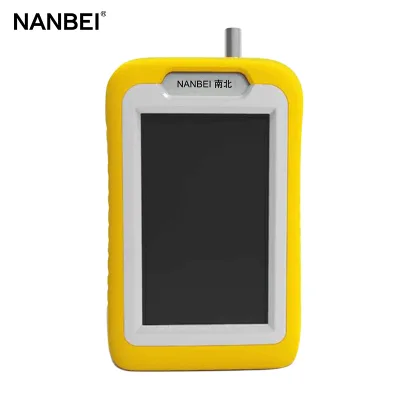


RS-100 Food Laser Raman Spectrometer Full Spectrum Raman Analyzer for Petroleum
$10000.00 - $20000.00
MOQ: 1 Pieces

RAM785sp Portable Raman Spectrometer Chemical Food Measuring Machine
$10000.00 - $30000.00
MOQ: 1 Pieces

Cmrs-300 Microscopic Raman Spectrometer Confocal New Materials Spectrum Analyzer
$10000.00 - $35464.00
MOQ: 1 Pieces

RS-200 Desktop Raman Spectrometer Fluorescence Spectrophotometer for Explosive Detector
$10000.00 - $20000.00
MOQ: 1 Pieces

Non Destructive Testing Equipment 1064nm Portable Handheld Raman Spectrometer
$24900.00 - $30200.00
MOQ: 1 Pieces

Optical Instruments Aylm-6500 785nm Handheld Portable Raman Spectrometer
$13200.00 - $16000.00
MOQ: 1 Pieces

$98000.00 - $118400.00
MOQ: 1 Pieces

Mineral Testing Equipment 785nm Handle Germologist Germostone Raman Spectrometer
$13200.00 - $16000.00
MOQ: 1 Pieces


Ms650 Handheld Raman Spectrometer for Dangerous Goods Identification
$10000.00 - $20000.00
MOQ: 1 Pieces
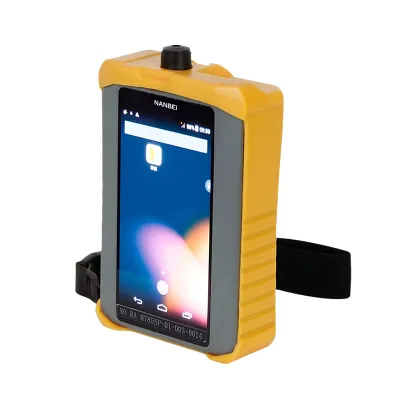


High Sensitivity High Resolution Portable Refrigeration Raman Spectrometer Raman Analyzer
$5000.00 - $9000.00
MOQ: 1 Pieces


Comprehensive Sourcing Guide
Strategic Sourcing Guide for Raman Spectrometer Procurement
The global demand for advanced analytical instrumentation has elevated the Raman Spectrometer to a critical tool across industrial, pharmaceutical, and research sectors. For procurement professionals, navigating the market requires a disciplined approach that separates verified technical capabilities from marketing assertions. This guide synthesizes observed market data and technical specifications to provide a framework for evaluating potential suppliers. The focus remains on evidence-based criteria, ensuring that purchasing decisions are grounded in observable product attributes rather than unverified claims. Understanding the specific configuration of these instruments, including their optical principles and environmental tolerances, is the first step in securing a reliable supply chain for high-performance analytical equipment.
Technical Architecture and Optical Specifications
The core functionality of a Raman Spectrometer relies on the interaction between light and molecular vibrations. In the current market, observed units frequently utilize a grating spectrometer as the dispersive element, which is essential for separating light into its component wavelengths. The optical architecture often incorporates a monochromator to isolate specific spectral lines, ensuring high sensitivity in detection. A critical specification to verify is the laser wavelength, as this determines the excitation source. Market observations indicate specific configurations operating at 785nm±0.1nm, a standard choice for minimizing fluorescence interference in many organic and inorganic samples.
The spectral range is another defining characteristic of performance. Available data points to a measurement range spanning from 150 to 3500 cm⁻¹, covering a broad spectrum of molecular vibrations. Within this range, spectral resolution is a key differentiator; high-end units demonstrate a resolution of less than 6 cm⁻¹, allowing for the distinction of closely spaced peaks. Furthermore, the accuracy of the spectral positioning is governed by translational indication error, which should ideally be within ±2.5 cm⁻¹, and translational repeatability, with observed values as tight as 0.1 cm⁻¹. These metrics are not merely theoretical but are observable attributes that directly impact the reliability of chemical identification.
The detection method employed is typically a spectrophotometer, capable of capturing data within a detection time frame ranging from 10 milliseconds to 20 seconds. This variability allows the instrument to be adapted for both rapid screening and detailed, time-intensive analysis. The light source line width is another technical parameter to scrutinize, with observed specifications indicating a width of less than 0.06nm, which contributes to the sharpness of the spectral peaks. Buyers must ensure that the specific model they select aligns with these optical parameters, as the "New Spectrometer" or "Classic Spectrometer" designations often refer to the underlying architecture and generation of the technology.
Compliance, Certification, and Operational Standards
In the B2B procurement of analytical instruments, compliance with international standards is non-negotiable. Verified product attributes indicate that units often carry CE, ISO, and RoHS certifications. These certifications are not optional add-ons but fundamental requirements for market access and safety assurance. The CE mark confirms conformity with health, safety, and environmental protection standards for products sold within the European Economic Area. ISO certification suggests adherence to quality management systems, while RoHS compliance ensures the restriction of hazardous substances in the manufacturing process.
Beyond general certifications, specific operational standards define the instrument's utility in regulated environments. For instance, certain related analytical devices in the industrial sector adhere to ASTM D93 standards, which govern flash point testing. While this specific standard may apply to auxiliary equipment like flash point testers, it highlights the importance of verifying that the spectrometer's software and data output align with relevant industry protocols. The product origin is frequently listed as China, specifically from the Shan Dong region, which is a known manufacturing hub for scientific instrumentation. However, the location of origin does not dictate quality; rather, the supplier's ability to maintain consistent production standards and provide valid certification documentation is the primary metric for evaluation.
Cost Drivers and Pricing Dynamics
The pricing structure for Raman spectrometers is highly variable, reflecting the diversity of configurations, customization options, and included accessories. Observed market data reveals a significant price range, spanning from approximately 2,820 USD to 118,400 USD. This wide disparity is driven by several factors, including the sophistication of the optical system, the presence of computer control interfaces, and the level of customization required. Lower-cost units may offer basic spectral analysis capabilities, while premium models often include advanced features such as dynamic load capabilities, electronic load systems, and comprehensive software suites for data processing.
The minimum order quantity (MOQ) observed in the market is consistently 1 unit, indicating that suppliers are generally flexible regarding batch sizes. This flexibility is beneficial for small research labs or pilot programs that do not require bulk procurement. However, buyers should be aware that the unit price may fluctuate based on the inclusion of custom packaging, such as plywood cases versus standard cartons, or specific branding requirements like OEM or ODM support. The "Selling Units" are typically listed as single items, suggesting that the price quoted is for a complete, standalone system. Procurement strategies should account for these variables, as the total cost of ownership includes not just the hardware price but also potential costs for customizations, extended warranties, and specialized training.
Typical Applications and Operational Environments
Raman spectrometers are versatile tools deployed across a wide array of industrial applications. The primary use case is industrial analysis, where the ability to perform non-destructive testing is paramount. The instruments are designed to operate under specific environmental conditions, with observed relative humidity requirements ranging from 20% to 80%. This range ensures that the optical components remain stable and free from condensation or static buildup, which could compromise data integrity. The operational temperature range is another critical factor; while the instrument itself may operate at room temperature, the measurement range for certain thermal applications can extend from room temperature up to 400°C, with a resolution of 0.1°C.
The physical footprint and weight of the instrument are also considerations for facility planning. Observed specifications indicate a single gross weight of 1.55 kg for portable units, making them suitable for field applications or mobile laboratories. However, larger systems may have weights ranging from 0 to 100 kg, necessitating robust flooring and dedicated workspaces. The power requirements are typically standard AC220V, but buyers must verify the specific power needs of the model to ensure compatibility with local electrical infrastructure. The start time of the instrument, observed to be less than 40 seconds, is a crucial efficiency metric for high-throughput environments where rapid turnaround is essential.
Supplier Evaluation and Customization Capabilities
When evaluating potential suppliers, the availability of customization services is a significant differentiator. Many manufacturers offer OEM (Original Equipment Manufacturer) and ODM (Original Design Manufacturer) support, allowing buyers to tailor the instrument to specific workflow requirements. This can include branding, software interface modifications, or hardware adjustments. The "Customization" attribute is listed as available, and the "Customized" status confirms that bespoke solutions are a standard offering in this sector. Buyers should explicitly request documentation of these customization capabilities to ensure that the supplier can meet unique operational needs.
The brand name "NANBEI" appears in the market data, indicating a specific manufacturer with a presence in the sector. However, procurement strategies should not rely on a single brand but rather on a comparative analysis of multiple suppliers offering similar specifications. Key evaluation criteria should include the supplier's history of providing valid certifications, their ability to meet the observed technical specifications (such as the 785nm laser wavelength), and their track record in delivering units that meet the stated warranty terms. The warranty period is typically 1 year, which serves as a baseline for after-sales support. Buyers should negotiate terms that extend beyond this baseline if the application requires long-term reliability and minimal downtime.
Quality Control and Long-Term Procurement Strategy
Ensuring the quality of Raman spectrometers requires a rigorous approach to quality control (QC) throughout the procurement lifecycle. The single package size for individual units is observed to be 18x11x45 cm, which provides insight into the shipping and handling requirements. For larger systems, the standard dimensions may be 75cm x 65cm x 70cm, requiring specialized packaging such as plywood cases to prevent damage during transit. The loading method is often dynamic, and the load way is electronic, suggesting that the instruments are designed to withstand the stresses of transportation and installation.
Long-term procurement considerations extend beyond the initial purchase price. Buyers must plan for the maintenance of the instrument, including the replacement of optical components and the calibration of the laser source. The detection time and spectral resolution are performance metrics that may degrade over time if the instrument is not properly maintained. Therefore, a robust service agreement with the supplier is essential. Additionally, the display type, which is typically digital, should be evaluated for its user-friendliness and compatibility with existing data management systems. The control method, often computer-controlled, necessitates the availability of compatible software and hardware interfaces.
| Feature Category | Observed Specification | Procurement Verification Point |
|---|---|---|
| Laser Wavelength | 785nm±0.1nm | Verify laser stability and output power consistency. |
| Spectral Range | 150 - 3500 cm⁻¹ | Confirm range covers all target analytes. |
| Resolution | < 6 cm⁻¹ | Test peak separation in a controlled environment. |
| Certifications | CE, ISO, RoHS | Request valid certificates for the specific batch. |
| Warranty | 1 Year | Clarify coverage for optical components and electronics. |
| Power Source | AC220V | Check voltage stability requirements for the site. |
| Environment | 20-80% RH | Ensure facility climate control meets these limits. |
In conclusion, sourcing a Raman Spectrometer requires a meticulous review of technical specifications, compliance documentation, and supplier capabilities. By focusing on verified attributes such as the grating spectrometer design, 785nm laser wavelength, and specific spectral resolution, buyers can make informed decisions that align with their operational needs. The wide price range and customization options offer flexibility, but they also demand a disciplined evaluation process to ensure value and reliability. Ultimately, the success of the procurement lies in the ability to match the instrument's capabilities with the specific demands of the application, supported by a supplier committed to quality and long-term service.
FAQs
What certifications do raman spectrometers typically have?
Raman spectrometers typically carry CE, ISO, and RoHS certifications. These verify compliance with safety and environmental standards for international markets. Buyers should request valid certificates for the specific batch to ensure adherence to these requirements.
How much does a Raman Spectrometer cost?
The price range for raman spectrometers spans from 2820 to 118400 USD. This variation depends on optical sophistication, customization options, and included accessories. Lower-cost units offer basic analysis while premium models include advanced software and features.
Can I get a customized Raman Spectrometer?
Customization is available for raman spectrometers with OEM and ODM support. Suppliers can tailor branding, software interfaces, or hardware to specific workflow needs. Buyers must explicitly request documentation of these capabilities to ensure unique operational requirements are met.
What is the warranty period for these instruments?
The standard warranty period for raman spectrometers is 1 year. This serves as a baseline for after-sales support and covers potential hardware failures. Buyers should negotiate terms extending beyond this baseline if long-term reliability is critical for their application.
Which laser wavelength is standard for raman spectrometers?
A standard laser wavelength for these instruments is 785nm±0.1nm. This choice minimizes fluorescence interference in many organic and inorganic samples. Buyers must verify that the specific model aligns with this optical parameter for optimal performance.
How fast does a Raman Spectrometer start up?
The start time for a Raman Spectrometer is less than 40 seconds. This efficiency metric is crucial for high-throughput environments requiring rapid turnaround. The instrument can capture data within a detection time frame ranging from 10 milliseconds to 20 seconds.