Source rapid fpv-fcov-giardia ag combo test for Dogs, Cats, and Puppies
Explore 30 listings for the rapid fpv-fcov-giardia ag combo test designed for veterinary diagnostics. Buyers can compare sensitivity, specificity, and delivery times across multiple models from verified manufacturers in China.
Key considerations
Products List


Fcov AG-Fcov Ab Combo Test Feline Coronavirus Antigen-Antibody Rapid Test
$0.01 - $20.00
MOQ: 300 Pieces


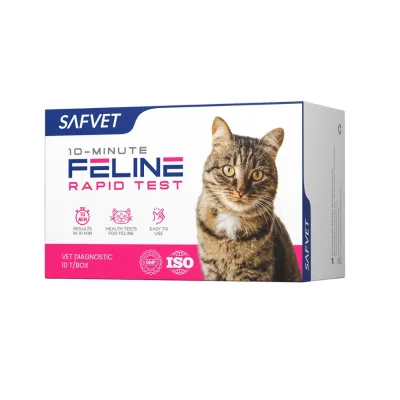
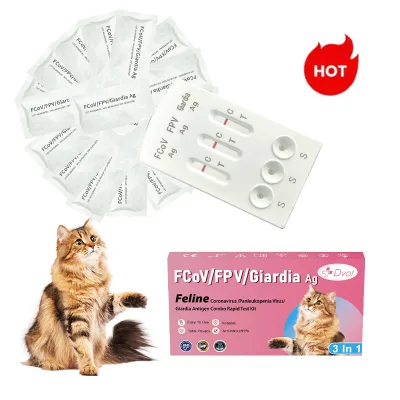
(FPV/FCoV/Giardia AG) Feline Panleukopenia/Giardia Antigen Combo Rapid Test
$0.01 - $20.00
MOQ: 300 Test


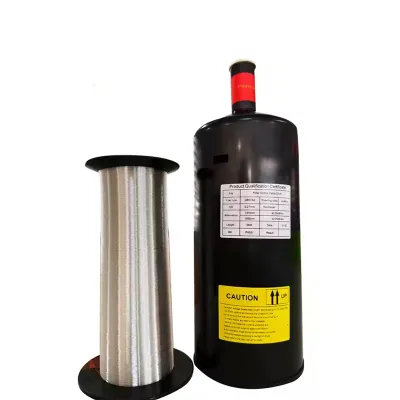
OTDR Fiber Optic Tester 32/128km with 3.5" Touchscreen for Drone Network Maintenance
$0.26 - $0.31
MOQ: 250000 meters


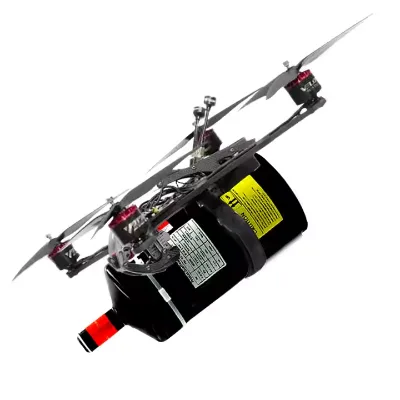
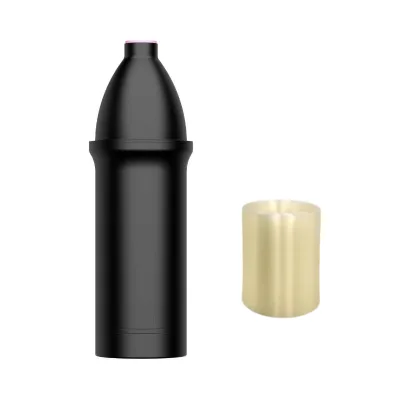
Bare Fiber Optic Cleaver Kit with 0.1dB Loss - Compatible with UAV Fiber Systems
$3.71 - $3.92
MOQ: 50000 meters




Comprehensive Sourcing Guide
Strategic Sourcing Guide for Rapid FPV-FCOV-Giardia AG Combo Tests
The veterinary diagnostic market has seen a significant surge in demand for multiplex testing solutions, particularly for detecting Feline Panleukopenia Virus (FPV), Feline Coronavirus (FCOV), and Giardia in a single assay. For procurement professionals and veterinary supply chain managers, sourcing a "rapid FPV-FCOV-Giardia AG combo test" requires a disciplined approach that balances technical performance with regulatory compliance. This guide outlines the critical factors for evaluating suppliers and products, ensuring that the selected diagnostic tools meet the rigorous standards required for clinical accuracy and operational efficiency. The following sections detail the technical specifications, compliance frameworks, cost structures, and quality assurance protocols necessary for a successful procurement strategy.
Technical Specifications and Performance Metrics
When evaluating rapid antigen combination tests, the primary focus must be on the analytical sensitivity, specificity, and accuracy of the assay. These metrics directly correlate with the reliability of the diagnosis and the subsequent treatment decisions made by veterinarians. In the context of the specific product models available in the current market, such as the VD049 and VD106 series, buyers should verify that the test is designed for the specific specimen types of feces or vomit. The assay time is a critical operational factor; efficient tests typically deliver results within a 5 to 10-minute window, allowing for rapid triage in busy clinic settings.
Performance benchmarks vary by manufacturer, but high-confidence data for relevant combo tests indicates that sensitivity should generally exceed 94.5%, with specificity often ranging between 96.0% and 97.5%. Accuracy figures for these multiplex cards are frequently observed to be above 97.0%. For instance, specific models targeting Fcov AG-Fcov Ab combinations have demonstrated sensitivity rates above 96.5% and specificity exceeding 97.5%. However, buyers must treat these figures as observations of specific product batches rather than universal guarantees for all suppliers. It is essential to request batch-specific validation data to confirm that the claimed sensitivity and specificity align with the actual product being procured.
The storage and shelf-life parameters are equally vital for inventory management. Most rapid diagnostic cards require storage temperatures between 2°C and 30°C to maintain reagent stability. The shelf life for these products typically spans 18 to 24 months, depending on the specific formulation and packaging integrity. Procurement teams must ensure that the delivery timeline and storage conditions at the destination facility align with these requirements to prevent premature degradation of the reagents.
Compliance and Certification Verification
In the medical and veterinary diagnostic sector, regulatory compliance is non-negotiable. Buyers must verify that the manufacturer holds valid quality management certifications, such as ISO 9001 and GMP (Good Manufacturing Practice). These certifications indicate that the production facility adheres to strict quality control standards, reducing the risk of manufacturing defects or contamination. The presence of these certifications should be confirmed through valid documentation rather than marketing claims.
Furthermore, the classification of the product as an IVD (In Vitro Diagnostic) reagent necessitates adherence to regional regulatory frameworks. While specific regional approvals (such as FDA, CE, or NMPA) are not explicitly detailed in the general product facts, the designation of the product as an IVD reagent implies a need for regulatory clearance in the target market. Buyers should explicitly request proof of regulatory clearance for the specific model numbers, such as VD014 or VD049, to ensure the product can be legally imported and used in their jurisdiction.
The origin of the product is another compliance factor. Many of these rapid tests originate from manufacturing hubs in China, specifically regions like Xiamen. While this location is a major center for medical device production, buyers should verify the specific factory audit reports to ensure that the origin matches the supplier's claims and that the facility meets international safety standards.
Cost Drivers and Pricing Structures
The pricing of rapid diagnostic tests is influenced by several variables, including the complexity of the multiplex assay, the volume of the order, and the packaging configuration. The observed price range for these products can vary significantly, from nominal unit costs to higher prices for specialized, high-volume orders. The Minimum Order Quantity (MOQ) is a critical cost driver; suppliers may set MOQs ranging from a single unit to 250,000 units, depending on the customization level and production capacity.
Packaging standards also impact the total cost. Standard packaging often involves 10 tests per box, with 80 boxes per carton. The carton dimensions, typically around 68cm x 44cm x 44cm, and the box size of 15cm x 10cm x 8cm, are essential for calculating shipping logistics and storage costs. Bulk purchasing can significantly reduce the per-unit cost, but it requires careful inventory planning to ensure the product does not expire before use.
Customization options, such as private labeling or specific packaging requirements, may incur additional costs. While customization is available, buyers should clarify the MOQ thresholds for custom orders, as these often differ from standard off-the-shelf products. Payment terms, including T/T, Western Union, and PayPal, also affect the financial planning of the procurement cycle, with different terms potentially influencing the final negotiated price.
Typical Applications and Clinical Utility
The primary application of the rapid FPV-FCOV-Giardia AG combo test is in the diagnosis of common feline gastrointestinal and respiratory issues. These tests are designed to detect the presence of antigens for Feline Panleukopenia Virus, Feline Coronavirus, and Giardia in fecal or vomit samples. The ability to test for multiple pathogens simultaneously reduces the time required for diagnosis and minimizes the need for multiple separate tests, thereby lowering the overall cost per diagnosis.
The specific use cases include screening for outbreaks in multi-cat environments, such as shelters and catteries, where rapid identification of infectious agents is crucial for containment. The test is also valuable in private veterinary practices for diagnosing acute gastrointestinal distress in cats. The specimen type, which includes feces or vomit, makes the test versatile for various clinical presentations. The assay time of 5 to 10 minutes allows for immediate decision-making, which is particularly important in emergency situations or high-throughput clinics.
Supplier Evaluation and Selection Criteria
Selecting the right supplier requires a comprehensive evaluation of their capabilities, reliability, and responsiveness. Buyers should assess the supplier's production capacity to ensure they can meet demand fluctuations, especially during peak seasons or disease outbreaks. The delivery time is a key performance indicator; suppliers typically offer delivery windows ranging from 3 to 6 days after payment confirmation, with some options for expedited shipping via DHL within 1 to 7 days.
Customization capabilities are another important factor. Suppliers that offer accepted customization services can provide tailored solutions, such as specific branding or packaging configurations. However, buyers must verify the lead times associated with custom orders, as these may differ from standard delivery schedules. The supplier's payment methods, including T/T and PayPal, should be compatible with the buyer's financial policies.
Reputation and track record are also critical. Buyers should seek references from other veterinary clinics or distributors who have successfully used the supplier's products. The supplier's ability to provide technical support and handle inquiries regarding test performance or troubleshooting is equally important for long-term success.
Quality Control and Batch Consistency
Quality control is paramount in the production of diagnostic tests. Buyers must ensure that the supplier implements rigorous quality assurance protocols at every stage of production. This includes raw material inspection, in-process testing, and final product verification. The consistency of test performance across different batches is essential for maintaining trust in the diagnostic results.
The shelf life of the product, typically 18 to 24 months, must be clearly communicated and managed. Buyers should verify the expiration dates on the packaging and ensure that the supply chain is efficient enough to prevent stock from nearing expiration. Storage conditions, specifically the 2-30°C temperature range, must be maintained throughout the logistics chain to preserve the integrity of the reagents.
Long-Term Procurement Considerations
For long-term procurement strategies, buyers should consider the scalability of the supplier relationship. As the demand for veterinary diagnostics grows, the ability to scale orders without compromising quality or delivery times is crucial. Buyers should also evaluate the supplier's commitment to innovation and product development, as the field of veterinary diagnostics is rapidly evolving.
Sustainability and environmental impact are becoming increasingly important in procurement decisions. Buyers should inquire about the packaging materials and whether the supplier offers eco-friendly options. Additionally, the availability of training materials and technical support for veterinary staff can enhance the effective use of the diagnostic tests.
In conclusion, sourcing rapid FPV-FCOV-Giardia AG combo tests requires a meticulous approach that prioritizes technical performance, regulatory compliance, and supplier reliability. By carefully evaluating the factors outlined in this guide, buyers can make informed decisions that ensure the availability of high-quality diagnostic tools for their veterinary practices. The integration of these considerations into the procurement process will ultimately lead to better patient outcomes and more efficient clinic operations.
Comparative Analysis of Key Product Models
To assist in the selection process, the following table compares key specifications of common models found in the market. This comparison highlights the variations in performance metrics and packaging that buyers should consider.
| Feature | Model VD049 | Model VD106 | Model VD014 |
|---|---|---|---|
| Target Pathogens | FPV, FCOV, Giardia | Fcov AG, Fcov Ab | Fcov AG, Fcov Ab |
| Specimen Type | Feces or Vomit | Feces | Feces |
| Sensitivity | >94.5% | >96.5% | >96.50% |
| Specificity | >96.0% | >92.50% | >97.50% |
| Accuracy | >97.0% | >94.50% | >97.50% |
| Assay Time | 5-10 Minutes | 5-10 Minutes | 5-10 Minutes |
| Shelf Life | 24 Months | 18 Months | 24 Months |
| Storage Temp | 2-30°C | 2-30°C | 2-30°C |
| Packaging | 10 Tests/Box | 1PC/Aluminum Foil Bag | 10 Tests/Box |
| MOQ | Variable | 20 Boxes | Variable |
This table serves as a reference for understanding the diversity in product offerings. Buyers should note that while the assay time and storage conditions are generally consistent, the sensitivity and specificity figures vary by model and target pathogen. It is essential to match the specific clinical needs with the appropriate model specifications to ensure optimal diagnostic performance.
FAQs
How long is the shelf life of the rapid fpv-fcov-giardia ag combo test?
The shelf life typically spans 18 to 24 months depending on the specific model. Buyers must ensure storage temperatures remain between 2 and 30 degrees Celsius to maintain reagent stability throughout this period.
What is the minimum order quantity for these veterinary diagnostic cards?
Minimum order quantities range from 1 unit up to 250,000 units based on supplier capacity. Some specific models may require a minimum of 20 boxes, so buyers should verify the exact threshold before ordering.
Which certifications should suppliers hold for these in vitro diagnostic reagents?
Suppliers should hold valid ISO 9001 and GMP certifications to ensure strict quality control standards. These documents verify that the manufacturing facility adheres to safety protocols required for medical device production.
How fast can buyers expect delivery after making a payment?
Delivery times generally range from 3 to 6 days after payment confirmation for standard orders. Some suppliers offer expedited shipping via DHL within 1 to 7 days depending on the logistics arrangement.
Can buyers request customized packaging for these rapid antigen tests?
Yes, customization services including private labeling are available for qualified orders. Buyers must confirm the specific minimum order quantity thresholds for custom packaging as these often differ from standard off-the-shelf products.
What specimen types are accepted for the feline coronavirus and giardia test?
The test accepts feces or vomit samples for detecting antigens in feline patients. This versatility allows for rapid diagnosis in various clinical presentations without requiring invasive blood collection procedures.
What are the standard packaging dimensions for bulk orders of these tests?
Standard cartons measure 68cm by 44cm by 44cm and contain 80 boxes. Each individual box holds 10 tests and measures 15cm by 10cm by 8cm for efficient storage and shipping.